
Published 2 Aug 2026· Updated 29 Aug 2026
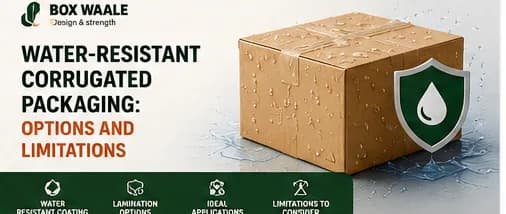
Water-Resistant Corrugated Packaging: Options and Limitations
A buyer's guide to water-resistant corrugated boxes: what coatings and liners actually do, how moisture damages board strength, and what trade-offs to expect before you specify one.
Key Takeaways
- Water-resistant corrugated board slows moisture absorption for a period of time or level of exposure, while waterproof implies the material blocks water entirely, which is very difficult to achieve with paper-based board.
- Moisture exposure can reduce a corrugated box's edge crush strength before any visible sagging appears, which is why boxes sometimes collapse in a stack without obvious water damage at the time of dispatch.
- Common moisture-protection options include water-resistant adhesive formulations, surface coatings or varnishes, wax coating, and polyethylene film lamination, each offering a different level of protection and cost.
- Wax and film-laminated corrugated boards generally cost more and can be harder to process through standard paper recycling streams, so recyclability should be checked with the specific recycling facility rather than assumed.
- Buyers should size the level of moisture protection to their actual shipping and storage exposure, such as monsoon transit or humid warehouse storage, rather than defaulting to the most expensive coating option.
- A water-resistant box can still be damaged if exposure is prolonged or the box is stacked under load while damp, since water resistance reduces the rate of moisture pickup rather than eliminating cellulose fibre's underlying vulnerability to water.
Water-Resistant Corrugated Packaging: Options and Limitations
Table of Contents
Corrugated boxes are made from paper fibre, which means water is always their biggest structural weakness. This guide breaks down what "water-resistant" actually means versus "waterproof," how moisture quietly reduces box strength even when damage isn't visible, and the coating and treatment options available before you place an order.
Water-Resistant vs Waterproof: Why the Difference Matters
These two words get used loosely in packaging conversations, and the mix-up causes real problems. Water-resistant board is treated to slow down or reduce moisture absorption for a period of time or under a defined level of exposure. Waterproof implies the material blocks water entirely, which is extremely difficult to achieve with a paper-based structure because corrugated board is fundamentally cellulose fibre held together with adhesive, wrapped around an open flute structure that can wick moisture along its channels.
When a supplier tells you a box is "water-resistant," ask what that means in practice: resistance to splashes and humidity during a few hours of transit, or resistance to a box sitting in a damp loading bay overnight. These are very different requirements. Common exposure scenarios worth mapping out before you specify anything include:
- Open or semi-open truck transit during monsoon months
- Humid warehouse storage without climate control
- Condensation build-up when goods move from cold storage to ambient temperature
- Outdoor loading docks where boxes wait before being loaded
How Moisture Actually Damages Corrugated Board
The visible sign of water damage — a soggy, sagging box — is the end stage of a process that starts much earlier. As paper fibre absorbs moisture, it swells, and the starch-based adhesive bonding the liners to the flute medium loses grip. This reduces the board's edge crush strength, which is the property that lets stacked boxes carry the weight of cartons above them without buckling.
The tricky part for buyers is that this loss of strength often isn't obvious just by looking at the box. A carton can appear structurally fine after mild humidity exposure while having already lost a meaningful share of its stacking strength. That's why boxes sometimes collapse hours after loading, deep in a stack, even though nobody saw obvious water damage at the time of dispatch. If your goods travel through variable humidity — interstate trucking across regions, seasonal monsoon routes, or unclimatised storage — this delayed weakening is the real risk, not just visible wetting.
Coating, Lamination and Liner Options
There isn't a single "water-resistant box"; there's a range of treatments, each suited to a different exposure level. Before ordering, it helps to understand the broad category of corrugated boxes and constructions available so the treatment can be matched to the right board grade rather than added on top of a mismatched base specification.
- Water-resistant adhesive formulations: Used at the flute-bonding stage during manufacturing, these help the board retain more of its bond strength under humid conditions without changing the look or recyclability profile much. This is usually the lowest-cost option for moderate protection.
- Surface coatings and varnishes: Applied to the outer liner, these reduce surface wetting and help printed graphics survive light moisture contact, but they don't meaningfully protect the inner structure from sustained exposure.
- Wax coating or wax dipping: Historically used for produce and high-humidity applications, wax treatment gives a noticeably higher level of moisture resistance but adds cost and changes the board's surface texture and printability.
- Polyethylene (PE) film lamination: A thin plastic film laminated to the liner gives the strongest moisture barrier among common options, useful where boxes may face direct water contact, but it adds cost, changes handling and recycling characteristics, and generally increases lead time.
- Kraft liner grade and virgin fibre content: Higher virgin fibre content in the liner tends to hold up better under repeated humidity cycling compared to some recycled-heavy liners, independent of any added coating.
Cost, Recyclability and Choosing the Right Level of Protection
Every added layer of moisture protection comes with a trade-off, and it's worth being upfront about them rather than treating water resistance as a free upgrade. Wax and film-laminated boards generally cost more per box, may require longer production lead times, and — importantly — can be harder to process through standard paper recycling streams because the coating has to be separated from the fibre. If recyclability claims matter to your business or your customers, don't assume a coated box is recycled the same way plain kraft is; check with your specific recycling facility, and avoid making blanket "fully recyclable" claims on packaging that has been laminated or waxed.
The practical approach is to size the treatment to the actual exposure. A shipment that spends most of its journey indoors with brief loading-dock exposure rarely needs film lamination — a water-resistant adhesive or surface coating is often enough. A product that sits in humid storage for extended periods, or ships through monsoon-affected routes on open transport, may justify the extra cost of wax or lamination. Over-specifying adds cost and complicates end-of-life handling without a corresponding benefit; under-specifying risks the delayed-collapse problem described earlier. Getting this right starts with an honest assessment of the shipping and storage conditions your boxes will actually face.
How Boxwaale Helps
Boxwaale works with businesses to match the level of moisture protection to the real exposure their shipments face, rather than defaulting to the most expensive coating option. We talk through adhesive-based, coating-based and lamination-based approaches in plain terms, including the recyclability trade-offs of each, so you can make an informed call for your specific route, season and storage conditions.
Frequently Asked Questions
Related Packaging Guide
Planning a packaging order?
Turn this guidance into a box specification
Share the product dimensions, packed weight, quantity, printing requirement and delivery postcode. Boxwaale will help narrow down the appropriate size, ply and board specification before quoting.
Frequently Asked Questions
Related Products
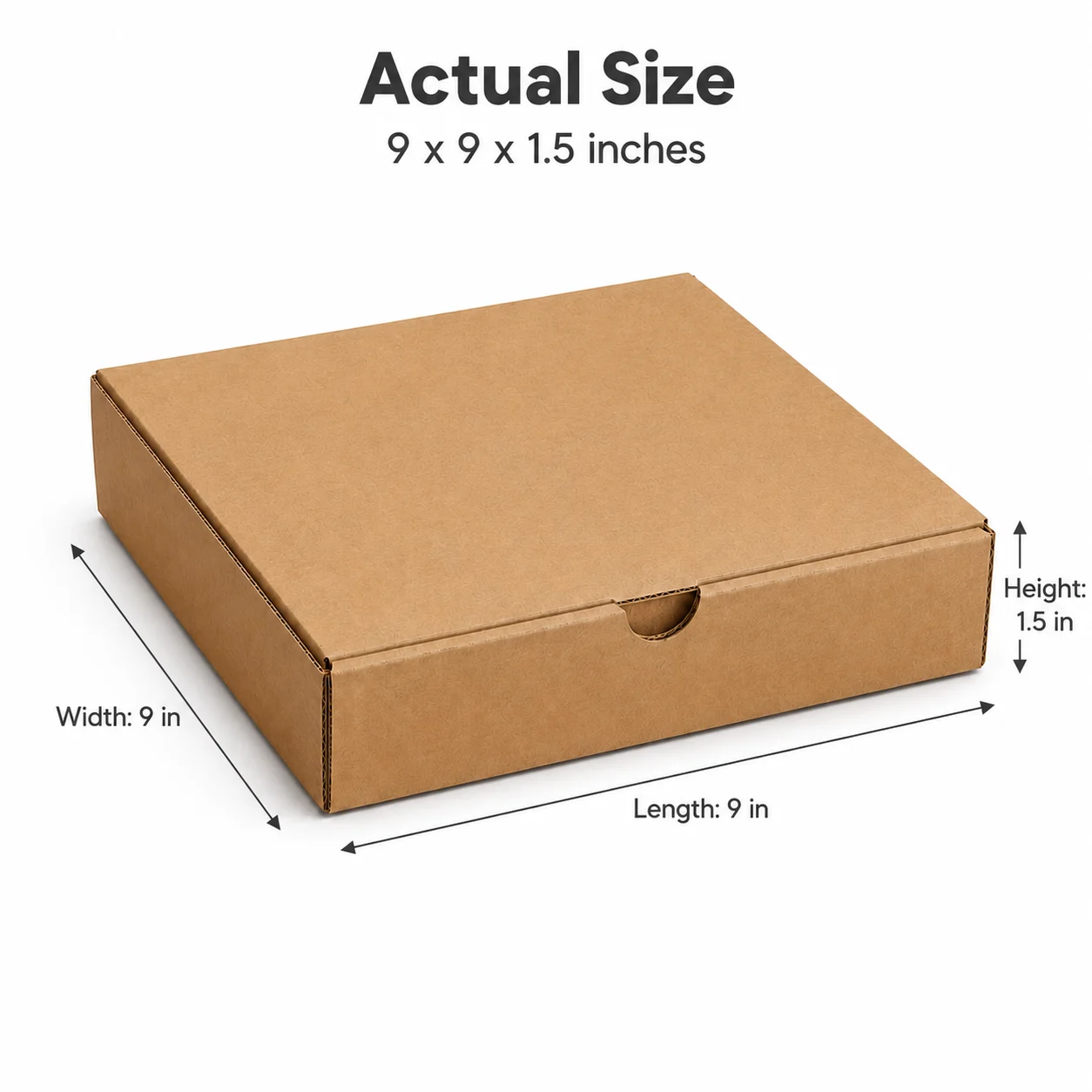
9x9 Inch Brown Corrugated Pizza Box for Food Delivery
Durable 9x9 inch brown corrugated pizza box designed for restaurants, cafes, cloud kitchens, and food delivery businesses.
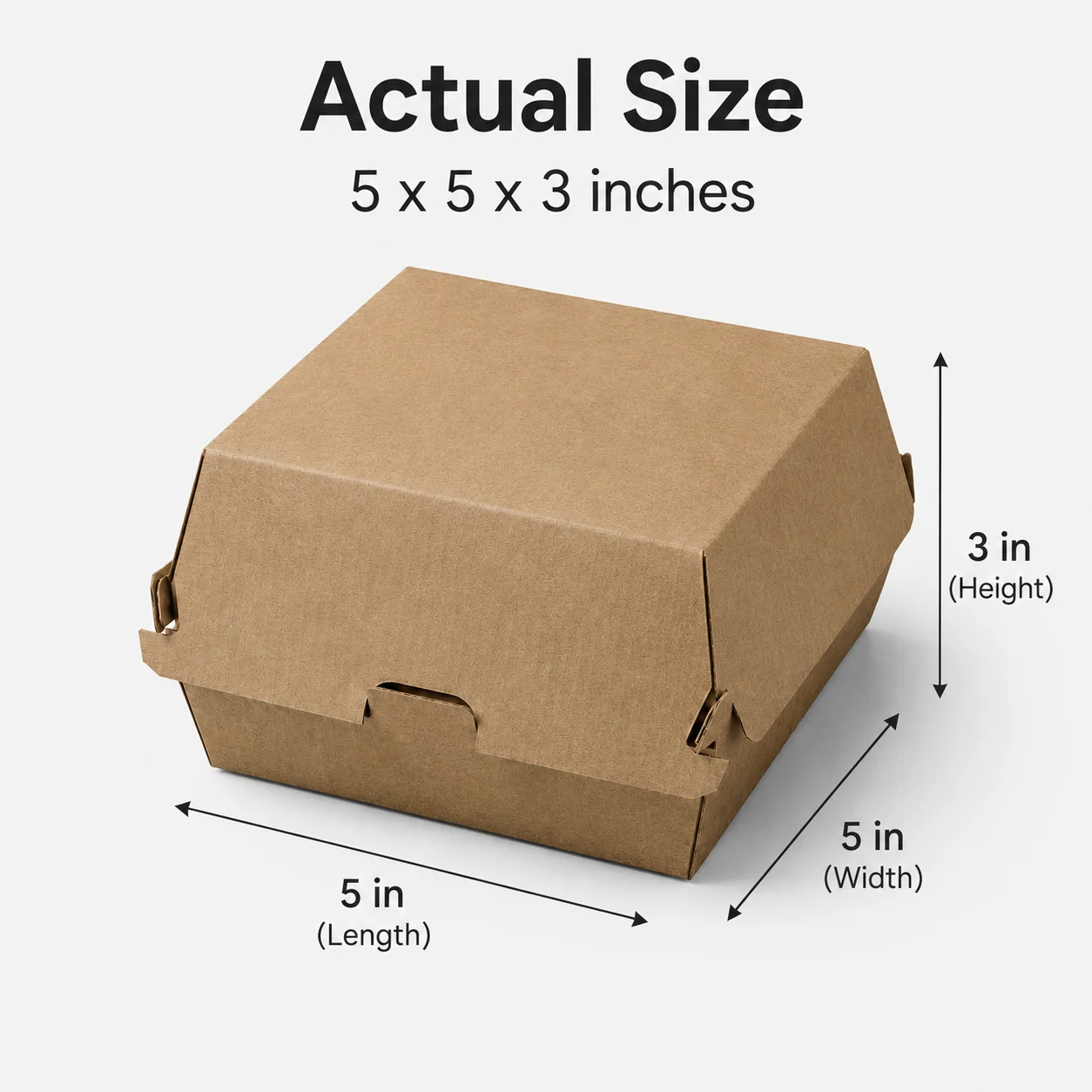
5x5 Inch Brown Kraft Burger Box for Takeaway & Food Delivery
Durable 5x5 inch brown kraft burger box designed for restaurants, cafes, cloud kitchens, and takeaway food packaging.

8x8 Inch Brown Kraft Cake Box for Bakery & Pastry Packaging
Premium 8x8 inch brown kraft cake box designed for bakeries, cafes, cloud kitchens, pastry shops, and dessert packaging.
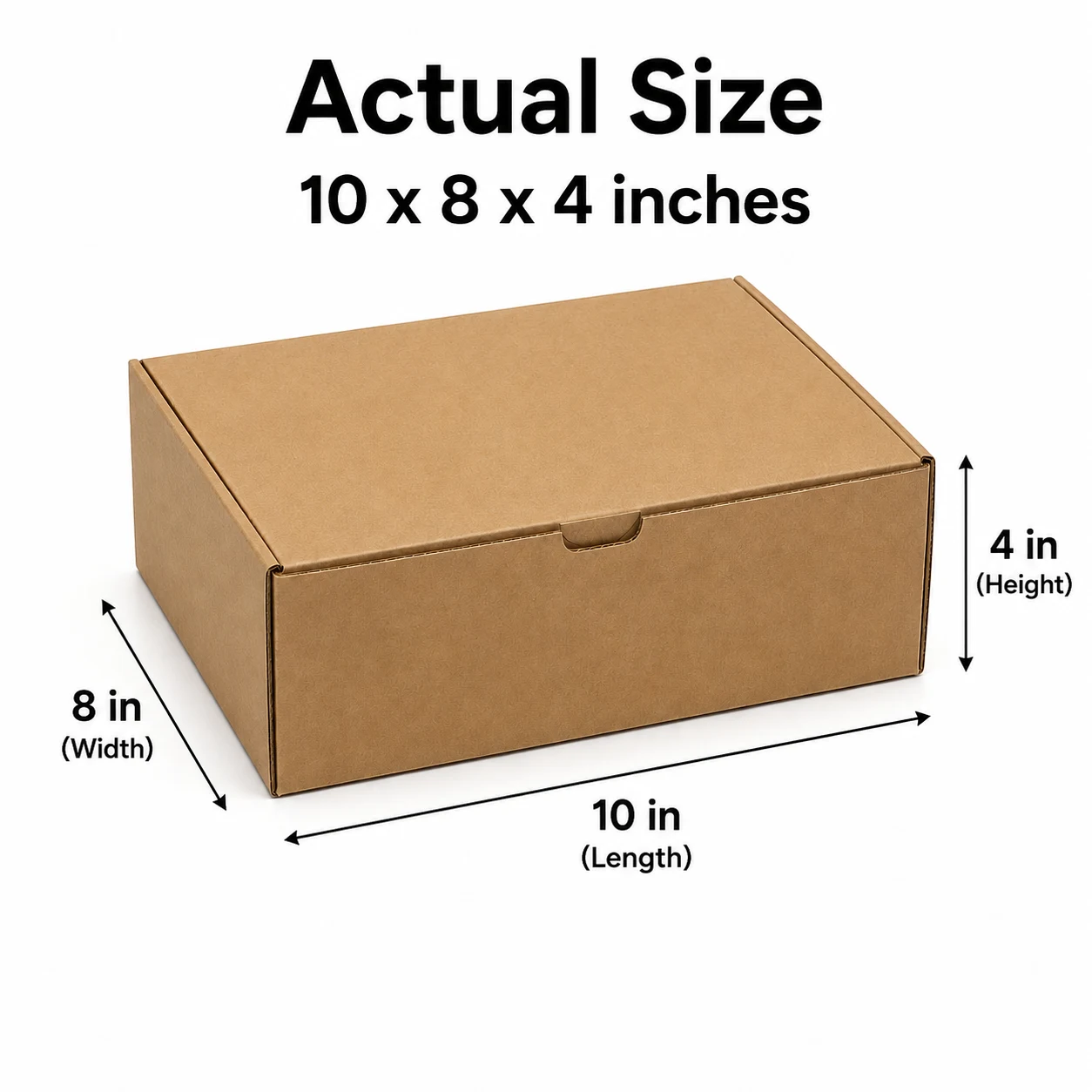
10x8x4 Inch Brown Corrugated Courier Box for E-commerce Shipping
Durable 10x8x4 inch brown corrugated courier box designed for e-commerce shipping, product delivery, storage, and secure packaging.
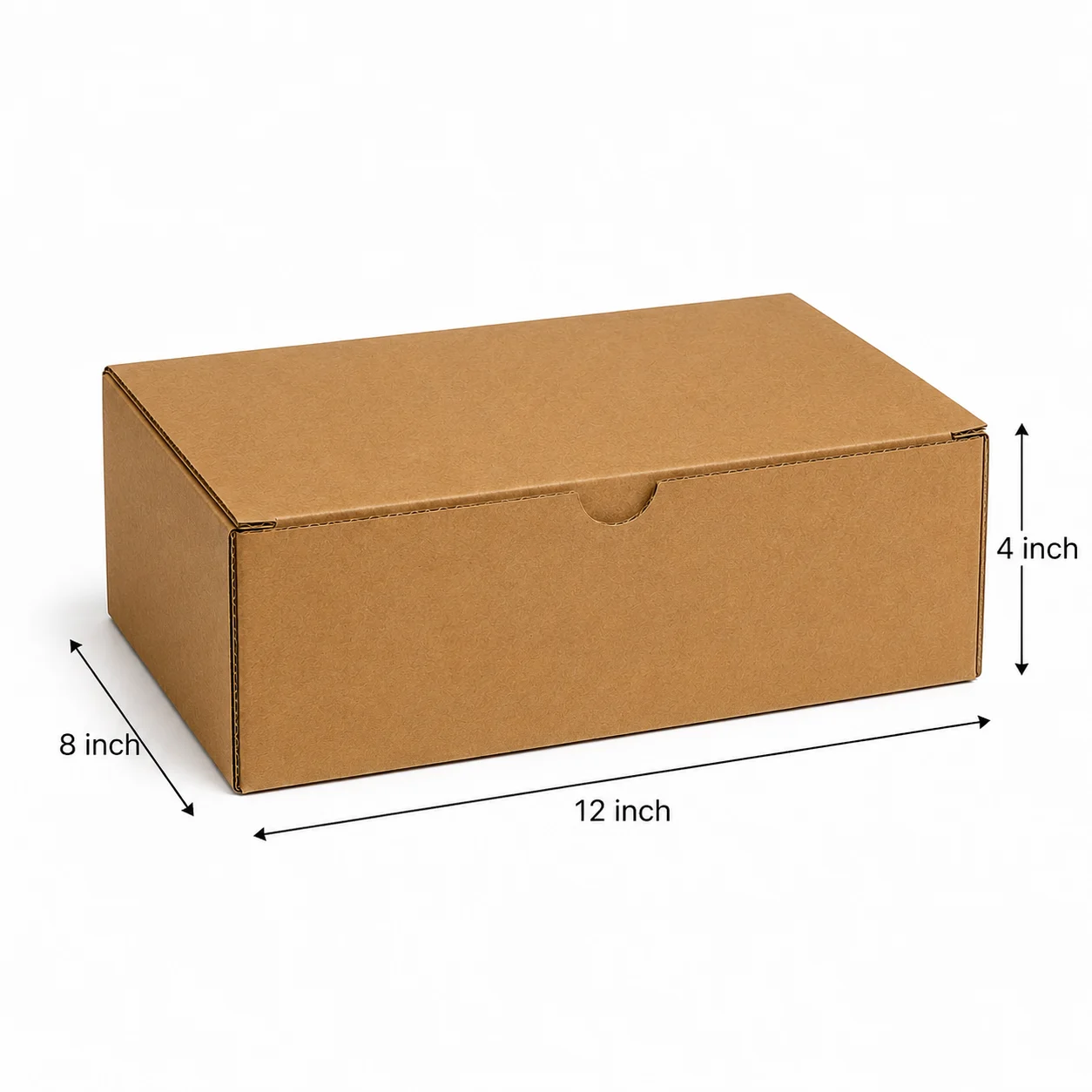
12x8x4 Inch Brown Corrugated 6 Bottle Nail Paint Packaging Box
Durable 12x8x4 inch brown corrugated nail paint box with six internal compartments, designed for cosmetic packaging, storage, gifting, and safe delivery.
Related Buying Guides
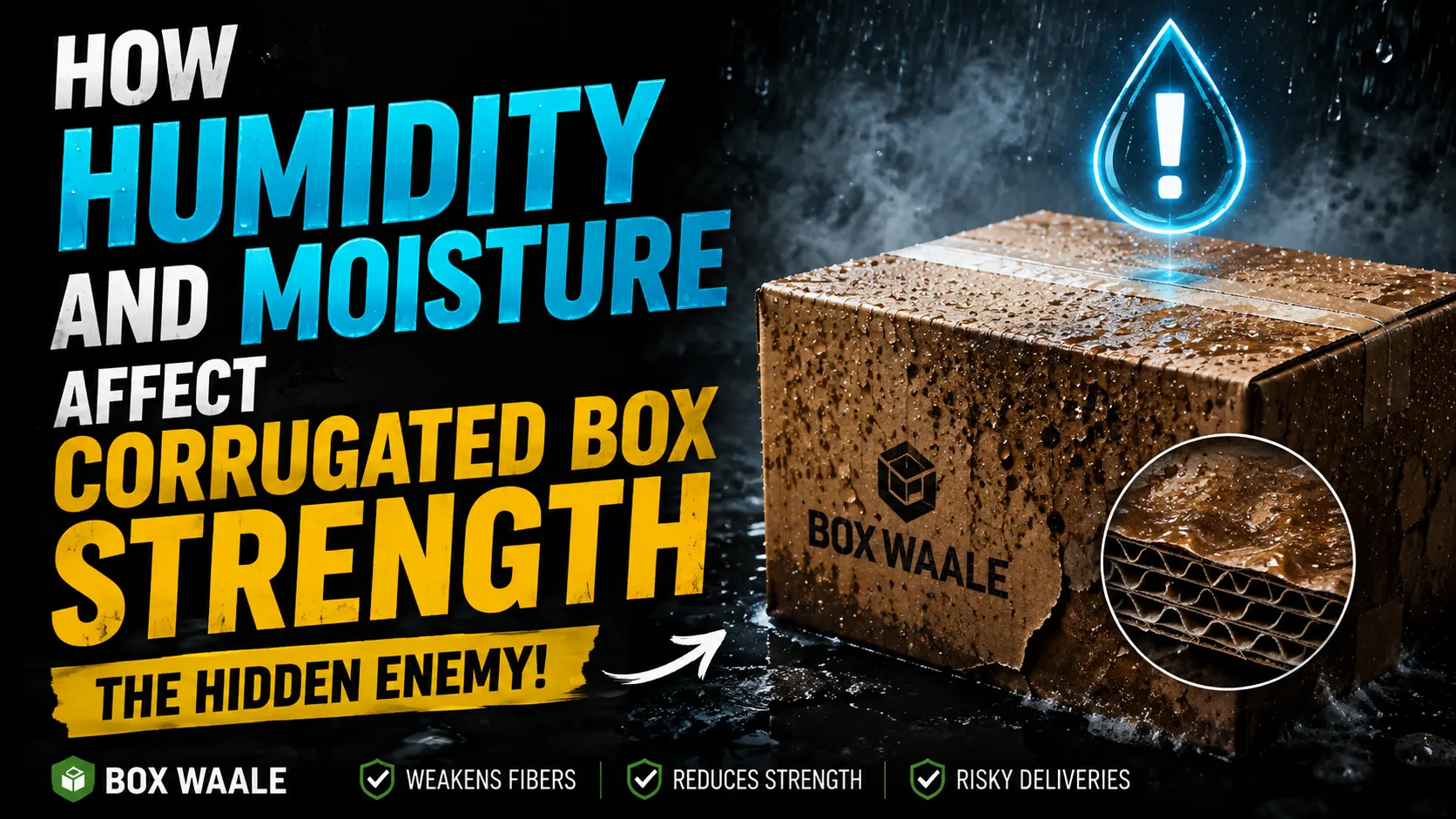
How Humidity and Moisture Affect Corrugated Box Strength
Read guide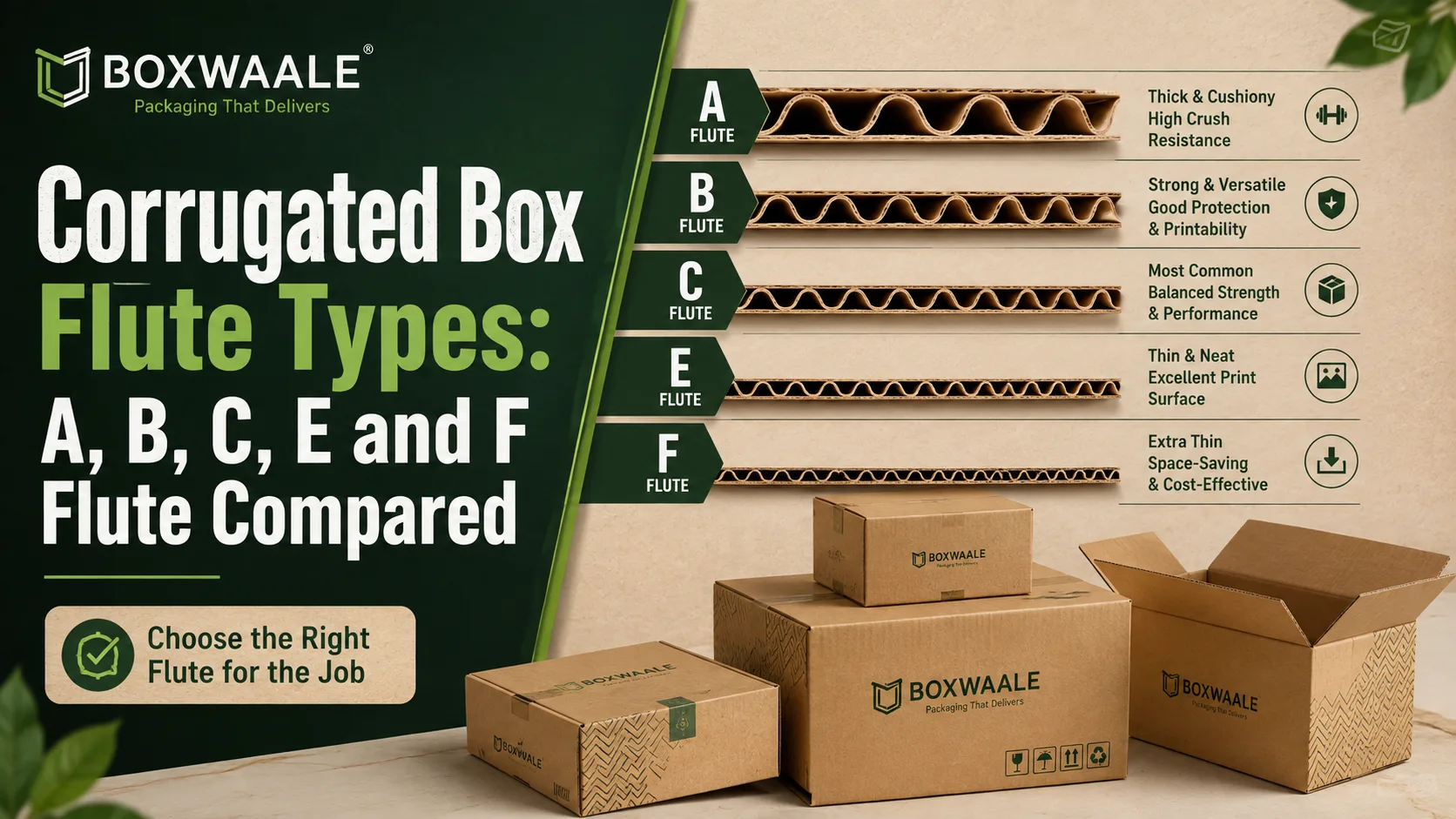
Corrugated Box Flute Types: A, B, C, E and F Flute Compared
Read guide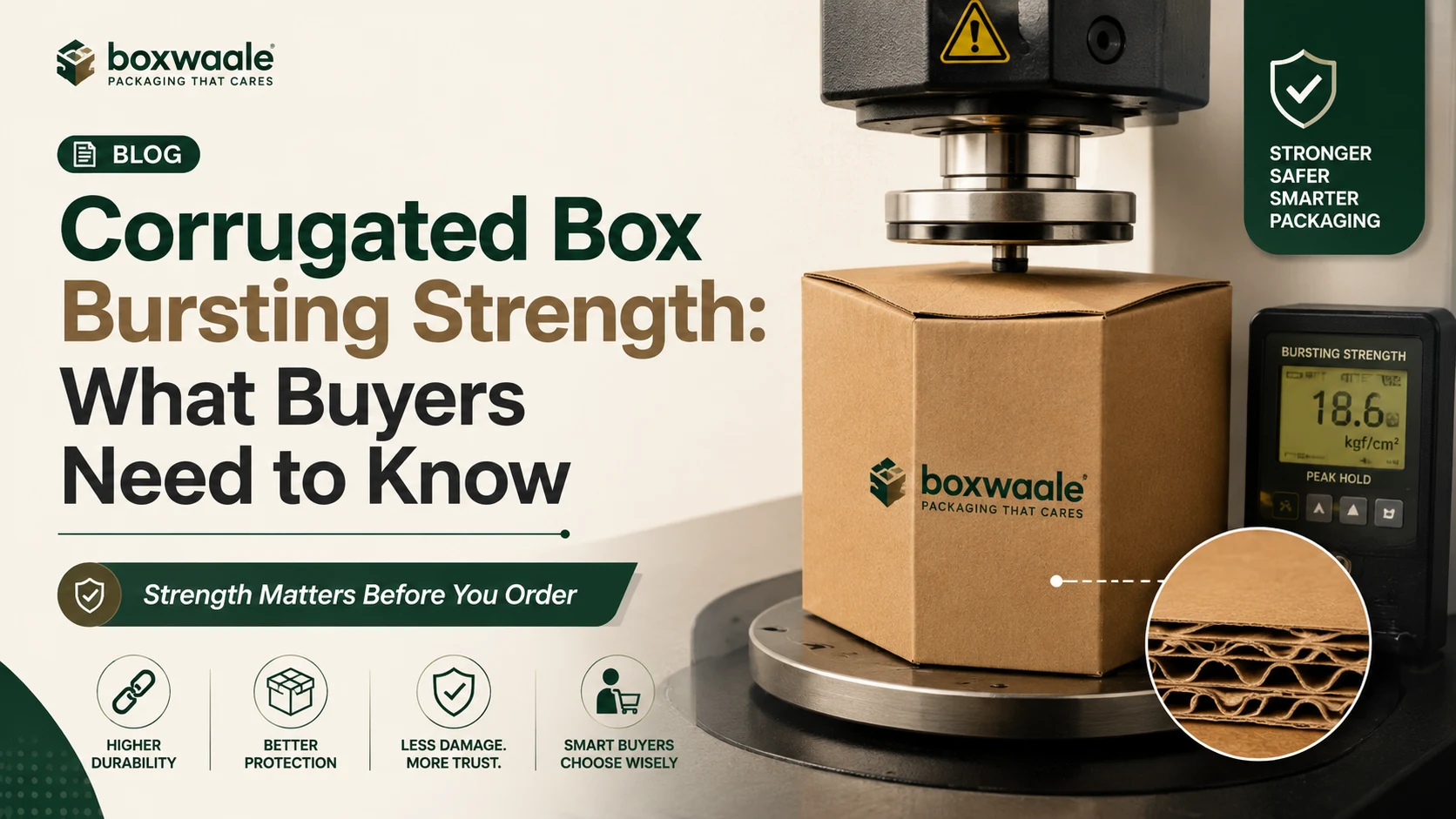
Corrugated Box Bursting Strength: What Buyers Need to Know
Read guide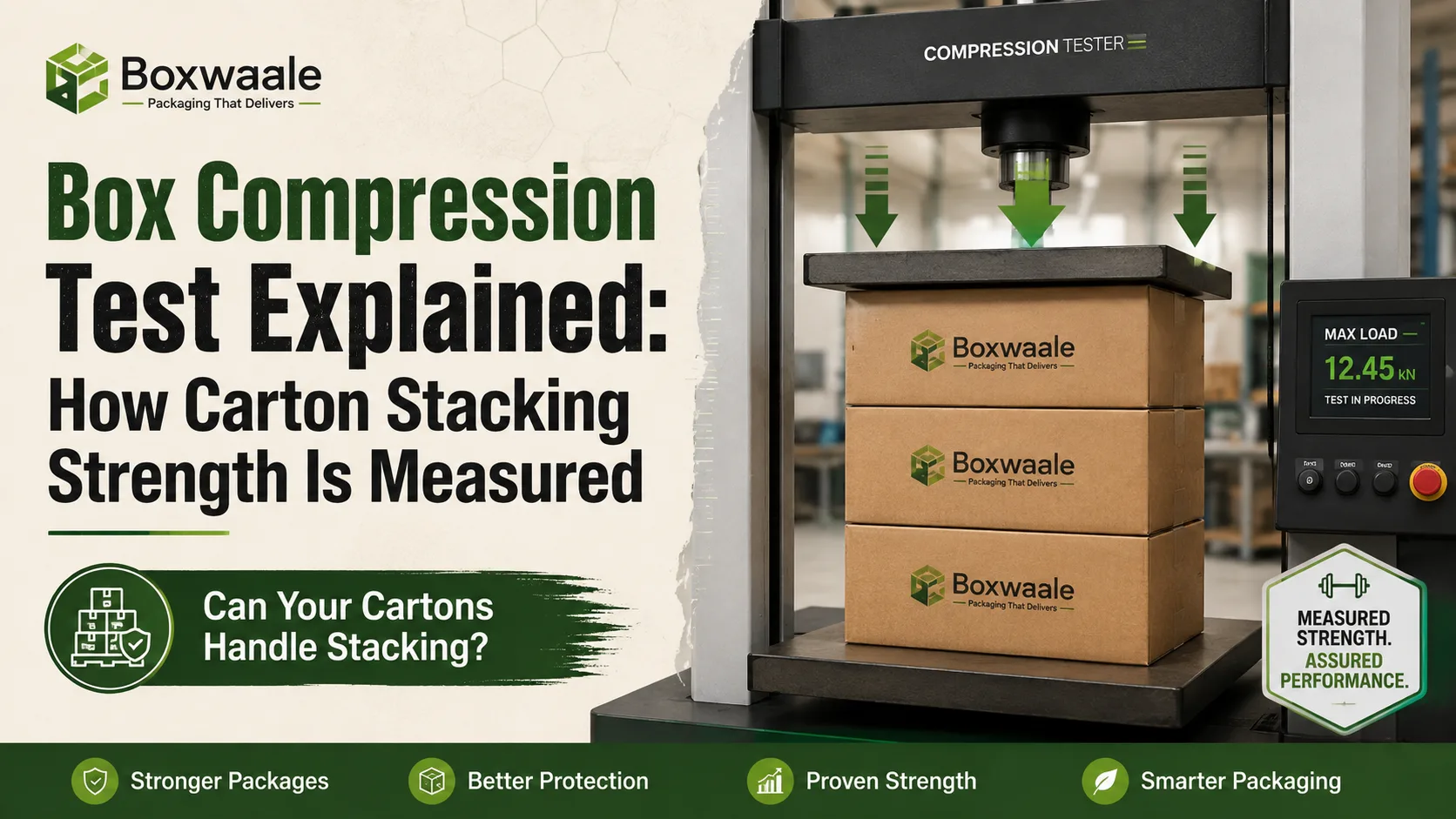
Box Compression Test Explained: How Carton Stacking Strength Is Measured
Read guide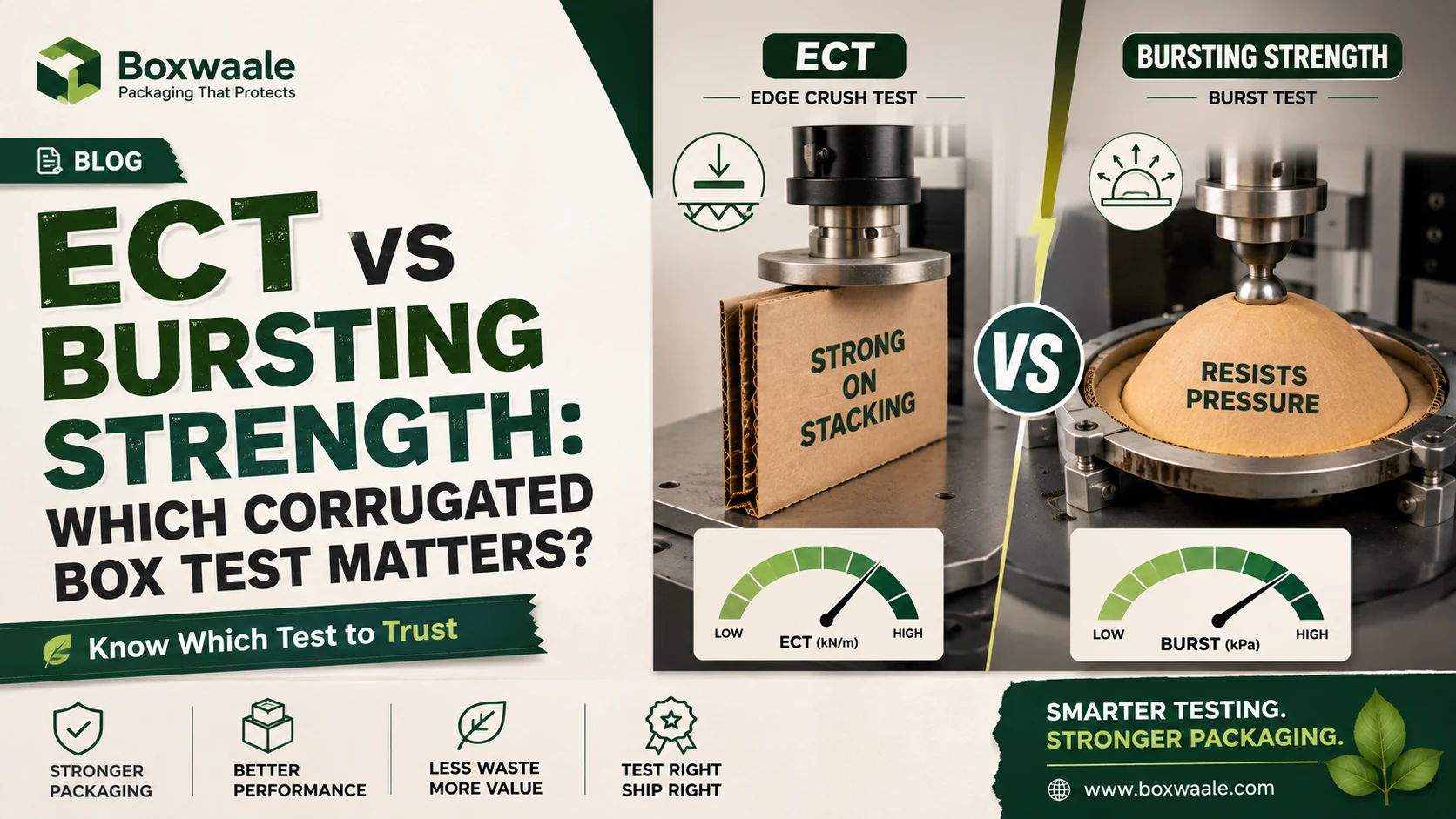
ECT vs Bursting Strength: Which Corrugated Box Test Matters?
Read guide