
Published 2 Aug 2026· Updated 29 Aug 2026
How Humidity and Moisture Affect Corrugated Box Strength
Understand how humidity and moisture reduce corrugated box strength during transit and storage, and how to factor this into board and ply selection.
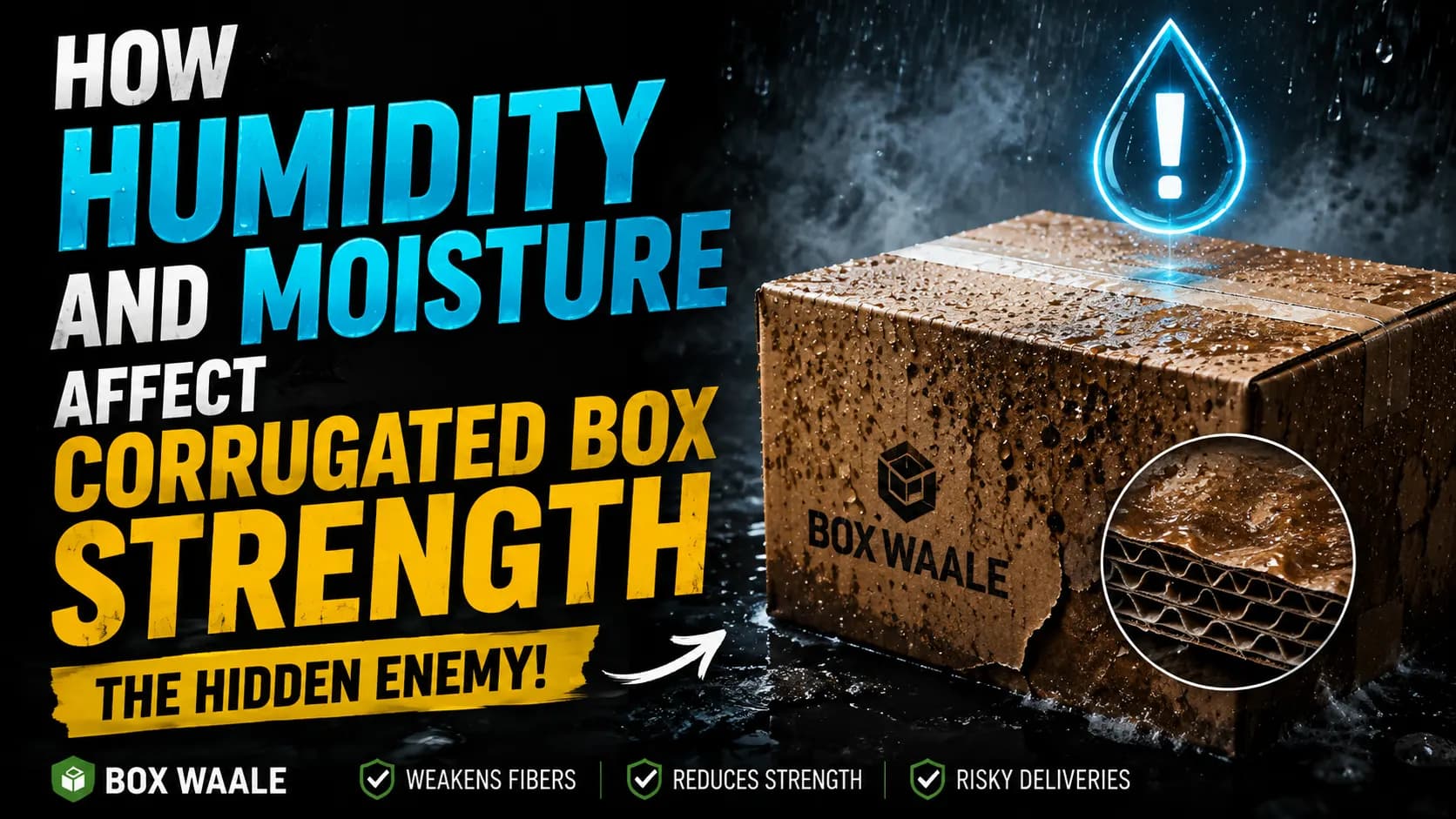
Key Takeaways
- Paper fibre is hygroscopic, meaning it absorbs and releases moisture from the surrounding air, so ambient humidity alone can affect a box's strength even without any direct contact with water.
- Corrugated board's stiffness comes from hydrogen bonding between cellulose fibres, and moisture disrupts these bonds, making the board noticeably limper well before it looks visibly wet.
- As board absorbs moisture, its compression and stacking strength generally declines because the fluting inside the board loses rigidity and becomes more prone to bowing or crushing under load.
- Repeated wet-dry cycles can leave a box's fibre bonds permanently somewhat weaker, so a box that has absorbed and released moisture more than once may not fully return to its original strength.
- Condensation can form inside a shipment when it moves between environments with different temperatures and humidity levels, affecting box strength even without any rainfall or direct water exposure.
- No corrugated box should be treated as truly waterproof, and while some board treatments offer a general degree of moisture resistance, this reduces rather than eliminates the risk of moisture-related weakening.
How Humidity and Moisture Affect Corrugated Box Strength
Table of Contents
Corrugated board is made almost entirely from paper fibre, and paper fibre is hygroscopic, meaning it absorbs and releases moisture from the surrounding air, which is exactly why humidity has such a direct effect on how much weight a box can actually carry. This article explains the general mechanism behind that effect, where it shows up most during transit and storage, and how board choice can be planned around it.
Why Corrugated Board Reacts to Moisture in the First Place
Paper is made of cellulose fibres that are held together partly through hydrogen bonding between the fibres themselves, formed as the sheet dries during manufacturing. This bonding is what gives dry paper and corrugated board their stiffness and rigidity. When the board absorbs moisture from humid air, those fibre-to-fibre bonds are disrupted, and the board becomes noticeably limper as its moisture content rises, well before it looks visibly wet or damaged to the eye.
This is a general property of paper-based materials and isn't specific to any particular box or supplier, which is worth keeping in mind when comparing packaging options: no untreated corrugated board is immune to this effect, it's simply a question of degree and how the board is specified for the conditions it will face.
How Strength Is Lost as Moisture Increases
As board absorbs more moisture, its compression and stacking strength generally declines, largely because the fluting, the wavy inner layer that gives corrugated board its column-like structure, loses rigidity and becomes more prone to bowing or crushing under load. This matters most for boxes carrying weight or sitting at the bottom of a stack, where the fluting is doing the most structural work.
It's also worth understanding that this effect isn't necessarily reversible in full. Repeated wet-dry cycles can leave the fibre bonds permanently somewhat weaker than they were originally, so a box that has absorbed and released moisture more than once may not return to its original strength even once it looks and feels dry again. This is separate from stacking pattern and load duration, which are their own factors in how much weight a palletised stack can safely carry, but moisture compounds those risks rather than acting independently of them. This is also why a box that performed well on a dry test run can behave differently once it's actually shipped during a humid season, even though nothing about its construction has changed; the variable is the environment the board is moving through, not the box itself.
Transit Scenarios Where Moisture Becomes a Risk
Several common transit and handling scenarios expose boxes to more humidity than businesses often plan for. Shipments moving through or originating in humid climate regions, or during monsoon season, face elevated ambient moisture for extended periods, not just direct rain contact. Condensation is another under-recognised risk: when a load moves from a cooler environment into a warmer, more humid one, or the reverse, moisture can form on surfaces purely from that temperature and humidity shift, even without any rainfall or liquid spill involved.
Sea and port-based transit, along with long dwell times in transit hubs or holding areas, can also expose boxes to sustained humidity for longer than a typical short domestic road journey would. None of these scenarios require water to directly touch the box for moisture to become a factor in the board's strength; ambient humidity over time is often enough. If you're specifying packaging for a route that includes any of these conditions, it's worth reviewing general board and ply options on the corrugated boxes page with that exposure in mind, rather than treating it as an afterthought after the box has already been finalised.
Choosing Board and Construction for Humid Conditions
As a general principle, a heavier ply or higher board grade provides more margin before moisture-related strength loss becomes a practical problem, since there's simply more material and structural redundancy to absorb some degradation before the box's usable strength drops below what the load requires. Some board treatments exist in the industry that offer a general degree of moisture resistance, but these should be understood as reducing risk, not eliminating it — no treatment makes a corrugated box waterproof or immune to humidity-related weakening over time, and it shouldn't be relied upon as if it does.
The most practical approach is to factor expected humidity exposure into ply and board selection at the ordering stage, based on the specific route, season and duration the shipment will face, rather than defaulting to a standard specification regardless of conditions. This is distinct from the physical storage practices used once boxes are in a warehouse, such as shelving and ventilation, which is a separate operational topic; here the focus is specifically on how moisture affects the board's underlying strength during the journey and while goods sit in transit. Sharing this kind of route detail early, at the specification stage rather than after a damaged shipment arrives, is generally the most effective point to act on it, since board grade is far easier to adjust before production than after a batch of boxes has already been made.
How Boxwaale Helps
Boxwaale can suggest a higher ply or board grade when a business flags that their shipment route passes through humid regions, monsoon-season transit, or unusually long transit and dwell times, since matching board strength to the moisture conditions a shipment will actually face reduces, though does not eliminate, the risk of a weakened box arriving at its destination.
Frequently Asked Questions
Related Packaging Guide
Planning a packaging order?
Turn this guidance into a box specification
Share the product dimensions, packed weight, quantity, printing requirement and delivery postcode. Boxwaale will help narrow down the appropriate size, ply and board specification before quoting.
Frequently Asked Questions
Related Products
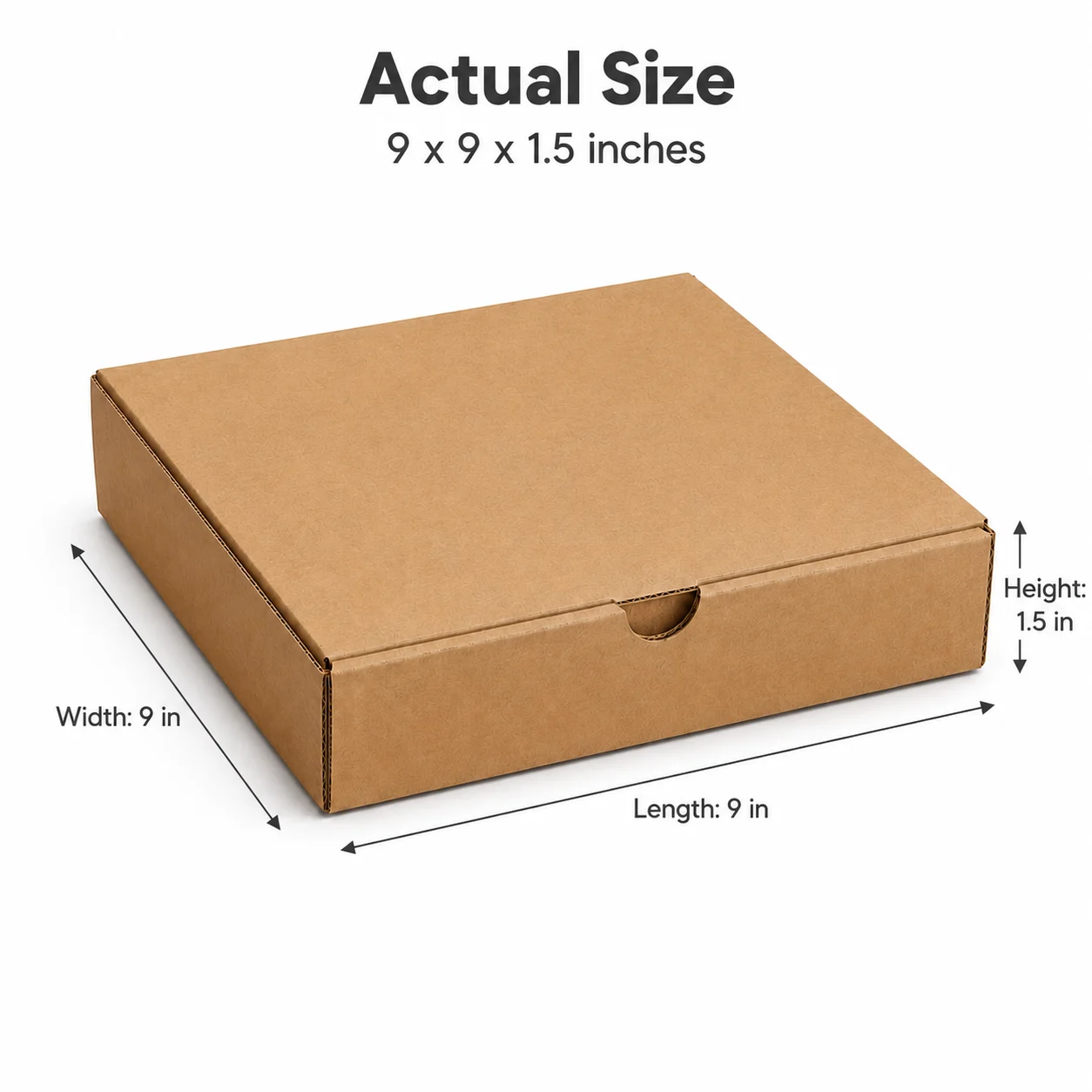
9x9 Inch Brown Corrugated Pizza Box for Food Delivery
Durable 9x9 inch brown corrugated pizza box designed for restaurants, cafes, cloud kitchens, and food delivery businesses.
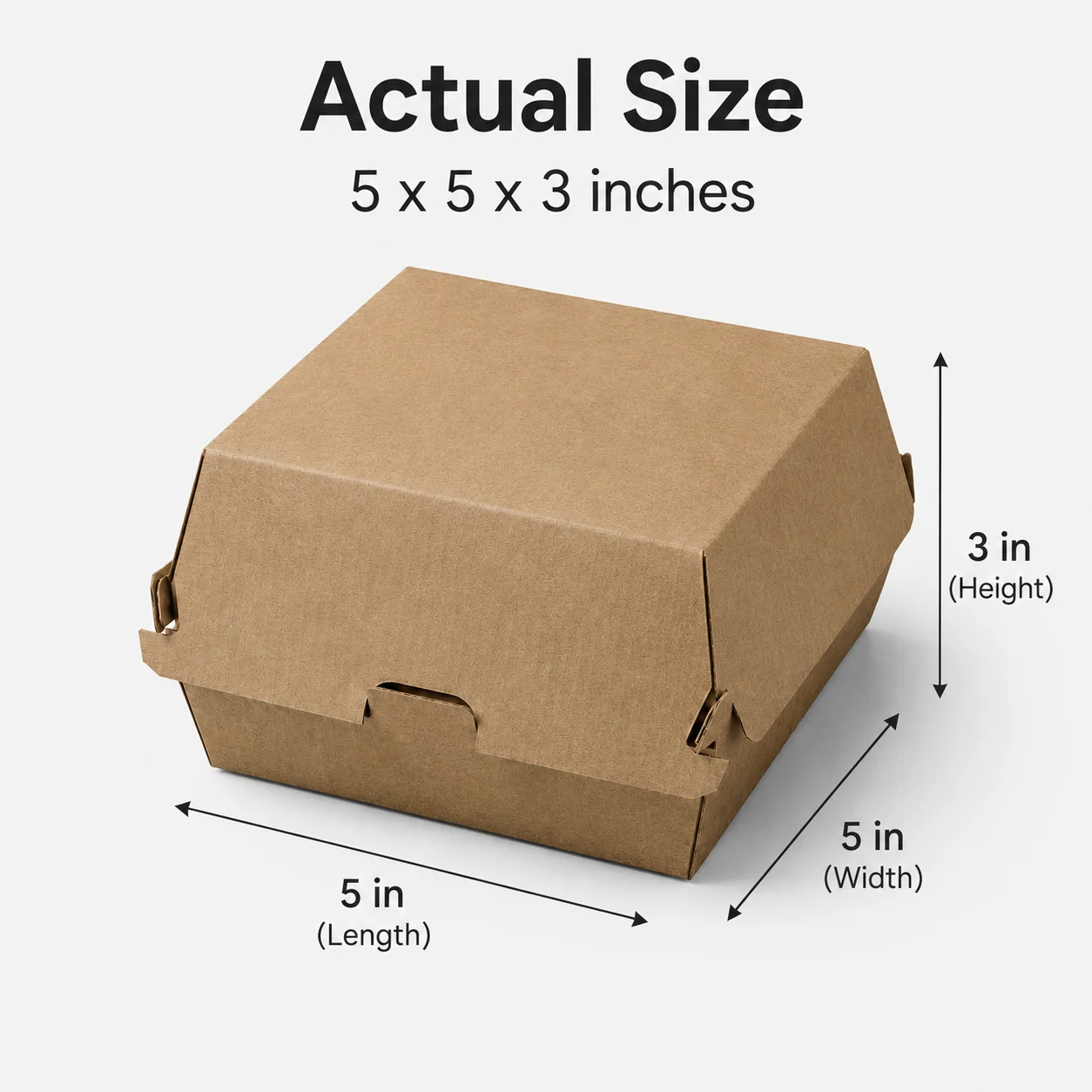
5x5 Inch Brown Kraft Burger Box for Takeaway & Food Delivery
Durable 5x5 inch brown kraft burger box designed for restaurants, cafes, cloud kitchens, and takeaway food packaging.

8x8 Inch Brown Kraft Cake Box for Bakery & Pastry Packaging
Premium 8x8 inch brown kraft cake box designed for bakeries, cafes, cloud kitchens, pastry shops, and dessert packaging.
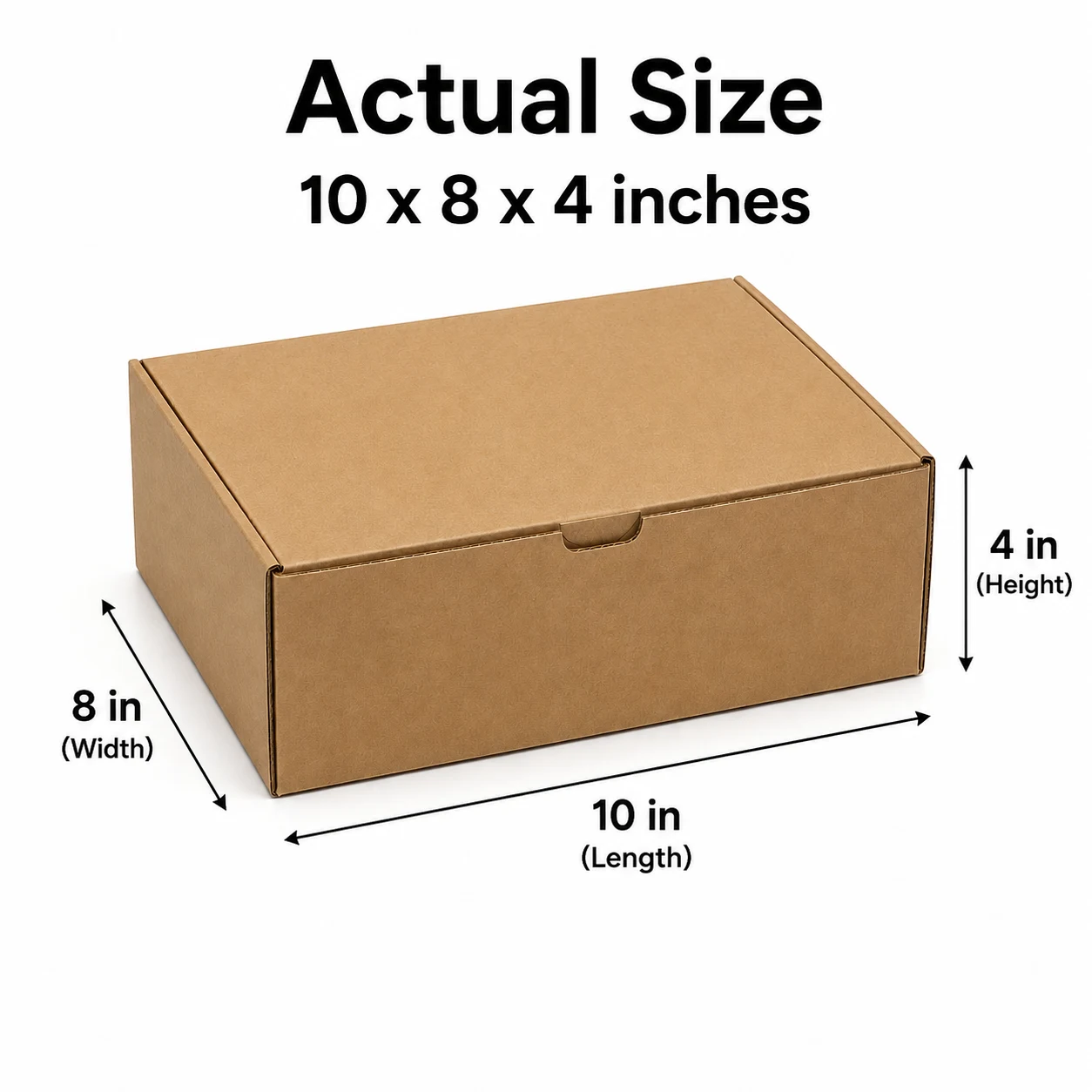
10x8x4 Inch Brown Corrugated Courier Box for E-commerce Shipping
Durable 10x8x4 inch brown corrugated courier box designed for e-commerce shipping, product delivery, storage, and secure packaging.
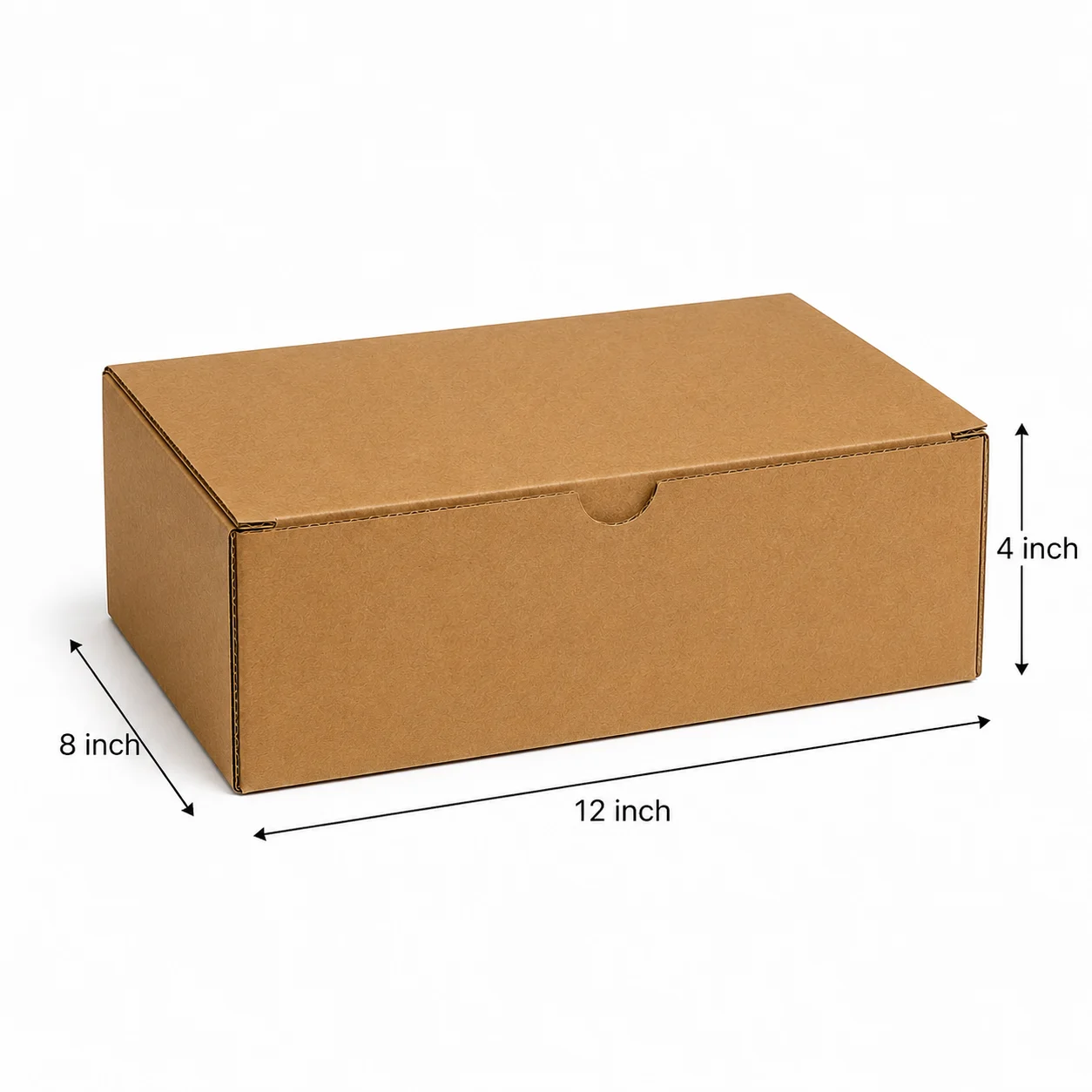
12x8x4 Inch Brown Corrugated 6 Bottle Nail Paint Packaging Box
Durable 12x8x4 inch brown corrugated nail paint box with six internal compartments, designed for cosmetic packaging, storage, gifting, and safe delivery.
Related Buying Guides
Water-Resistant Corrugated Packaging: Options and Limitations
Read guide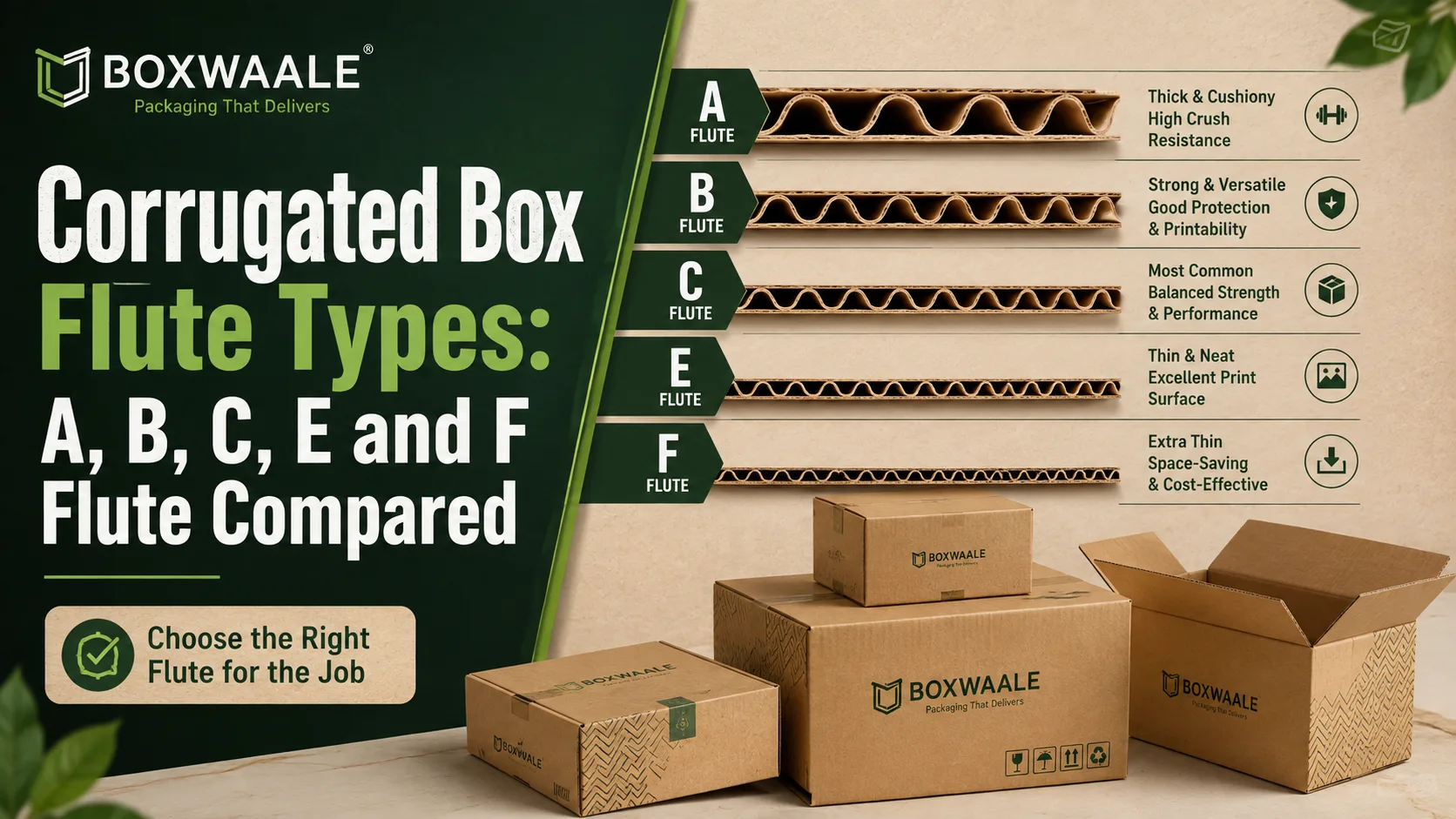
Corrugated Box Flute Types: A, B, C, E and F Flute Compared
Read guide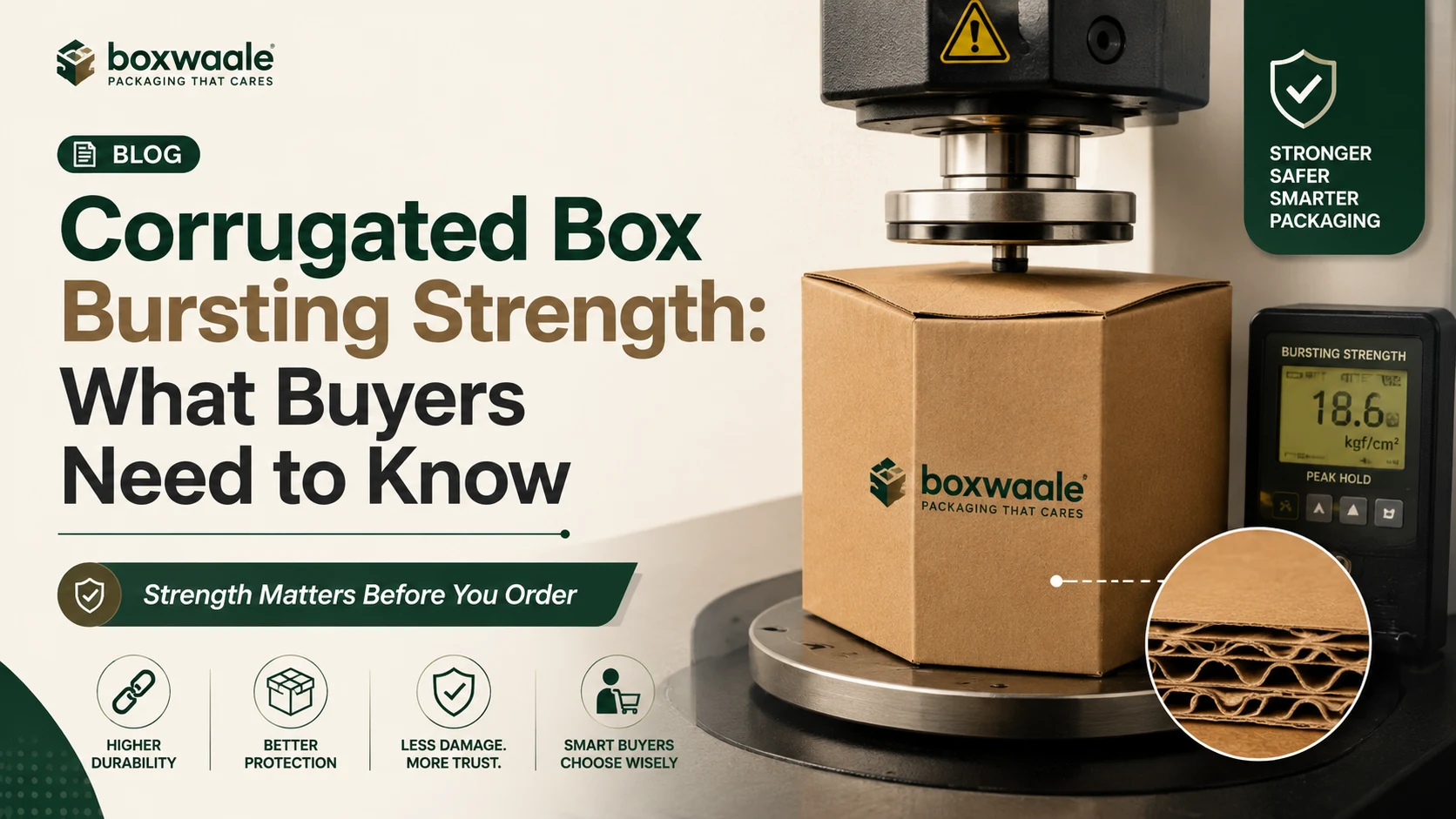
Corrugated Box Bursting Strength: What Buyers Need to Know
Read guide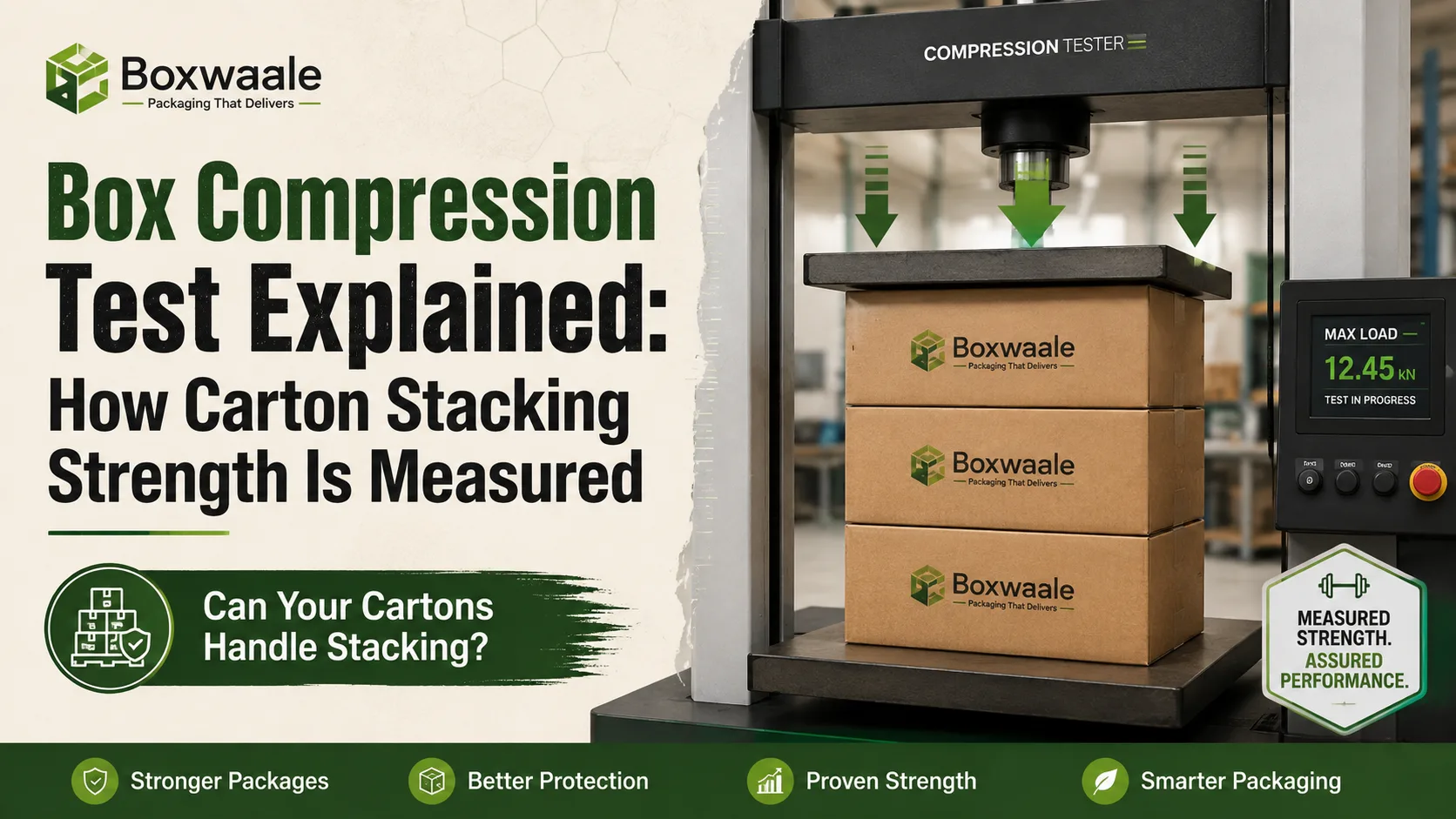
Box Compression Test Explained: How Carton Stacking Strength Is Measured
Read guide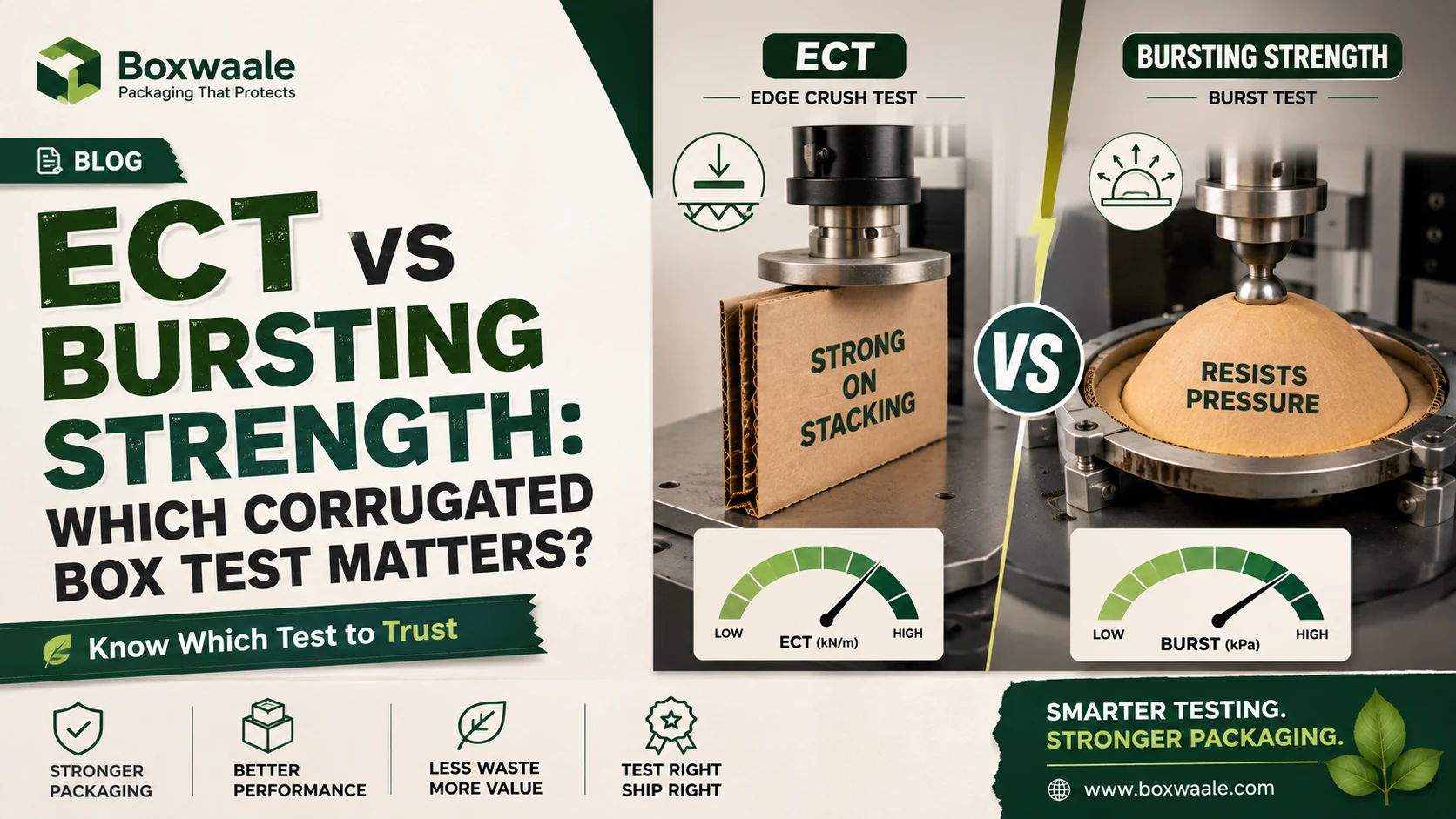
ECT vs Bursting Strength: Which Corrugated Box Test Matters?
Read guide