
Published 2 Aug 2026· Updated 29 Aug 2026
Box Compression Test Explained: How Carton Stacking Strength Is Measured
A plain-language guide to the box compression test (BCT), what it actually measures, and its real-world limitations around stacking time, humidity and handling for warehouse and transit planning.
Key Takeaways
- The box compression test (BCT) measures how much downward force an assembled corrugated box can withstand before it visibly deforms or collapses, simulating stacking pressure.
- BCT is distinct from bursting strength, which measures resistance to a sharp, localized force on a flat piece of board rather than a distributed load on a full box.
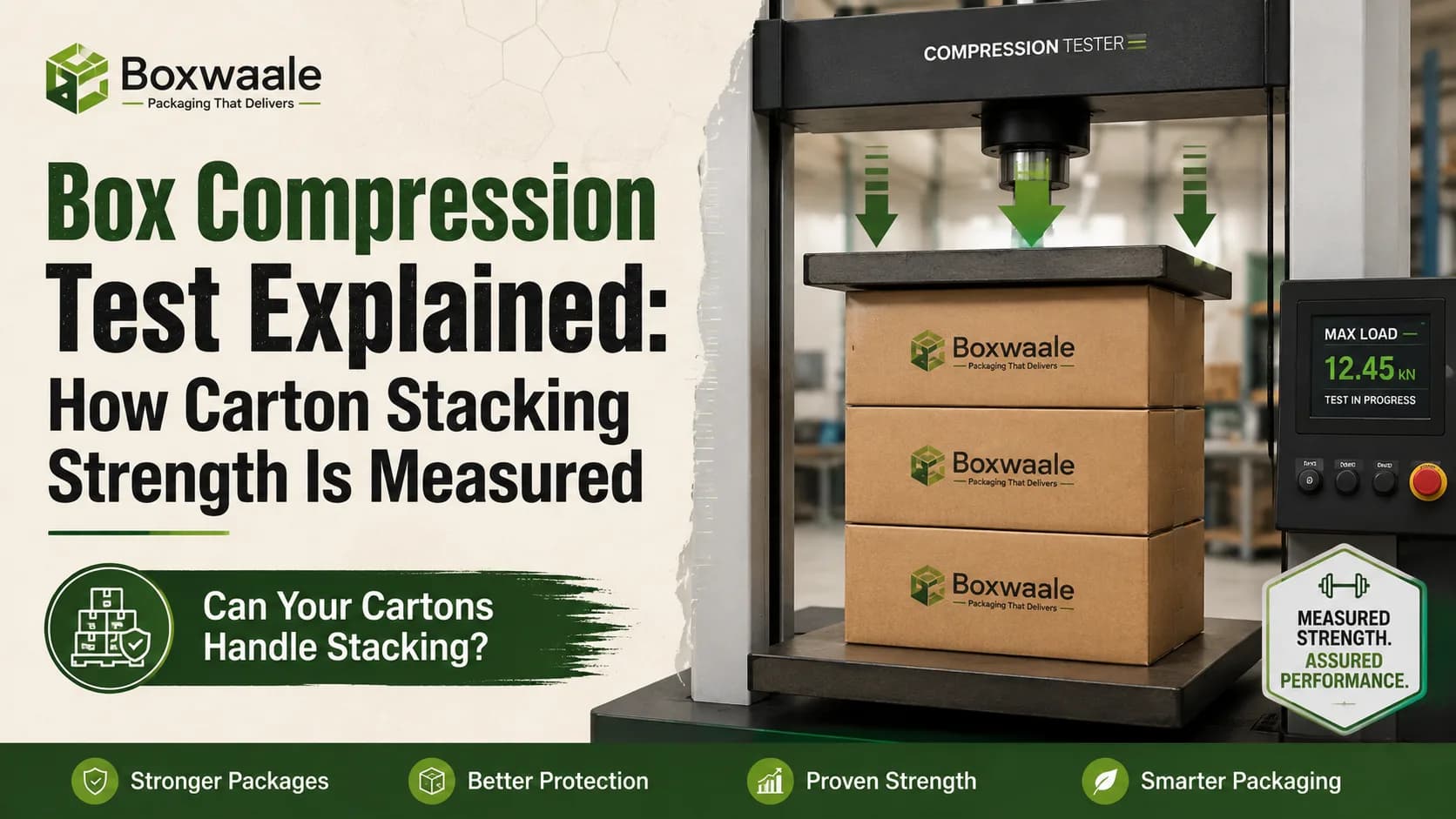
- In a standard test, a box is placed between two plates on a compression machine, and the top plate is lowered at a controlled rate until the box shows a clear structural failure.
- A lab compression test typically runs over minutes, while real warehouse stacking can apply weight for days or weeks, and corrugated board can lose some stacking strength gradually over that time.
- Humidity softens paper fibres, so a box's real-world stacking strength in a humid warehouse can be noticeably lower than its rating from a dry, climate-controlled lab test.
- Box design choices, such as ensuring flaps close correctly, avoiding oversized boxes, and using proper palletising, can improve real-world stacking performance even without changing the board itself.
Box Compression Test Explained: How Carton Stacking Strength Is Measured
Table of Contents
Warehouse managers rarely lose sleep over whether a box can survive a single sharp knock. What actually causes damage claims, more often than not, is the bottom box in a pallet stack slowly giving way under the weight above it. That's the exact scenario the box compression test was designed to approximate.
What Box Compression Strength Means and Why It Matters
Box compression strength describes how much downward force an assembled, empty (or sometimes filled) carton can bear before it visibly deforms or collapses. It is distinct from bursting strength, which measures resistance to a sharp, localized force on a flat piece of board rather than a distributed load on a full box.
For anyone shipping palletised goods, storing stock in a warehouse, or shipping via a network where boxes get stacked in transit, compression strength is usually a more relevant number than burst strength, because it speaks directly to the failure mode that actually causes crushed goods — boxes buckling under stacked weight.
How the Compression Test (BCT) Actually Works
In a standard compression test, an assembled box — sometimes empty, sometimes loaded with product or a filler to simulate real use — is placed between two rigid plates on a compression testing machine. The top plate is lowered at a controlled, steady rate while the machine records the force being applied. The test continues until the box shows a clear structural failure point, and that peak force is recorded as the box's compression strength.
Several design elements influence the result independently of the board grade used, including:
- Box height, length and width, and how they relate to the corrugated flute direction
- How well the flaps close and whether they meet at the centre or overlap
- The number of plies used in construction — boxes built with heavier constructions such as 5-ply corrugated boxes generally test higher under compression than lighter single-wall equivalents, though the exact figure depends on the specific board and box design
- Whether the box has any cut-outs, perforations or handles that interrupt the panel
Stacking Time, Humidity and Other Real-World Factors BCT Doesn't Capture
A lab compression test is typically run over a matter of minutes, applying force at a controlled rate until failure. Real-world stacking is nothing like that — boxes at the bottom of a pallet might carry that same weight for days or weeks at a stretch. Corrugated board, being a paper-fibre structure, doesn't necessarily hold its peak strength indefinitely under sustained load; it can weaken gradually over time in ways a short test doesn't fully capture.
Humidity compounds this. Paper fibres absorb moisture from the surrounding air, and increased moisture generally softens and weakens the board's structure. A box tested and rated in a dry, climate-controlled lab may behave differently in a humid warehouse or during monsoon-season transit — something worth factoring in if your storage or shipping conditions are variable.
Handling adds a further variable: forklifts, uneven pallet stacking, boxes stored on their side instead of upright, and repeated loading/unloading all introduce stresses that a single compression test doesn't simulate. Treat a BCT figure as a useful comparative benchmark between box designs, not a guaranteed real-world stacking duration or weight limit.
Applying BCT Thinking to Everyday Packaging Decisions
Even without running a formal lab test, buyers can apply BCT principles to everyday decisions. A few practical habits:
- Match box height to actual stacking needs — taller, narrower boxes generally compress more easily than shorter, squarer ones carrying the same weight
- Avoid over-sized boxes with excess empty space, since unsupported void space reduces effective compression strength
- Consider ply and flute upgrades for the bottom layer of a pallet if goods are stored for extended periods
- Store and ship in conditions that avoid prolonged high humidity where practical
These adjustments won't replace a lab test, but they reflect the same underlying logic the test is built around, and they're usually the most cost-effective way to reduce stacking-related damage.
Reading a Compression Figure Alongside Your Own Stacking Plan
If a supplier does provide a compression figure for a box design, it is worth asking under what conditions it was measured — empty or loaded, at what temperature and humidity, and over what duration. A figure generated in a short, dry, controlled lab test is a useful comparative benchmark between two box designs, but it should not be read as a guaranteed number of days a bottom-layer box can hold up under a specific stacked weight in your actual warehouse. Being explicit about your own stacking height, pallet pattern and typical storage duration when discussing compression strength with a supplier tends to produce a far more useful recommendation than requesting a number in isolation.
How Boxwaale Helps
Boxwaale advises clients on ply, flute and box design choices with real stacking conditions in mind — not just a lab figure. If your goods sit on a pallet for extended periods or travel through humid conditions on the way to their destination, our team can suggest a board and design combination built around that specific stacking scenario rather than a generic recommendation.
Frequently Asked Questions
Related Packaging Guide
Planning a packaging order?
Turn this guidance into a box specification
Share the product dimensions, packed weight, quantity, printing requirement and delivery postcode. Boxwaale will help narrow down the appropriate size, ply and board specification before quoting.
Frequently Asked Questions
Related Products
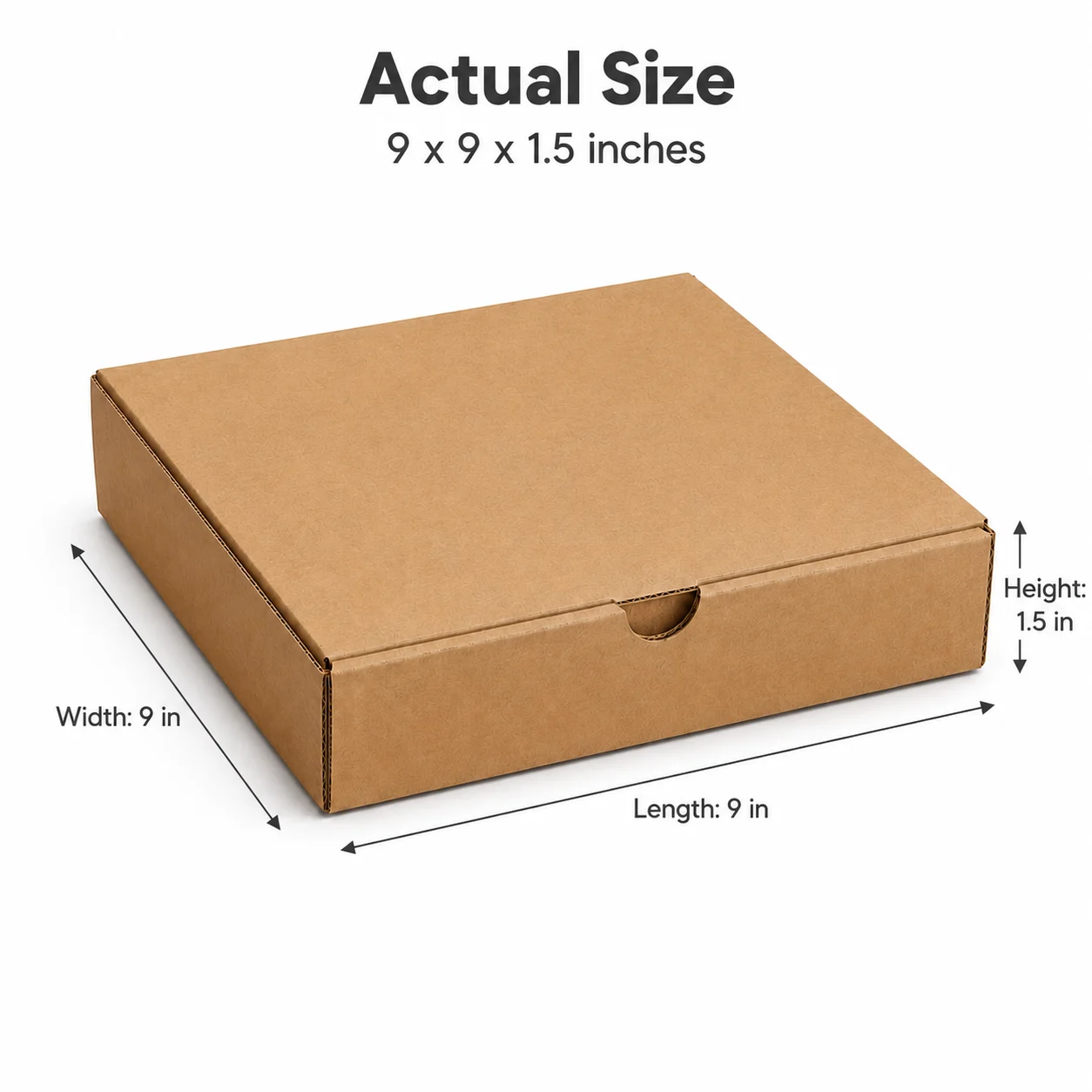
9x9 Inch Brown Corrugated Pizza Box for Food Delivery
Durable 9x9 inch brown corrugated pizza box designed for restaurants, cafes, cloud kitchens, and food delivery businesses.
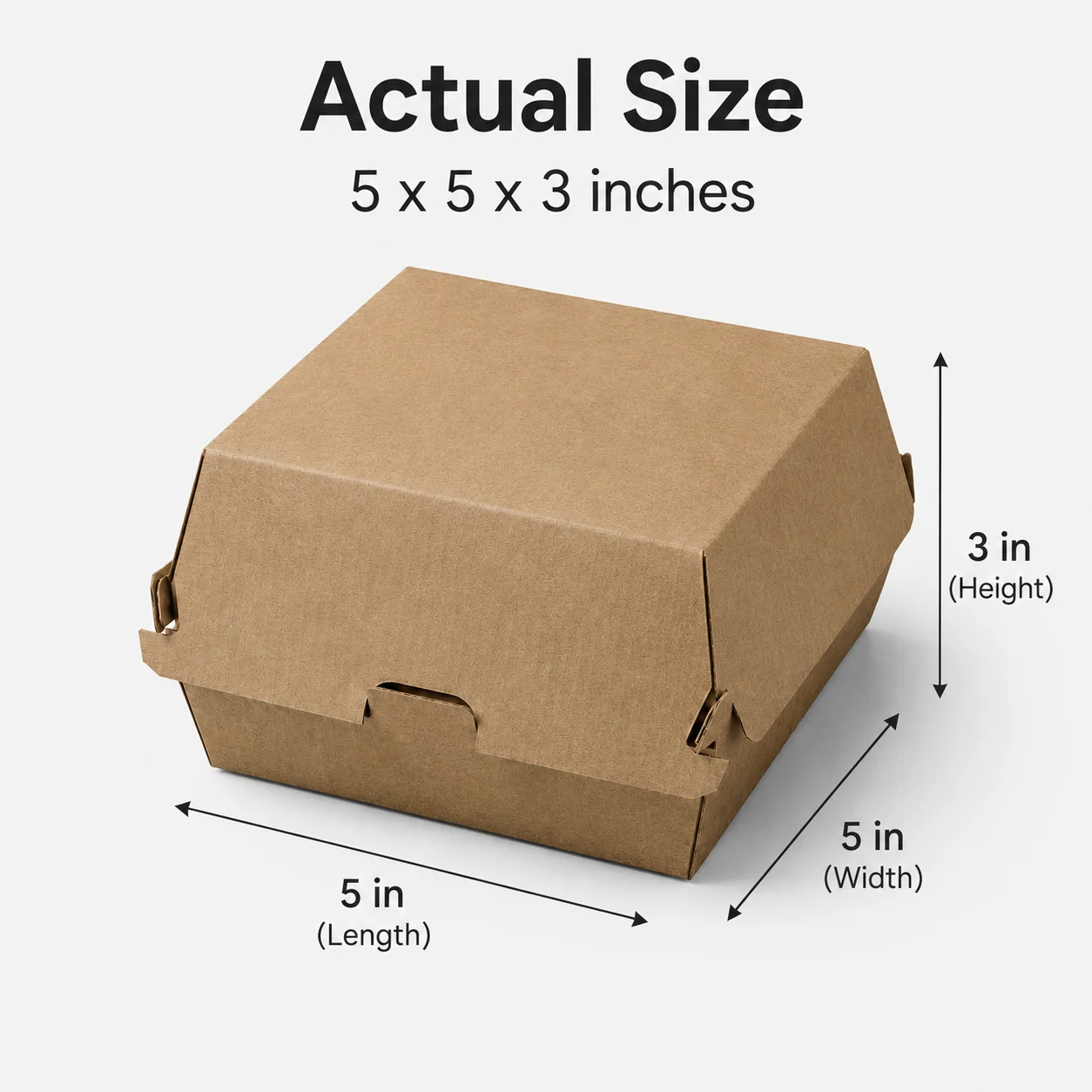
5x5 Inch Brown Kraft Burger Box for Takeaway & Food Delivery
Durable 5x5 inch brown kraft burger box designed for restaurants, cafes, cloud kitchens, and takeaway food packaging.

8x8 Inch Brown Kraft Cake Box for Bakery & Pastry Packaging
Premium 8x8 inch brown kraft cake box designed for bakeries, cafes, cloud kitchens, pastry shops, and dessert packaging.
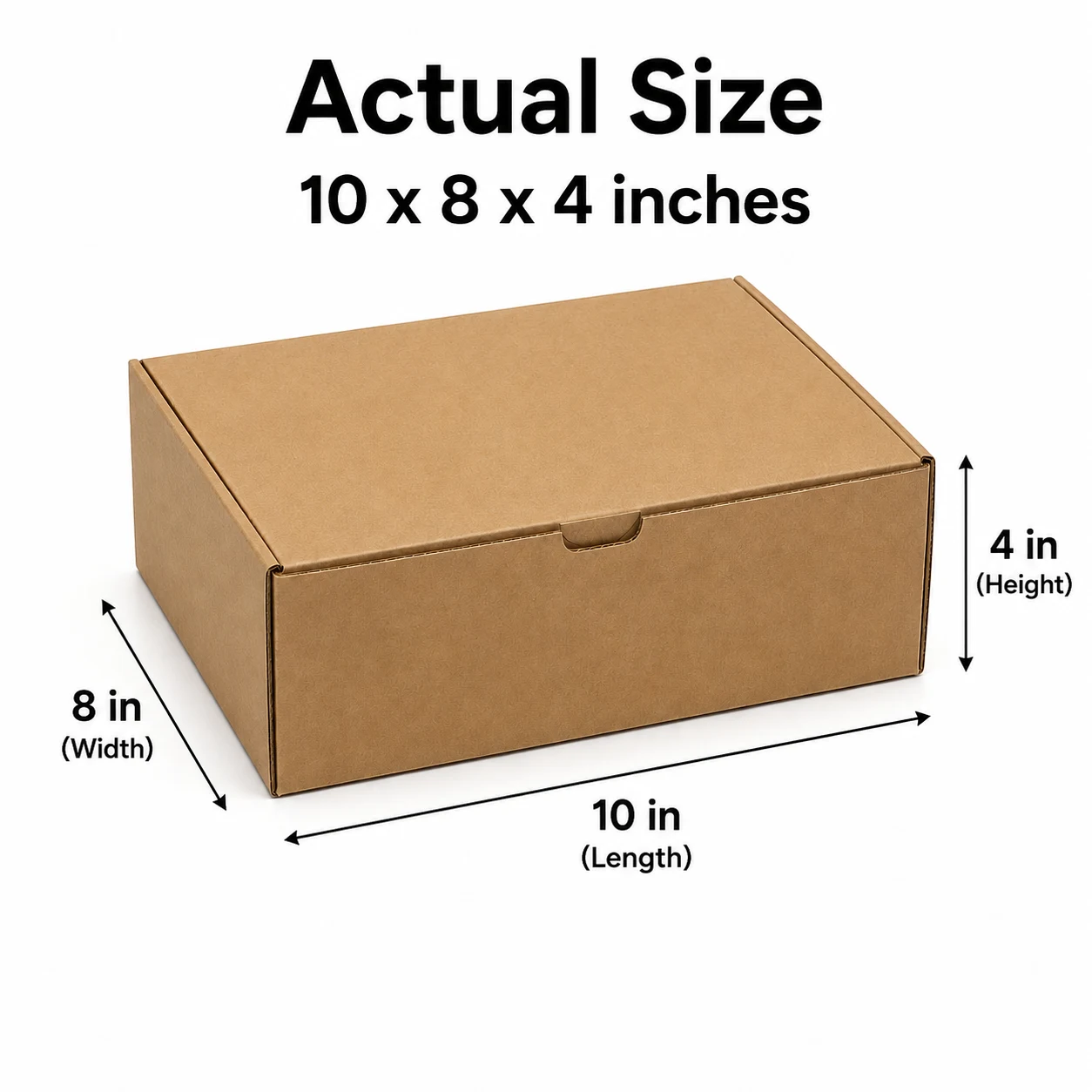
10x8x4 Inch Brown Corrugated Courier Box for E-commerce Shipping
Durable 10x8x4 inch brown corrugated courier box designed for e-commerce shipping, product delivery, storage, and secure packaging.
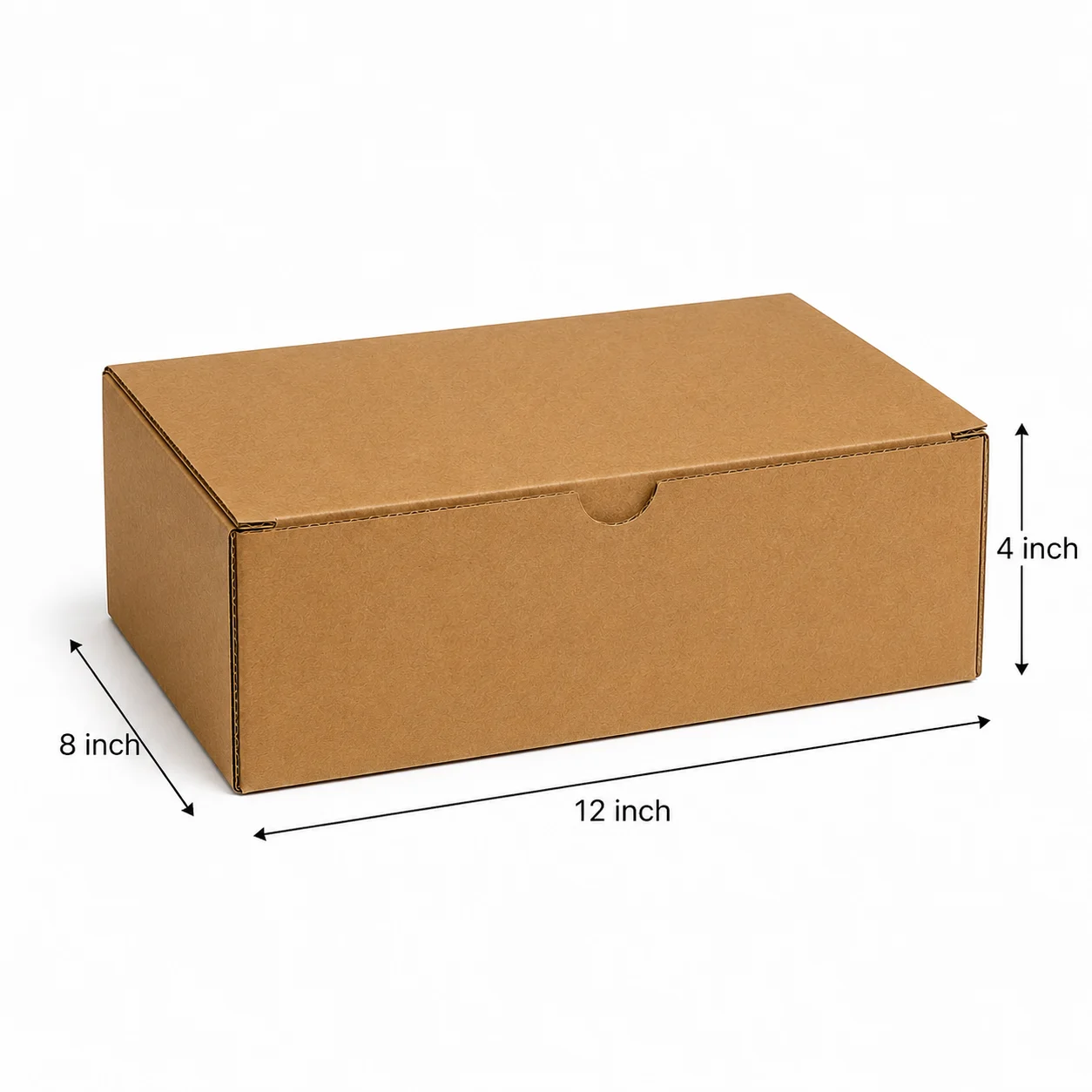
12x8x4 Inch Brown Corrugated 6 Bottle Nail Paint Packaging Box
Durable 12x8x4 inch brown corrugated nail paint box with six internal compartments, designed for cosmetic packaging, storage, gifting, and safe delivery.
Related Buying Guides
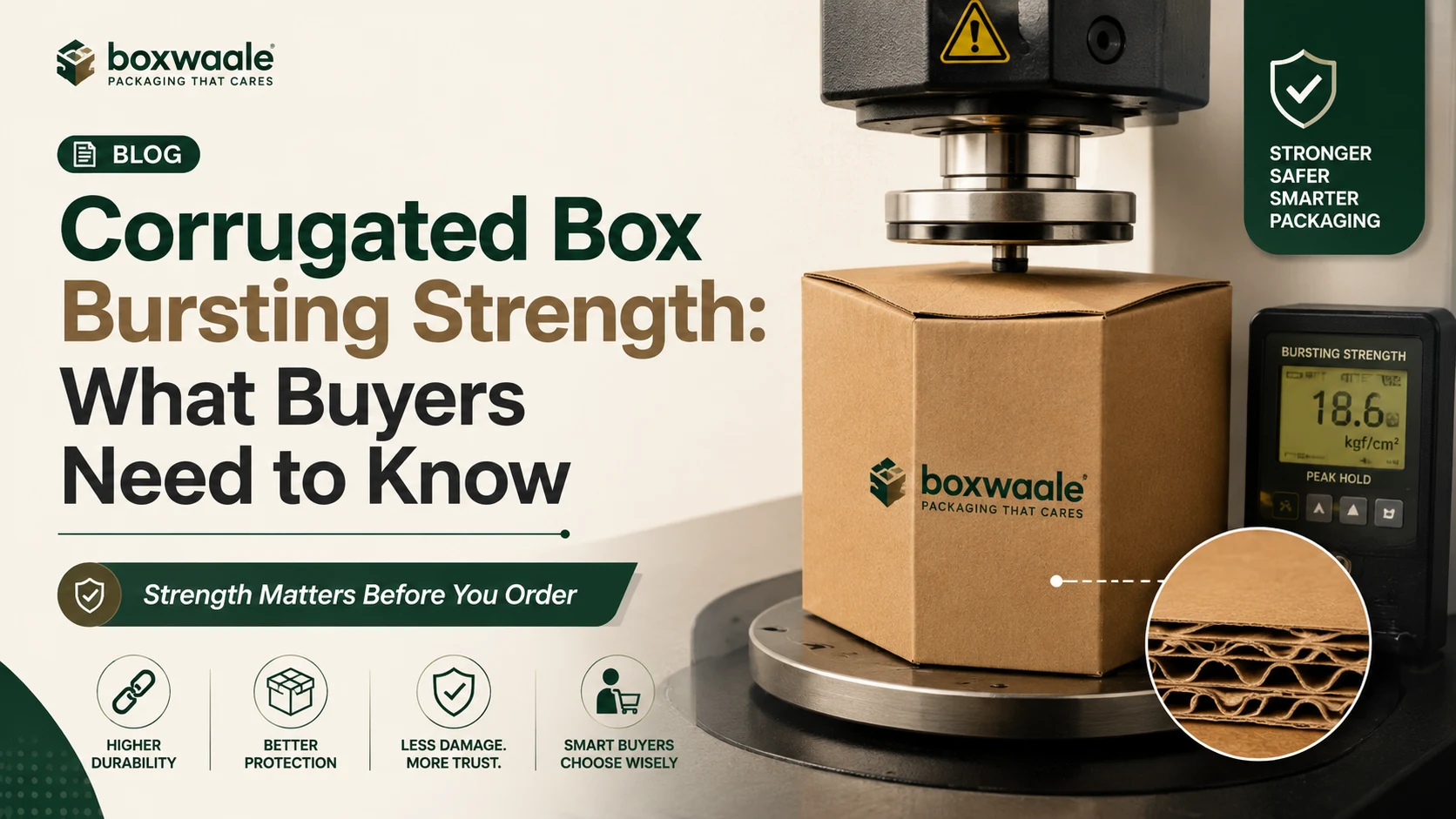
Corrugated Box Bursting Strength: What Buyers Need to Know
Read guide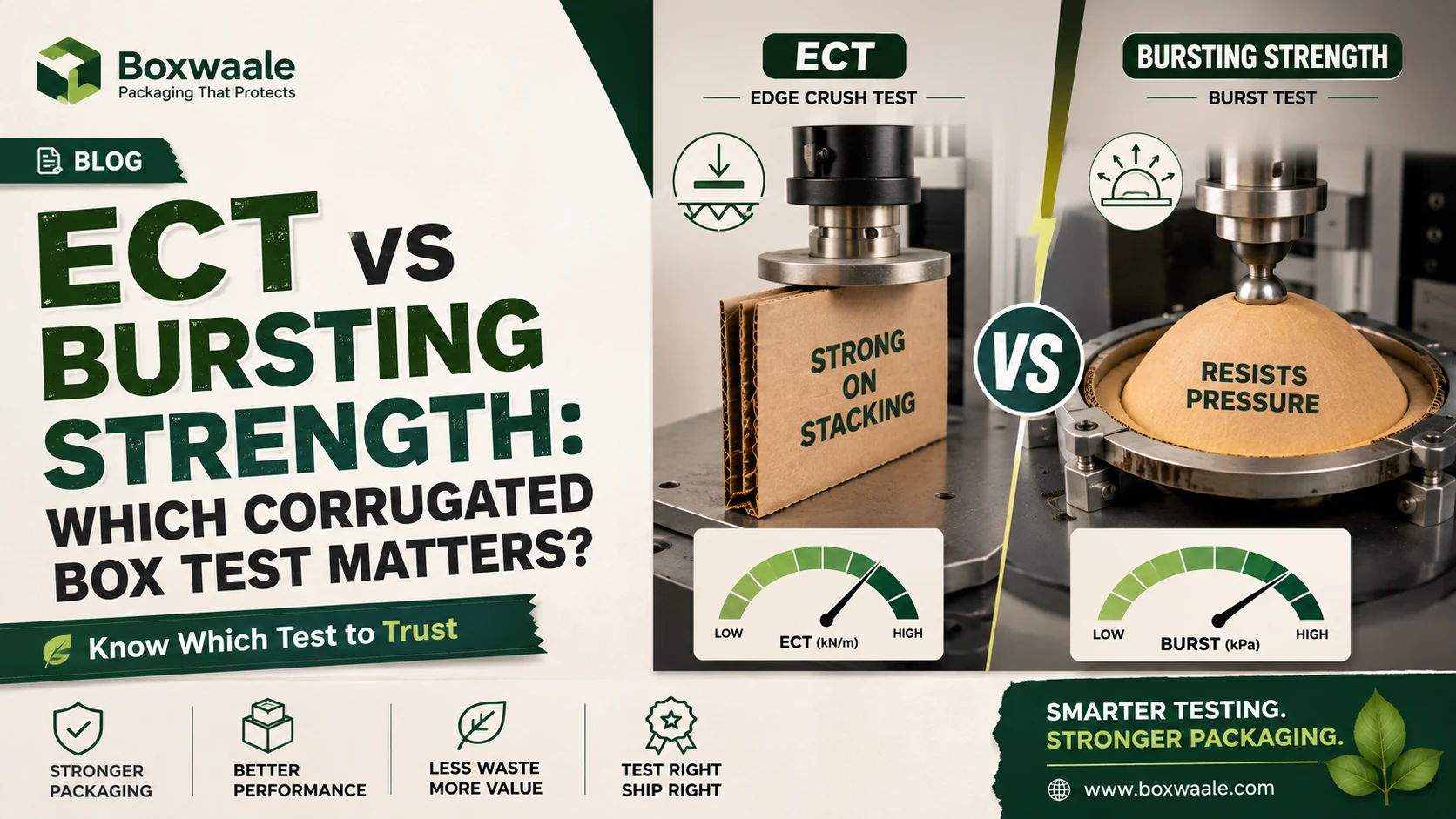
ECT vs Bursting Strength: Which Corrugated Box Test Matters?
Read guide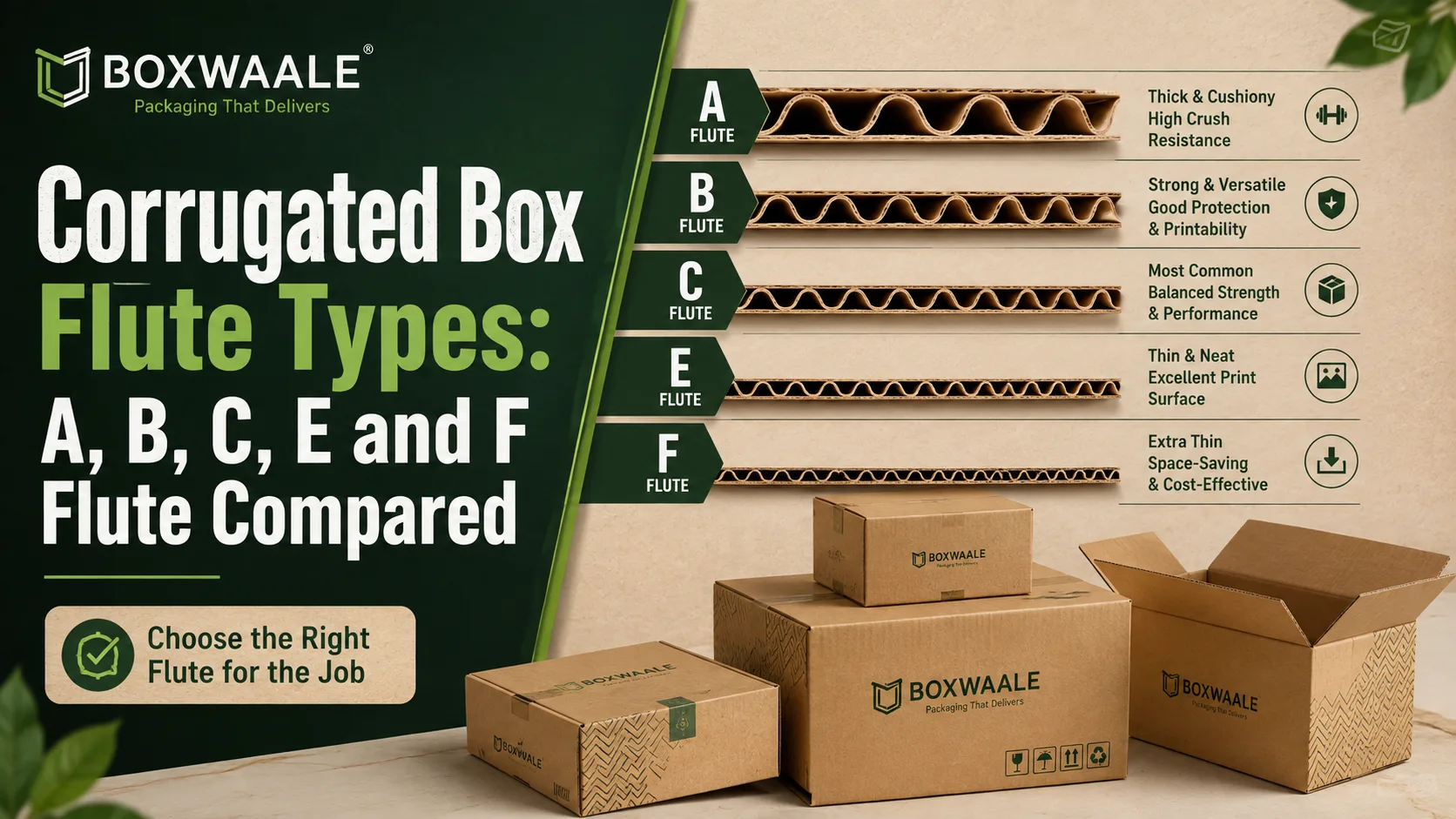
Corrugated Box Flute Types: A, B, C, E and F Flute Compared
Read guide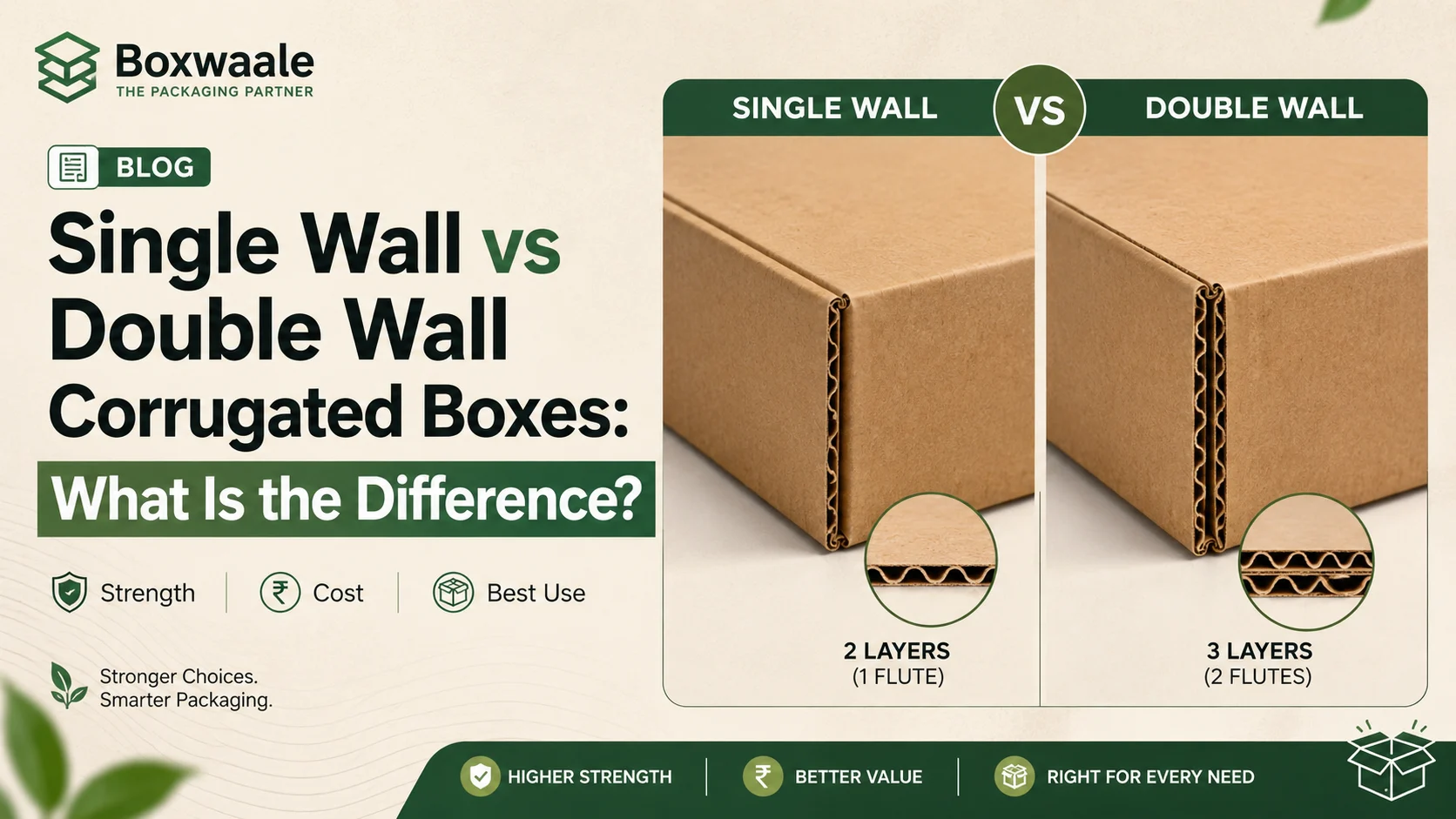
Single Wall vs Double Wall Corrugated Boxes: What Is the Difference?
Read guide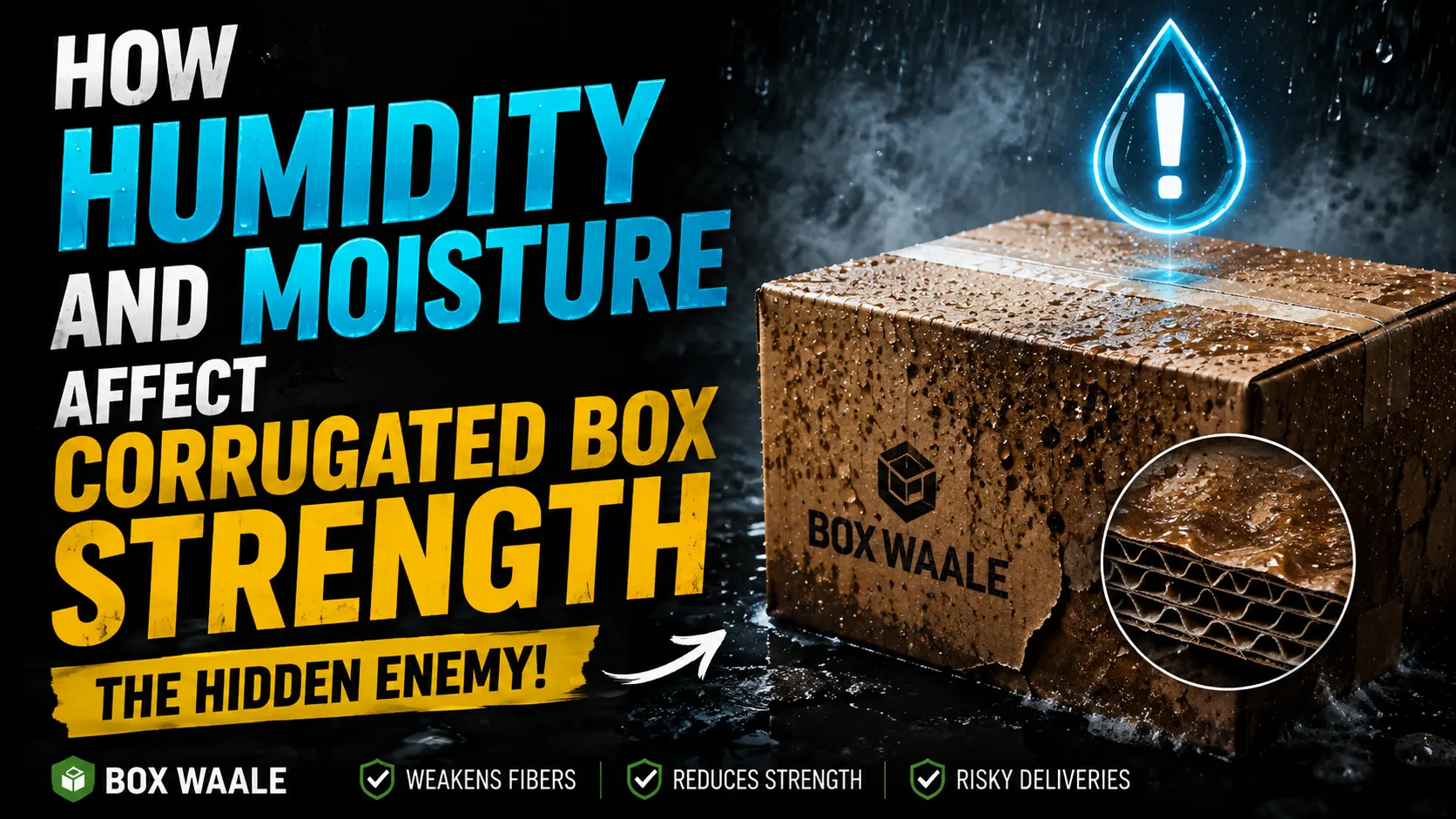
How Humidity and Moisture Affect Corrugated Box Strength
Read guide