
Published 2 Aug 2026· Updated 29 Aug 2026
Single Wall vs Double Wall Corrugated Boxes: What Is the Difference?
A comparison of single wall and double wall corrugated boxes, how they relate to common 3-ply and 5-ply constructions, and a practical framework for choosing between them based on product weight and transit.
Key Takeaways
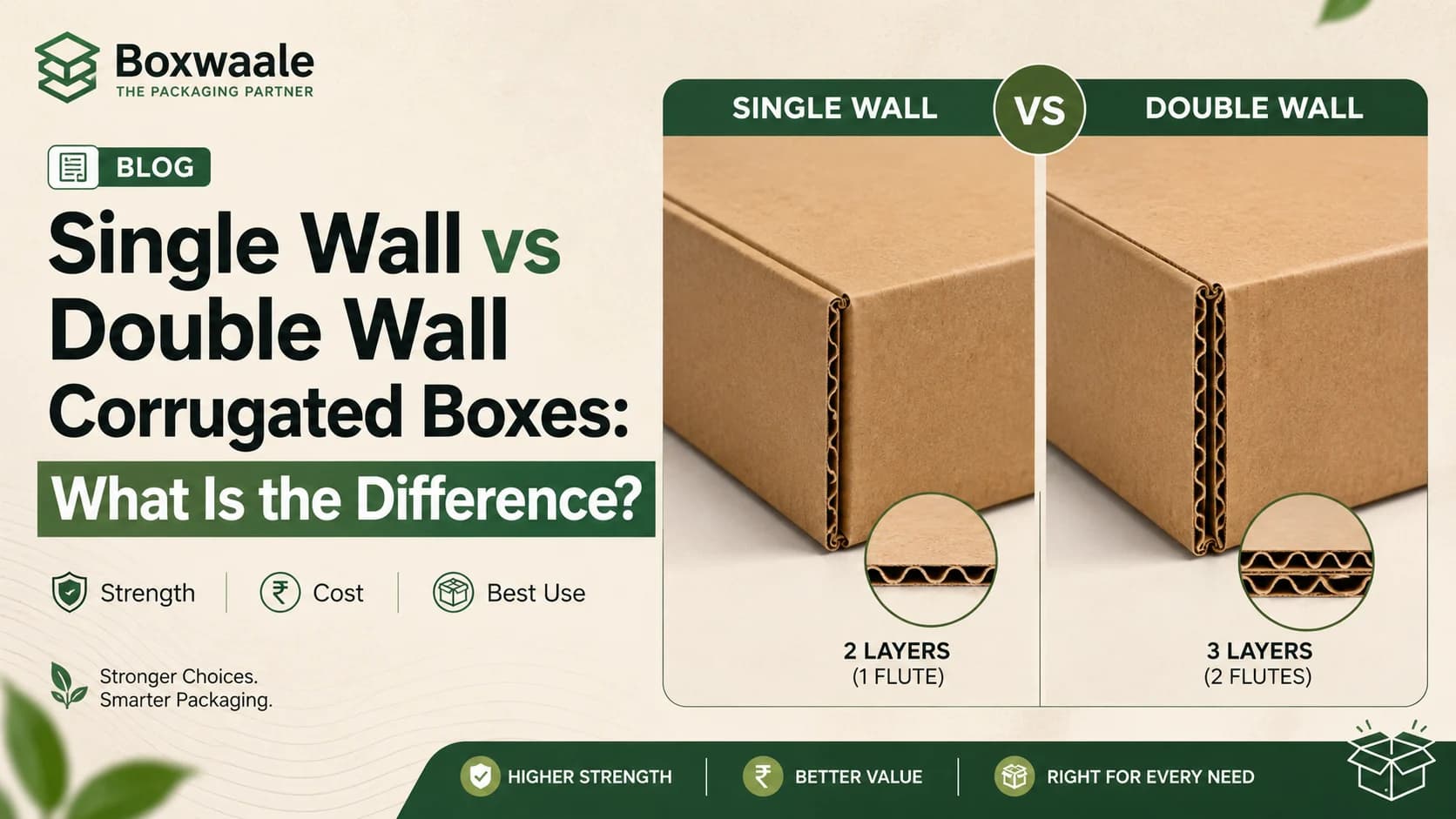
- Single wall corrugated board has one fluted layer between two flat liners, while double wall board adds a second fluted layer and a third liner for extra thickness.
- A standard 3-ply corrugated box, made of two liners plus one flute layer, is typically single wall construction, though exact layer counts can vary between manufacturers.
- A 5-ply board, made of three liners plus two flute layers, is generally what is meant by double wall construction.
- Double wall board generally offers higher stacking strength and cushioning than single wall, making it a common choice for heavier products, longer transit routes or extended warehouse stacking.
- Double wall board costs more, weighs more and takes up more volume than single wall, so it is not automatically the safer or better choice for every product.
- Terminology for ply and wall construction is not perfectly standardized across manufacturers, so confirming the actual liner and flute count in writing helps avoid ordering the wrong construction.
Single Wall vs Double Wall Corrugated Boxes: What Is the Difference?
Table of Contents
Somewhere between "how many layers does this box need" and "what will it actually cost," most buyers end up comparing single wall and double wall corrugated board. The terms sound self-explanatory, but the way they map to ply count and real-world performance trips up a lot of first-time buyers. Here's a straightforward breakdown.
What Single Wall and Double Wall Corrugated Boxes Are
Corrugated board is built by gluing flat paper liners to a fluted (wavy) middle layer. A single wall board has exactly one fluted layer sandwiched between two flat liners — one outer, one inner. A double wall board adds a second fluted layer and a third liner, so the structure runs liner-flute-liner-flute-liner. The extra flute layer is what gives double wall board its added thickness and, generally, its higher resistance to crushing and stacking pressure.
Triple wall board exists too, adding a further liner and flute layer again, but it's reserved for genuinely heavy-duty industrial applications and is far less common in everyday commercial packaging than single or double wall.
Why the Terminology Sometimes Gets Mixed Up
Because "single wall," "double wall," "3-ply" and "5-ply" are often used interchangeably in casual conversation, buyers occasionally end up ordering the wrong construction simply due to a terminology mismatch with a supplier. This is easy to avoid by confirming the actual liner and flute count in writing, rather than relying on either label alone, particularly if you are working with a new supplier for the first time or moving a design between two different manufacturers.
Single Wall Boxes and the Common 3-Ply Construction
In everyday supplier terminology, a single wall board is usually what's being described when someone says "3-ply" — two flat liners plus one flute layer, three layers in total. This is the most widely used construction for general shipping cartons, retail boxes, and everyday packaging where the product isn't unusually heavy or fragile.
Single wall board strikes a reasonable balance between cost, weight and protection for a large share of everyday shipping needs. Because it uses less material than a multi-wall board, it's typically lighter (which can matter for courier costs calculated by volumetric weight) and less expensive per box. You can see the range of common single wall options under our 3-ply corrugated boxes category.
It's worth noting that terminology isn't perfectly universal across every manufacturer — some may count layers or describe "ply" slightly differently — so when in doubt, ask your supplier to confirm the actual liner and flute count rather than relying on the label alone.
Double Wall Boxes and the Common 5-Ply Construction
Double wall board is generally what's meant by "5-ply" construction — three liners and two flute layers, five layers total. The additional flute layer adds real thickness and generally improves stacking and crush resistance compared to a single wall board of similar paper quality, which is why double wall is a common upgrade path for heavier products or more demanding transit conditions.
Typical situations where double wall gets chosen over single wall include:
- Heavier products where the box needs to resist more sustained load without buckling
- Export or long-distance shipments involving multiple handling points
- Extended warehouse storage where boxes are stacked for long periods
- Products that benefit from additional cushioning against impact during transit
The trade-off is straightforward: double wall board costs more per box, weighs more, and takes up more storage and shipping volume than an equivalent single wall box. It's a genuine upgrade, not a default choice for every product.
Choosing Between Single Wall and Double Wall
The right choice comes down to matching construction to actual risk and cost tolerance, not defaulting to "thicker is always safer."
| Factor | Single wall (3-ply) | Double wall (5-ply) |
|---|---|---|
| Typical use | General shipping, retail, lighter goods | Heavier goods, long transit, extended stacking |
| Cost per box | Lower | Higher |
| Weight and bulk | Lighter, more compact | Heavier, bulkier |
| Cushioning/stacking | Adequate for moderate loads | Generally higher, suited to heavier stacking |
| Best fit | Most D2C, retail and everyday shipping | Industrial goods, export, fragile heavy items |
When in doubt, it's more useful to describe your product's weight, fragility and shipping route to your manufacturer than to pick a ply count off a chart, since the same product can sometimes ship safely in single wall with a good box design, or genuinely need double wall depending on the specifics of its journey.
A Practical Way to Decide
If you are still unsure which construction fits your product, a reasonable starting exercise is to write down your product's weight, how fragile it is, how many times it is likely to be handled between production and the end customer, and how long it typically sits in storage before being shipped or sold. Products that are light, robust, handled briefly and shipped quickly usually do fine in single wall board. Products that are heavier, more fragile, handled multiple times, or stored for extended periods lean toward double wall being the safer default. Most real products sit somewhere in between, which is exactly why a conversation with your packaging supplier, rather than a fixed rule of thumb, tends to produce the better outcome.
How Boxwaale Helps
Boxwaale manufactures both single wall and double wall corrugated boxes and can help you work out which construction actually fits your product's weight and transit route rather than defaulting to the heavier, costlier option out of caution. If you're currently overpaying for double wall on a product that doesn't need it — or under-protecting one that does — our team can review your current box and suggest an adjustment.
Frequently Asked Questions
Related Packaging Guide
Planning a packaging order?
Turn this guidance into a box specification
Share the product dimensions, packed weight, quantity, printing requirement and delivery postcode. Boxwaale will help narrow down the appropriate size, ply and board specification before quoting.
Frequently Asked Questions
Related Products
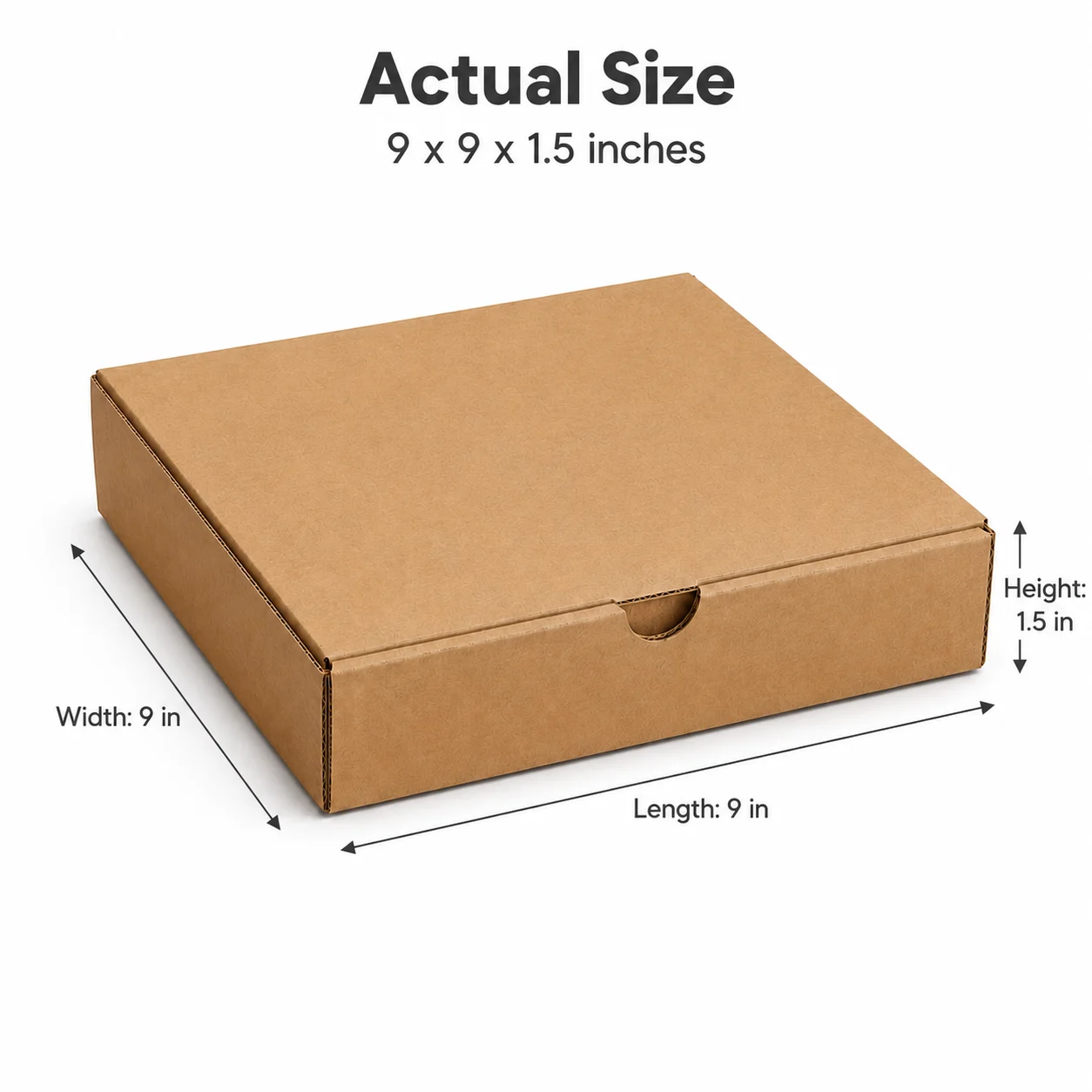
9x9 Inch Brown Corrugated Pizza Box for Food Delivery
Durable 9x9 inch brown corrugated pizza box designed for restaurants, cafes, cloud kitchens, and food delivery businesses.
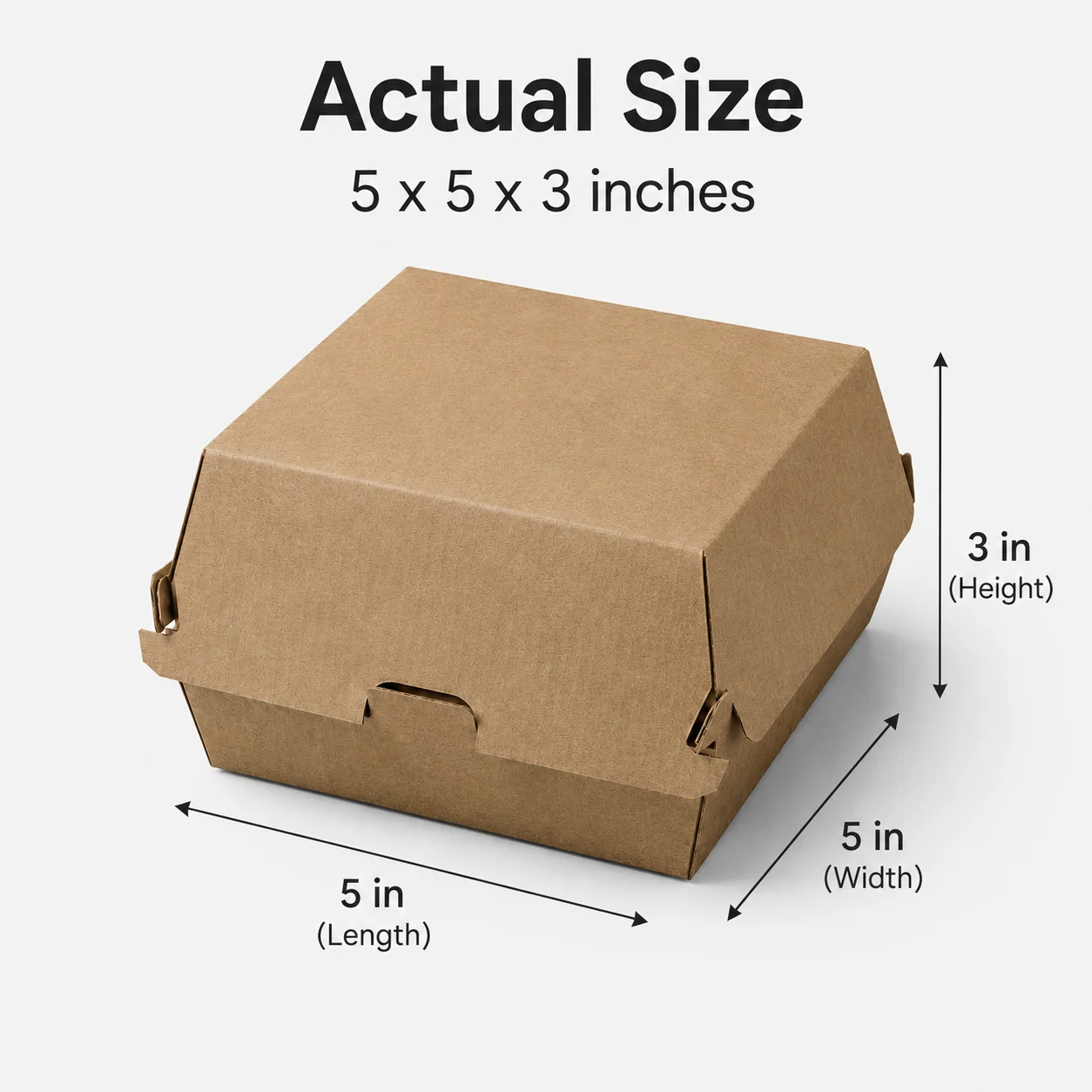
5x5 Inch Brown Kraft Burger Box for Takeaway & Food Delivery
Durable 5x5 inch brown kraft burger box designed for restaurants, cafes, cloud kitchens, and takeaway food packaging.

8x8 Inch Brown Kraft Cake Box for Bakery & Pastry Packaging
Premium 8x8 inch brown kraft cake box designed for bakeries, cafes, cloud kitchens, pastry shops, and dessert packaging.
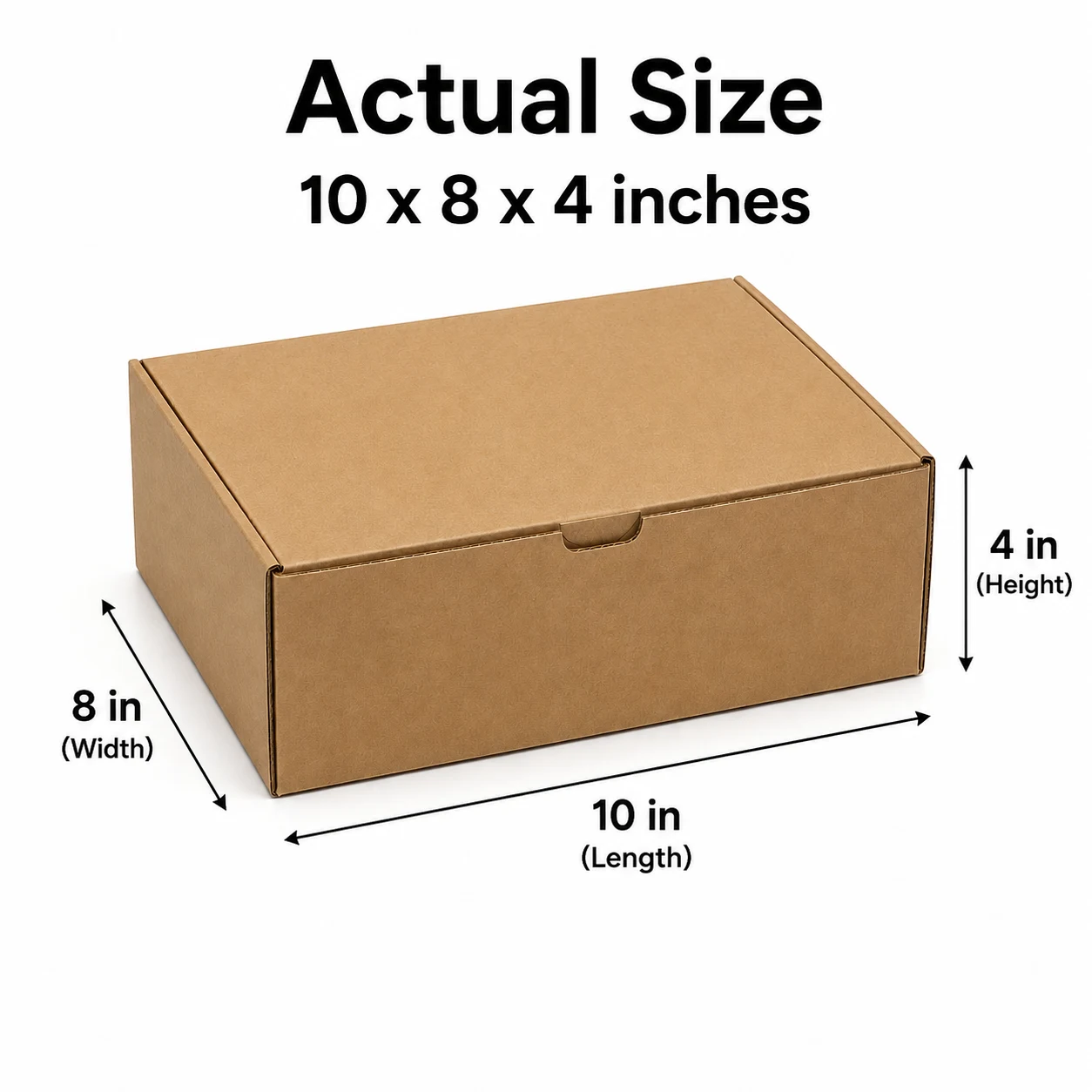
10x8x4 Inch Brown Corrugated Courier Box for E-commerce Shipping
Durable 10x8x4 inch brown corrugated courier box designed for e-commerce shipping, product delivery, storage, and secure packaging.
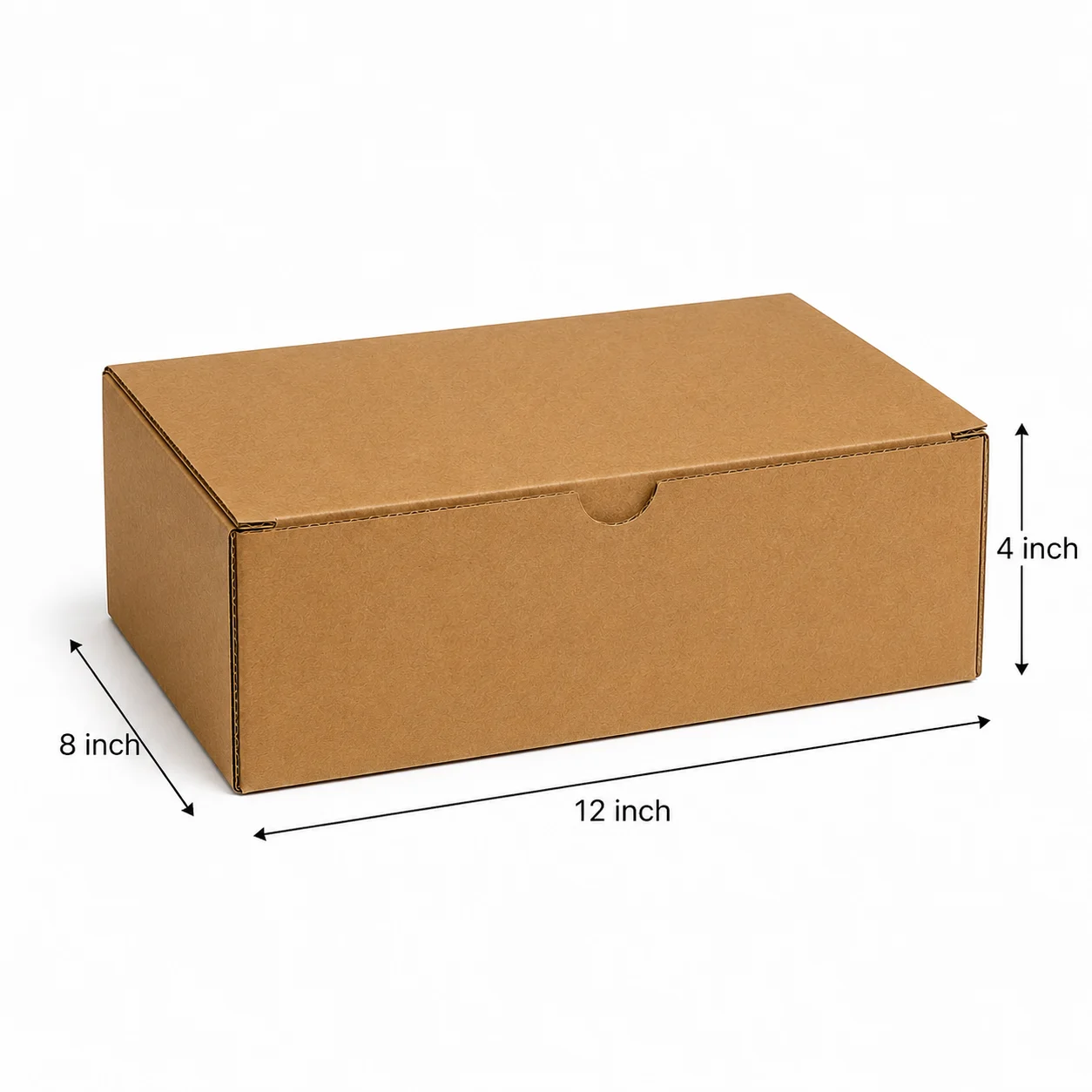
12x8x4 Inch Brown Corrugated 6 Bottle Nail Paint Packaging Box
Durable 12x8x4 inch brown corrugated nail paint box with six internal compartments, designed for cosmetic packaging, storage, gifting, and safe delivery.
Related Buying Guides
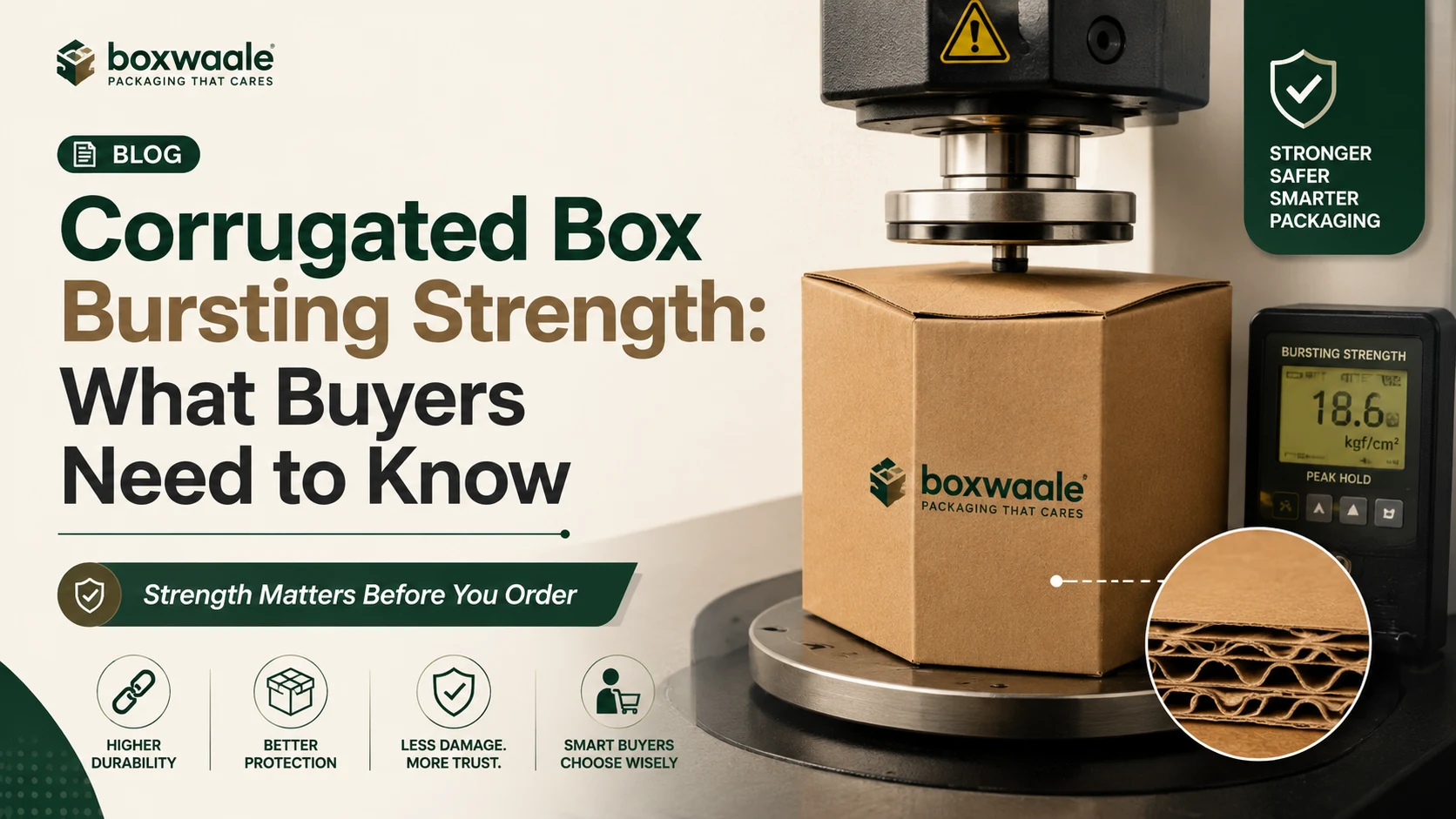
Corrugated Box Bursting Strength: What Buyers Need to Know
Read guide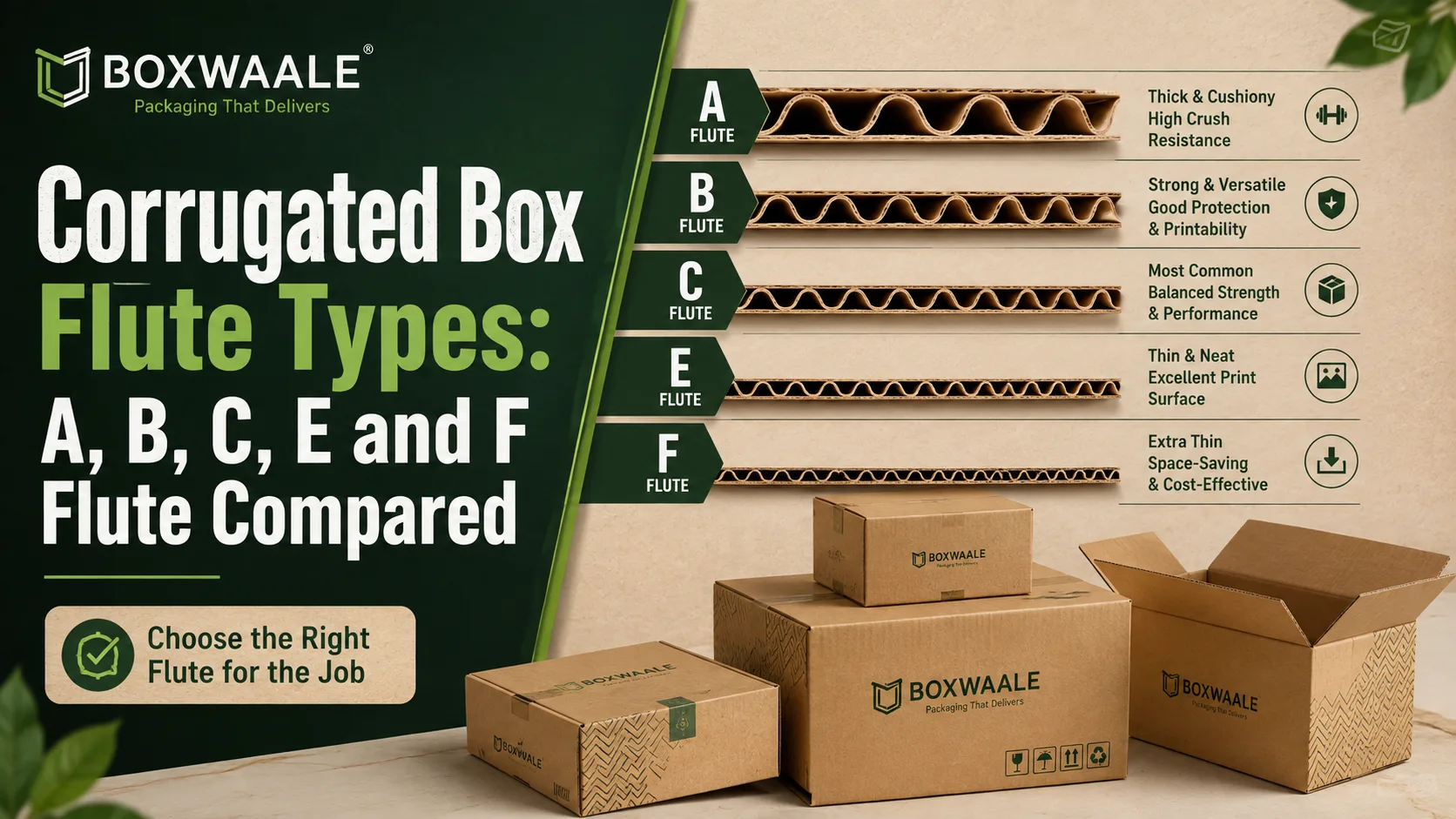
Corrugated Box Flute Types: A, B, C, E and F Flute Compared
Read guide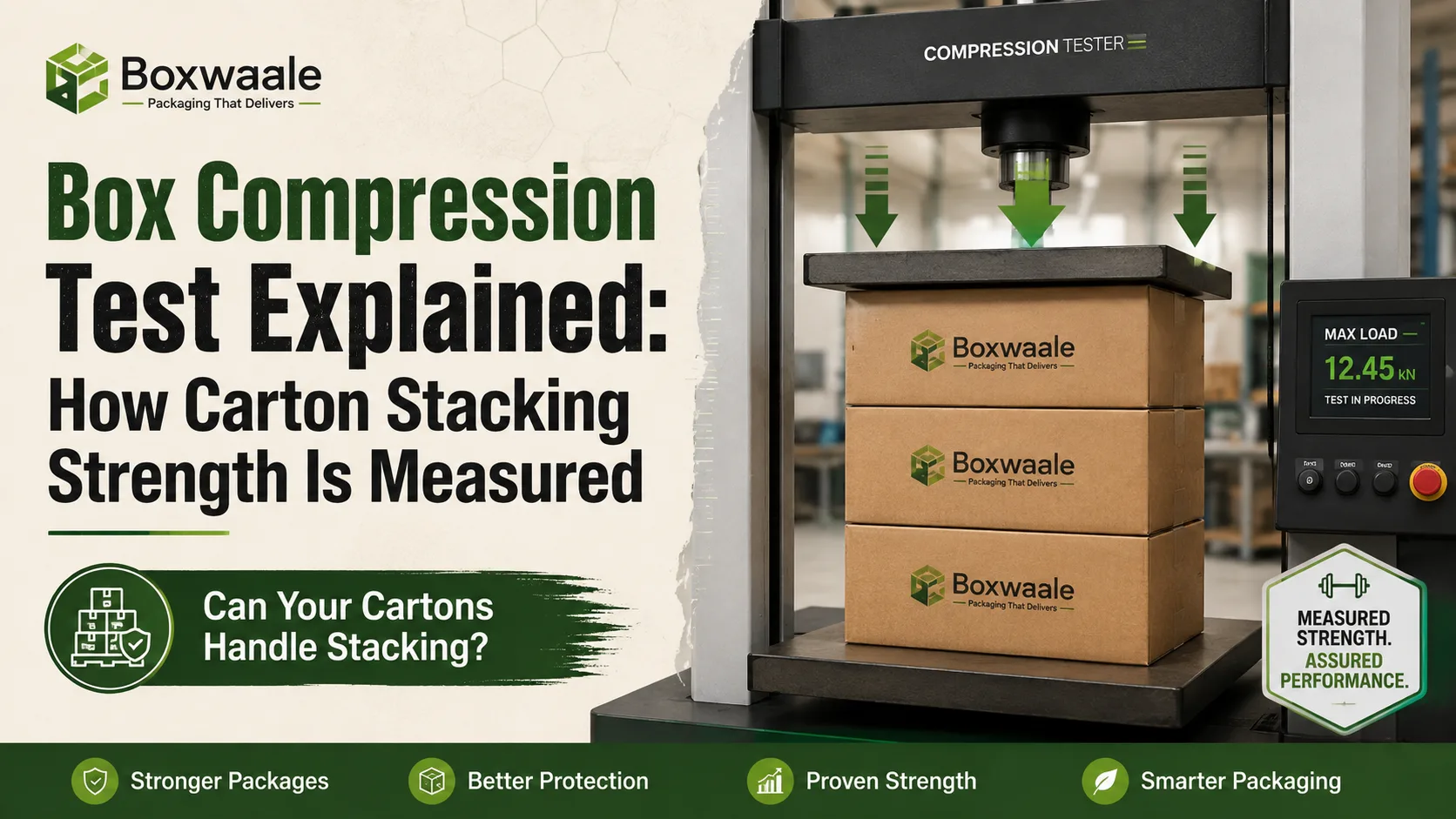
Box Compression Test Explained: How Carton Stacking Strength Is Measured
Read guide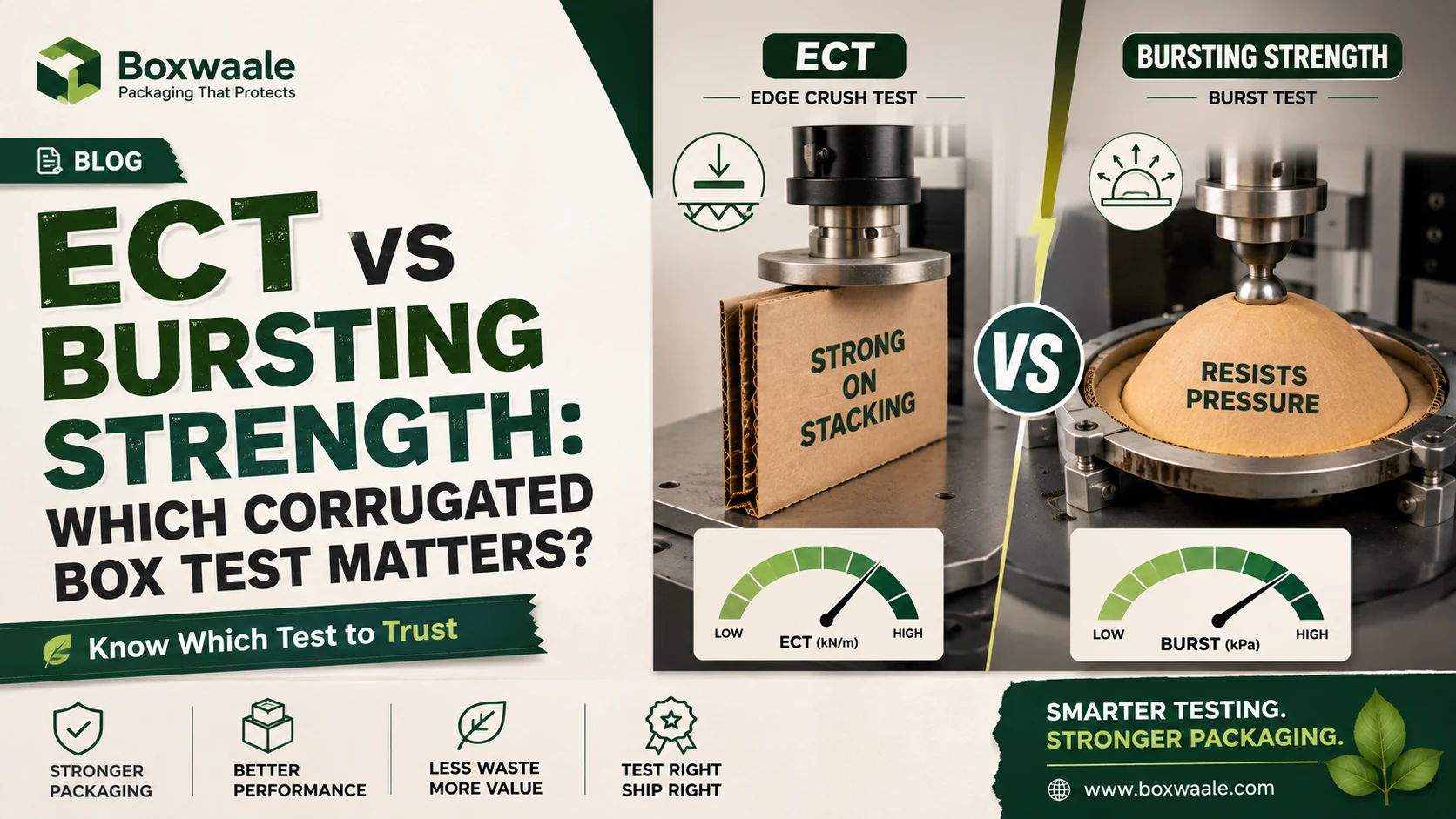
ECT vs Bursting Strength: Which Corrugated Box Test Matters?
Read guide
How Humidity and Moisture Affect Corrugated Box Strength
Read guide