Published 2 Aug 2026· Updated 29 Aug 2026
How to Choose Packaging Tape for Corrugated Boxes
A practical guide to choosing packaging tape width, adhesive type, sealing pattern and method for corrugated boxes of different weights.
Key Takeaways
- Tape width should generally scale with box size and weight, with around 2 inches being a commonly used width for standard cartons and wider tape typically used for larger or heavier boxes.
- H-taping, which seals the centre seam plus both edge seams of the top and bottom flaps, is generally used for heavier or bulkier boxes that need more reinforcement than a single strip along the centre seam.
- Acrylic-based adhesives tend to hold up consistently across storage conditions and age well, while hot-melt, rubber-based and natural rubber adhesives tend to offer strong initial tack.
- Board surface affects adhesion, and dusty or rough recycled board in particular can reduce how well tape sticks, so testing tape on the actual board surface being used is worth doing rather than assuming uniform performance.
- Temperature can reduce tape's initial tack in cold conditions and can soften certain adhesives in high heat, so tape should be tested under the actual sealing or storage conditions it will face.
- Automated case sealers generally apply more consistent pressure and tension than hand taping, which tends to produce a more reliable seal, especially at high packing volumes.
How to Choose Packaging Tape for Corrugated Boxes
Table of Contents
Most packaging failures blamed on a 'weak box' actually trace back to the tape: the wrong width, the wrong adhesive, or a sealing pattern that leaves the weakest part of the carton unsupported. This guide covers how to choose tape width, adhesive type and sealing pattern to match your box, product weight and shipping conditions.
Why Tape Choice Is Not a Minor Detail
Tape is the final structural element holding a corrugated box's flaps closed, and it takes on real mechanical stress during handling, stacking and transit, not just at the moment of packing. A box can be made from perfectly good board and still fail in transit if the tape used to seal it isn't matched to the weight it needs to hold or the seam pattern it needs to cover. Because tape is a relatively small line-item cost compared to the box itself, it's often under-specified, but it directly affects damage rates and returns, which makes it worth as much attention as the box specification itself. This becomes even more relevant once a box changes hands multiple times between packing, transit and delivery, since each handling point adds a small amount of stress to the sealed seams, and a seal that was only just adequate at the time of packing has less margin to absorb that cumulative handling by the time it reaches its destination.
Tape Width, Adhesive Type and Board Surface
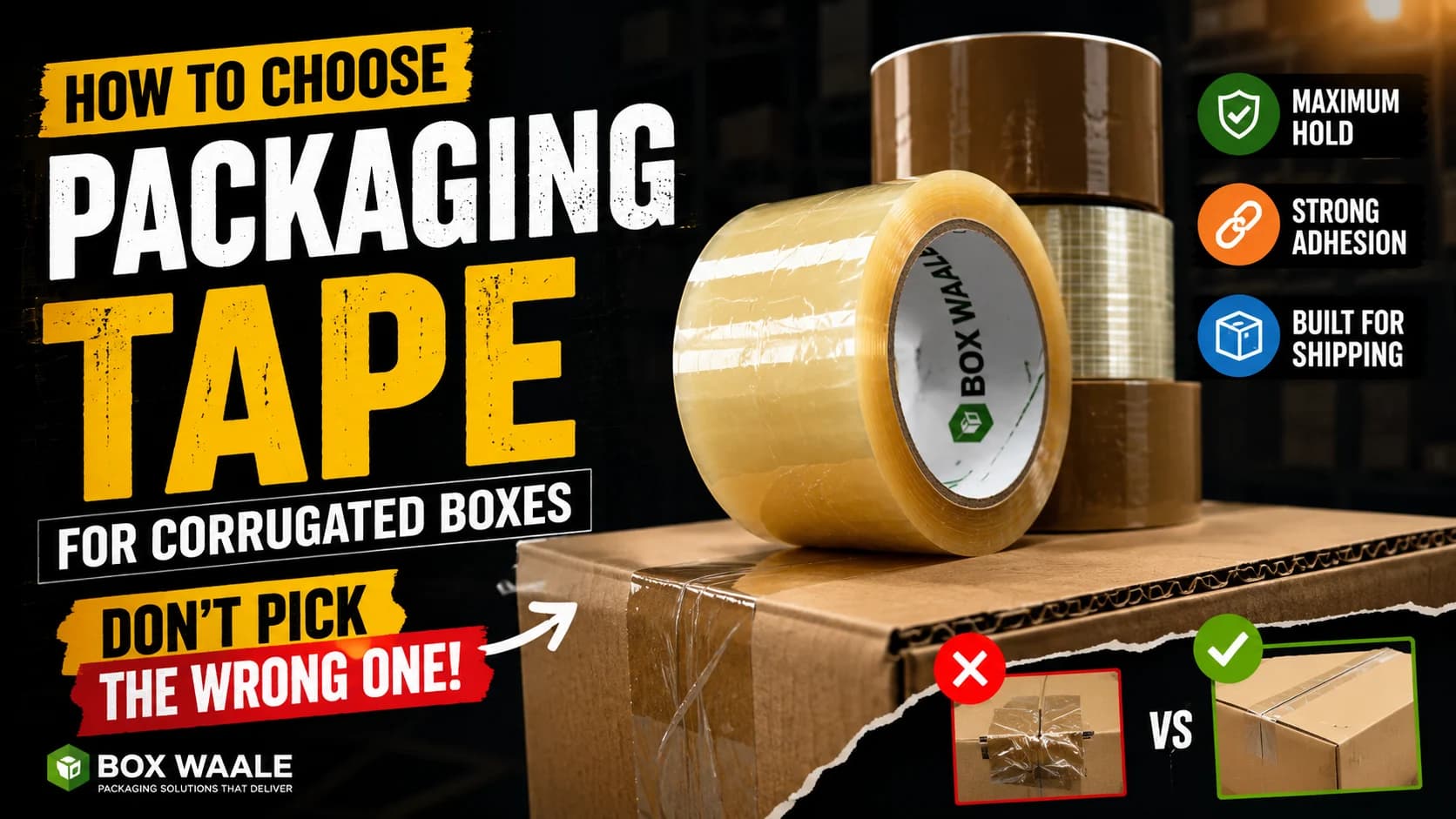
Tape width should generally scale with box size and weight. A commonly used width for standard cartons is around 2 inches (roughly 48mm), while larger or heavier boxes typically call for wider tape to spread the sealing force across a broader strip rather than concentrating it on a narrow line. This isn't a fixed rule for every box, but it's a reasonable starting point to adjust from based on your specific carton size.
Adhesive type also matters, though it's worth describing general tendencies rather than exact performance claims. Acrylic-based adhesives tend to hold up consistently across a range of storage conditions and generally age well without significant yellowing over time. Hot-melt or rubber-based adhesives tend to offer strong initial tack, gripping quickly on application, which can be useful in fast-paced packing environments. Natural rubber adhesives are also commonly used for their quick initial grip. None of these should be assumed to perform identically on every board surface — kraft, coated, and printed board surfaces can all affect adhesion differently, and dusty or rough recycled board in particular can reduce how well tape sticks, so it's worth testing on the actual board surface being used in your packaging rather than assuming uniform performance. This matters more than it might seem for printed cartons in particular, since a heavily inked or laminated surface can behave quite differently from plain kraft board when tape is applied over it, and a tape that seals reliably on one finish doesn't automatically seal the same way on another.
Matching Tape to Package Weight and Sealing Pattern
Lighter boxes are often adequately sealed with a straight line of tape running along the centre seam on both the top and bottom. Heavier or bulkier boxes generally benefit from H-taping, where tape is applied along the centre seam as well as both edge seams, forming an H shape that reinforces the points most likely to open under stress or stacking pressure. For very heavy loads, some businesses go further and reinforce corners or edges beyond a single strip pattern, particularly where the box will be handled roughly or shipped over long distances.
Matching sealing pattern to weight matters just as much for boxes used in ecommerce packaging, where boxes pass through multiple handling points, as it does for palletised bulk shipments, since a seam that opens partway through transit can undo the protection the box was otherwise built to provide. It's worth testing a chosen sealing pattern against the heaviest product likely to ship in that box size, rather than the average one, since a pattern that holds comfortably for a light item can still come under real strain once it's sealing a box at the upper end of its weight range.
Temperature, Storage and Sealing Method Considerations
Temperature can affect how tape performs, as a general tendency rather than a fixed rule: initial tack can be reduced in cold conditions, since the adhesive doesn't grip the surface as readily, while high heat can soften certain adhesives and affect how well the bond holds over time. If boxes are being sealed or stored in unusually hot or cold environments, it's worth testing the specific tape under those conditions rather than assuming standard performance will carry through.
Sealing method also affects consistency. Hand dispensers and tape guns are common for lower-volume packing, but the pressure and tension applied can vary from person to person. Automated case sealers apply pressure and tension consistently, which tends to produce a more reliable bond across a large batch of boxes, and are generally worth considering once packing volumes reach a scale where manual variation becomes a noticeable source of seal failures. It's also worth storing unused tape rolls in a cool, dry place, since adhesive quality can degrade over time if rolls are left in poor storage conditions before use.
How Boxwaale Helps
Boxwaale pairs box specification with sealing recommendations based on parcel weight and shipping mode, since a well-built box can still underperform if it's sealed with tape or a pattern that doesn't match its weight class. This guidance is shared alongside the box order rather than treated as a separate afterthought.
Frequently Asked Questions
Related Packaging Guide
Planning a packaging order?
Turn this guidance into a box specification
Share the product dimensions, packed weight, quantity, printing requirement and delivery postcode. Boxwaale will help narrow down the appropriate size, ply and board specification before quoting.
Frequently Asked Questions
Related Products
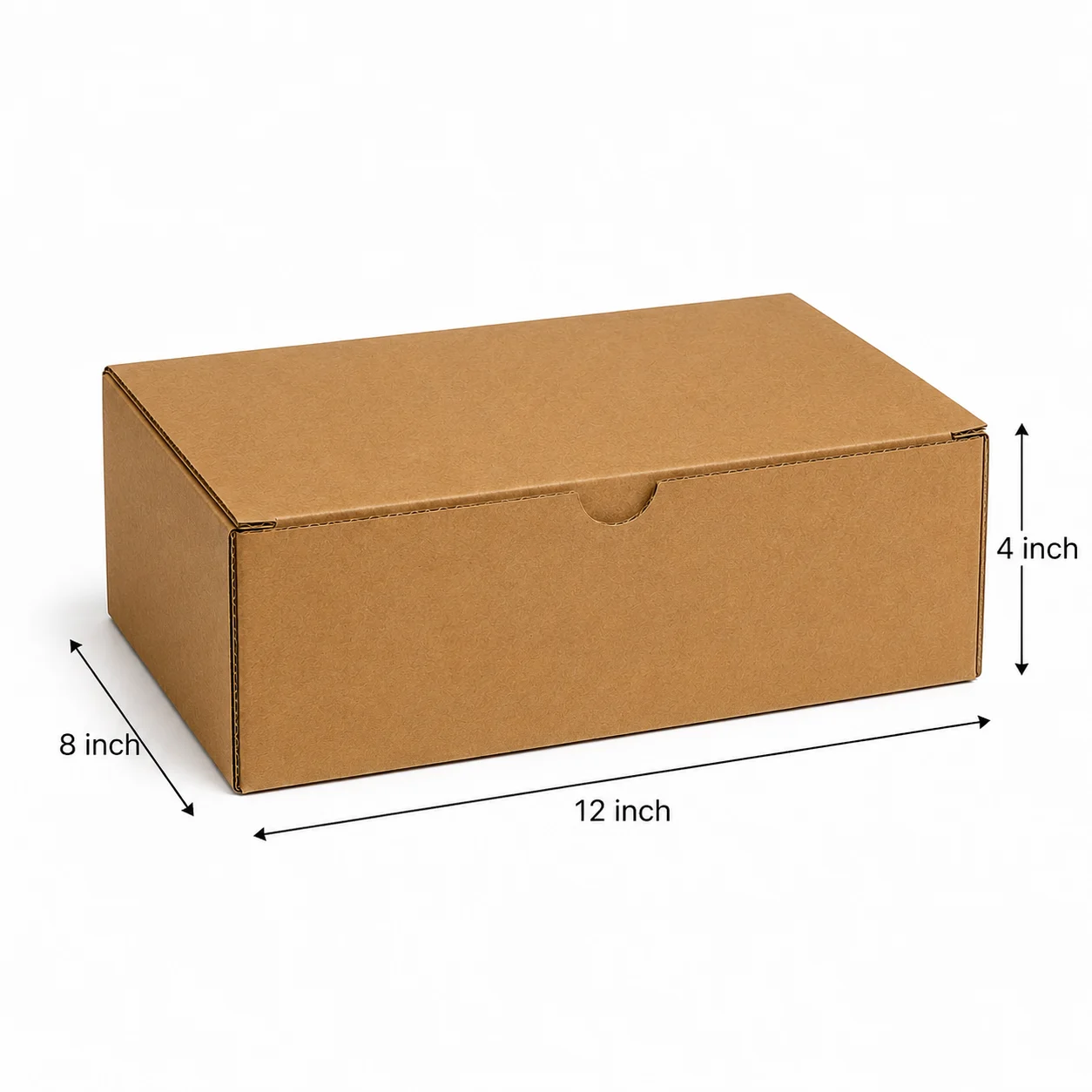
12x8x4 Inch Brown Corrugated 6 Bottle Nail Paint Packaging Box
Durable 12x8x4 inch brown corrugated nail paint box with six internal compartments, designed for cosmetic packaging, storage, gifting, and safe delivery.
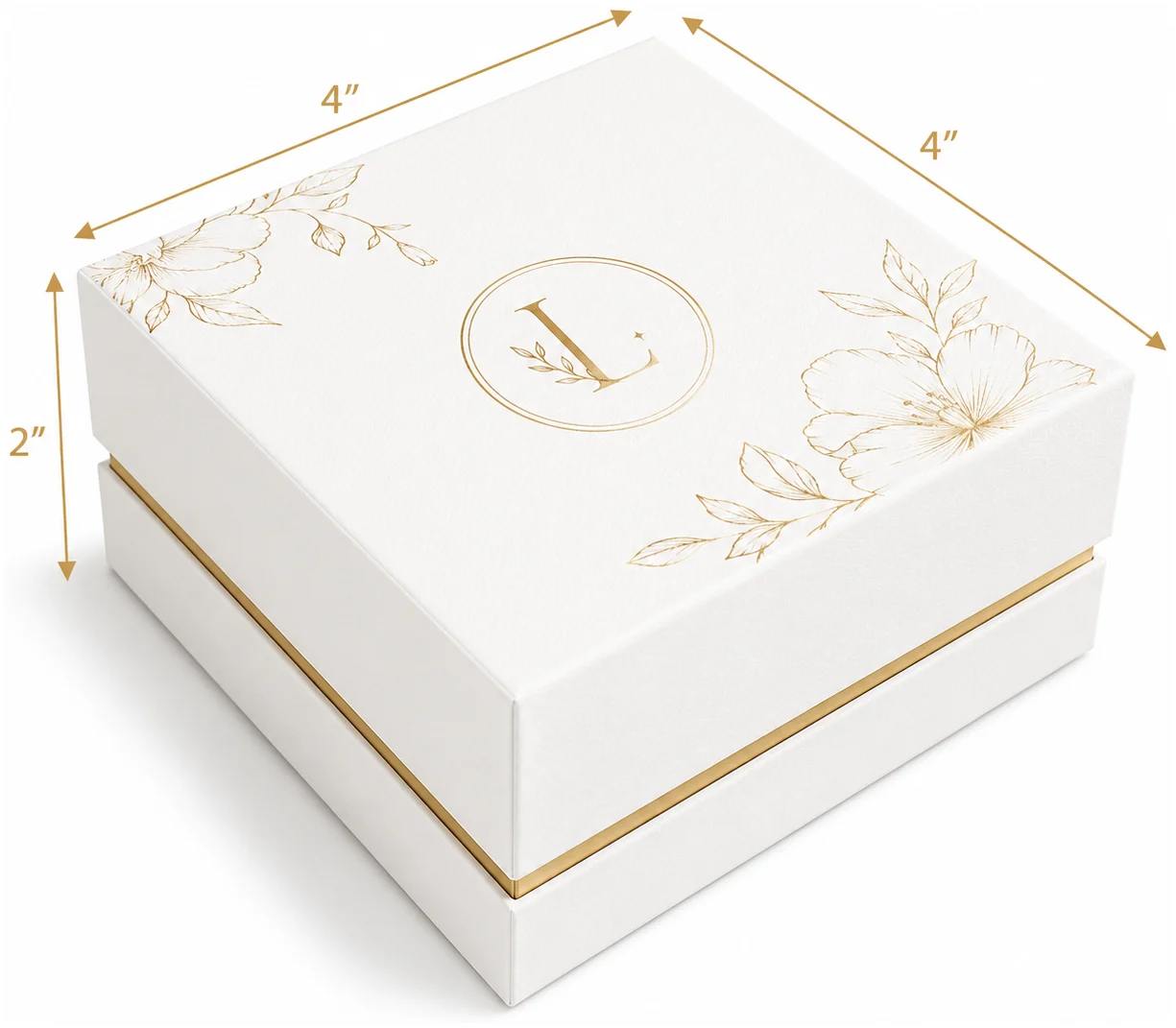
4x4x2 Inch White Jewellery Box for Jewellery Brands
Premium 4x4x2 inch white corrugated jewellery box designed for jewellery brands, boutiques, gift sellers, and online stores.
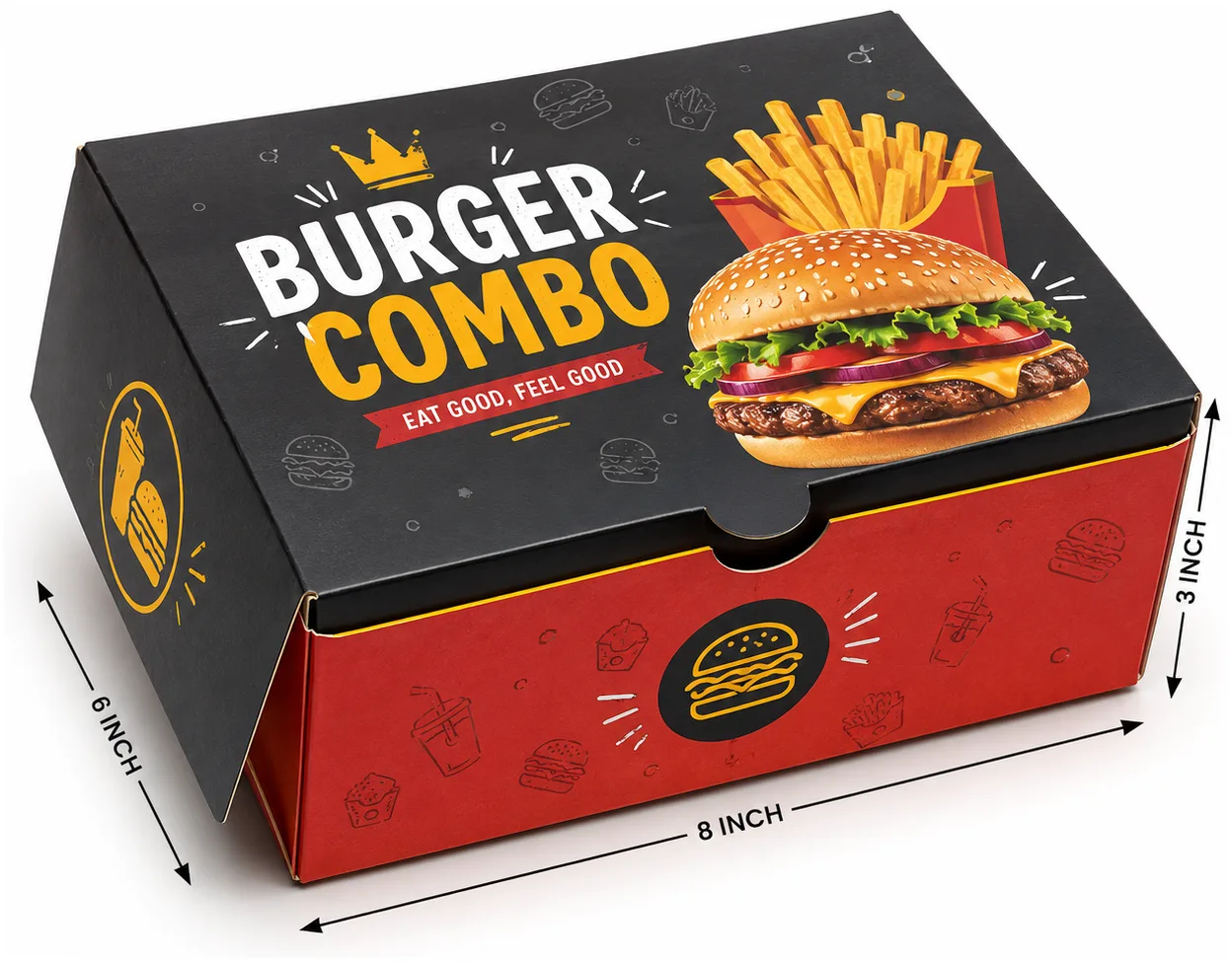
8x6x3 Inch Printed Skincare Packaging Box for Brands
Premium 8x6x3 inch printed white corrugated skincare box designed for brands, retailers, manufacturers, and e-commerce sellers.
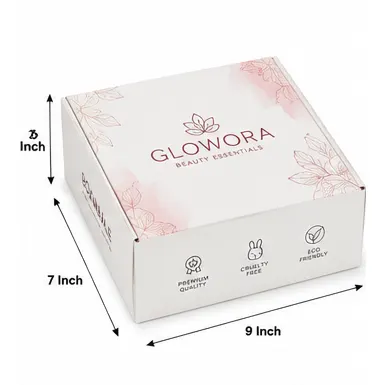
9x7x3 Inch White Makeup Kit Box for Brands
Premium 9x7x3 inch white corrugated makeup box designed for brands, retailers, manufacturers, and e-commerce sellers.
12x8x4 Inch White 6 Bottle Cosmetic Box for Cosmetic Brands
Premium 12x8x4 inch white corrugated cosmetic box designed for cosmetic brands, beauty retailers, salons, and e-commerce sellers.