Published 2 Aug 2026· Updated 29 Aug 2026
Corrugated Box Partitions and Dividers: When Products Need Separation
A guide to corrugated partitions and dividers for components, jars, hardware and multi-unit packs, covering structures, use cases and fit tolerance.
Key Takeaways
- A partition's core function is to stop multiple items inside a box from shifting and knocking against each other during transit.
- The most common partition style is a cross partition, made from interlocking strips of corrugated board that lock into a grid of cells, typically without glue.
- A layer pad is a flat sheet placed between horizontal layers of stacked items, which differs from a partition since it separates tiers rather than dividing a single layer into compartments.
- Heavier individual items sometimes need partitions built from thicker or double-wall board, since the divider itself must resist crushing under weight, not just provide separation.
- Partition cells that fit too loosely allow items to shift, while cells that fit too tightly make insertion and removal difficult and can stress the board at the corners over repeated use.
- Partition height should generally sit at or just below the internal height of the box so it separates items along their full height without preventing the flaps from closing properly.
Corrugated Box Partitions and Dividers: When Products Need Separation
Table of Contents
Not every product needs a partition, but the moment a box carries more than one rigid or fragile unit, the empty space between those items becomes one of the biggest risks in transit — and that specific problem is what partitions and dividers are built to solve. This guide covers why they're used, how they're typically constructed, and how to match a partition design to products ranging from components and jars to hardware and multi-unit retail packs.
What Partitions and Dividers Actually Do Inside a Box
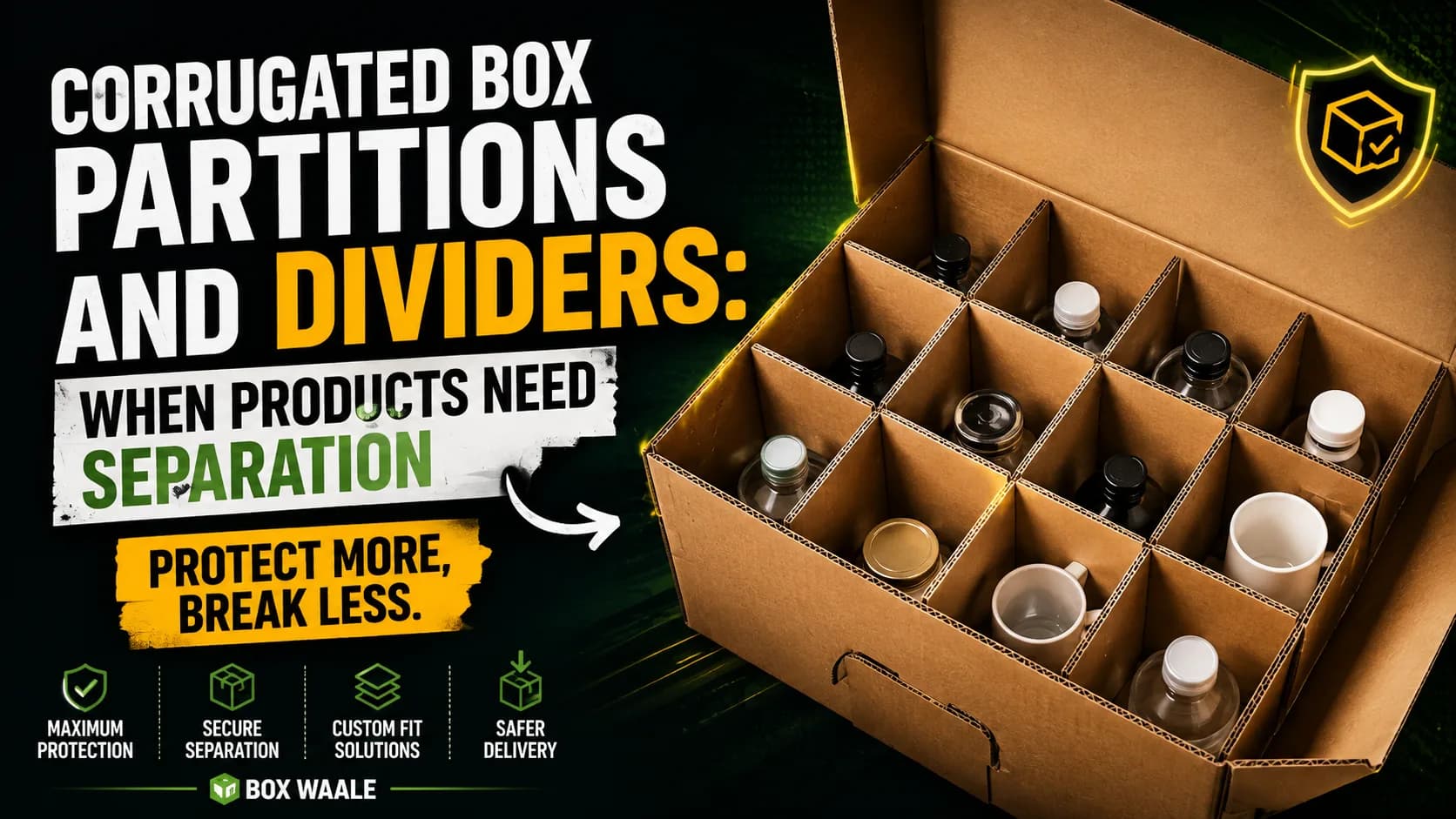
A partition's core job is to stop items inside a box from moving into each other. Without separation, multiple units packed loosely together can knock against one another with every bump, turn or drop during handling, which is how scratches, chips and cracked seals often happen even when the outer box itself is undamaged. Partitions solve this by creating individual compartments, so each item has its own space and can't shift into a neighbouring one.
Partitions also help distribute load more evenly when a box is stacked. Instead of the full weight of items above pressing down unevenly onto whatever happens to be underneath, a well-designed partition structure spreads that load across the grid, reducing the chance that stacking pressure concentrates on a single unit and crushes it.
Common Partition Structures and How They're Built
The most common partition style is a cross partition — interlocking strips of corrugated board slotted together to form a grid of individual cells, sized to whatever is being packed. These are typically built without glue, using slots cut so the strips lock into each other, which also makes them simple to flat-pack for storage before assembly.
Layer pads are a related but different structure: flat sheets of board placed between horizontal layers of stacked items rather than dividing a single layer into cells. They're used when products are stacked in tiers within one box, spreading load between layers and preventing direct contact between what's above and below. A third common structure is a simple flat divider, which splits a box into a smaller number of rows rather than a full grid of individual cells, useful when items are packed in small groups rather than one per compartment. For heavier individual items, partitions are sometimes built from a thicker or double-wall board rather than standard single-wall material, since the divider itself needs to resist crushing under weight, not just provide separation.
Matching Partition Design to What You're Packing
The right partition design depends heavily on what's inside the box, and it's worth thinking through by category rather than assuming one pattern fits everything:
- Components and mechanical or electronic parts — a grid of individual cells combined with flat pads works well to keep delicate or vibration-sensitive parts from contacting each other during transit, particularly for parts with sharp edges or fine tolerances that scratch easily.
- Jars — cell-based partitions sized to each jar keep glass-on-glass or jar-on-jar contact from happening, which is where most breakage risk comes from when multiple jars share one outer box.
- Hardware and fasteners — dense metal items are heavier per unit than most packaging assumes, so hardware often needs a sturdier board grade for the partition itself, along with sectioned cells that also help keep counts organised per box.
- Multi-unit retail packs and kits — here partitions do double duty, protecting each unit while also presenting them clearly within one outer box, which matters when the pack is opened in front of a customer rather than just unloaded in a warehouse.
It's also common for a single shipment to combine more than one of these approaches, such as a multi-unit retail pack that uses cell partitions for individual items alongside a layer pad separating a second tier of stock beneath it, so the categories above are useful starting points rather than mutually exclusive choices. Whichever category applies, it's worth reviewing general box construction options on the corrugated boxes page alongside the partition design, since the outer box and the internal divider need to be sized together rather than specified separately.
Getting the Fit Right: Cell Size, Board Grade and Tolerance
A partition only works if the fit is right. Cells sized too loosely still allow items to shift and knock against the divider walls, which reduces the point of having a partition in the first place. Cells sized too tightly make insertion and removal difficult, and can put ongoing stress on the board at the corners of each cell, weakening it over repeated use if the box is reused or refilled.
Board grade should scale with item weight — heavier individual items need a sturdier partition so the cell walls don't bow or collapse under load, while lighter items can generally use a standard single-wall divider. Partition height should generally sit at or just below the internal height of the box, so it provides separation along the full height of the items without interfering with the flaps closing properly on top. As with most custom box components, it's worth confirming all of this with a physical sample before committing to a bulk partition order, since fit is difficult to judge from measurements alone.
How Boxwaale Helps
Boxwaale designs partition inserts, including cross dividers, layer pads and cell-based trays, sized to the specific product being packed, whether that's jars, hardware, electronic or mechanical components, or multi-unit retail packs, rather than offering a single fixed partition pattern for every order. Board grade and cell tolerance are adjusted based on item weight and shape so the partition actually holds up under the load it's carrying.
Frequently Asked Questions
Related Packaging Guide
Planning a packaging order?
Turn this guidance into a box specification
Share the product dimensions, packed weight, quantity, printing requirement and delivery postcode. Boxwaale will help narrow down the appropriate size, ply and board specification before quoting.
Frequently Asked Questions
Related Products
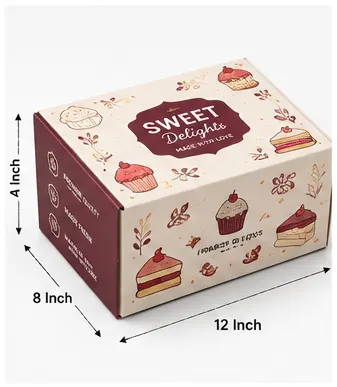
12x8x4 Inch Printed Nail Polish Box with Dividers for Brands
Premium 12x8x4 inch printed white corrugated nail polish box designed for brands, retailers, manufacturers, and e-commerce sellers.
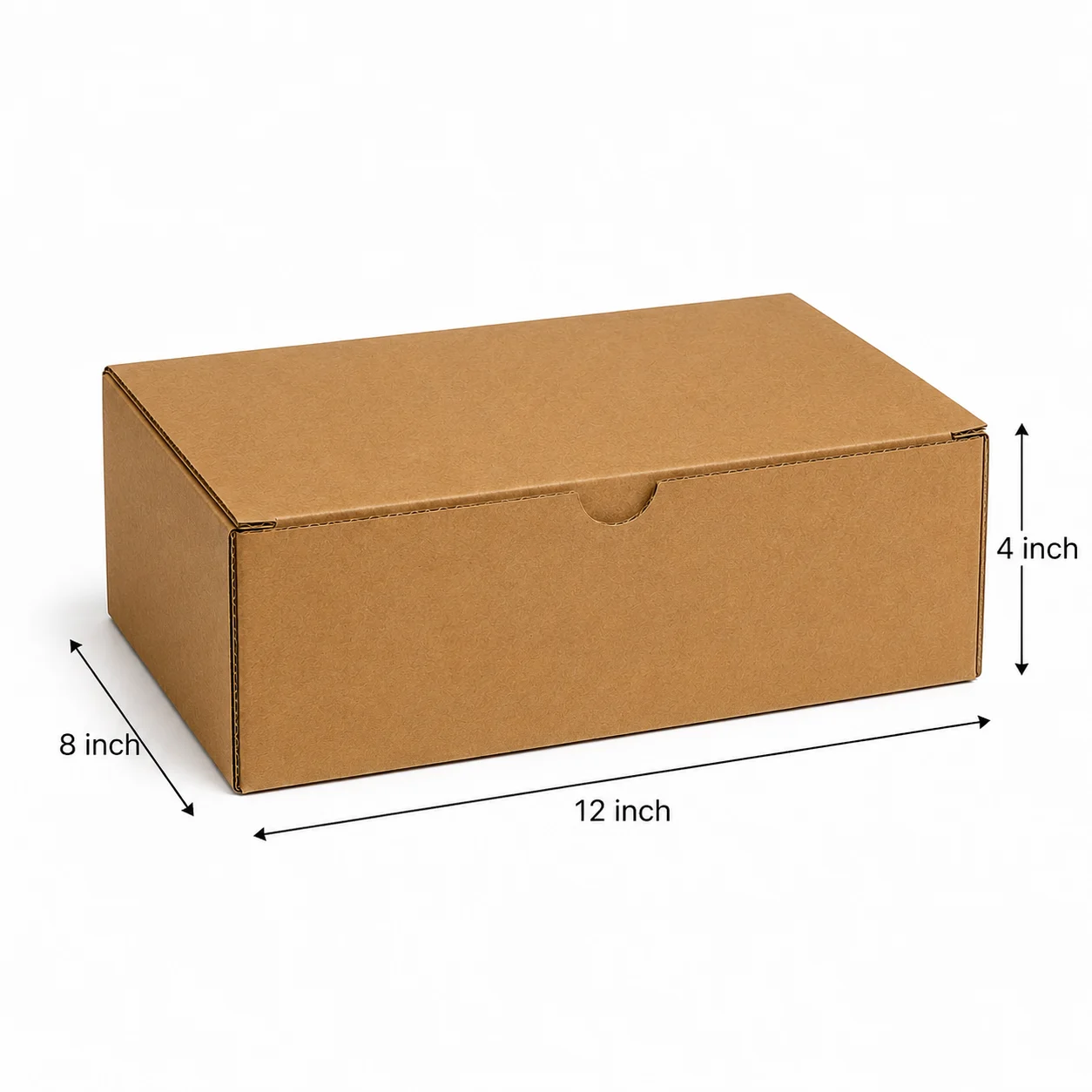
12x8x4 Inch Brown Corrugated 6 Bottle Nail Paint Packaging Box
Durable 12x8x4 inch brown corrugated nail paint box with six internal compartments, designed for cosmetic packaging, storage, gifting, and safe delivery.
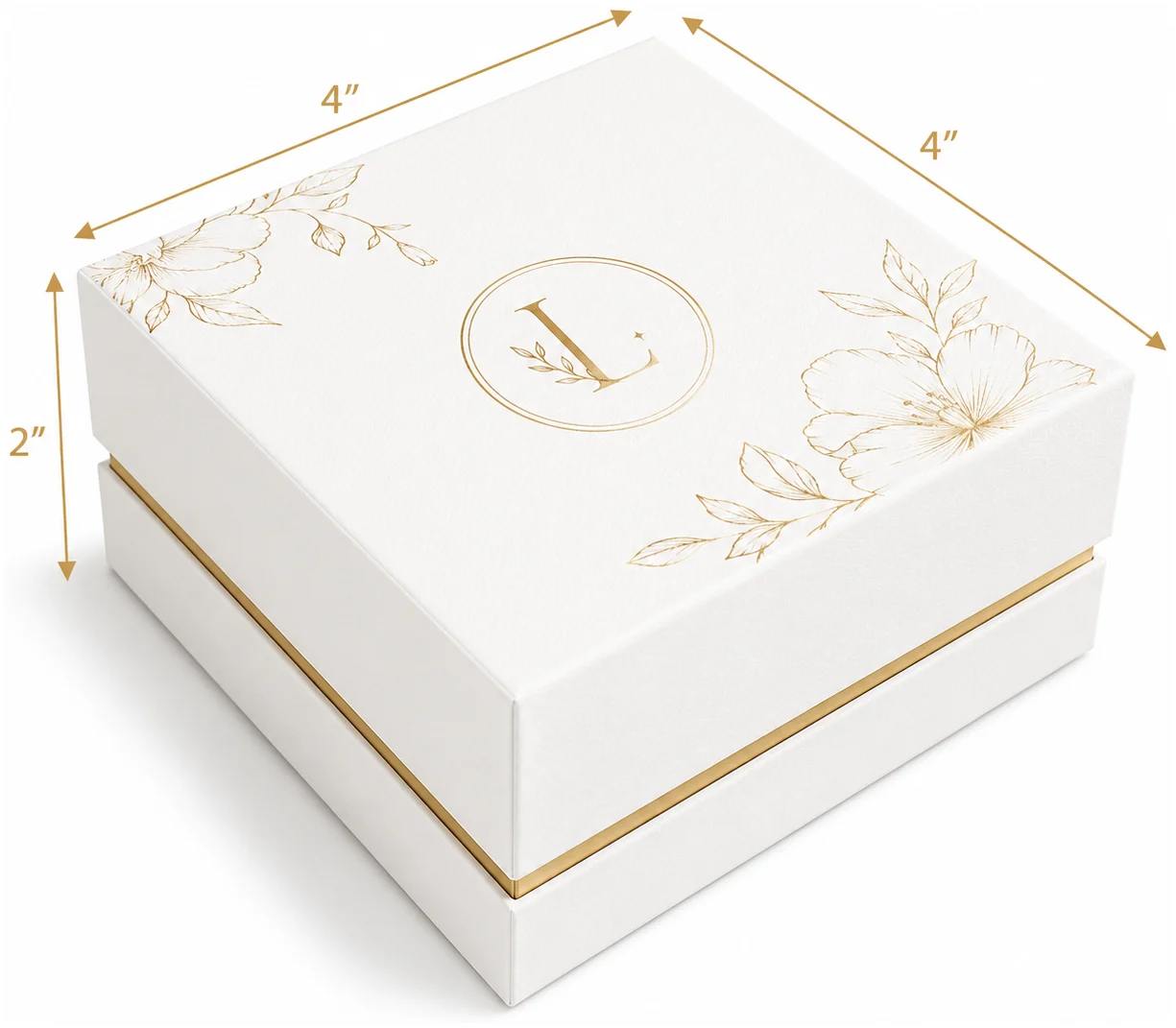
4x4x2 Inch White Jewellery Box for Jewellery Brands
Premium 4x4x2 inch white corrugated jewellery box designed for jewellery brands, boutiques, gift sellers, and online stores.
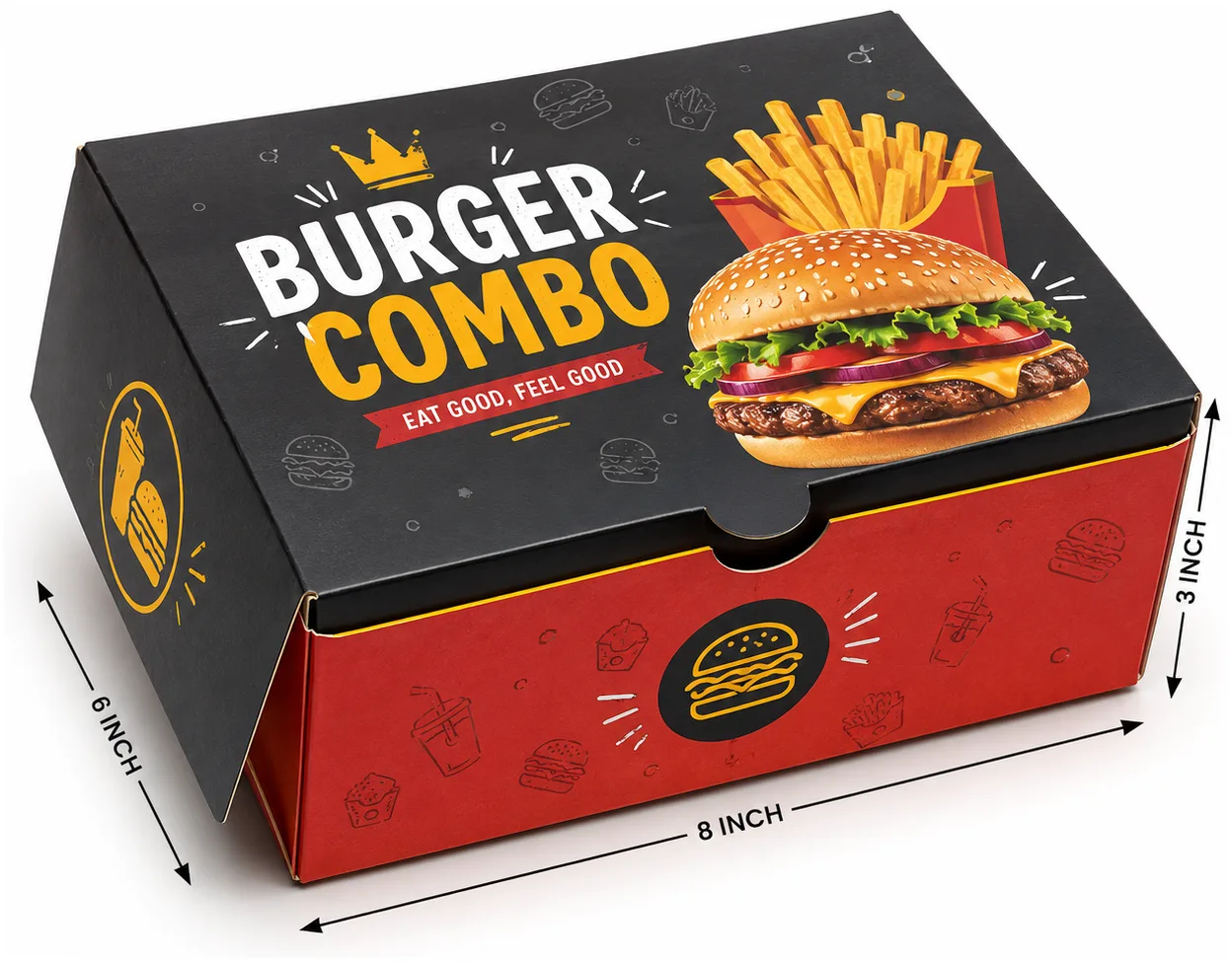
8x6x3 Inch Printed Skincare Packaging Box for Brands
Premium 8x6x3 inch printed white corrugated skincare box designed for brands, retailers, manufacturers, and e-commerce sellers.
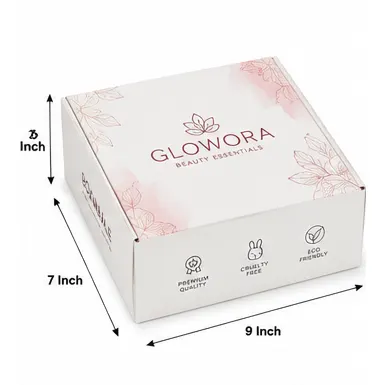
9x7x3 Inch White Makeup Kit Box for Brands
Premium 9x7x3 inch white corrugated makeup box designed for brands, retailers, manufacturers, and e-commerce sellers.