Published 2 Aug 2026· Updated 29 Aug 2026
Corrugated Rolls, Sheets and Boxes: Which Protective Format Do You Need?
A comparison of corrugated rolls, flat sheets and finished boxes to help buyers choose the right protective packaging format for wrapping, layering or shipping.
Key Takeaways
- Corrugated rolls are continuous, flexible material used to wrap irregular or curved items for surface protection, while sheets are flat, pre-cut pieces used for layering or dividers, and boxes are fully formed, self-supporting containers.
- Corrugated rolls are a wrapping and cushioning material rather than a self-supporting structure, so a wrapped item typically still needs to go inside a box or crate for actual transit handling and closure.
- Corrugated sheets are a practical choice for separating layers of stacked product, protecting flat-sided items, or creating simple slip-in packaging without the tooling cost of a fully die-cut box.
- Sheets are often cheaper per unit of material than boxes since there is no die-cutting, gluing or stitching involved, but that advantage only holds if the sheet actually meets the protection need on its own.
- The biggest cost driver in a packaging design is usually a mismatch between format and need, such as using an oversized box when sheets and dividers would work, or under-protecting an irregular item that needed roll wrap.
- Rolls, sheets and boxes are often combined in a single packaging design, for example wrapping an irregular item in roll stock, separating layers with sheet dividers, and packing everything into a corrugated box for shipment.
Corrugated Rolls, Sheets and Boxes: Which Protective Format Do You Need?
Table of Contents
Not every packaging problem needs a fully formed box. Sometimes the right tool is a roll of flexible corrugated wrap, or a stack of flat sheets used as dividers. This guide separates the three formats by what they're actually built to do, so you can pick the right one — or the right combination — instead of defaulting to a box because it's the most familiar option.
Three Formats, Three Different Jobs
Rolls, sheets and boxes are all made from the same underlying corrugated board, but they're processed differently and serve different roles in a packaging design. Thinking of them as three tools for three different jobs — rather than three versions of the same thing — makes it much easier to specify the right one.
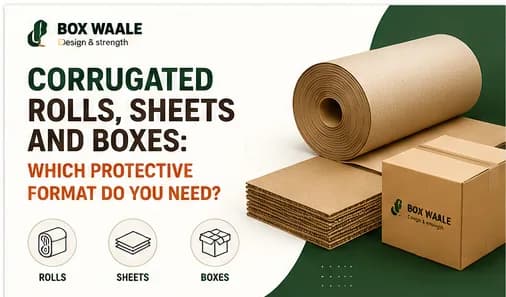
- Rolls are continuous, flexible corrugated material that hasn't been cut into a fixed shape, allowing it to wrap around irregular or curved items.
- Sheets are flat, pre-cut pieces of corrugated board with no folds or joints, used as-is for layering or simple wrapping.
- Boxes are fully formed containers — cut, scored, folded and joined — designed to be a self-supporting, closed shipping unit.
Getting the format right at this planning stage tends to save more money than optimising any single format in isolation, since the biggest cost driver in a packaging design is usually mismatch — using an oversized box when sheets and dividers would have worked, or under-protecting an irregular item that really needed roll wrap before boxing.
Corrugated Rolls: Wrapping Irregular and Fragile Items
Roll stock earns its place when a product's shape doesn't suit a rigid box wall — furniture legs, pipes, machine parts, or anything with curves, protrusions or an unusual profile. Because the material is flexible and continuous, it can be wrapped directly around the item to cushion edges and surfaces before the wrapped item goes into an outer container for transit.
Rolls are a wrapping and cushioning material, not a self-supporting structure. They don't hold a shape on their own the way a box does, so they're rarely the last layer of protection in a shipment — the wrapped item typically still needs to go inside a box or crate for actual transit handling, stacking and closure.
Roll thickness and flute profile also matter for how much cushioning the wrap actually provides — a thin single-face roll gives light surface protection against scuffing, while a heavier flute profile provides meaningfully more cushioning against knocks, at the cost of being less flexible around tight curves. Matching roll grade to how fragile the wrapped item actually is avoids both under-protection and unnecessary material cost.
Corrugated Sheets: Layering, Dividers and Flat Protection
Sheets are the simplest format — flat, pre-cut corrugated board with no folds, joints or die-cutting. They're the practical choice when you need to:
- Separate layers of stacked product inside an existing box, preventing items from pressing directly against each other
- Protect flat-sided or panel-shaped items like glass, tiles, or printed sheets during transit
- Create simple slip-in packaging for a product without investing in a fully die-cut box design
- Provide low-cost, quick-turnaround protection for smaller or one-off packaging needs where tooling costs for a custom box wouldn't be justified
Sheets are often cheaper per unit of material since there's no die-cutting, gluing or stitching involved. But that cost advantage only holds if sheets are actually solving your protection need on their own — if the product still needs a rigid outer container for transit, adding sheets as an extra step doesn't replace the box, it supplements it.
Custom die-cut sheet inserts — for example a slotted layer pad that holds several items apart inside one box — sit somewhere between a generic flat sheet and a fully engineered box. They cost more than a plain sheet due to die-cutting, but far less than redesigning the outer box itself, making them a useful middle option for multi-item shipments that need internal organisation without a completely custom container.
Corrugated Boxes: When You Need a Finished Container
A corrugated box is the right format when you need a self-supporting, closable container that can be stacked, palletised and handled as a single shipping unit — which covers the large majority of standard product shipping, e-commerce dispatch and warehouse-to-warehouse transit. Unlike rolls and sheets, a properly designed box distributes load across its full structure, protects contents from all sides simultaneously, and provides a closed surface for labelling, taping and handling.
In many real packaging designs, all three formats work together rather than being an either/or choice: an irregular item gets wrapped in roll stock for surface protection, sheet dividers separate multiple items or layers, and the whole assembly is packed into a corrugated box for the actual shipment. Thinking about which job each layer of your packaging is doing — wrapping, separating, or containing — usually leads to a more efficient design than defaulting to "just put it in a bigger box."
If you're not sure which format your product needs, a useful starting question is simply: does this item need to be contained (box), separated (sheet), or wrapped (roll)? Most real packaging designs need at least one of these, and many need two working together.
How Boxwaale Helps
Boxwaale supplies corrugated rolls, sheets and fully finished boxes, and helps buyers figure out which combination actually solves their specific packaging problem — whether that's an irregularly shaped product needing roll wrap, a multi-item shipment needing sheet dividers, or a standard product that just needs a well-specified box.
Frequently Asked Questions
Related Packaging Guide
Planning a packaging order?
Turn this guidance into a box specification
Share the product dimensions, packed weight, quantity, printing requirement and delivery postcode. Boxwaale will help narrow down the appropriate size, ply and board specification before quoting.
Frequently Asked Questions
Related Products
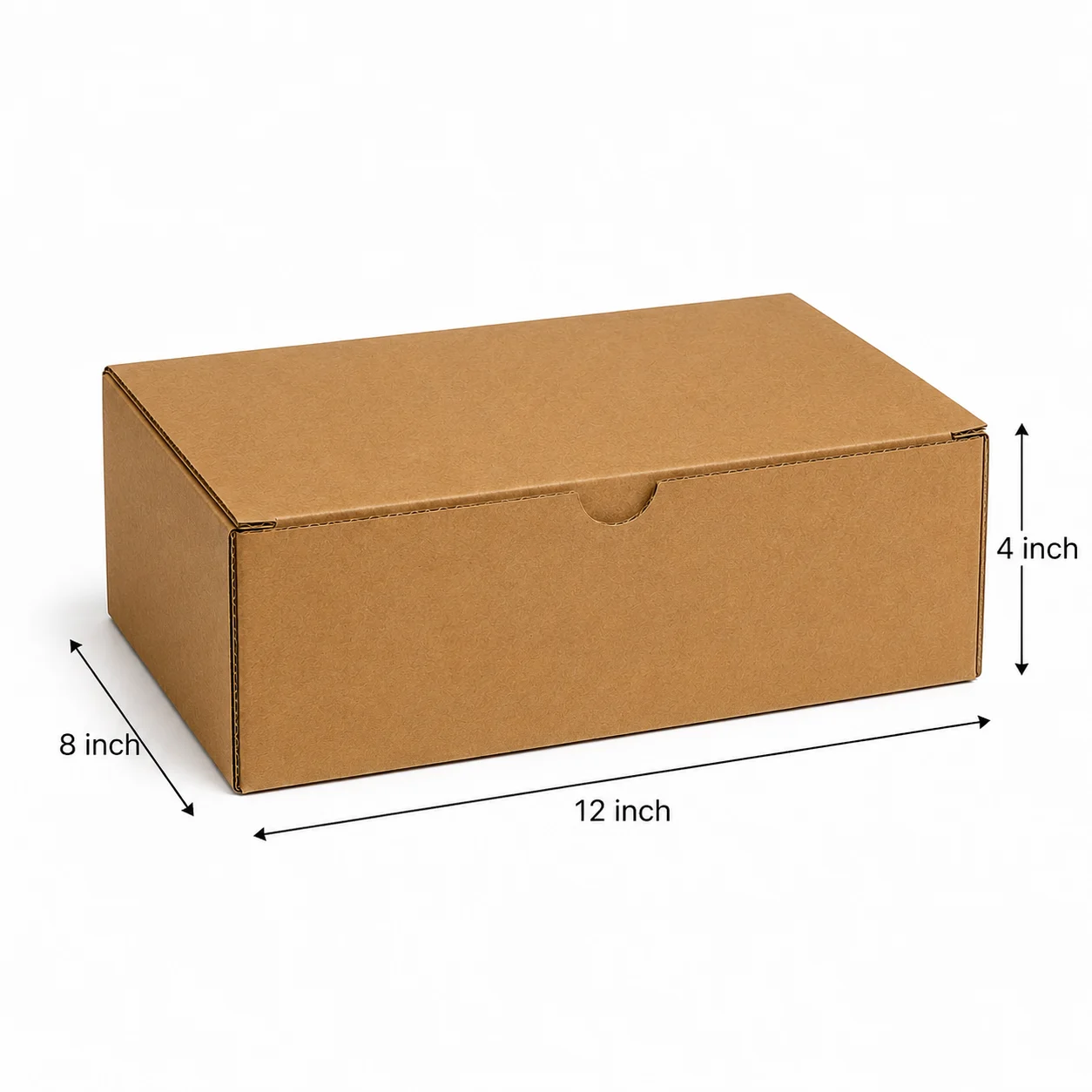
12x8x4 Inch Brown Corrugated 6 Bottle Nail Paint Packaging Box
Durable 12x8x4 inch brown corrugated nail paint box with six internal compartments, designed for cosmetic packaging, storage, gifting, and safe delivery.
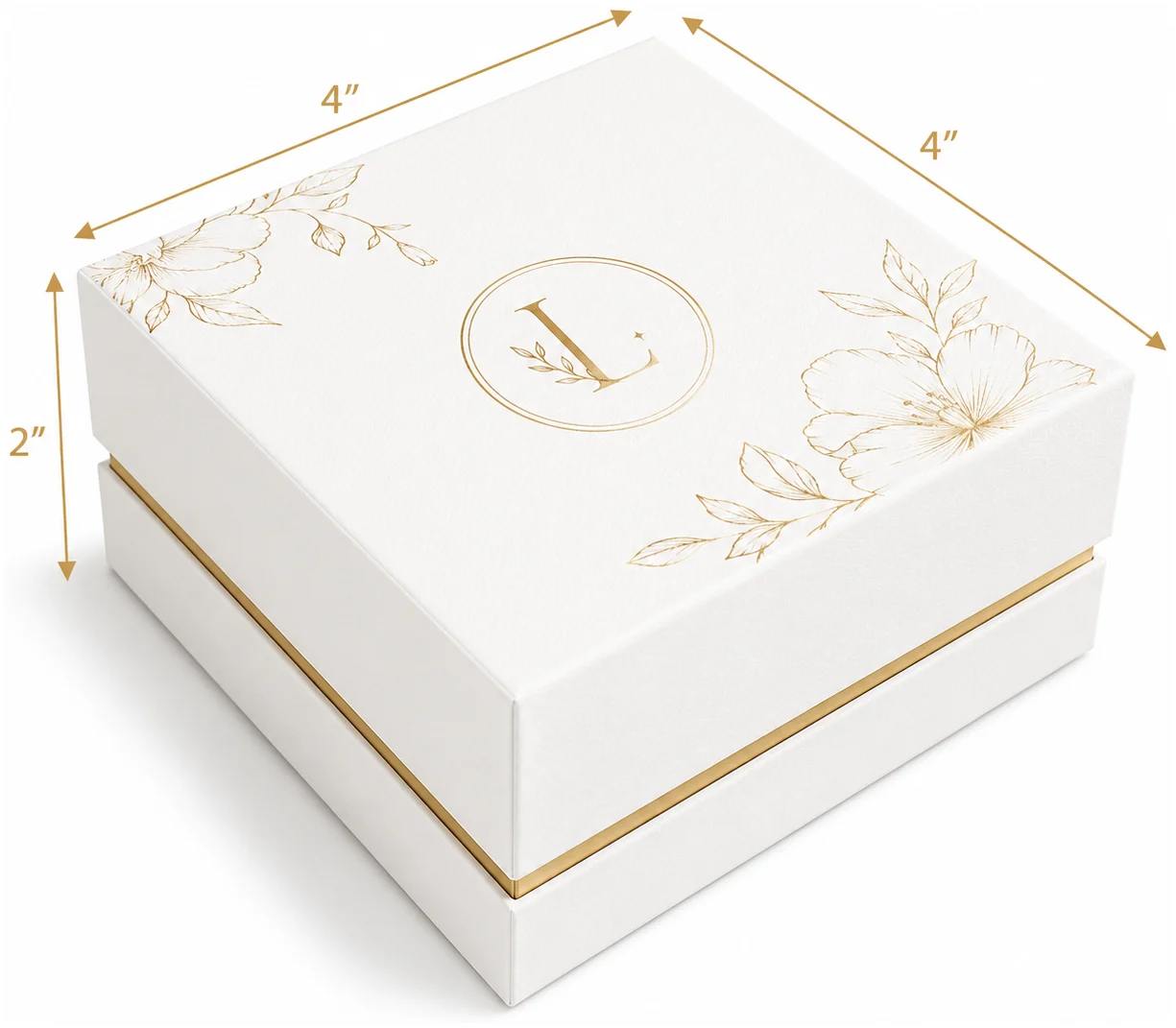
4x4x2 Inch White Jewellery Box for Jewellery Brands
Premium 4x4x2 inch white corrugated jewellery box designed for jewellery brands, boutiques, gift sellers, and online stores.
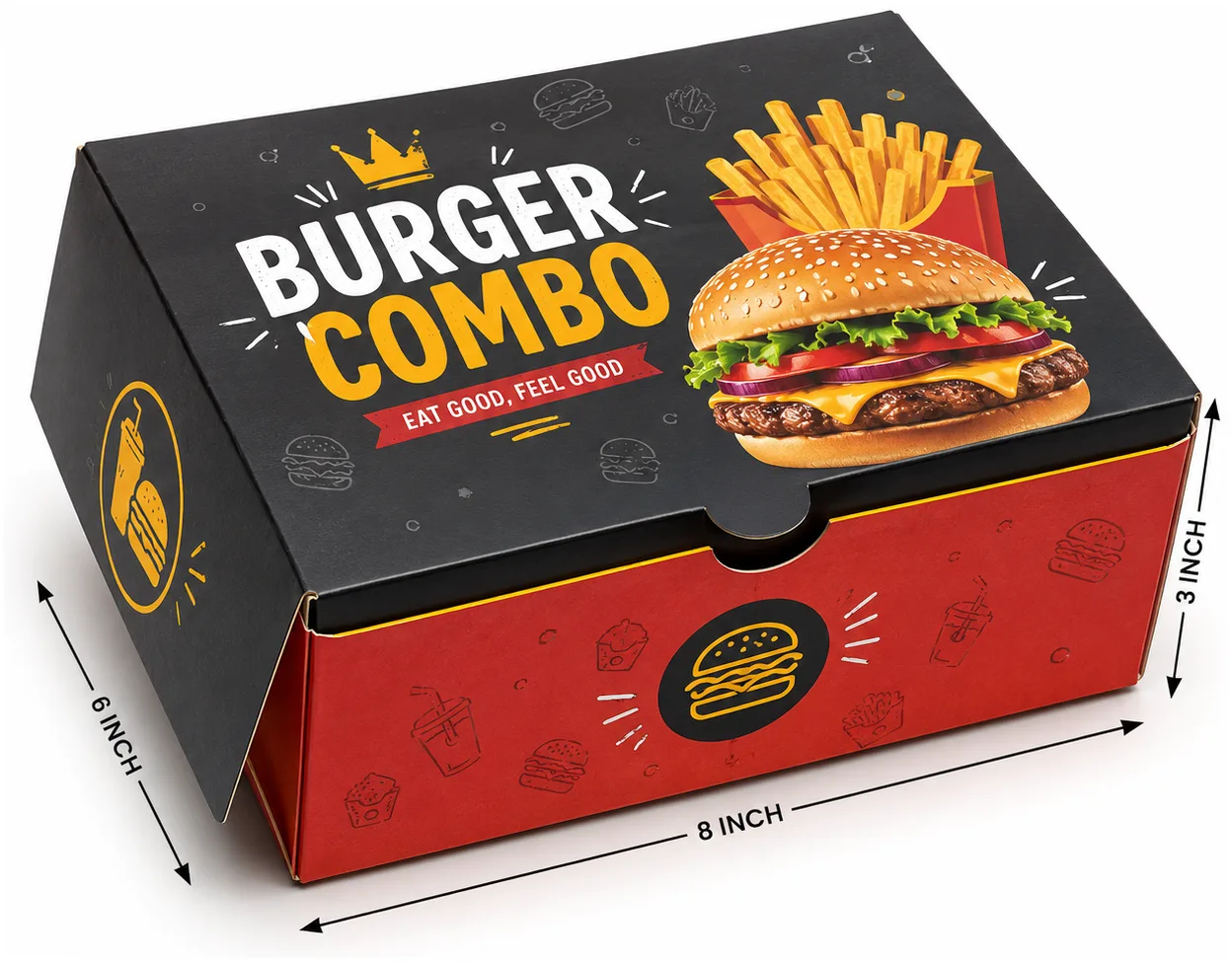
8x6x3 Inch Printed Skincare Packaging Box for Brands
Premium 8x6x3 inch printed white corrugated skincare box designed for brands, retailers, manufacturers, and e-commerce sellers.
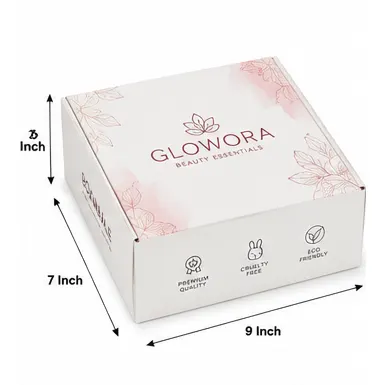
9x7x3 Inch White Makeup Kit Box for Brands
Premium 9x7x3 inch white corrugated makeup box designed for brands, retailers, manufacturers, and e-commerce sellers.
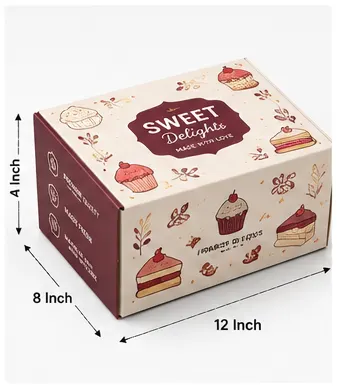
12x8x4 Inch White 6 Bottle Cosmetic Box for Cosmetic Brands
Premium 12x8x4 inch white corrugated cosmetic box designed for cosmetic brands, beauty retailers, salons, and e-commerce sellers.