
Published 2 Aug 2026· Updated 29 Aug 2026
Glued vs Stitched Corrugated Boxes: Which Joint Should You Choose?
A comparison of glued and stitched corrugated box joints covering finish, load handling, moisture exposure and which applications suit each type.
Key Takeaways
- The manufacturer's joint is the seam where the two ends of a corrugated blank are joined into a tube shape, and it can be closed either by gluing or by wire stitching.
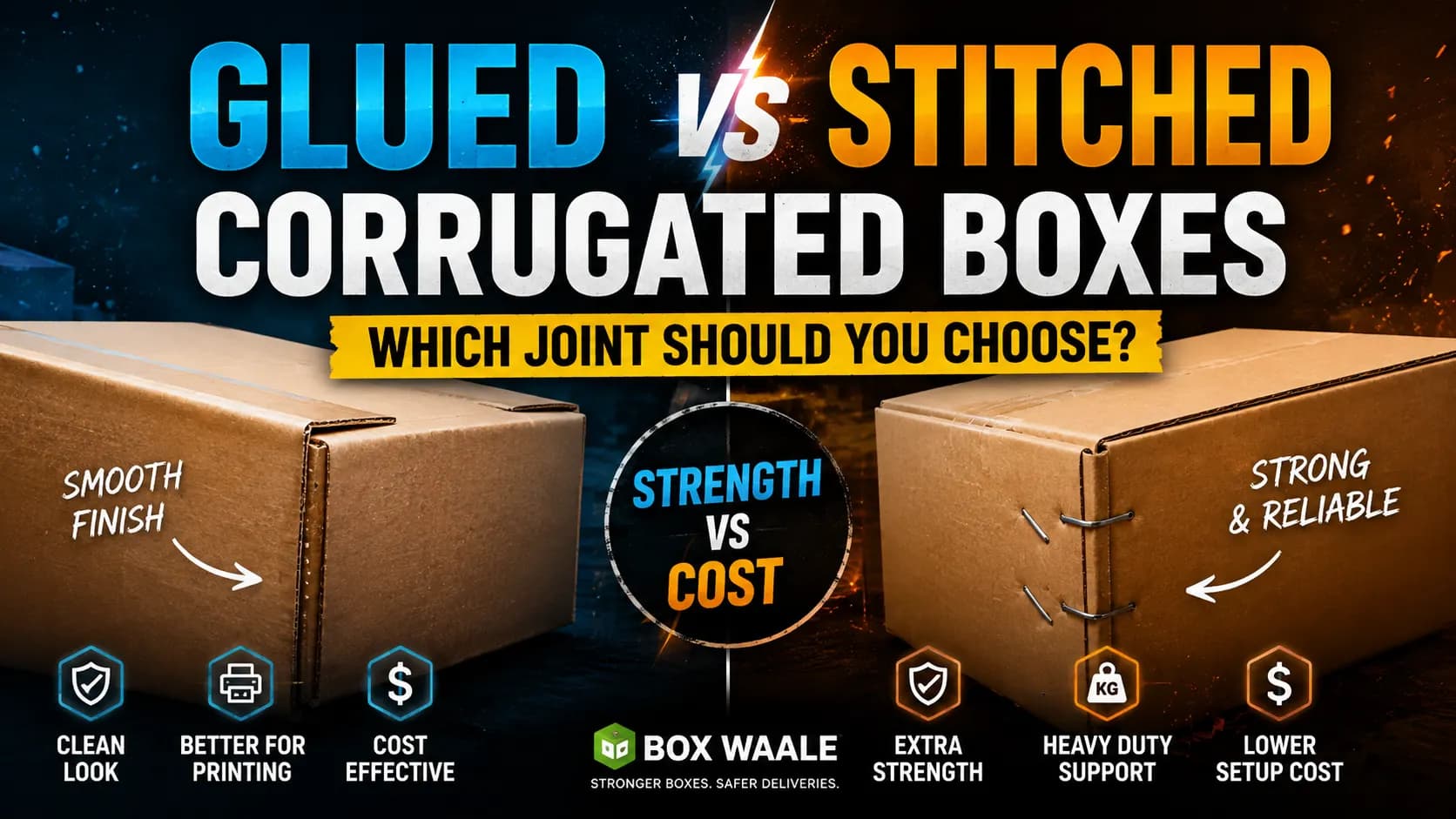
- A glued joint sits flush with no visible fasteners, which suits branded or customer-facing panels, while a stitched joint shows a visible row of staples along the seam.
- Stitched joints mechanically clinch through both layers of board and resist peeling apart under tension well, which is one reason they are often used for heavier or bulkier boxes.
- A glued joint's strength depends on how well the adhesive has bonded to the paper fibres, and prolonged dampness can gradually weaken that bond over time.
- Glued joints run efficiently on high-speed automated gluing lines, making them well suited to large repeat orders, while stitching is often more practical for lower-volume or heavier speciality runs.
- Neither joint type should be assumed to hold up indefinitely under sustained wet conditions.
Glued vs Stitched Corrugated Boxes: Which Joint Should You Choose?
Table of Contents
Every regular slotted carton has to close its manufacturer's joint somehow, and the two most common methods, gluing and stitching, quietly shape how the box looks and performs long after it leaves the production line. This comparison covers how each joint is made, how they differ in finish and strength, and which applications each one tends to suit best.
How Glued and Stitched Joints Are Made
The manufacturer's joint is the seam where the two ends of a single corrugated blank meet and are joined into a tube shape, before the box is later folded flat and popped open for use. A glued joint is formed by applying adhesive to the overlapping flap and pressing it against the opposite panel under controlled pressure, allowing the bond to set as the board moves through the production line. A stitched joint instead uses wire staples driven through the overlapping flap and the panel beneath it, mechanically clinching the two layers of board together.
Both methods have been used in corrugated manufacturing for a long time and remain common today; the choice between them is less about one being outdated and more about matching the joint to the box's intended weight, appearance and handling requirements. Some suppliers default to one method based on the machinery they run most often, so it's worth explicitly asking which joint a quote assumes rather than treating it as a fixed given, especially if your product has a specific weight or presentation requirement.
Finish and Appearance Differences
Visually, the two joints are easy to tell apart. A glued joint sits flush and smooth along the seam, with no visible fasteners, which gives that panel a cleaner look — useful when the joint falls on a branded or customer-facing face of the box. A stitched joint shows a visible row of metal staples along the seam, which is less discreet but gives an immediate, tactile sense of a secure closure right at the joint.
For boxes where the manufacturer's joint is on a side panel that customers or retail staff won't typically see, this difference matters less. For boxes where presentation on every face matters, a glued joint is usually the more conventional choice.
Load-Bearing Strength and Moisture Exposure
For load-bearing performance, the two joints behave a little differently under stress. A stitched joint's staples resist peeling apart under tension well, since they mechanically clinch through both layers rather than relying purely on a bonded surface, which is one reason stitching is often favoured for heavier or bulkier boxes carrying dense contents. A glued joint's strength depends on how well the adhesive has bonded to the paper fibres across the full overlap area; when applied correctly and given time to set, it performs reliably for a very wide range of standard loads.
Moisture exposure affects both joint types, though somewhat differently. A glued bond depends on the integrity of the paper fibres it's adhered to, so prolonged dampness can gradually weaken that bond, since it's ultimately the fibre-to-fibre and fibre-to-adhesive contact that holds. A stitched joint is a mechanical connection, so the staples themselves aren't directly weakened by moisture in the same way, though the surrounding board can still lose stiffness if it absorbs enough moisture, which affects the whole box rather than just the joint. Neither joint type should be assumed to hold up indefinitely under sustained wet conditions.
Handling, Automation and Where Each Joint Fits
Production method is often the deciding factor in practice. Glued joints run efficiently on high-speed automated gluing lines, which makes them a natural fit for large repeat orders where consistent, fast throughput matters. Stitched joints are commonly used for heavier-duty boxes, lower-volume runs, or situations where a very secure immediate grip at the joint is prioritised over presentation, since the mechanical clinch doesn't depend on cure or set time the way an adhesive bond does. Order volume tends to reinforce this pattern in practice: a business placing a large recurring order for the same box size generally benefits from the speed and consistency of an automated gluing line, while a business ordering irregular quantities or heavier speciality cartons in smaller batches may find stitching more practical, since it doesn't rely on the same continuous line setup to be efficient.
| Factor | Glued Joint | Stitched Joint |
|---|---|---|
| Finish | Smooth, no visible fasteners | Visible staples along seam |
| Typical strength profile | Reliable for a wide range of standard loads when properly bonded | Strong immediate grip under tension, suited to heavier or denser loads |
| Moisture sensitivity | Bond can weaken with prolonged dampness | Mechanical joint less directly affected, but surrounding board still loses stiffness when wet |
| Best suited for | High-volume runs, branded or customer-facing panels | Heavy-duty boxes, lower-volume runs, secure immediate closure |
If you're specifying a box for the first time, it's worth reviewing general construction options on the corrugated boxes range before deciding which joint fits your product's weight and handling needs.
How Boxwaale Helps
Boxwaale produces boxes with both glued and stitched manufacturer's joints depending on the weight class and use case of the order, and can advise on which is more appropriate once product weight, stacking needs and branding requirements are shared. This means the joint is chosen to match how the box will actually be used, rather than defaulting to one method regardless of the application.
Frequently Asked Questions
Related Packaging Guide
Planning a packaging order?
Turn this guidance into a box specification
Share the product dimensions, packed weight, quantity, printing requirement and delivery postcode. Boxwaale will help narrow down the appropriate size, ply and board specification before quoting.
Frequently Asked Questions
Related Products
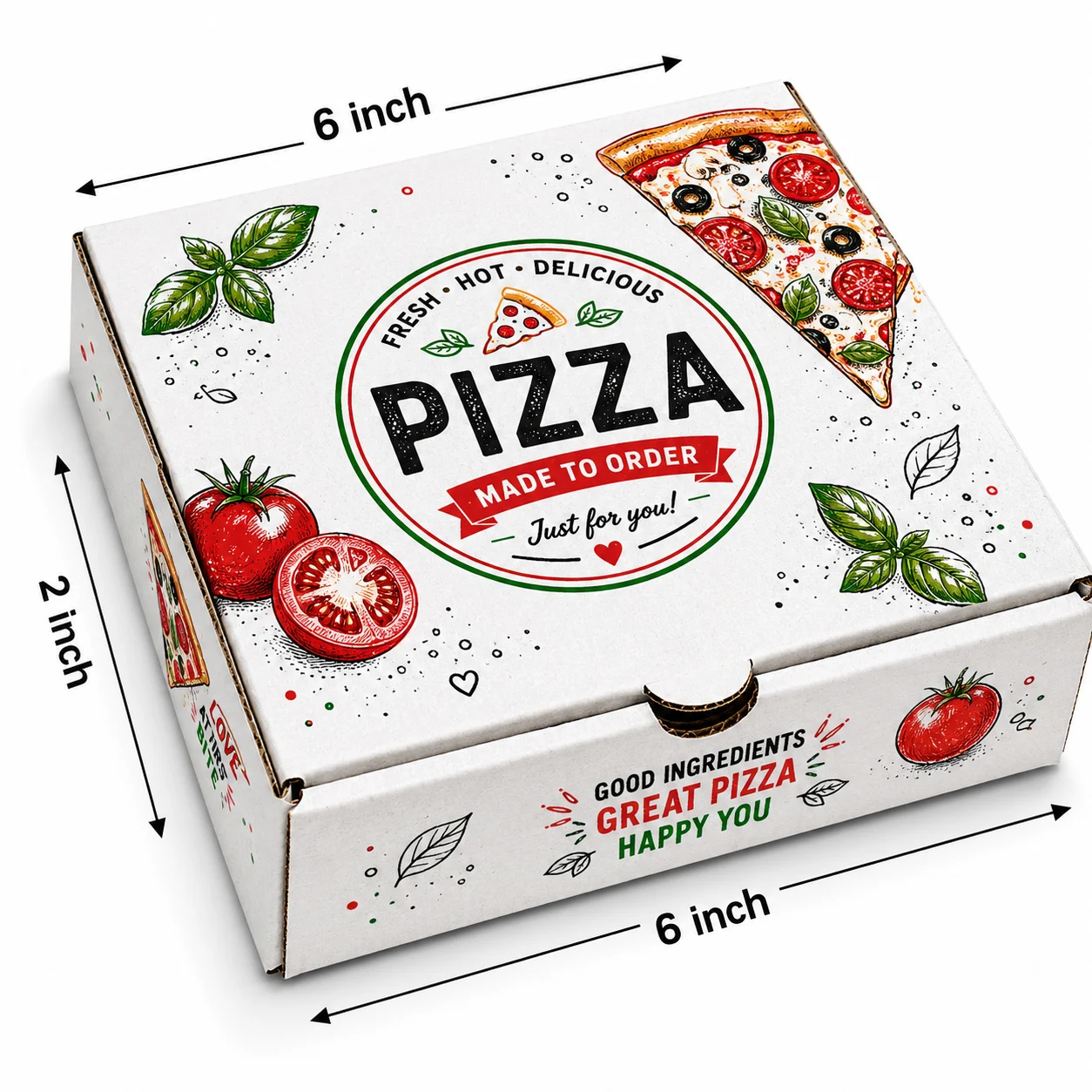
6 Inch White Printed Pizza Box for Restaurants
Premium 6x6x1.5 inch printed white corrugated pizza box designed for restaurants, pizza outlets, cloud kitchens, and food delivery.
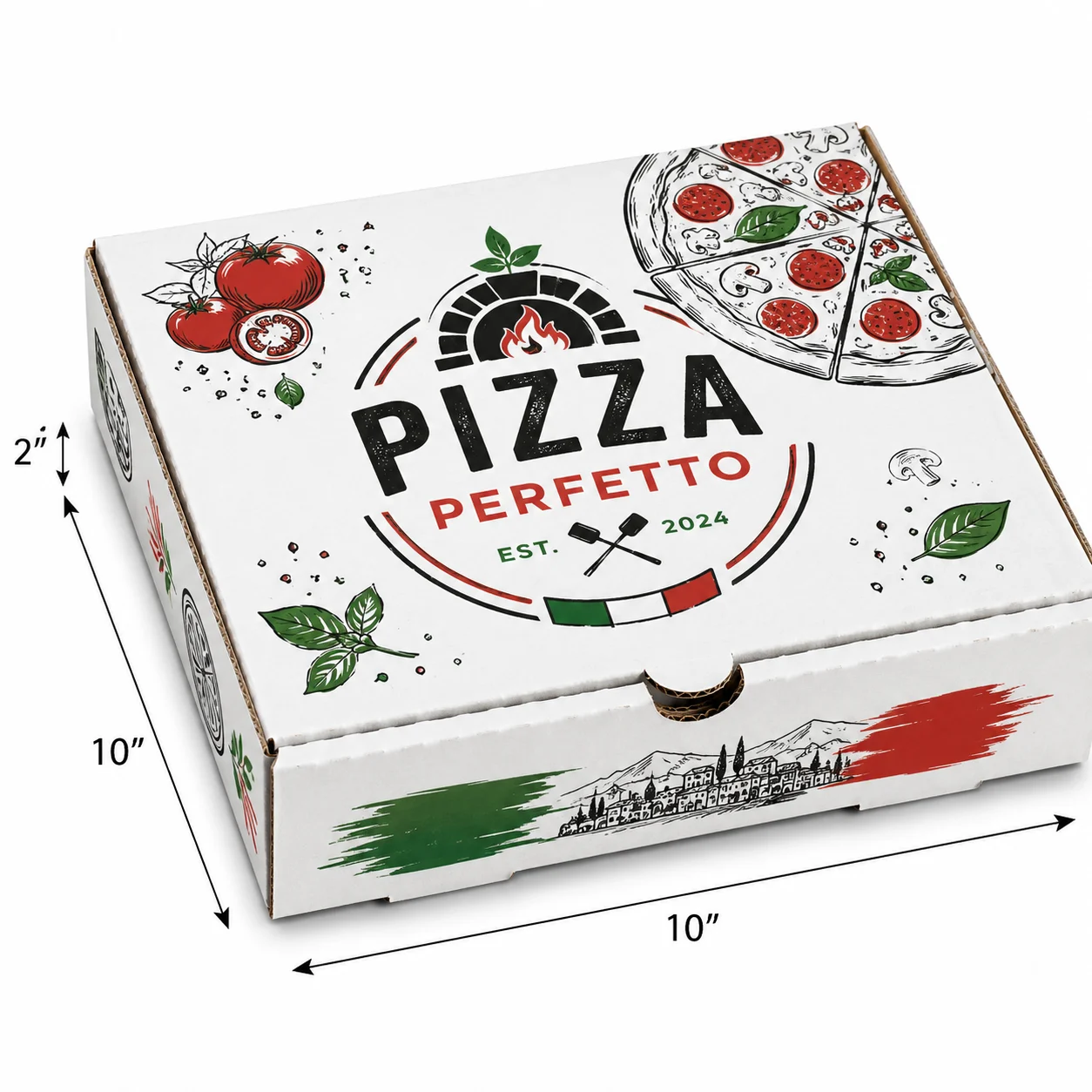
10 Inch White Pizza Box for Restaurants
Premium 10x10x1.75 inch white corrugated pizza box designed for restaurants, pizza outlets, cloud kitchens, and food delivery.
5x5x3 Inch Printed Burger Box for Restaurants
Premium 5x5x3 inch printed white corrugated burger box designed for restaurants, cafes, cloud kitchens, and takeaway businesses.
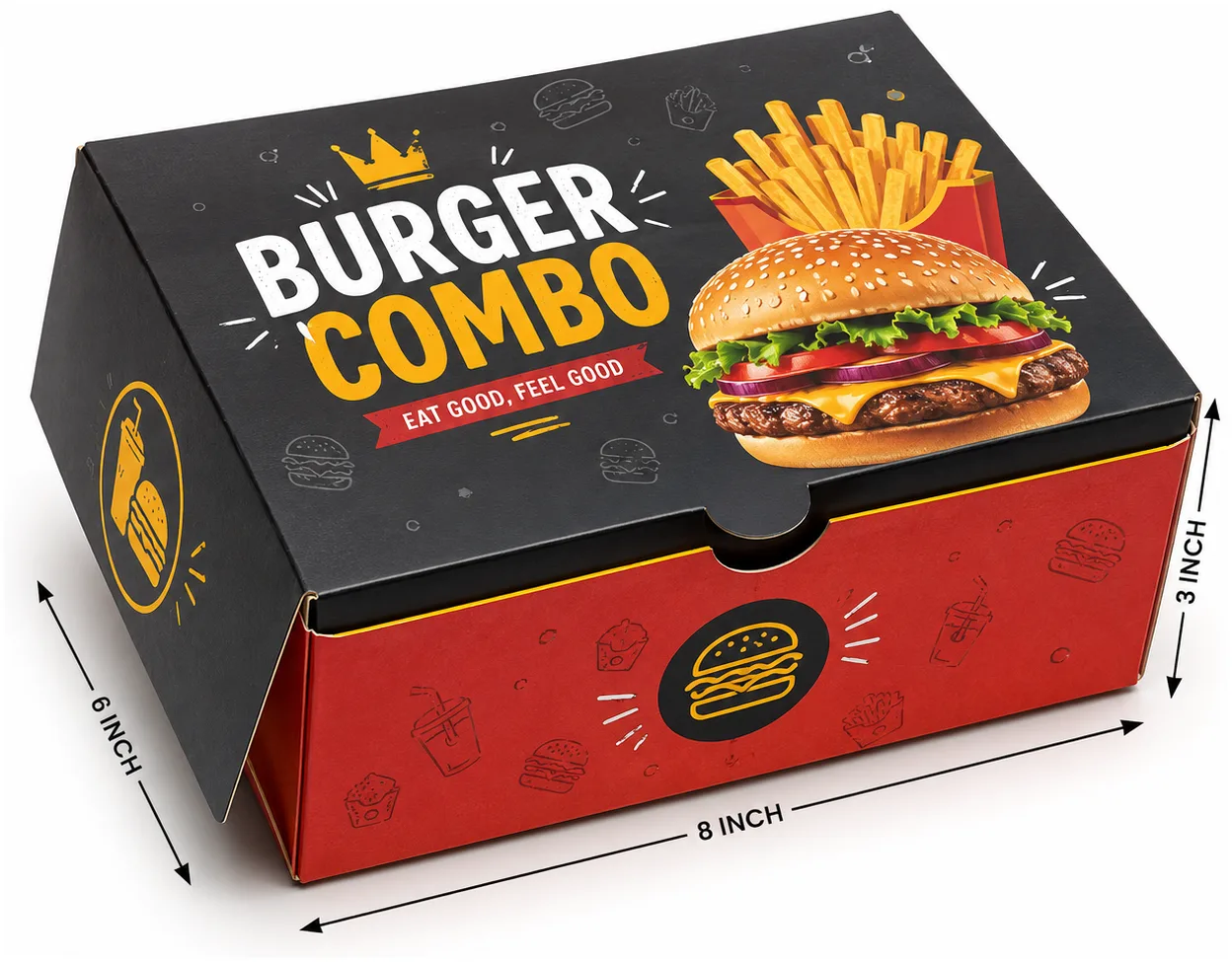
8x6x3 Inch White Burger Meal Box for Restaurants
Premium 8x6x3 inch white corrugated burger box designed for restaurants, cafes, cloud kitchens, and takeaway businesses.
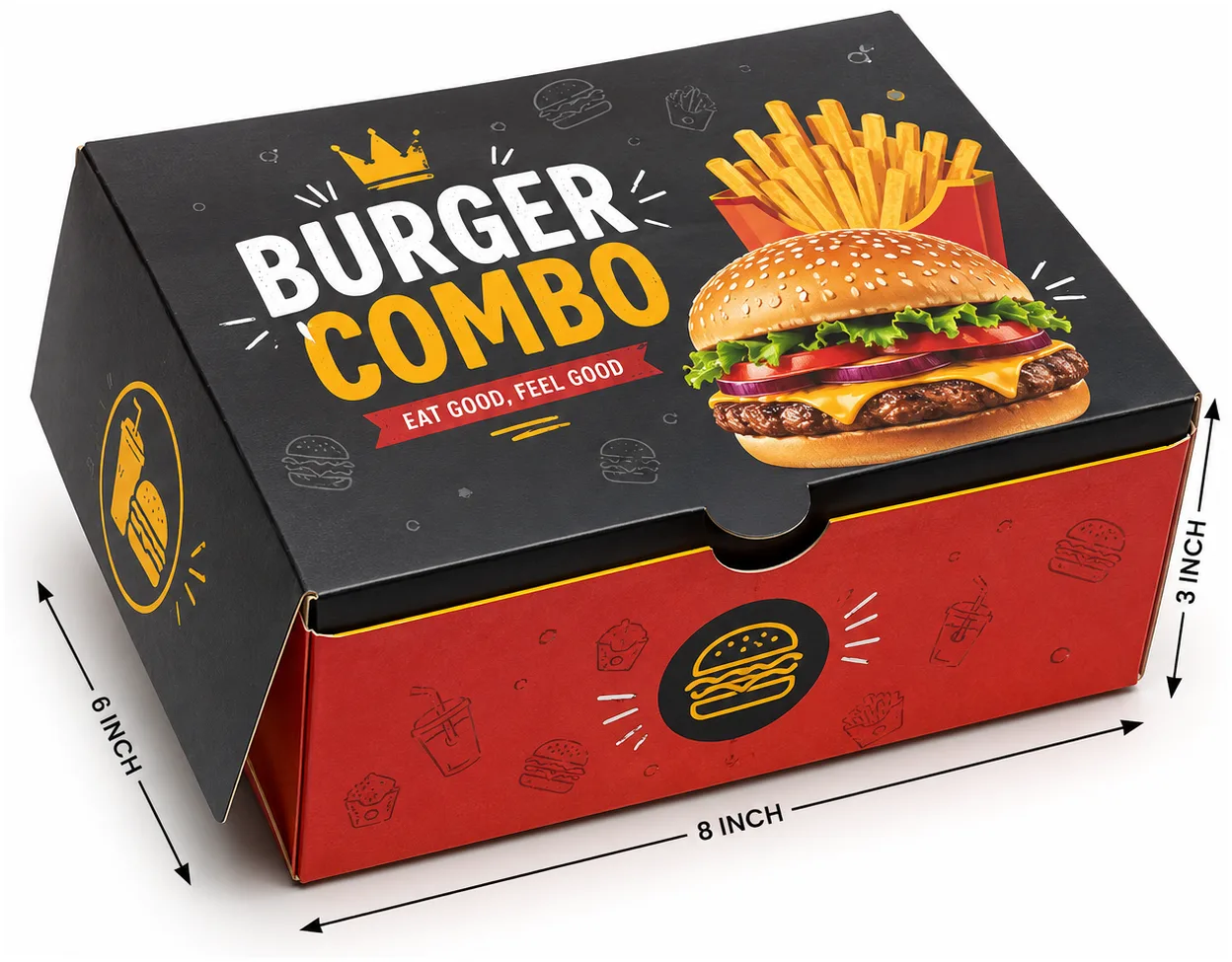
8x6x3 Inch Printed Burger Combo Box for Restaurants
Premium 8x6x3 inch printed white corrugated burger box designed for restaurants, cafes, cloud kitchens, and takeaway businesses.
Related Buying Guides
Die-Cut Box vs Regular Slotted Carton: Which Format Fits Your Product?
Read guide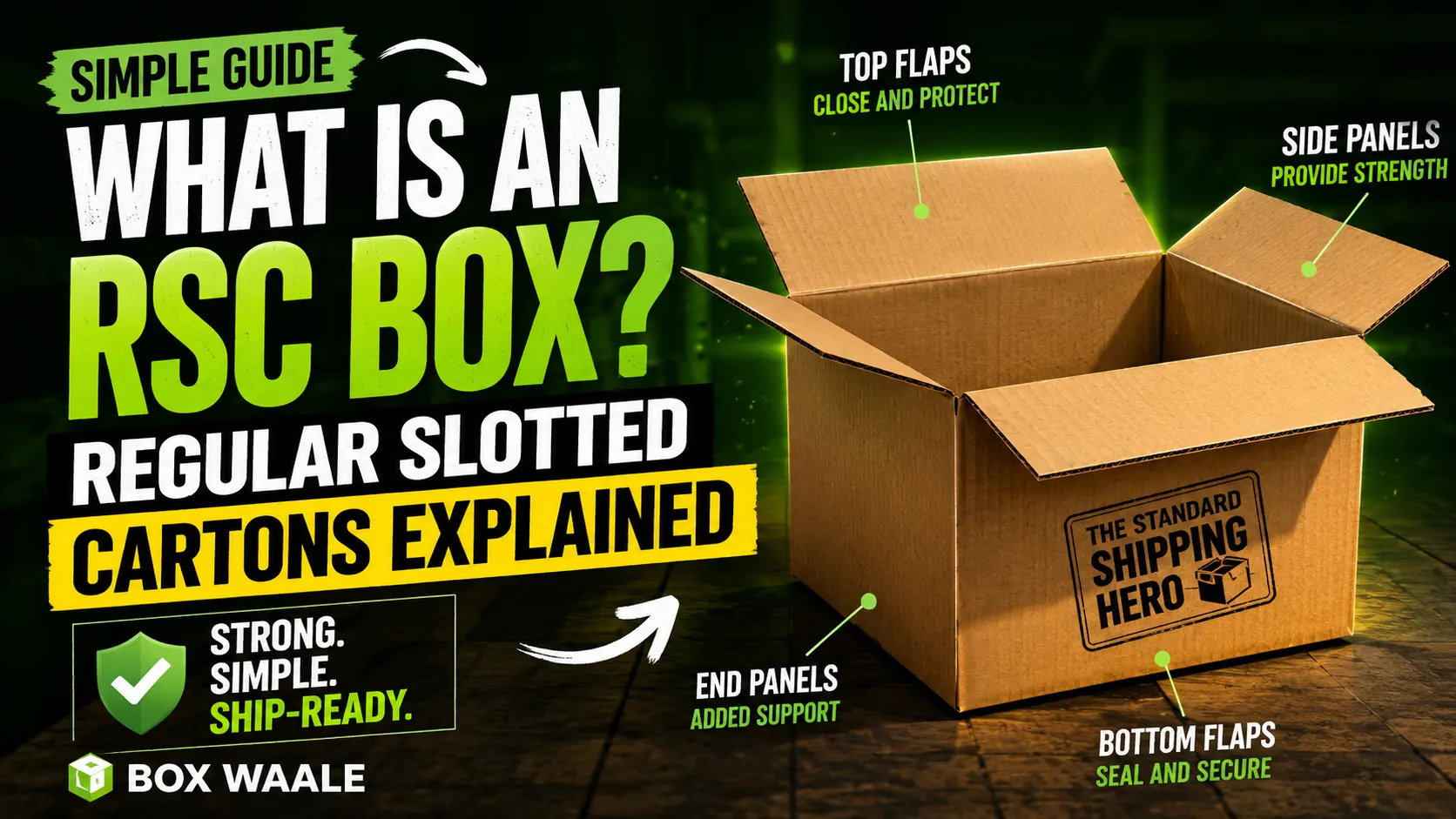
What Is an RSC Box? Regular Slotted Cartons Explained
Read guide
Mono Carton vs Corrugated Box: Construction, Uses and Cost Compared
Read guide
Corrugated Rolls, Sheets and Boxes: Which Protective Format Do You Need?
Read guide