
Published 2 Aug 2026· Updated 29 Aug 2026
How to Read and Write a Corrugated Box Specification Sheet
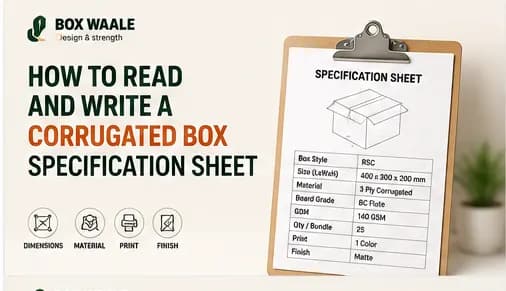
A practical, downloadable-style template for writing a corrugated box specification sheet, with every term explained so buyers and suppliers work from the same reference.
Key Takeaways
- A written corrugated box specification sheet gives a supplier a precise, unambiguous manufacturing target and gives the buyer a fixed reference to inspect deliveries against, unlike a verbal brief.
- Internal dimensions describe the usable space inside the box where the product sits, while external dimensions describe the outer footprint of the erected box, relevant for palletising and freight.
- Specifying flute type, such as B, C or E flute, gives a supplier more precision than stating paper weight alone, since flute type affects cushioning, wall thickness, stacking strength and print quality.
- A specification sheet should state acceptable tolerance ranges for dimensions and board weight, since no manufacturing process holds a size to exactly zero variation.
- Including a revision date and version number on a specification sheet prevents confusion about which version is current when a dimension or print element changes over time.
- A signed specification sheet with defined tolerances is a stronger reference point than a verbally agreed brief if a dispute arises over whether a delivered batch met the agreed quality.
How to Read and Write a Corrugated Box Specification Sheet
Table of Contents
Most packaging disputes trace back to the same root cause: the buyer and supplier never wrote down exactly what was agreed. A proper specification sheet fixes that by turning a verbal understanding into a document both sides can check every order against. Here's how to read one, what each field actually means, and a simple template you can adapt.
Why a Specification Sheet Matters More Than a Verbal Brief
A phone call or WhatsApp message describing "a strong box, about this big" feels efficient in the moment, but it leaves too much open to interpretation — and interpretation gaps are exactly where quality disputes, dimension mismatches and repeat-order inconsistencies come from. A written specification sheet does two things a verbal brief can't: it gives your supplier a precise, unambiguous target to manufacture against, and it gives you a fixed reference to inspect deliveries against later, rather than relying on memory of what was discussed weeks earlier.
This matters even more for repeat orders. Without a written spec, small drifts can creep in over successive production runs — a slightly different board grade, a marginally different flute — without anyone deciding to change anything on purpose.
Core Fields: Dimensions, Board and Flute
These fields form the structural backbone of any specification sheet:
- Internal dimensions (L x W x H): The usable space inside the erected box where your product sits. This is what your product actually needs to fit.
- External dimensions: The outer footprint of the erected box, relevant for palletising, freight calculation and warehouse storage planning.
- Board grade/construction: Whether the box is single wall, double wall, or triple wall, and the paper grade (GSM) of each liner and the fluting medium.
- Flute type: Common flute profiles like B, C or E flute each offer a different balance of cushioning, wall thickness, stacking strength and print quality. Specifying flute type gives your supplier far more precision than just stating a paper weight.
- Box style: The construction style — for example a regular slotted container versus a die-cut style — since this affects both strength and assembly.
It also helps to note which fields are fixed and which have some flexibility. For example, you might be firm on internal dimensions but flexible on exact board GSM as long as a minimum strength expectation is met — spelling this out prevents your supplier from either over-engineering the box unnecessarily or assuming more flexibility than you actually intended.
Print, Tolerances and Quantity Terms
Beyond the structural basics, these fields prevent ambiguity on the details that cause the most back-and-forth:
- Print specification: Number of colours, print process, panel placement for each graphic element, and any barcodes or QR codes with required size and scan-readability. Reference an approved proof file wherever possible.
- Tolerances: No manufacturing process holds a dimension to exactly zero variation. State an acceptable tolerance range for dimensions and board weight so that normal production variation isn't mistaken for a quality defect on either side.
- Quantity and unit of order: Total quantity, minimum order quantity if applicable, and whether quantities are counted per piece, per bundle or per pallet.
- Packing and delivery terms: How the boxes themselves are bundled, palletised and delivered, since this affects how you receive and store them.
One field that's easy to forget but genuinely useful is a revision date and version number on the specification sheet itself. If a design changes over time — a dimension tweak, a new print element — having a version history prevents confusion about which specification is actually current, especially when multiple people on your team or your supplier's team are involved in approvals.
A Simple Specification Template You Can Reuse
A workable specification sheet doesn't need to be complicated. At minimum, it should capture:
- Product name/SKU the box is for, and date of specification
- Internal dimensions (L x W x H) with tolerance
- External dimensions with tolerance
- Board construction: number of walls, liner GSM, flute medium GSM, flute type
- Box style/construction type
- Print details: colours, process, panels, special elements, reference proof
- Quantity, minimum order quantity, and packing/delivery format
- Approved sample reference (date and signed-off sample, if one exists)
Once you have this filled in for a product, keep it on file and reference it on every reorder rather than re-briefing verbally each time. If you're setting this up for the first time, our team can walk you through filling one in correctly for your specific product — reach out to Boxwaale and we'll help build it with you rather than leaving you to guess at terminology.
A written specification also protects both sides commercially. If a dispute ever arises over whether a delivered batch met the agreed quality, a signed specification sheet with defined tolerances is a far stronger reference point than trying to reconstruct what was verbally agreed months earlier.
How Boxwaale Helps
Boxwaale prepares a written specification sheet for every custom order and keeps it on file for reorders, so repeat production stays consistent instead of drifting over time. We also help first-time buyers translate a rough product brief into proper technical fields — dimensions, board grade, flute and tolerances — so nothing gets lost between what you meant and what gets manufactured.
Frequently Asked Questions
Related Packaging Guide
Planning a packaging order?
Turn this guidance into a box specification
Share the product dimensions, packed weight, quantity, printing requirement and delivery postcode. Boxwaale will help narrow down the appropriate size, ply and board specification before quoting.
Frequently Asked Questions
Related Products
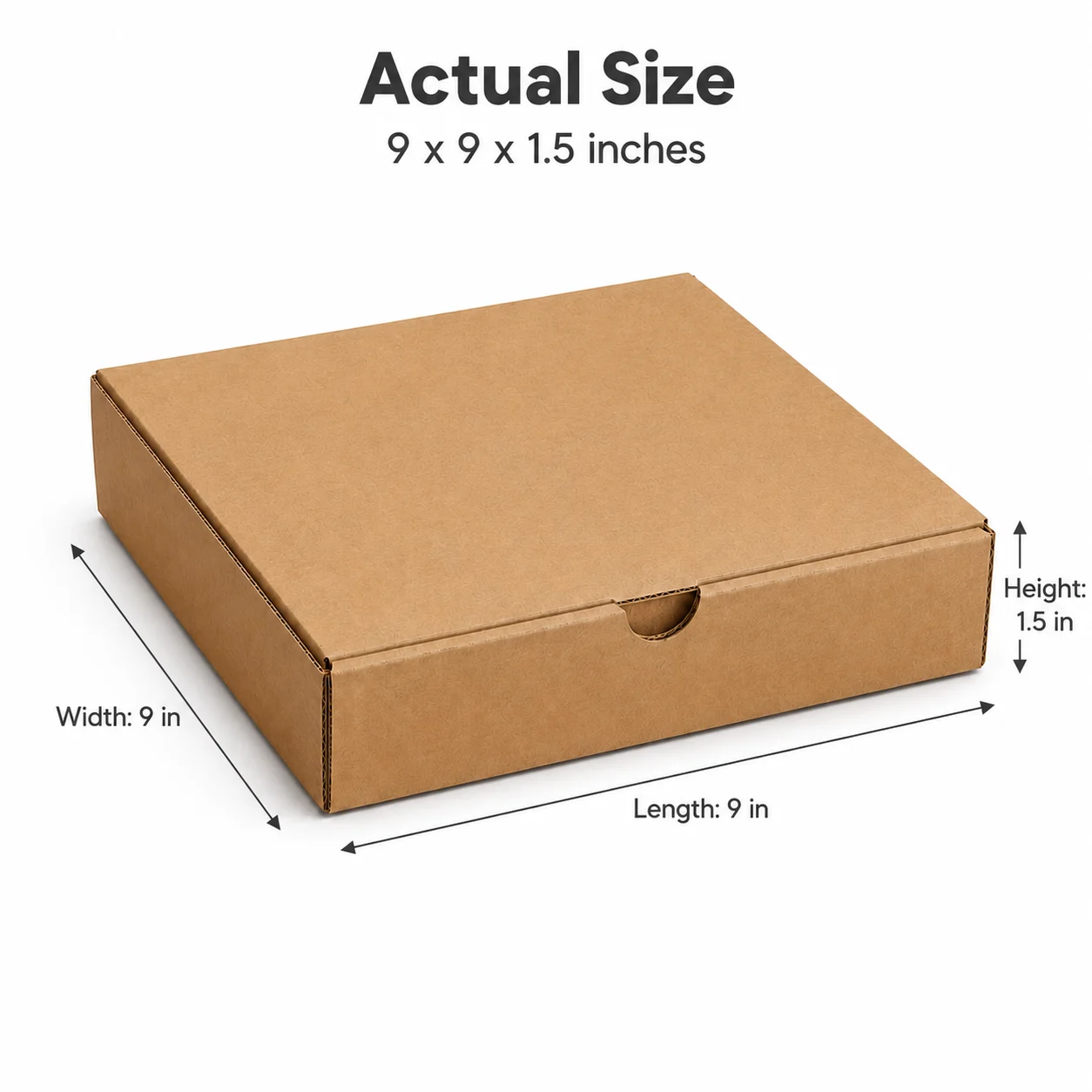
9x9 Inch Brown Corrugated Pizza Box for Food Delivery
Durable 9x9 inch brown corrugated pizza box designed for restaurants, cafes, cloud kitchens, and food delivery businesses.
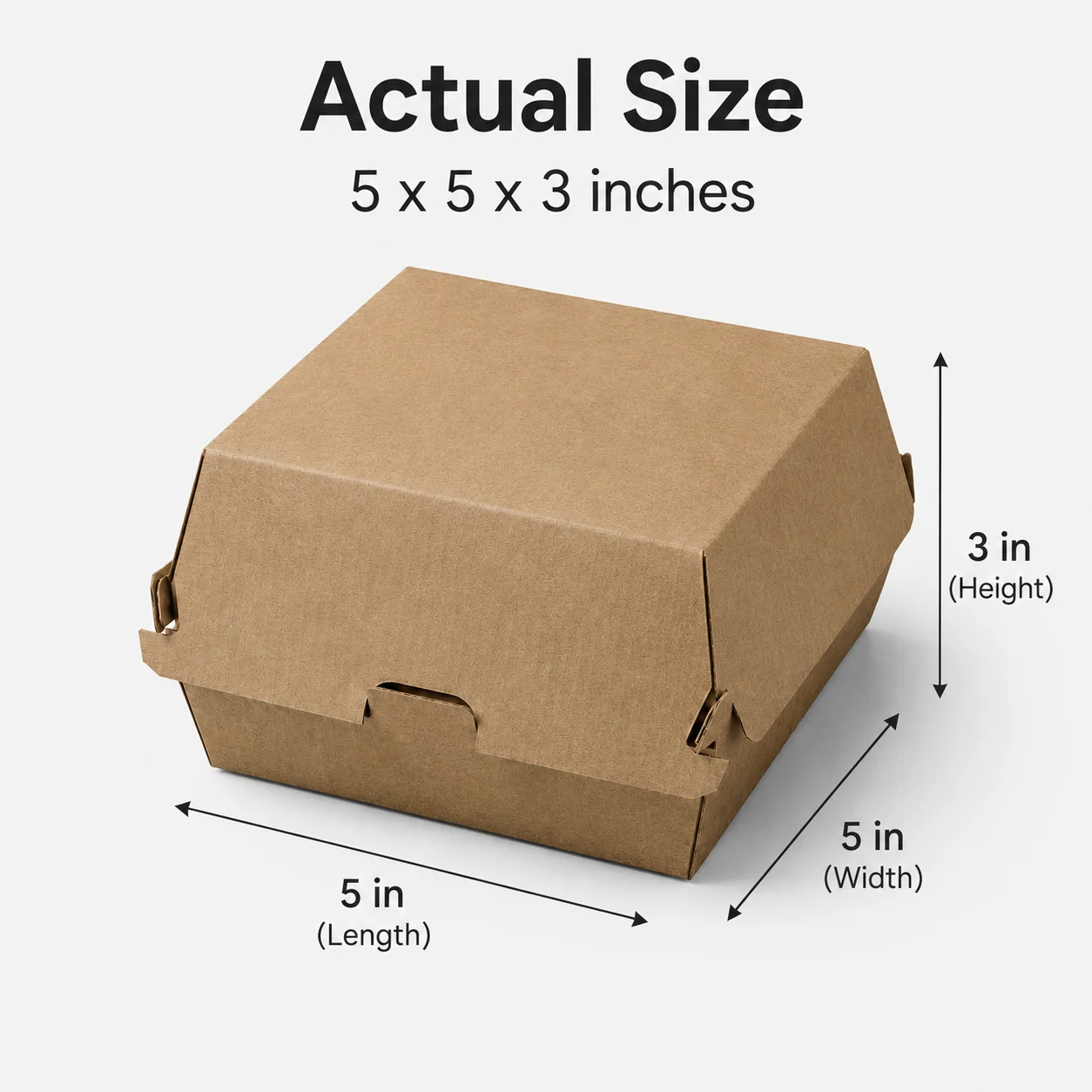
5x5 Inch Brown Kraft Burger Box for Takeaway & Food Delivery
Durable 5x5 inch brown kraft burger box designed for restaurants, cafes, cloud kitchens, and takeaway food packaging.

8x8 Inch Brown Kraft Cake Box for Bakery & Pastry Packaging
Premium 8x8 inch brown kraft cake box designed for bakeries, cafes, cloud kitchens, pastry shops, and dessert packaging.
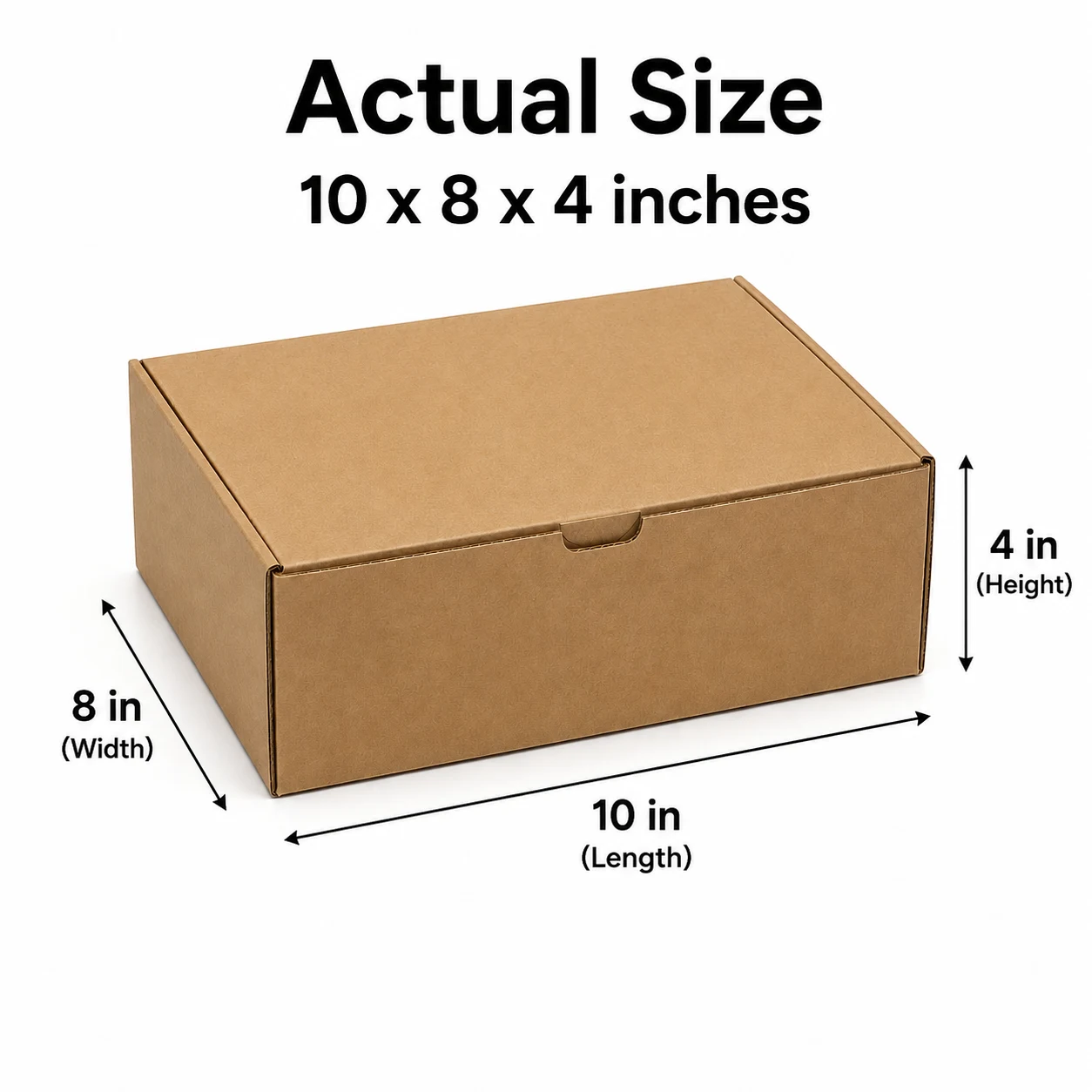
10x8x4 Inch Brown Corrugated Courier Box for E-commerce Shipping
Durable 10x8x4 inch brown corrugated courier box designed for e-commerce shipping, product delivery, storage, and secure packaging.
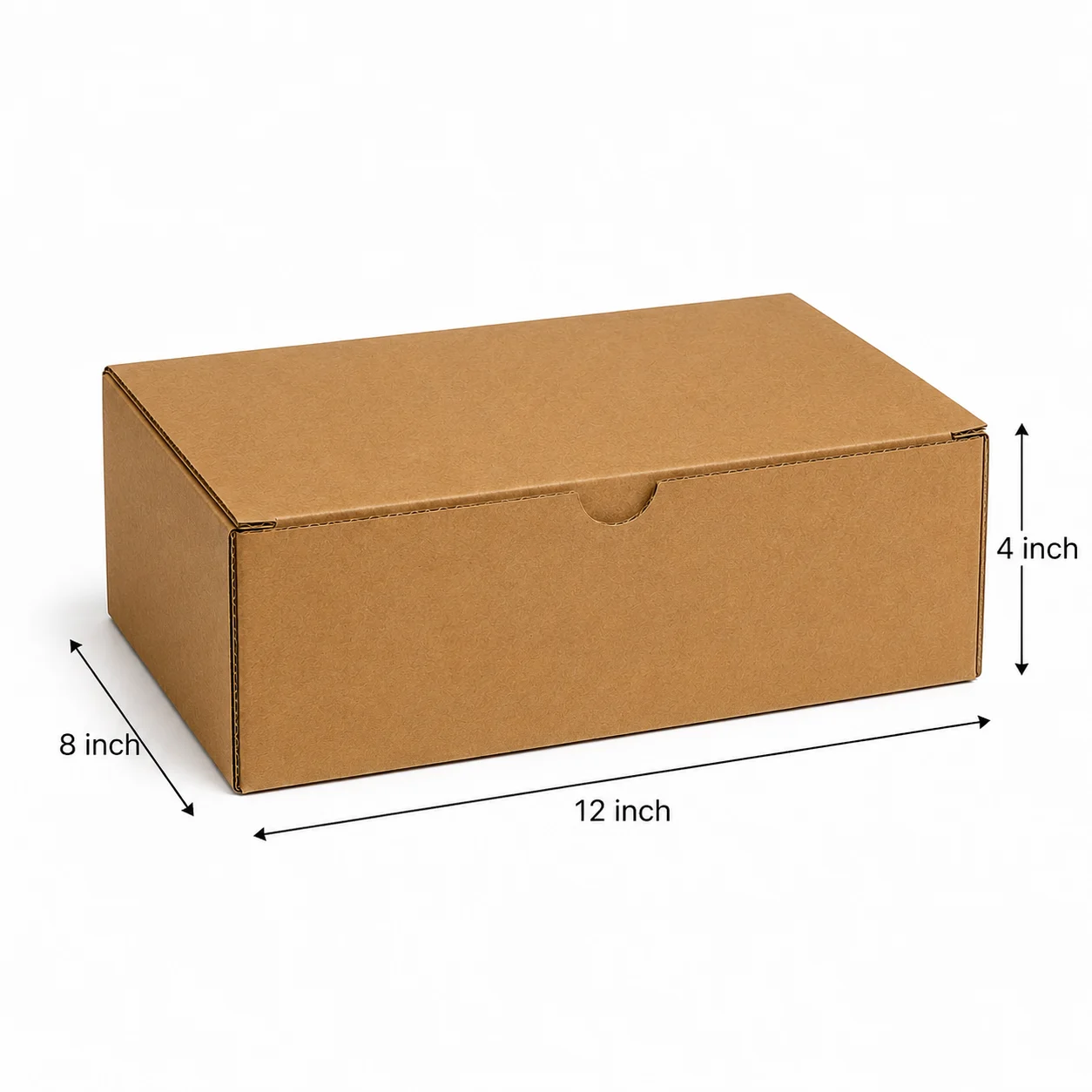
12x8x4 Inch Brown Corrugated 6 Bottle Nail Paint Packaging Box
Durable 12x8x4 inch brown corrugated nail paint box with six internal compartments, designed for cosmetic packaging, storage, gifting, and safe delivery.
Related Buying Guides
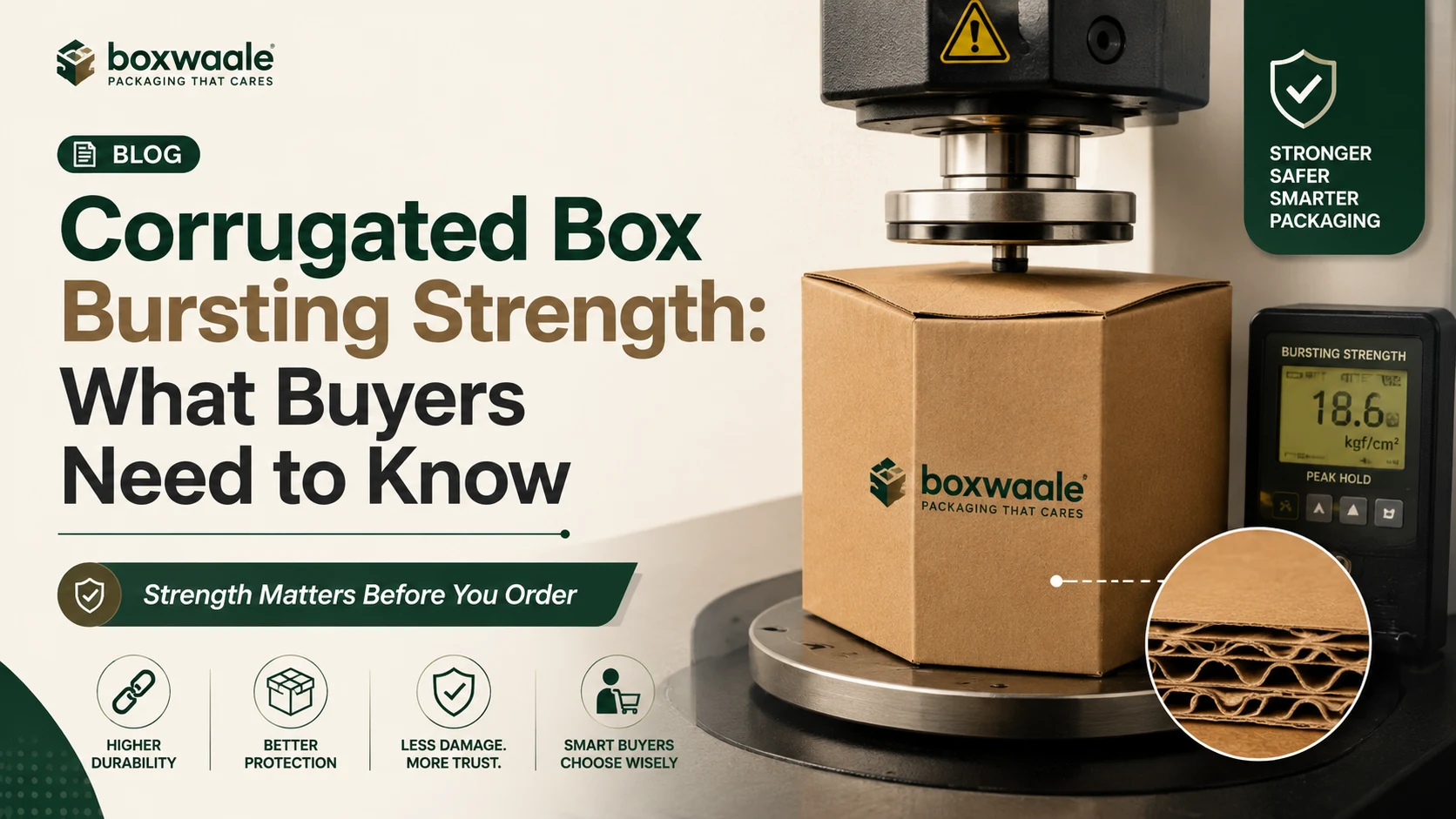
Corrugated Box Bursting Strength: What Buyers Need to Know
Read guide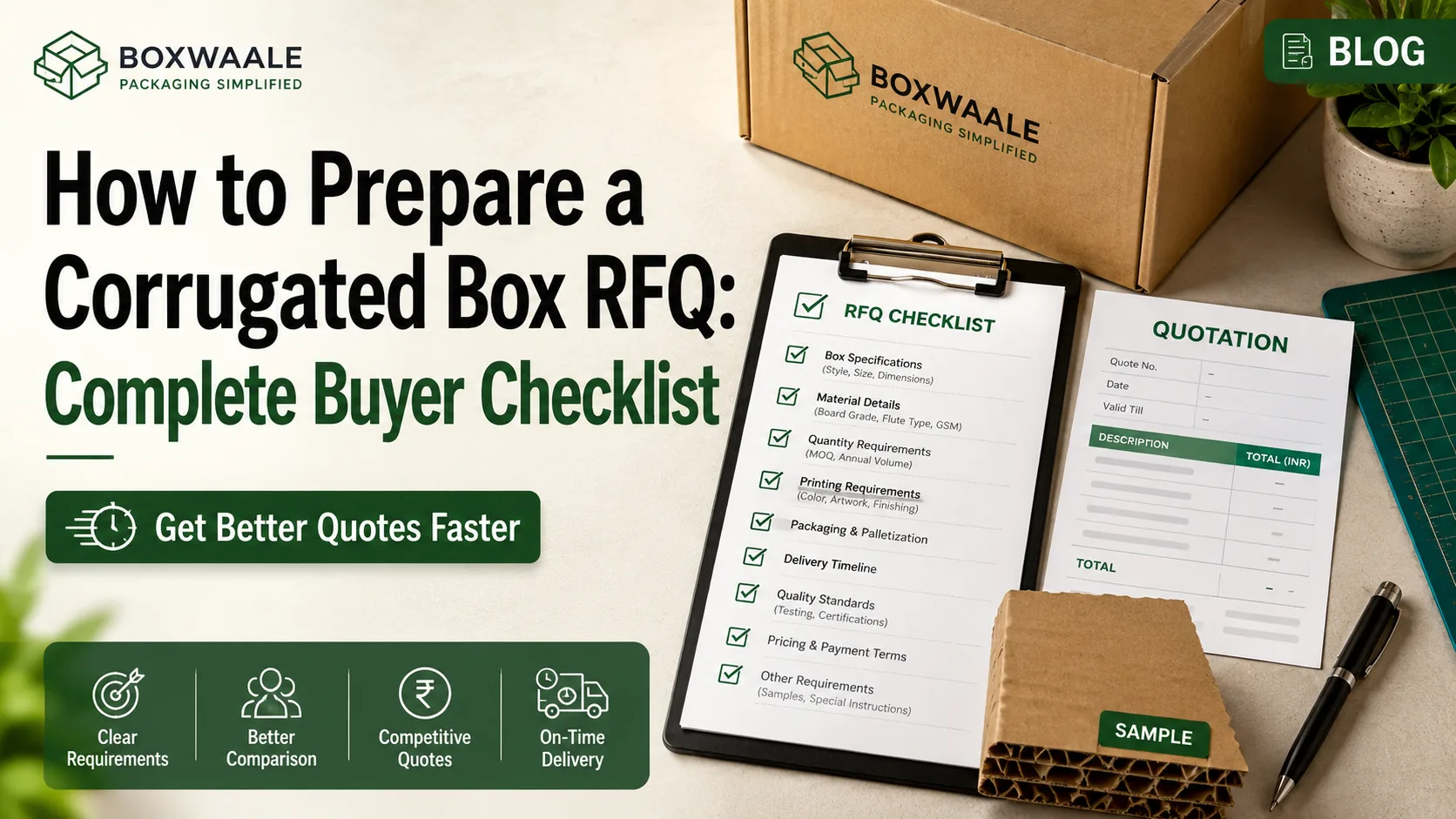
How to Prepare a Corrugated Box RFQ: Complete Buyer Checklist
Read guide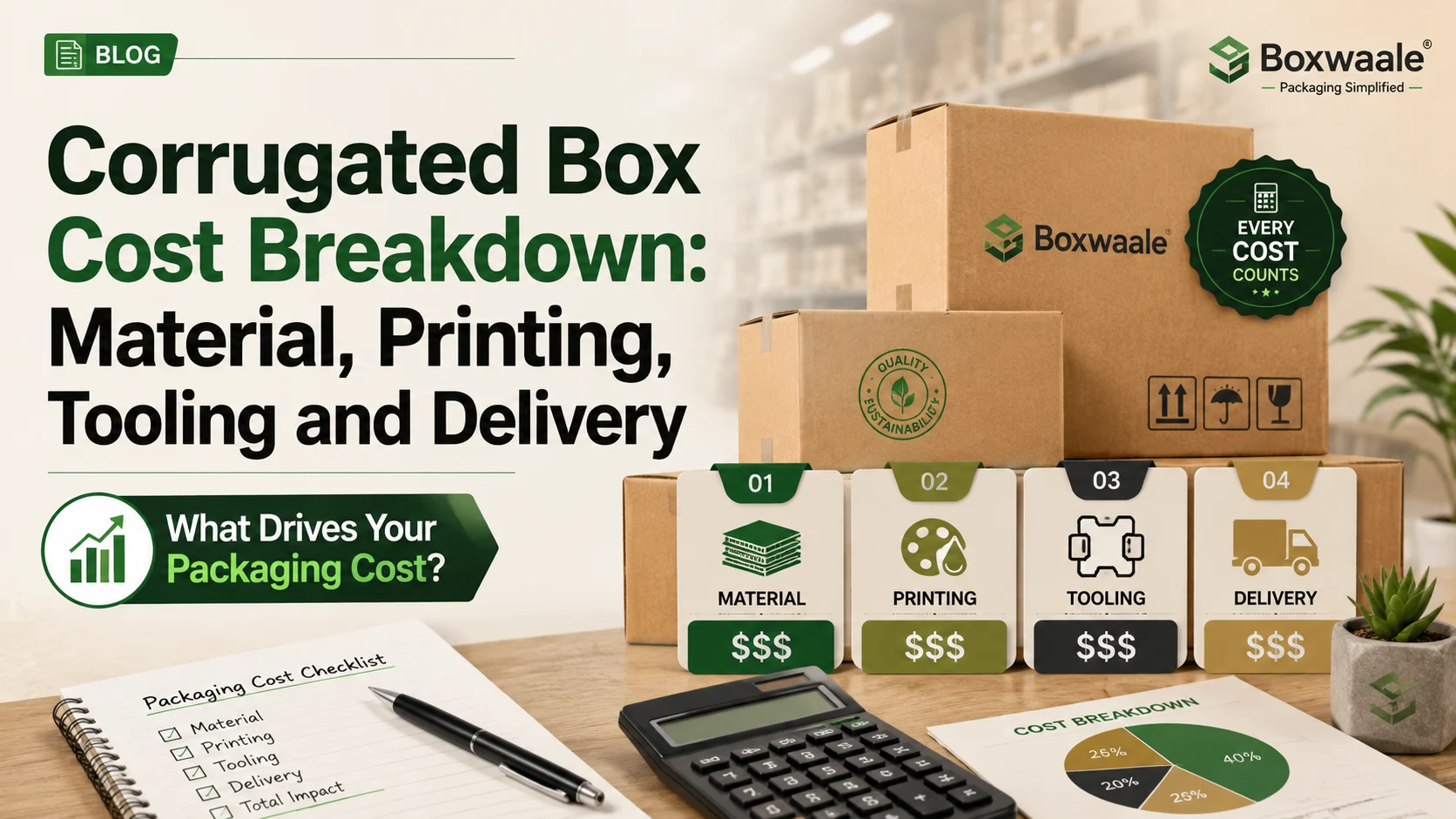
Corrugated Box Cost Breakdown: Material, Printing, Tooling and Delivery
Read guide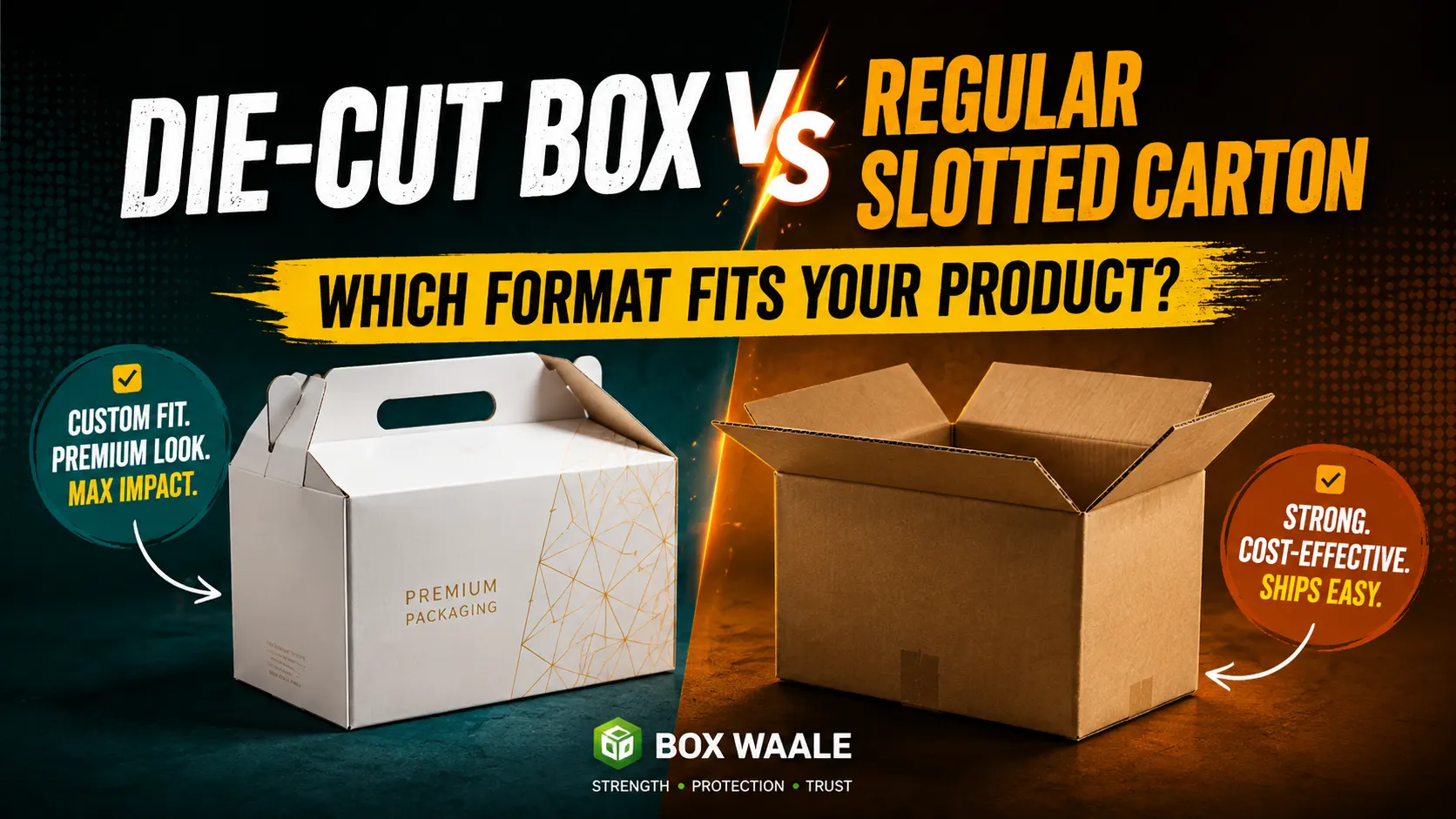
Die-Cut Box vs Regular Slotted Carton: Which Format Fits Your Product?
Read guide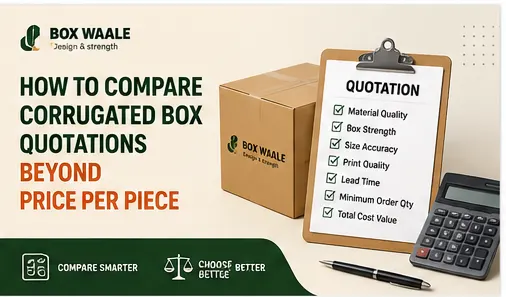
How to Compare Corrugated Box Quotations Beyond Price Per Piece
Read guide