
Published 2 Aug 2026· Updated 29 Aug 2026
How to Compare Corrugated Box Quotations Beyond Price Per Piece
A procurement guide to comparing corrugated box quotations beyond the headline price per piece, covering specification, testing, tooling, tax, freight and payment terms.
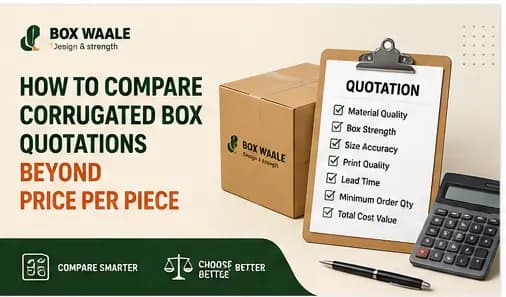
Key Takeaways
- Two corrugated box quotations can show the same price per piece while differing in paper grade, wall construction, print process, tooling charges, tax treatment or freight terms, so price per piece alone is a misleading comparison.
- Quotes should be compared against the same written specification, including internal and external dimensions, number of plies, paper grade (GSM) and flute type, so suppliers are pricing the same box.
- A tooling or die charge for cutting dies or printing plates is typically a one-time cost per design, but buyers should confirm whether it is included in the per-piece price or billed separately, and whether it is reusable for reorders.
- Comparing a tax-inclusive quote against a tax-exclusive one without adjusting for it gives a misleading picture of which supplier is actually cheaper.
- Confirming what 'delivered' pricing actually covers, including destination, who bears transit risk, and whether the rate is flat or scales with order size, matters, since a slightly higher per-piece price with reliable included delivery can work out cheaper overall.
- Payment terms such as advance payment percentage and milestones tied to production stages affect cash flow and risk exposure as much as the unit price does, particularly on a first order with a new supplier.
How to Compare Corrugated Box Quotations Beyond Price Per Piece
Table of Contents
It's tempting to line up three quotations side by side and pick whichever has the lowest number under "price per piece." That number is almost never comparing the same thing twice. This guide walks through everything else that should be on your comparison sheet before you commit to a supplier.
Why Price Per Piece Alone Is a Misleading Comparison
A quotation is really a bundle of decisions — paper grade, wall construction, print process, tooling, tax treatment, freight and payment terms — compressed into a single number. Two suppliers can quote an identical price per piece while one is using a lighter board or fewer print colours than the other, or while one has folded freight into the price and the other hasn't. Comparing on price alone, without pinning down what's actually included, tends to reward whichever supplier was vaguest in their quote rather than whichever is actually offering the best value.
The fix is straightforward but requires some upfront work: request quotes against the same written specification, using terminology like the fields covered in our guide on writing a proper box specification, rather than a loose verbal description that leaves each supplier free to fill in the gaps differently.
It's worth building a simple comparison sheet of your own rather than relying on each supplier's quotation format, since suppliers rarely present information the same way. List the fields you care about as rows and each supplier as a column — this makes gaps in a particular quote immediately obvious instead of buried in paragraph text.
Specification Fields to Line Up Across Quotes
Before comparing prices, confirm that every quote is actually pricing the same box. Check that each supplier's quote states:
- Internal and external dimensions — not just a rounded size that might differ by a few millimetres between suppliers
- Number of plies/walls — single, double or triple wall, since this is one of the biggest cost and strength drivers
- Paper grade (GSM) for each liner and the fluting medium — a lower GSM board can look cheaper while being meaningfully weaker
- Flute type — different flute profiles change both cushioning and cost
- Testing basis quoted, if any — whether the quote references any specific board strength testing, and on what basis, so you're not comparing an untested assumption against a validated one
If a quote is missing one of these fields entirely, treat that as a prompt to ask rather than an assumption that it's included for free. Suppliers aren't necessarily being evasive by leaving a field out — quotation formats vary — but an unstated field is still a real cost or specification decision that needs to be pinned down before you compare numbers.
Tooling, Print and Testing Costs Hidden in the Fine Print
These are the line items most likely to cause a nasty surprise on the final invoice if they weren't clarified upfront:
- Tooling/die charges: Creating the cutting die or printing plates for your specific box design is typically a one-time cost, but ask explicitly whether it's included in the quoted per-piece price, billed separately, and whether it's reusable for future reorders of the same design.
- Print process and colour count: Flexo print, offset lamination, and different colour counts carry different costs — make sure quotes are comparing the same print specification, not one supplier quoting a simpler print job than another.
- Sample and approval costs: Some suppliers charge for pre-production samples, others don't — worth clarifying before assuming it's free.
- Minimum order quantity (MOQ): A lower per-piece price often comes attached to a higher MOQ; check whether the quoted price actually applies at the order volume you need.
Also ask each supplier directly what happens if a batch doesn't meet the agreed specification — is there a replacement policy, a credit, or no formal recourse at all. This isn't usually printed on a standard quotation but matters just as much as price once you're committed to a supplier for repeat orders.
Tax, Freight and Payment Terms
The commercial terms around a quote affect your real landed cost and cash flow as much as the manufacturing specification does:
- Tax treatment: Confirm whether quoted prices are inclusive or exclusive of applicable GST, and ask for both figures shown clearly so you're comparing like for like across suppliers.
- Freight terms: Clarify what "delivered" pricing actually covers — destination point, who bears risk in transit, and whether the rate is flat or scales with order size. A slightly higher per-piece price with reliable included delivery can be the better overall deal.
- Payment terms: Advance payment percentage, milestone payments tied to production stages, and whether full payment is due before or after sample approval all affect your risk exposure, particularly on a first order with a new supplier.
- Lead time commitments: A cheaper quote with an unreliable or unstated lead time can cost more in stockouts or rush freight than a slightly pricier one with a firm delivery date.
Once you've lined up specification, tooling, tax, freight and payment terms side by side, the real cost difference between suppliers usually looks quite different from what the initial price-per-piece comparison suggested. If it's useful, you can also run the numbers through our box price calculator to get a sense of how specification changes affect cost before you go back to suppliers for a revised quote.
Finally, don't treat the first quotation round as final — most suppliers expect some negotiation, and a clarified, apples-to-apples comparison across two or three suppliers puts you in a much stronger position to negotiate than a single quote taken at face value.
How Boxwaale Helps
Boxwaale provides itemised quotations that separate specification, tooling, print, tax and freight clearly, so you're never comparing our number against a competitor's number without knowing what's actually different underneath. We're also happy to walk through a competing quote with you and point out what to clarify before you decide.
Frequently Asked Questions
Related Packaging Guide
Planning a packaging order?
Turn this guidance into a box specification
Share the product dimensions, packed weight, quantity, printing requirement and delivery postcode. Boxwaale will help narrow down the appropriate size, ply and board specification before quoting.
Frequently Asked Questions
Related Products
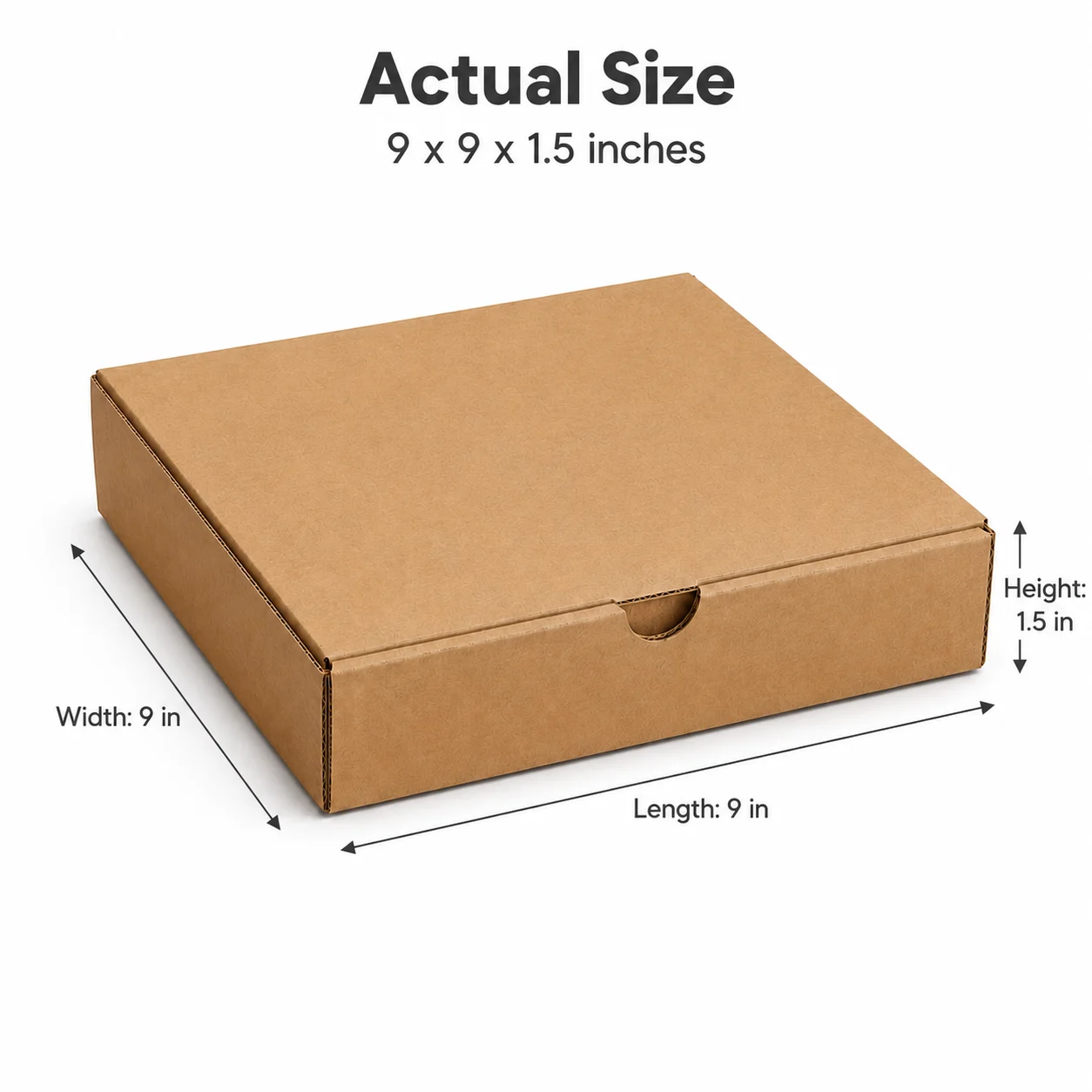
9x9 Inch Brown Corrugated Pizza Box for Food Delivery
Durable 9x9 inch brown corrugated pizza box designed for restaurants, cafes, cloud kitchens, and food delivery businesses.
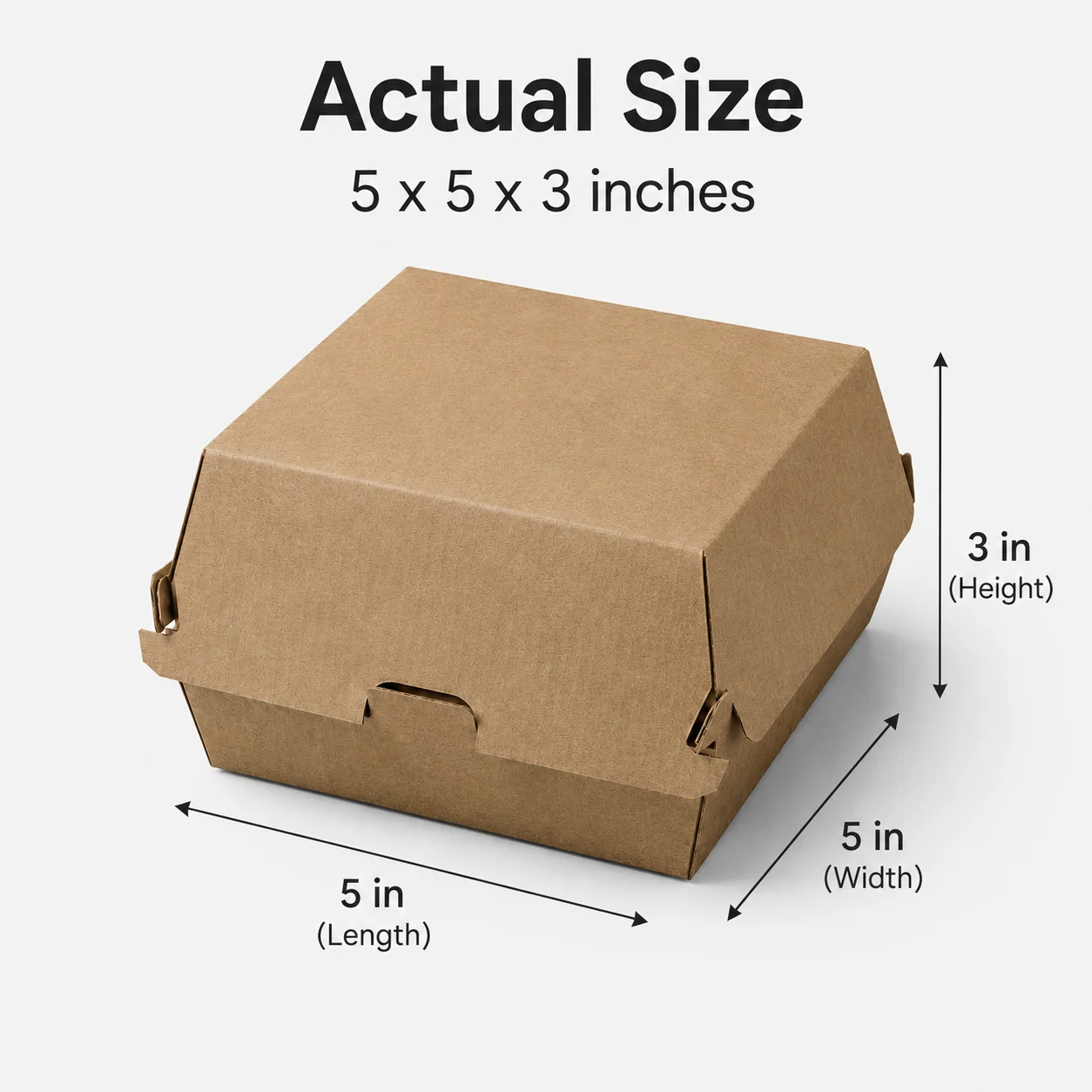
5x5 Inch Brown Kraft Burger Box for Takeaway & Food Delivery
Durable 5x5 inch brown kraft burger box designed for restaurants, cafes, cloud kitchens, and takeaway food packaging.

8x8 Inch Brown Kraft Cake Box for Bakery & Pastry Packaging
Premium 8x8 inch brown kraft cake box designed for bakeries, cafes, cloud kitchens, pastry shops, and dessert packaging.
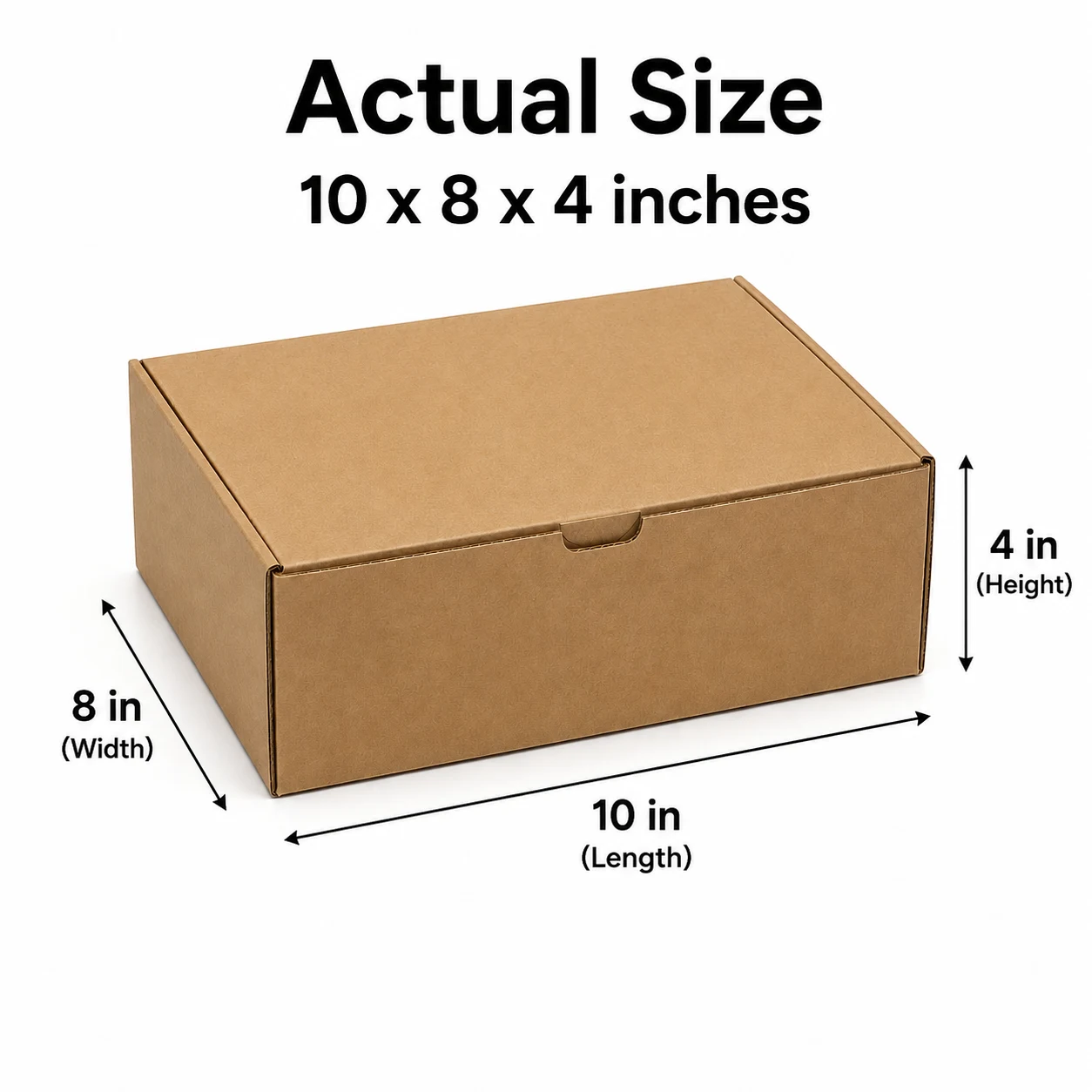
10x8x4 Inch Brown Corrugated Courier Box for E-commerce Shipping
Durable 10x8x4 inch brown corrugated courier box designed for e-commerce shipping, product delivery, storage, and secure packaging.
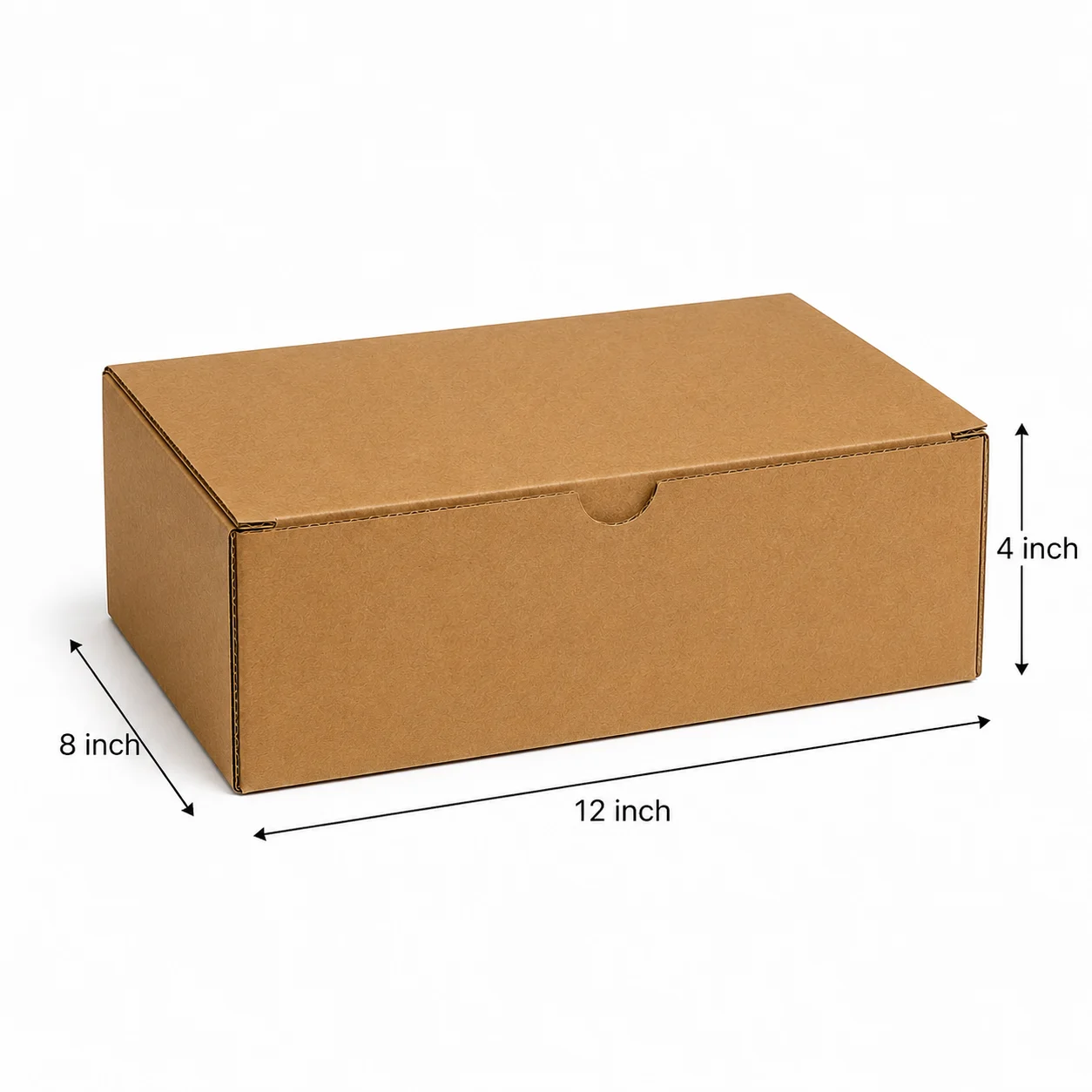
12x8x4 Inch Brown Corrugated 6 Bottle Nail Paint Packaging Box
Durable 12x8x4 inch brown corrugated nail paint box with six internal compartments, designed for cosmetic packaging, storage, gifting, and safe delivery.
Related Buying Guides
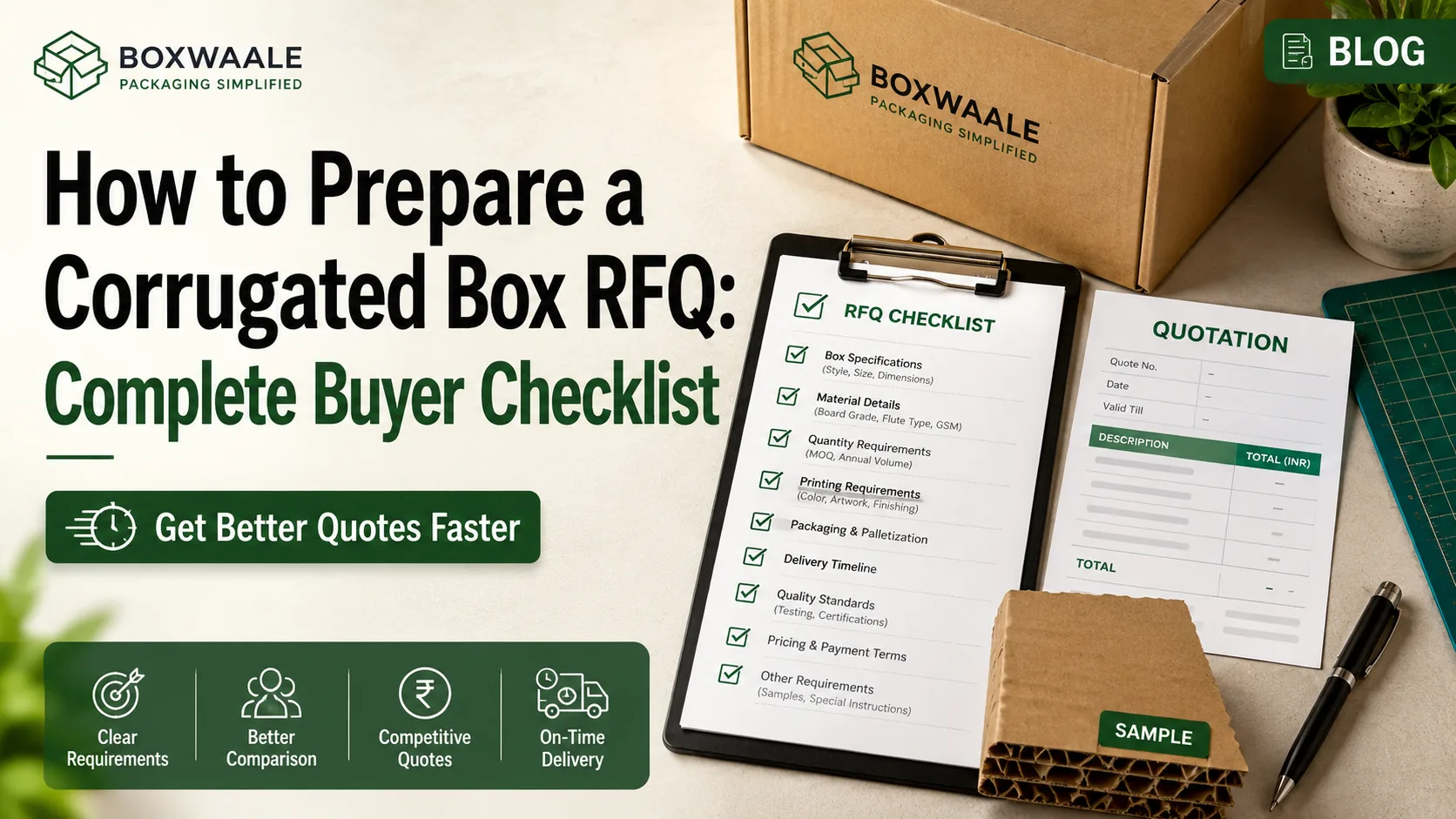
How to Prepare a Corrugated Box RFQ: Complete Buyer Checklist
Read guide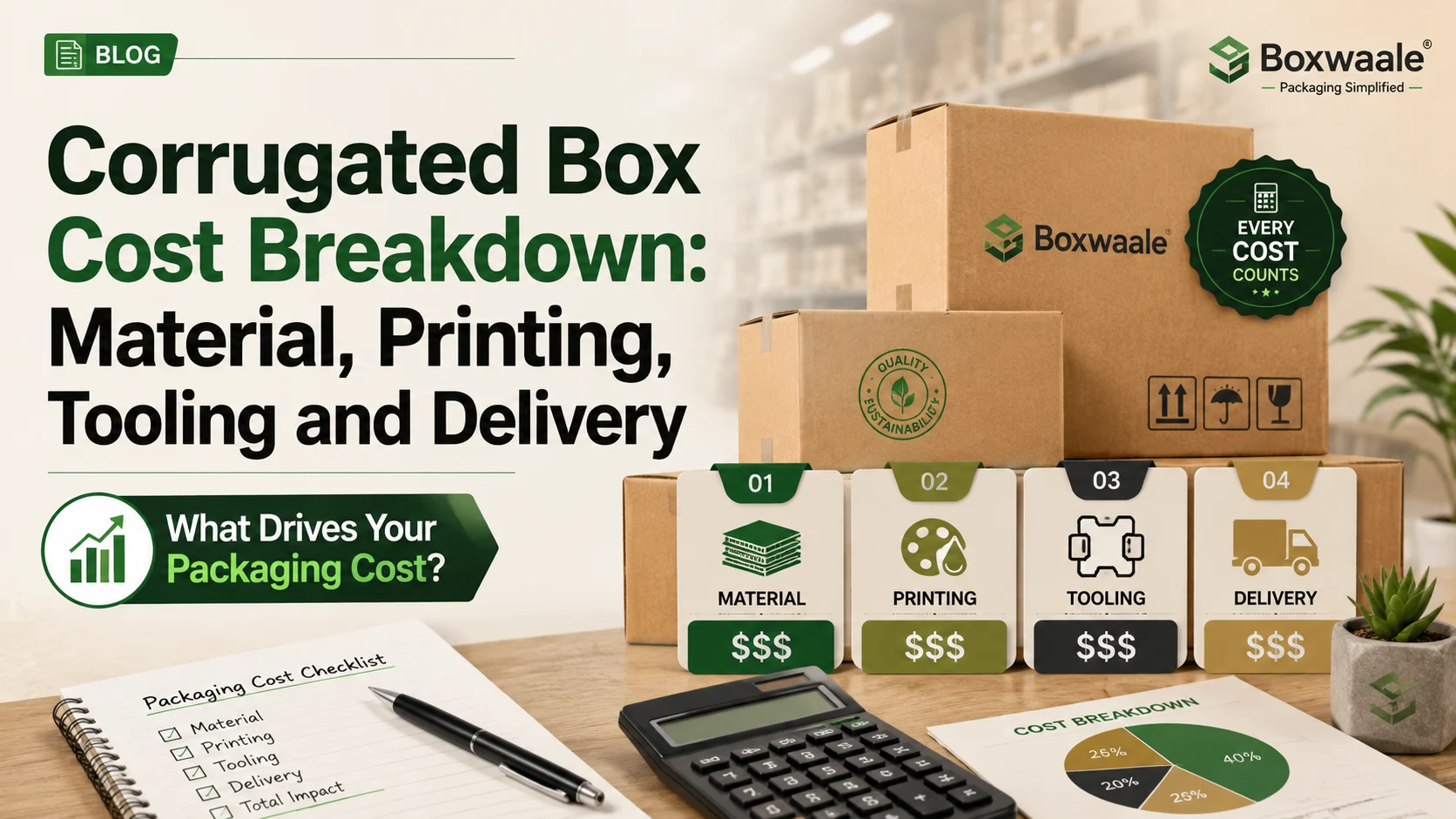
Corrugated Box Cost Breakdown: Material, Printing, Tooling and Delivery
Read guide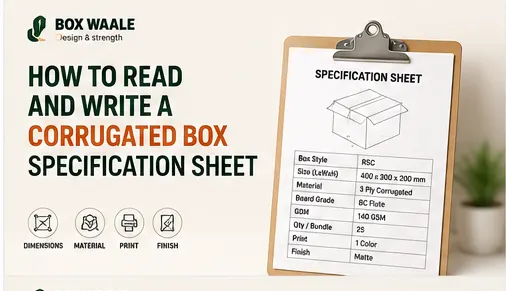
How to Read and Write a Corrugated Box Specification Sheet
Read guide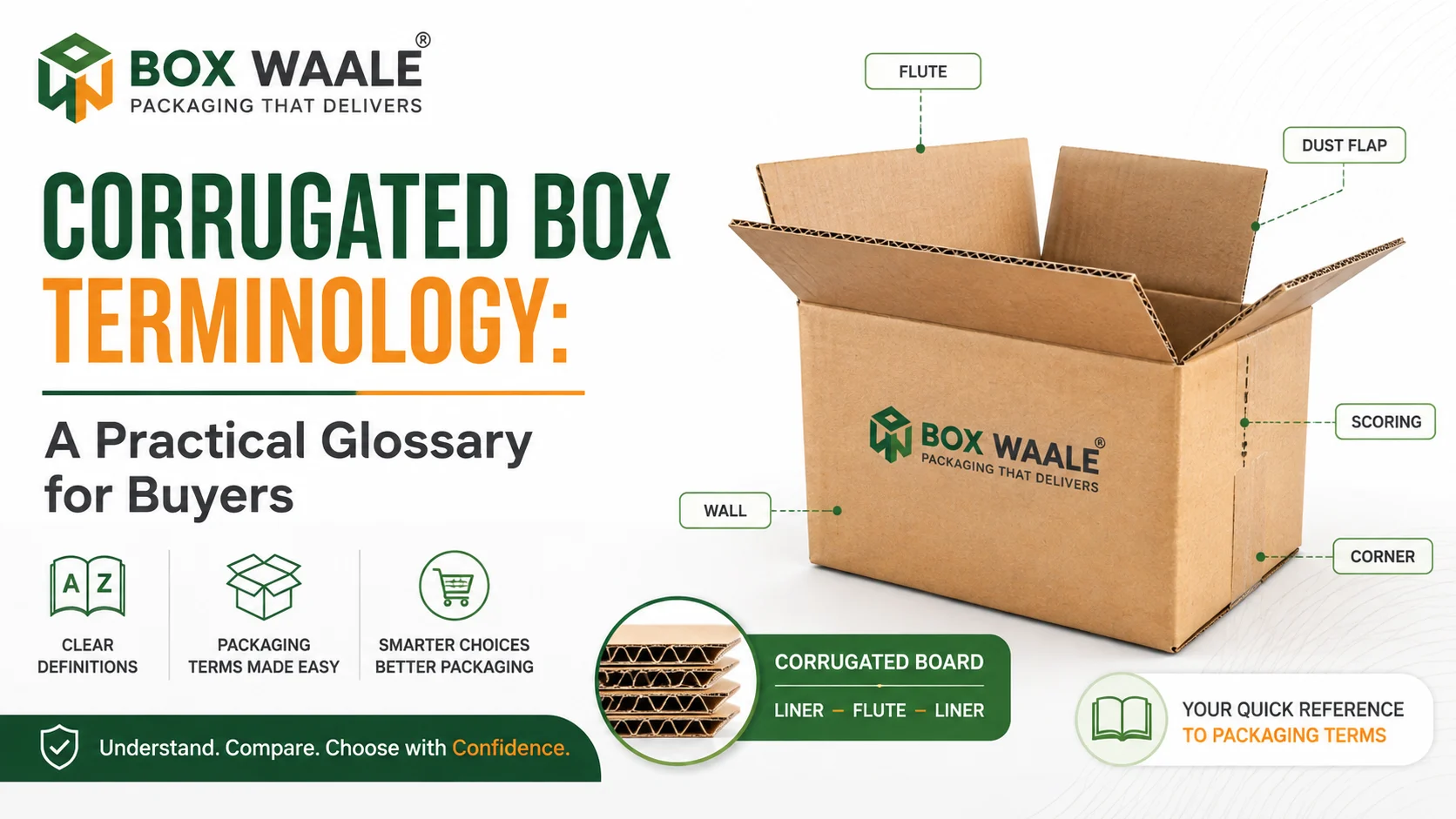
Corrugated Box Terminology: A Practical Glossary for Buyers
Read guide
Packaging Box Price Guide: What Affects Corrugated Box Cost in India?
Read guide