
Published 2 Aug 2026· Updated 29 Aug 2026
Corrugated Box Terminology: A Practical Glossary for Buyers
A practical glossary explaining liner, flute, ply, GSM, BF, ECT, BCT, RSC, joint, blank and dieline in plain language for first-time packaging buyers.
Key Takeaways
- Burst Factor (BF) measures how much pressure a board withstands before bursting when pushed against the flat sheet, while Edge Crush Test (ECT) measures compressive force on the board's edge and relates more directly to stacking strength.
- GSM, or grams per square metre, measures the weight or density of the paper used in liner or flute components, with higher GSM generally indicating a heavier, often stronger paper.
- A dieline is the flat, unfolded template showing where a box will be cut and folded, while a blank is the actual cut piece of corrugated board produced from that dieline, before it is folded and glued.
- RSC, or Regular Slotted Container, is the most common corrugated box style, in which all flaps meet at the centre when folded and the two outer flaps meet edge to edge, because it uses board efficiently across a wide range of products.
- Single-wall board has one flute layer between two liners for 3 layers total, double-wall has two flute layers for 5 layers total, and triple-wall has three flute layers for 7 layers total.
- Box Compression Test (BCT) measures how much compressive force a fully assembled box can withstand before collapsing, giving a more realistic picture of real-world stacking performance than flat-board measures like BF or ECT alone.
Corrugated Box Terminology: A Practical Glossary for Buyers
Table of Contents
Ordering corrugated boxes for the first time means running into a fairly dense vocabulary quickly — flute, ply, BF, ECT, RSC and more, often used by suppliers without explanation. This glossary breaks down the terms that actually matter for a buying decision, grouped by what they describe, so you can read a quote or spec sheet with confidence rather than guessing.
Board Structure: Liner, Flute and Ply
Corrugated board is built from layers, and the terms for those layers come up constantly in any packaging conversation.
- Liner: The flat paper layer on the outside (and, in multi-wall board, between flute layers) of a corrugated sheet. Liner can be kraft (natural brown) or white/coated for printing, and its weight affects both strength and print quality.
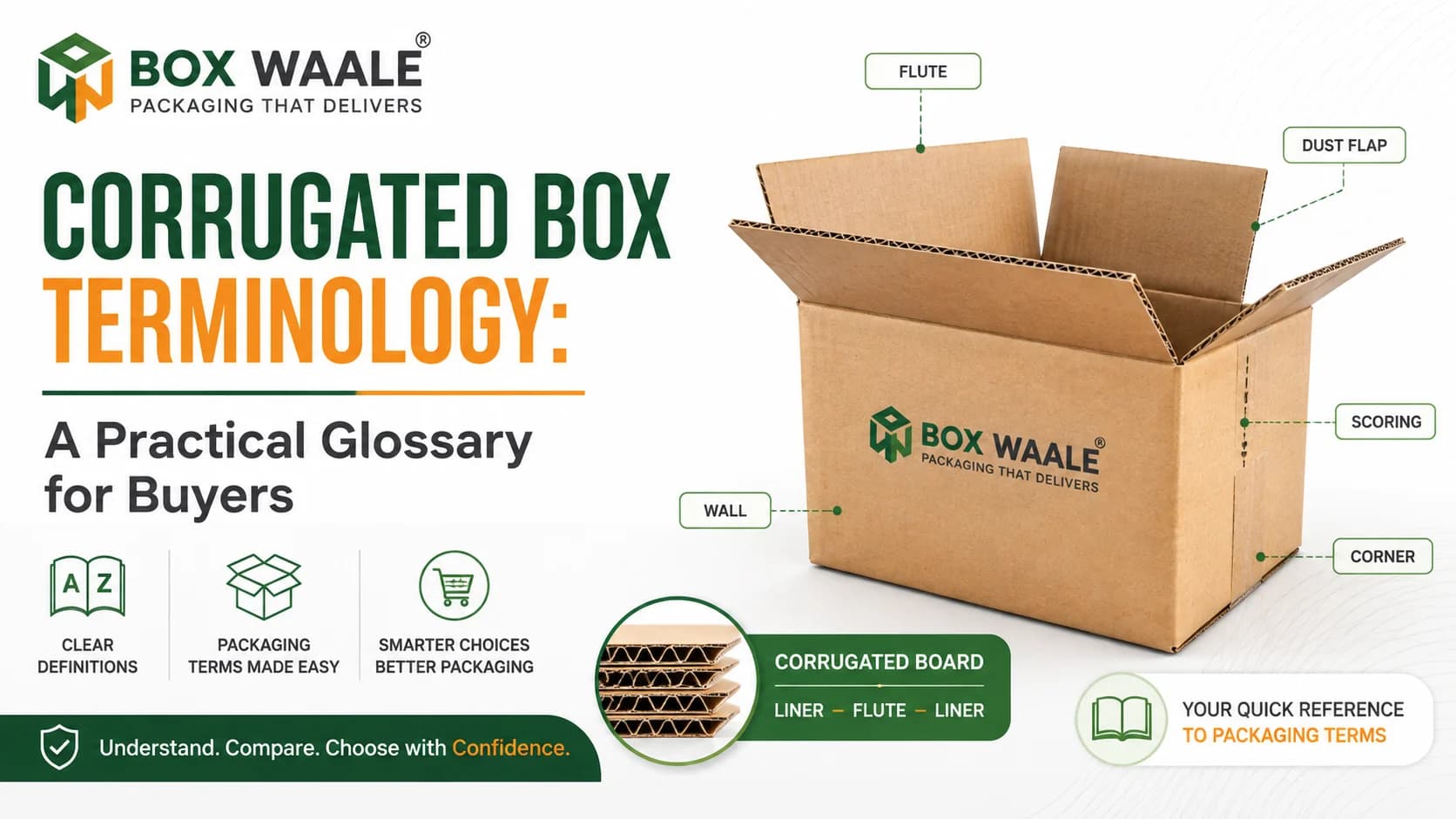
- Flute: The wavy, corrugated paper layer sandwiched between liners, which gives corrugated board its strength and cushioning. Flutes come in different sizes (commonly labelled A, B, C, E and others), each offering a different balance of thickness, crush resistance and print surface quality.
- Ply: Refers to how many liner-and-flute combinations make up the board. Single-wall (3-ply) has one flute layer between two liners; double-wall (5-ply) has two flute layers and three liners; triple-wall (7-ply) has three flute layers and four liners. Higher ply generally means more strength and stacking capacity, at a higher material cost.
When you see a box described as "5-ply" or "double-wall," it's referring to this layered structure, and it's one of the first specifications worth understanding before you compare quotes.
Strength Measures: GSM, BF, ECT and BCT
These are the metrics suppliers use to describe how strong a board or finished box actually is, and they're easy to confuse with each other.
- GSM (grams per square metre): A measure of paper weight/density, used for individual liner or flute paper components. Higher GSM generally indicates a heavier paper, which often (but not always) correlates with more strength.
- BF (Burst Factor): Measures how much pressure the flat board can withstand before bursting through, tested with a specific bursting-strength instrument. Often used as a general strength indicator, especially for single-wall board.
- ECT (Edge Crush Test): Measures the compressive strength of the board when force is applied to its edge, which correlates closely with how well a box will resist crushing when stacked. ECT is widely considered a more direct indicator of stacking strength than BF.
- BCT (Box Compression Test): Measures how much compressive force a complete, assembled box can withstand before it collapses, accounting for the finished box's dimensions and construction, not just the flat board. BCT gives the most realistic picture of real-world stacking performance for a specific box design.
None of these numbers exist in isolation — the right combination depends on your product's weight, how it will be stacked, and how long it will sit under that load, so it's worth discussing your actual use case with a supplier rather than picking a number off a generic chart. You can see how these specifications apply across a working product range on our corrugated boxes page.
Construction Terms: RSC, Joint, Blank and Dieline
These terms describe the shape, cutting and assembly of the finished box.
- RSC (Regular Slotted Container): The most common corrugated box style, where all four flaps at top and bottom meet at the centre when folded, and the two outer flaps meet edge to edge without overlapping. It's popular because it's efficient to produce and works for a wide range of products.
- Joint: The point where the box's board is joined into a continuous tube shape, typically by gluing, stitching (staples) or taping. The joint's strength affects the overall structural integrity of the box, particularly under stacking and handling stress.
- Blank: The flat, die-cut piece of corrugated board, already cut and creased to the box's shape, but not yet folded and joined into its final three-dimensional form. Blanks are typically what get transported and stored before final assembly, since they're more space-efficient flat than folded.
- Dieline: The template or technical drawing showing exactly where a box design will be cut, scored and folded, usually provided as a flat 2D pattern used in design software to place artwork accurately before printing.
Putting the Terms Together When You Order
In practice, a full box specification usually combines several of these terms into one description: for example, a "5-ply, ECT-32, RSC-style box with kraft liner." Reading that confidently means understanding that it's a double-wall board (5-ply), with a specific edge crush strength rating (ECT-32), built in the standard rectangular slotted style (RSC), using natural brown liner paper.
When you're getting quotes from multiple suppliers, ask them to specify board construction (ply and flute type), a relevant strength measure (BF or ECT, and ideally BCT for the finished box if available), the box style (RSC or otherwise), and joint type. Having this vocabulary means you can compare quotes on genuinely equivalent terms, rather than comparing prices without knowing whether the underlying specifications actually match.
How Boxwaale Helps
Boxwaale writes every quote and spec sheet in plain, specific terms — ply, flute, strength rating, box style — so first-time buyers aren't left guessing what they're actually purchasing. If any term on a quote isn't clear, we walk you through what it means for your specific product before you commit to an order.
Frequently Asked Questions
Related Packaging Guide
Planning a packaging order?
Turn this guidance into a box specification
Share the product dimensions, packed weight, quantity, printing requirement and delivery postcode. Boxwaale will help narrow down the appropriate size, ply and board specification before quoting.
Frequently Asked Questions
Related Products
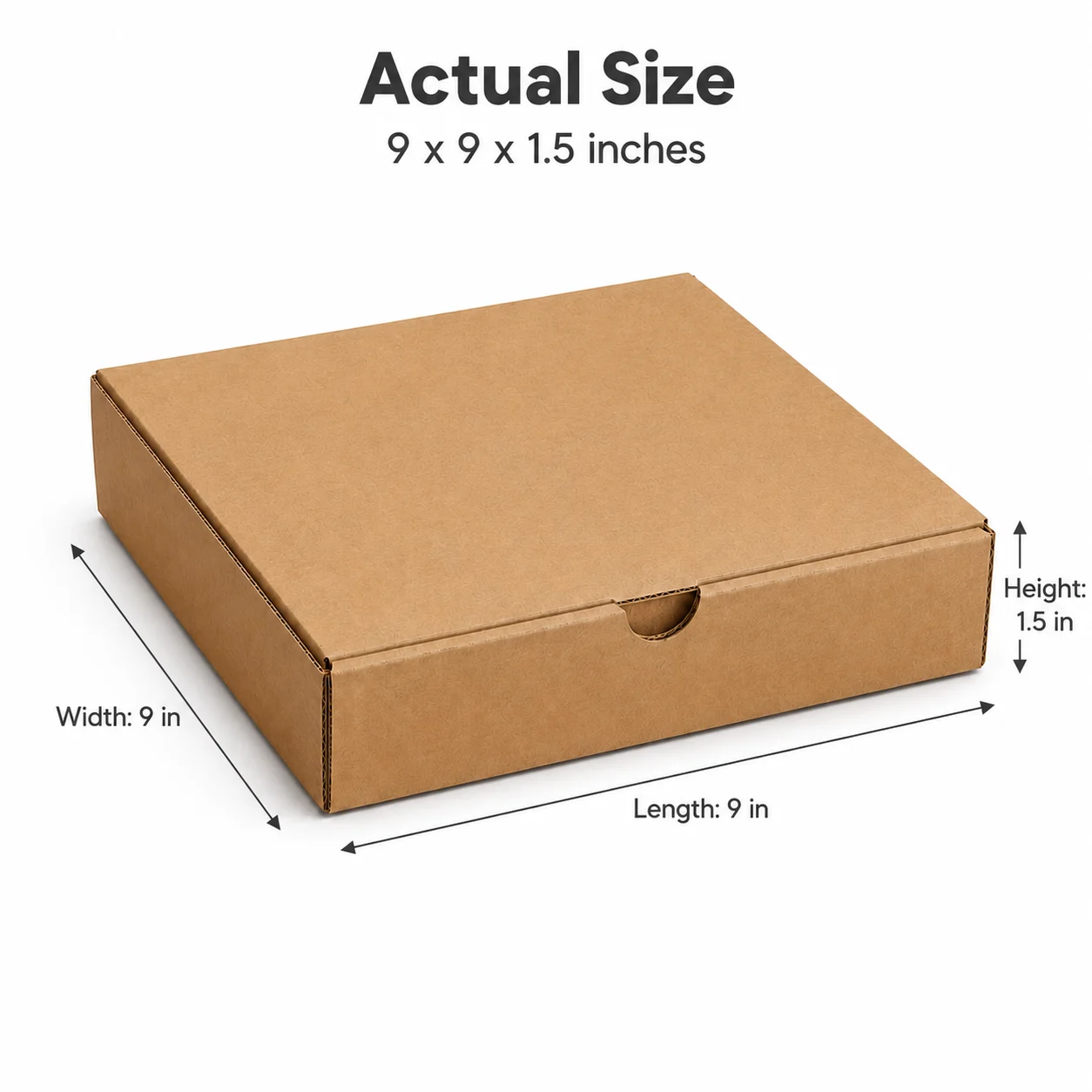
9x9 Inch Brown Corrugated Pizza Box for Food Delivery
Durable 9x9 inch brown corrugated pizza box designed for restaurants, cafes, cloud kitchens, and food delivery businesses.
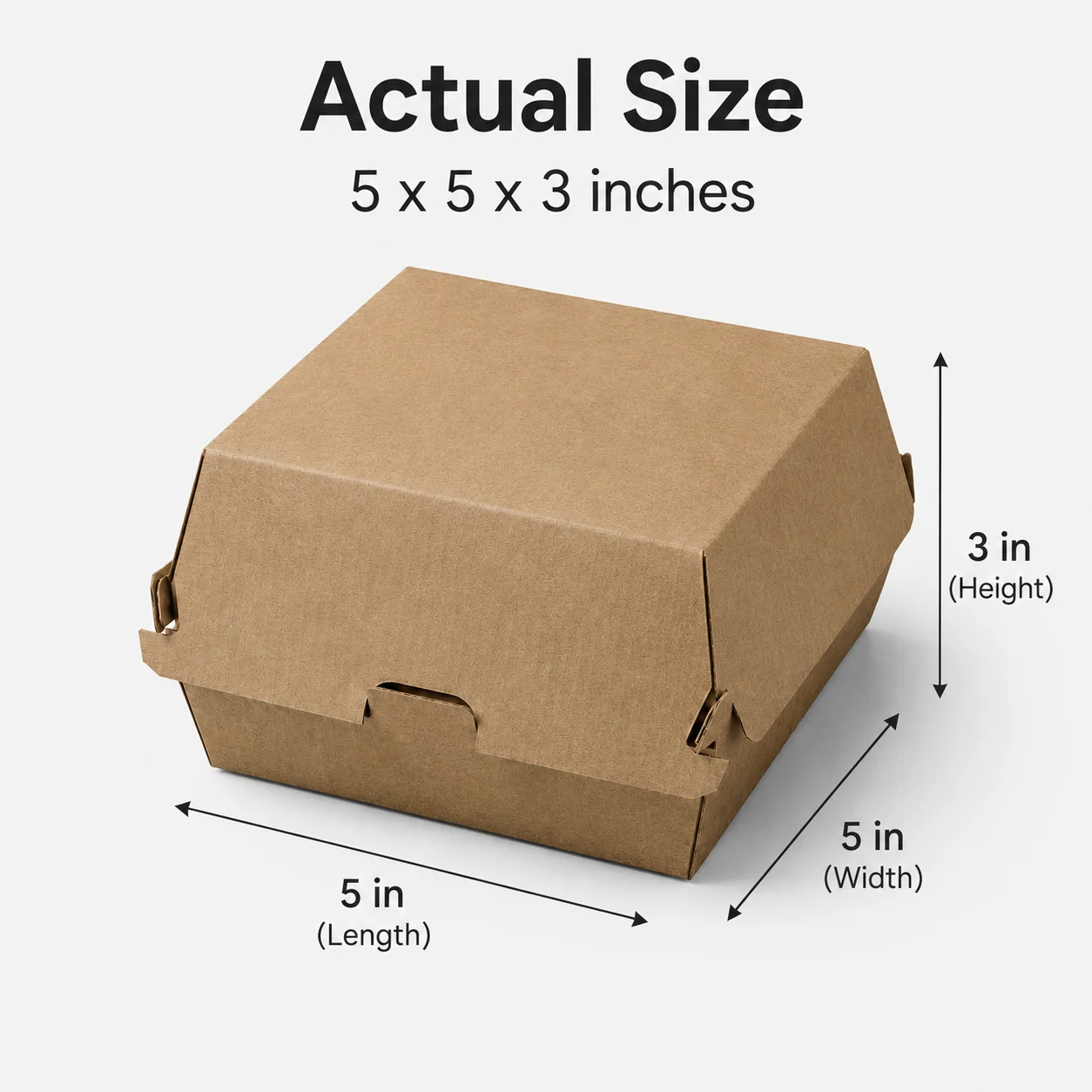
5x5 Inch Brown Kraft Burger Box for Takeaway & Food Delivery
Durable 5x5 inch brown kraft burger box designed for restaurants, cafes, cloud kitchens, and takeaway food packaging.

8x8 Inch Brown Kraft Cake Box for Bakery & Pastry Packaging
Premium 8x8 inch brown kraft cake box designed for bakeries, cafes, cloud kitchens, pastry shops, and dessert packaging.
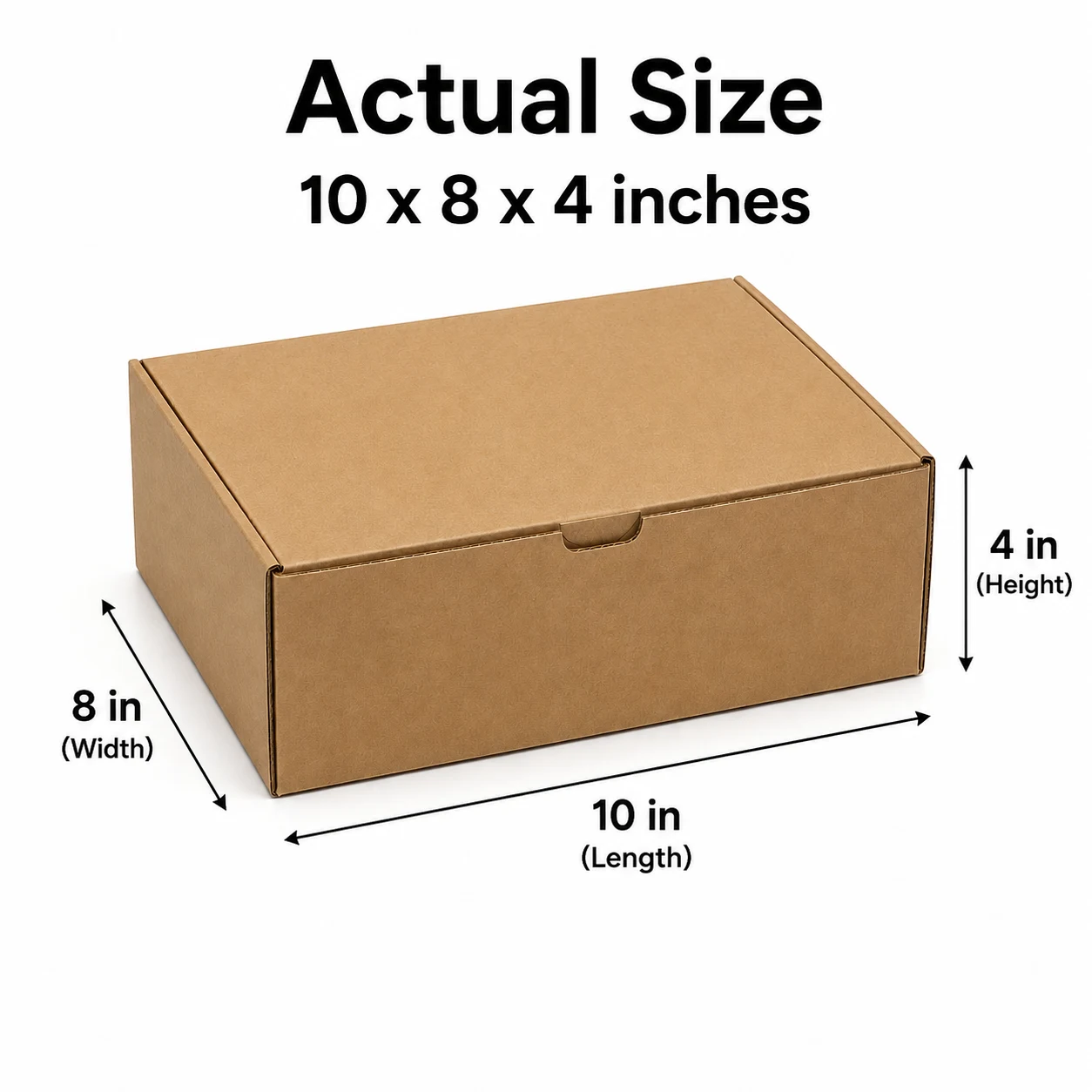
10x8x4 Inch Brown Corrugated Courier Box for E-commerce Shipping
Durable 10x8x4 inch brown corrugated courier box designed for e-commerce shipping, product delivery, storage, and secure packaging.
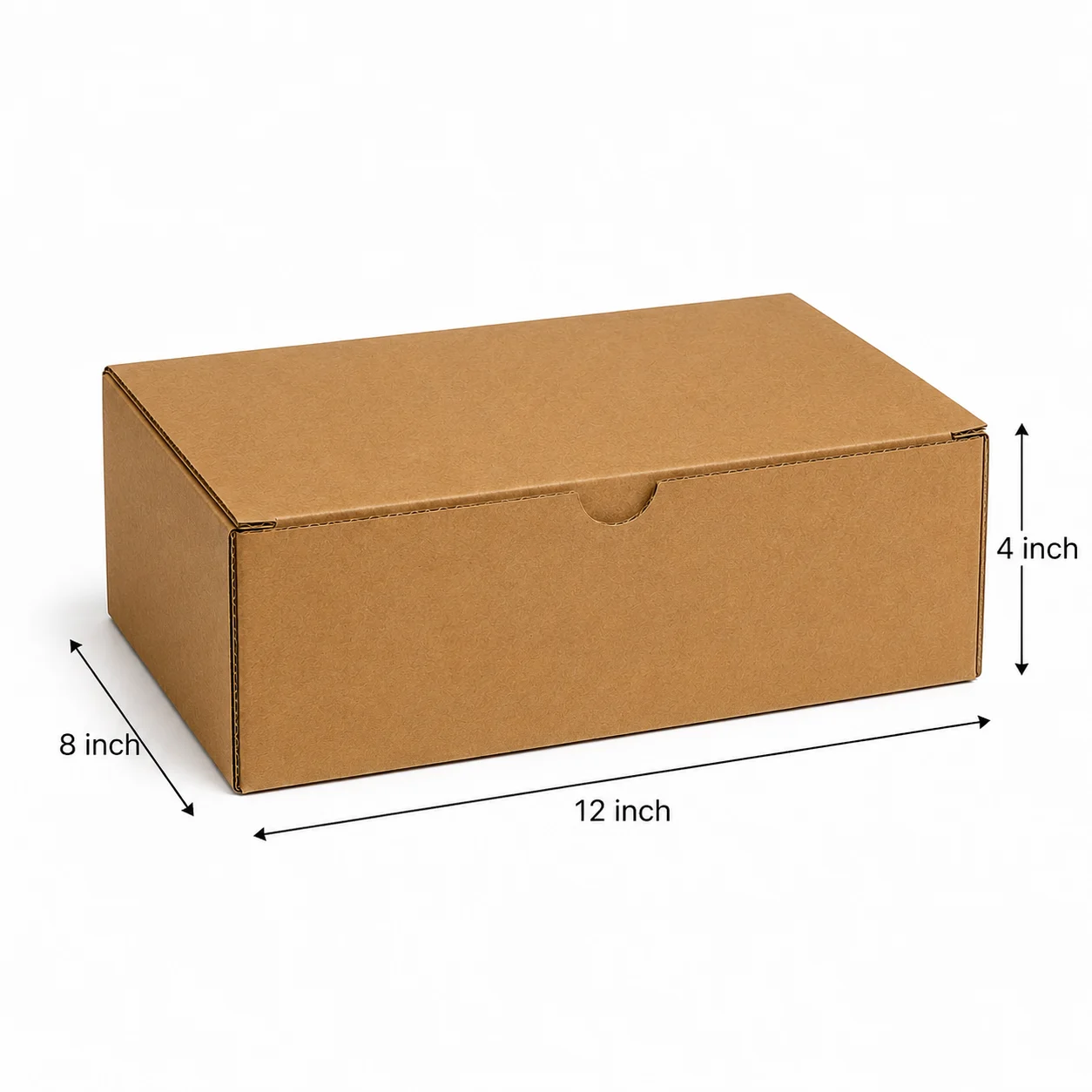
12x8x4 Inch Brown Corrugated 6 Bottle Nail Paint Packaging Box
Durable 12x8x4 inch brown corrugated nail paint box with six internal compartments, designed for cosmetic packaging, storage, gifting, and safe delivery.
Related Buying Guides

GSM and Ply Guide for Corrugated Boxes: Simple Explanation for Buyers
Read guide
Corrugated Box Bursting Strength: What Buyers Need to Know
Read guide
Box Compression Test Explained: How Carton Stacking Strength Is Measured
Read guide
Corrugated Box Cost Breakdown: Material, Printing, Tooling and Delivery
Read guide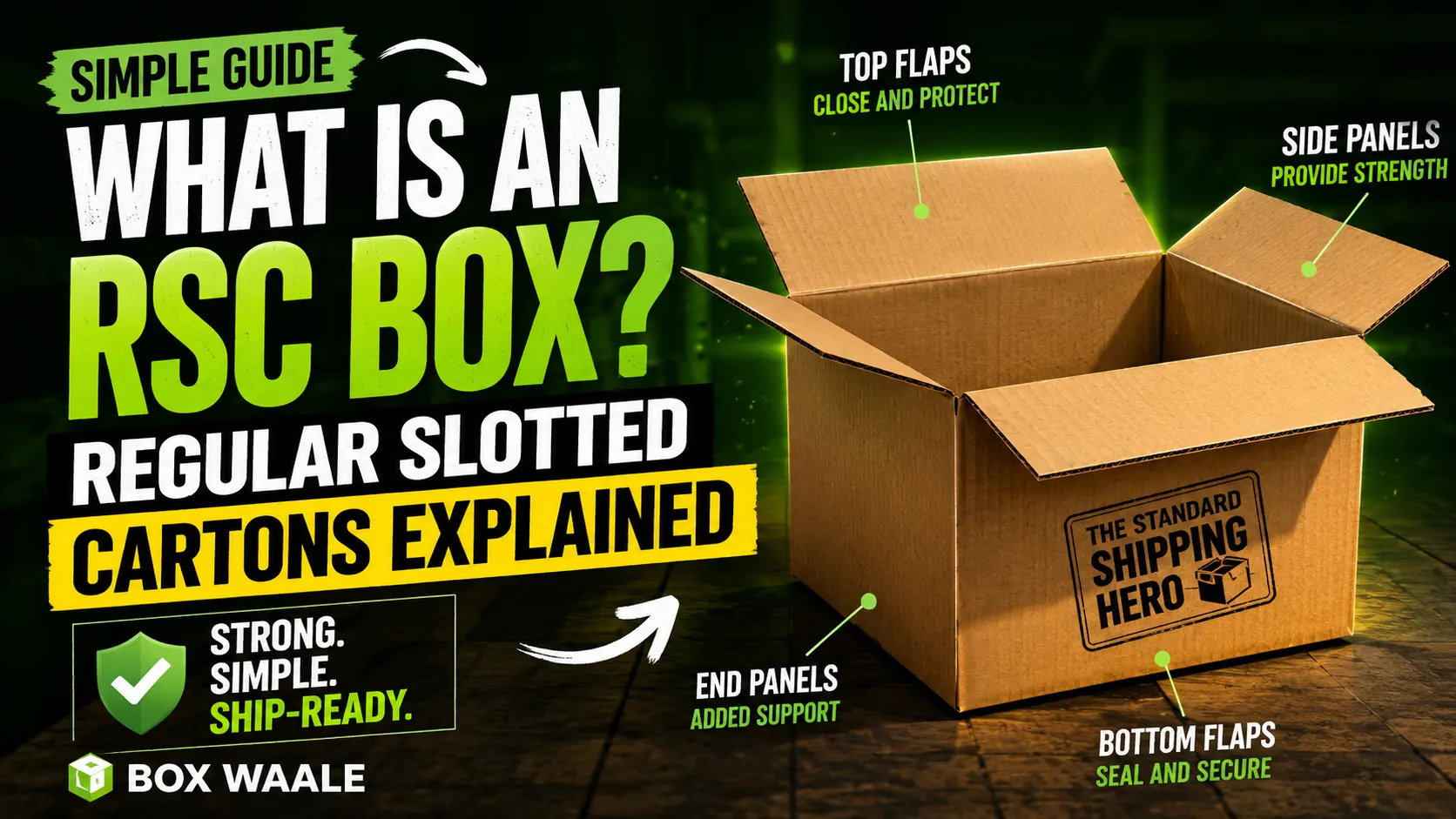
What Is an RSC Box? Regular Slotted Cartons Explained
Read guide