
Published 2 Aug 2026· Updated 29 Aug 2026
Corrugated Transport Packaging for Pharmaceutical Products
A guide to secondary and tertiary corrugated transport packaging for pharmaceutical distribution, covering strength, closure and the limits of what a carton supplier can certify.

Key Takeaways
- This article and Boxwaale's pharma cartons cover only secondary and tertiary transport packaging, the outer boxes used to move already-packed product, not primary packaging that contacts medicines directly.
- Boxwaale does not claim specific pharmaceutical or regulatory certification for its cartons; compliance requirements depend on the product being shipped and must be verified independently by the buyer against their own regulations and quality processes.
- Pharmaceutical distributors moving cartons through multiple handling tiers, from manufacturer to distributor to pharmacy or hospital, often specify double-wall or higher-BF single-wall board because of repeated handling and stacking stress.
- A corrugated outer carton can be one component of a temperature-managed shipment when combined with insulation and temperature-control materials, but the carton itself does not provide temperature control or guarantee product stability, and any cold-chain design must be validated by the buyer's own quality and logistics teams.
- Closure options for pharma cartons include standard tape, tamper-evident tape, and stitched or glued manufacturer's joints, chosen according to how much visibility into tampering a distributor needs at each stage.
- No closure method makes a carton literally tamper-proof, since a determined attempt can defeat almost any single measure; tamper-evident options instead raise the likelihood that unauthorised opening leaves a visible trace.
Corrugated Transport Packaging for Pharmaceutical Products
Table of Contents
Pharmaceutical distribution runs on a chain of custody, and the outer cartons that move stock between manufacturers, distributors, stockists and pharmacies play a real but specific role in that chain. This article looks only at secondary and tertiary transport packaging — the corrugated boxes used to group and move already-packed product — and is written as general planning information, not as a compliance or regulatory reference.
Where Corrugated Fits in Pharma Distribution
Pharmaceutical packaging is generally understood in layers. Primary packaging is what touches the product directly — blister packs, bottles, vials, strips — and is a specialised, tightly regulated category. Secondary packaging groups primary packs into cartons for handling and identification. Tertiary or transport packaging is the outer corrugated carton or case used to move secondary packs in bulk through a distribution network. This article, and the standard corrugated boxes discussed in it, sit at the secondary and tertiary level only.
That distinction matters because the regulatory and quality obligations attached to primary packaging simply do not apply the same way to an outer transport carton. A corrugated box supplier can help you build a carton that is strong, consistent and well-suited to your distribution route, but cannot make a product safe, sterile or compliant — that responsibility sits with the pharmaceutical manufacturer or distributor and their own quality systems, and any compliance question specific to your product should be verified against the applicable regulations and your own quality processes, not assumed from an outer carton's specification.
Strength and Stacking for Multi-Tier Distribution
Pharma products typically pass through more handling touchpoints than many other goods: manufacturer to carrying and forwarding agent, agent to distributor, distributor to stockist, stockist to pharmacy or hospital. Each touchpoint means another round of stacking, loading and unloading, and cartons that look adequate for a single warehouse-to-warehouse move can start to fail after three or four handling cycles.
Practical considerations for this kind of multi-tier movement include:
- Board grade sized around the heaviest realistic stack the carton will sit at, not just its own weight.
- Consistent carton dimensions across a product range, so mixed pallets and warehouse racking stay stable.
- Corner and edge strength sufficient for repeated manual handling, since pharma distribution in India still involves a great deal of hand-loading and hand-stacking.
- Legible, durable print for batch, product and routing information that needs to survive the full distribution chain, not just the first leg.
Because pharma cartons are frequently reused for repeat orders of the same product, getting the dimensions and board grade right the first time also reduces the cost and disruption of re-specifying packaging mid-cycle.
Closure, Sealing and Handling Integrity
How a carton is closed and sealed affects how much visibility a distributor has into whether it was opened or tampered with between handling points. Options generally used at the secondary and tertiary level include standard adhesive tape, tamper-evident tape that shows a visible pattern or message if peeled, and factory-glued or stitched manufacturer's joints on the carton itself.
None of these closure methods make a carton literally tamper-proof — a determined attempt to open and reseal a box can defeat almost any single measure. What they do is raise the likelihood that unauthorised access leaves a visible trace, which is a meaningfully different and more achievable goal. Distributors handling higher-value or controlled products often combine more than one measure — tamper-evident tape plus a sealed inner layer, for instance — rather than relying on the outer carton alone.
If your distribution involves cold-chain or temperature-sensitive products, remember that the corrugated outer carton is one component of a larger temperature-management system that typically includes insulation, gel packs or other temperature-control media, and monitoring. The carton itself does not control temperature, and any cold-chain packaging design should be validated by your own quality and logistics function against your specific product's stability requirements.
What a Carton Supplier Can and Cannot Certify
It is worth being direct about this: a corrugated box manufacturer can specify and supply board strength, flute type, dimensions, print and closure options, and can share general information about how these choices typically perform in transport and storage. What a box supplier cannot do is certify that a carton meets pharmaceutical regulatory requirements, food-contact standards, or any specific compliance framework, because those determinations depend on the product being packed, the applicable regulations for that product category, and the buyer's own regulatory and quality processes.
If your organisation needs documented compliance for a specific regulatory requirement, that verification needs to come from your own quality assurance and regulatory affairs function, informed by testing and documentation appropriate to your product — not inferred from a packaging supplier's marketing material. A responsible supplier will be upfront about this boundary rather than making claims it cannot support.
How Boxwaale Helps
Boxwaale supplies secondary and tertiary corrugated transport cartons for pharmaceutical distributors and stockists across India, built to the board grade and dimensions your distribution route calls for. We do not claim pharmaceutical or regulatory certification for these cartons — that verification is the buyer's responsibility — but we can help you specify consistent, well-built transport packaging and discuss closure options like tamper-evident tape for your distribution security needs.
Frequently Asked Questions
Related Packaging Guide
Planning a packaging order?
Turn this guidance into a box specification
Share the product dimensions, packed weight, quantity, printing requirement and delivery postcode. Boxwaale will help narrow down the appropriate size, ply and board specification before quoting.
Frequently Asked Questions
Related Products
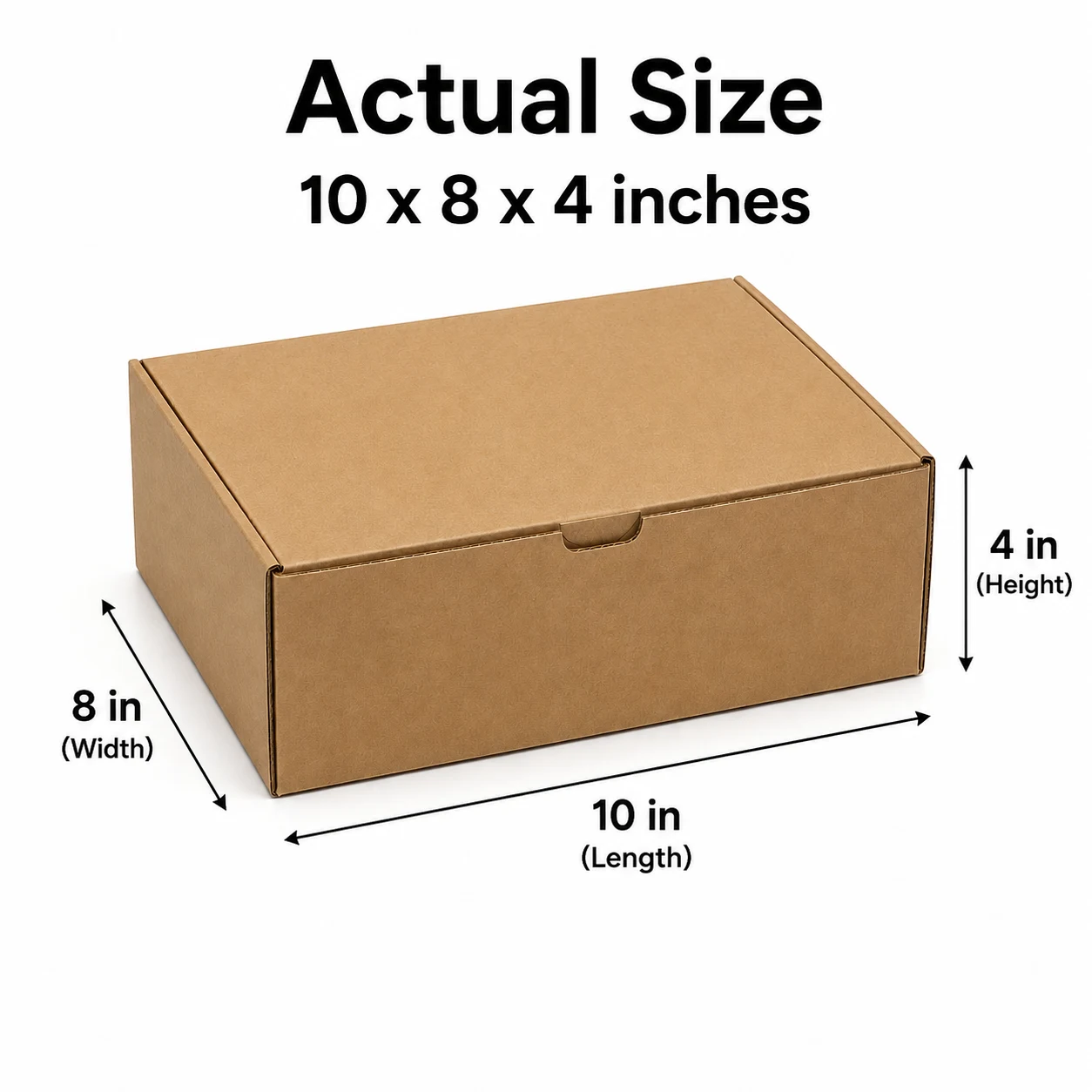
10x8x4 Inch Brown Corrugated Courier Box for E-commerce Shipping
Durable 10x8x4 inch brown corrugated courier box designed for e-commerce shipping, product delivery, storage, and secure packaging.
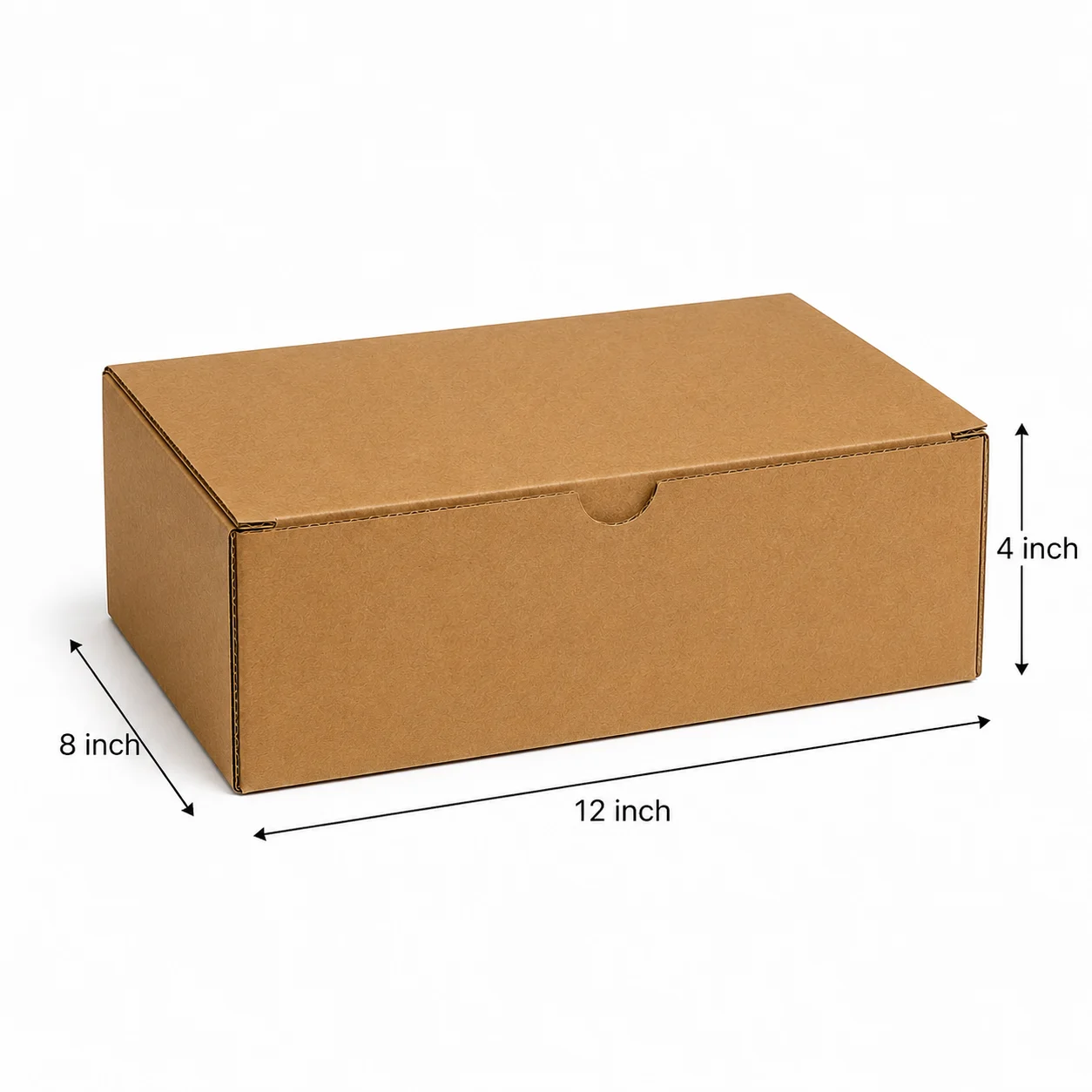
12x8x4 Inch Brown Corrugated 6 Bottle Nail Paint Packaging Box
Durable 12x8x4 inch brown corrugated nail paint box with six internal compartments, designed for cosmetic packaging, storage, gifting, and safe delivery.
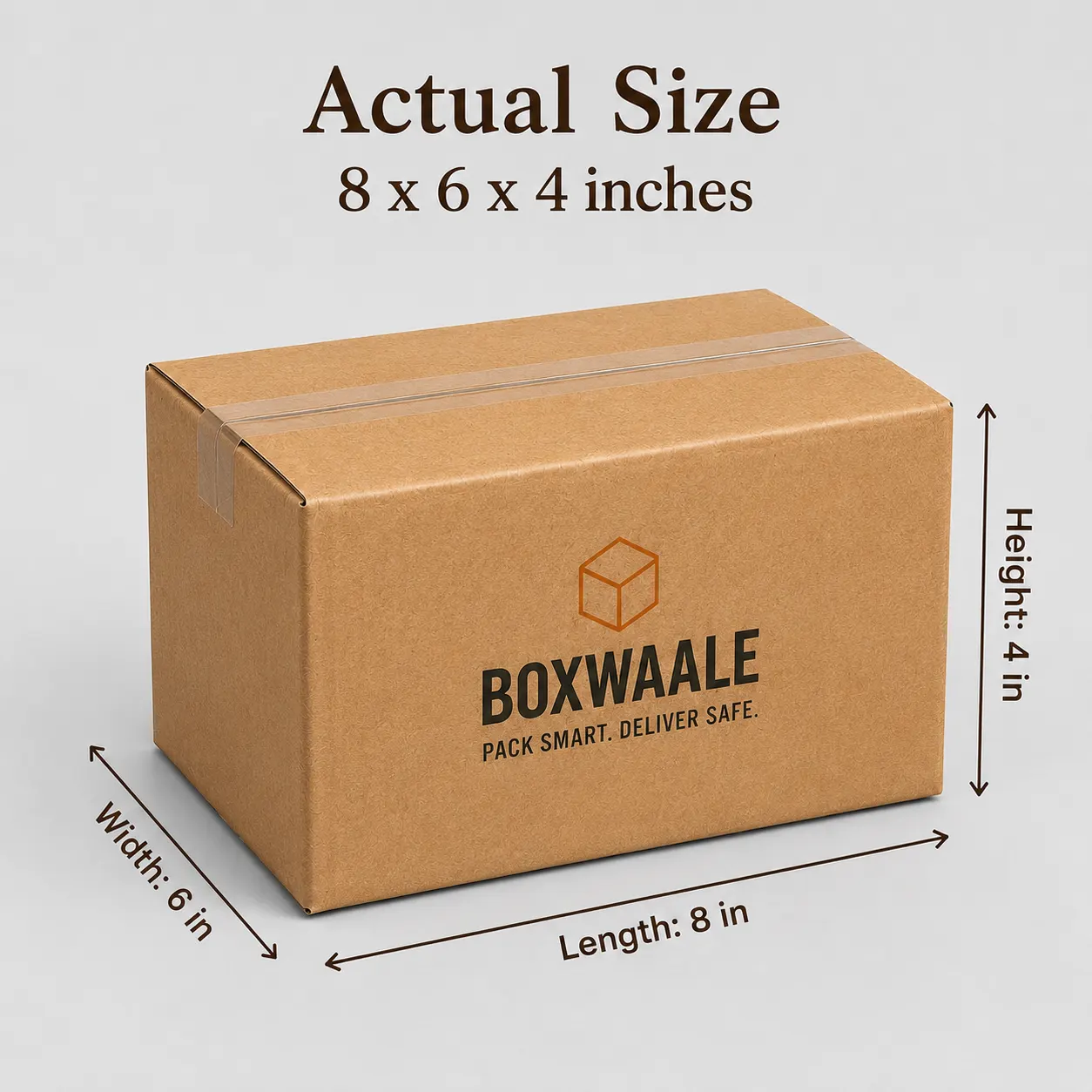
Custom Printed Brown Corrugated Courier Box with Logo
Custom printed brown corrugated courier box with logo designed for online sellers, D2C brands, retail businesses, and branded product delivery.
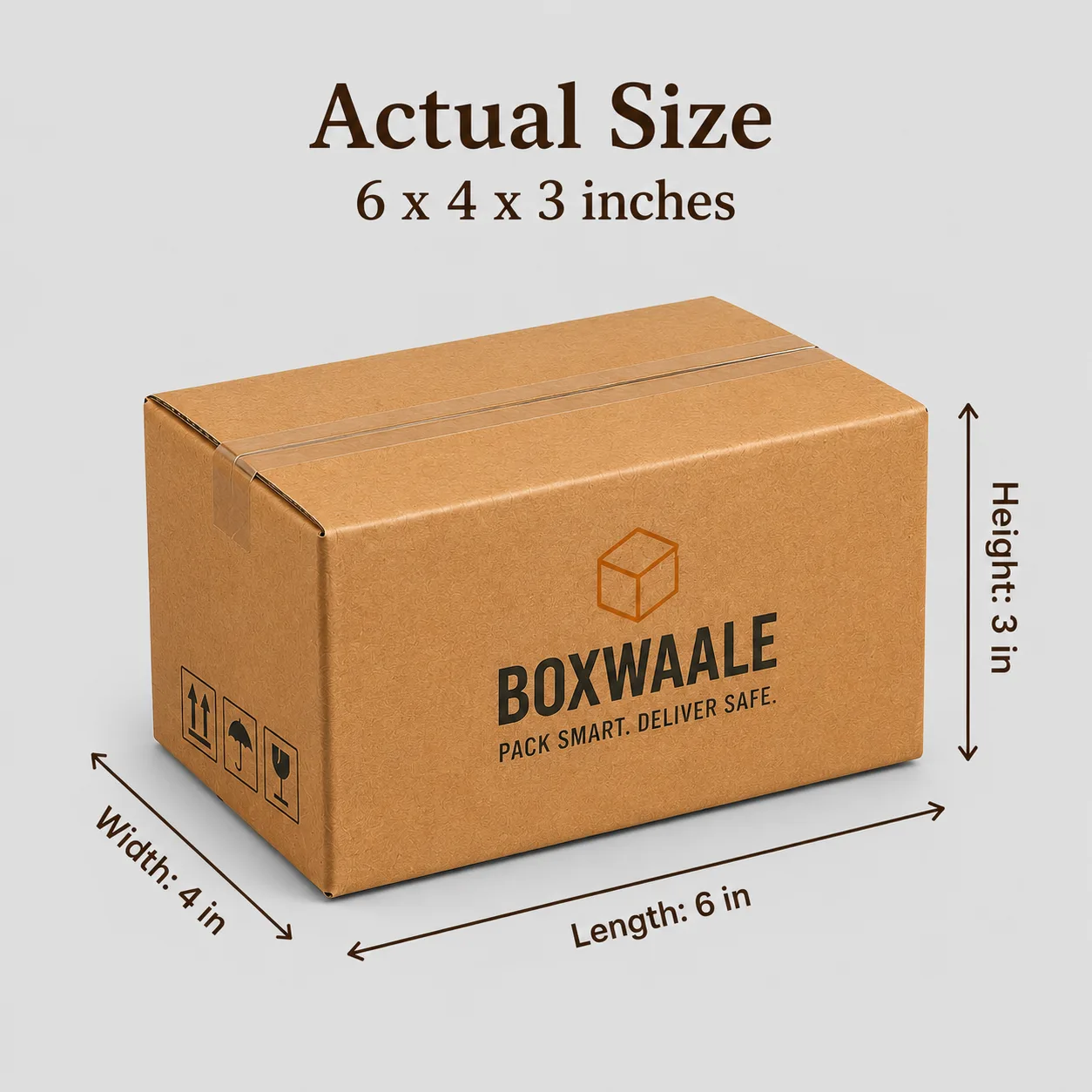
6x4x3 Inch Small Brown Corrugated Courier Box for Jewellery, Cosmetics & Accessories
Compact 6x4x3 inch brown corrugated small courier box designed for jewellery, cosmetics, mobile accessories, samples, and small product shipping.
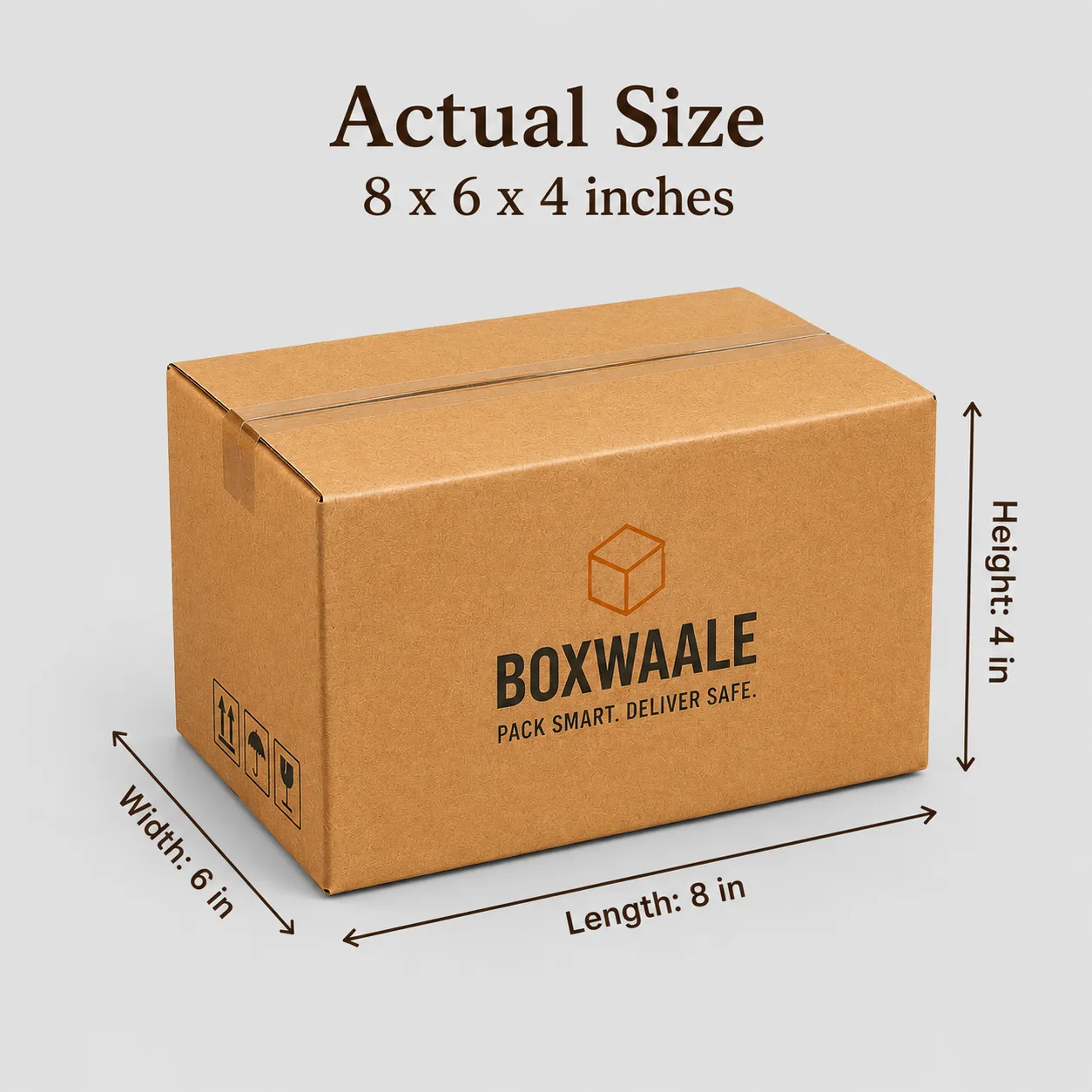
8x6x4 Inch Brown Corrugated Courier Box for E-commerce Shipping
Durable 8x6x4 inch brown corrugated courier box designed for e-commerce shipping, D2C delivery, retail product packing, and safe courier dispatch.
Related Buying Guides
How to Choose Corrugated Boxes for Books and Printed Materials
Read guide
Corrugated Boxes for Cold and Frozen Supply Chains: Key Considerations
Read guide
Corrugated Packaging for Auto Parts: Weight, Oil and Transit Risks
Read guide
Corrugated Packaging for Home Appliances: A Buyer's Planning Guide
Read guide