Published 2 Aug 2026· Updated 29 Aug 2026
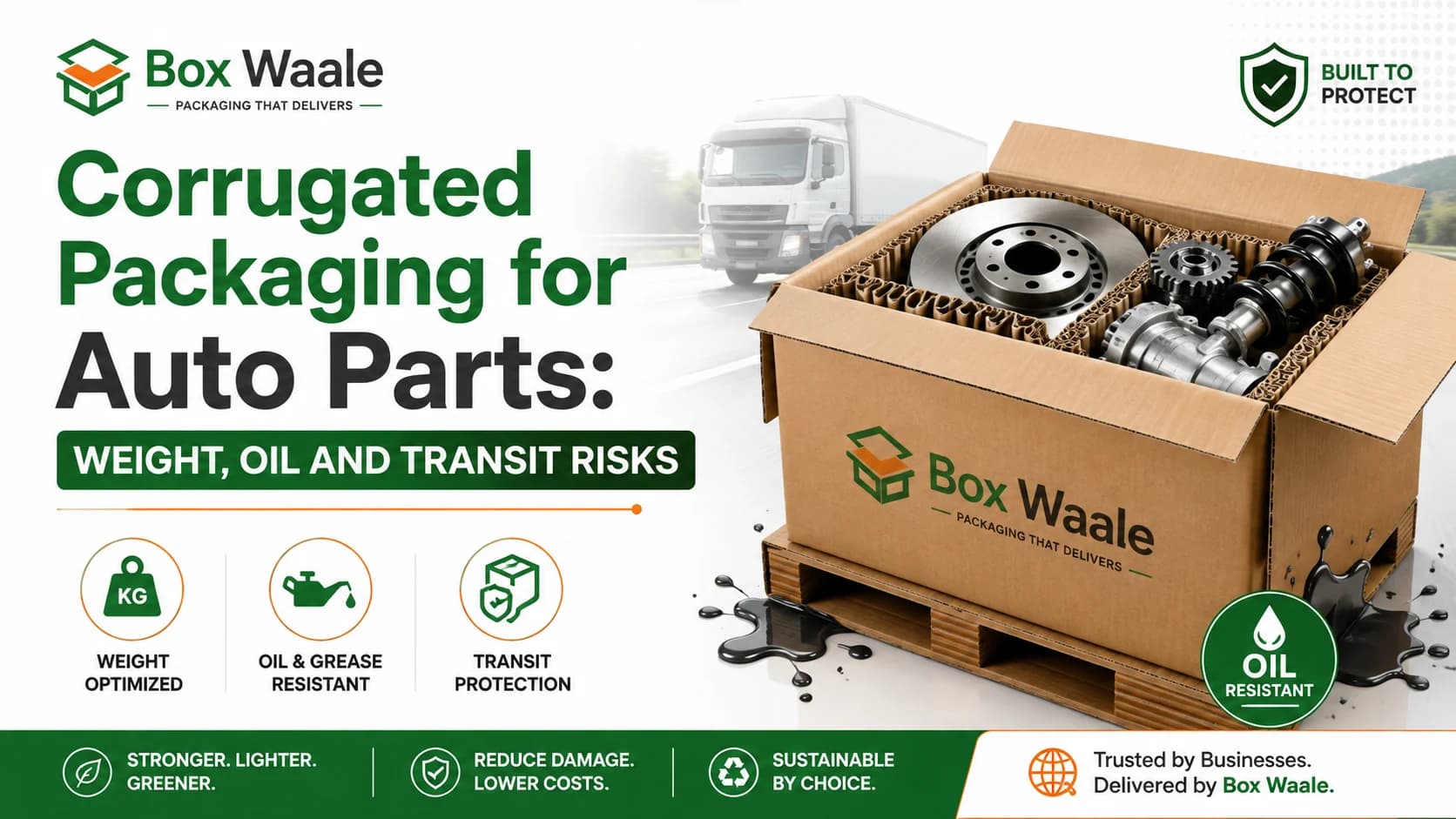
Corrugated Packaging for Auto Parts: Weight, Oil and Transit Risks
A guide to packaging auto parts in corrugated boxes, covering oil and grease barriers, sharp edge protection, part weight limits, fitment security and returnable packaging trade-offs.
Key Takeaways
- Auto parts packaging presents a distinct challenge because a single SKU list can span lightweight plastic trim to dense metal components, many parts carry oil or grease residue, and components often have sharp or irregular edges.
- Oil affects paper fibre differently than water but can still weaken bonding over time and cause staining that obscures barcodes or labelling, so relying on the corrugated box alone as a barrier against oily parts is risky.
- Practical oil barrier options include a plastic liner bag, wax paper or oil-resistant interleaving sheets, and absorbent pads for parts with active oil seepage risk.
- There is no single universal weight limit for auto parts in corrugated boxes; the safe carrying capacity depends on wall count, flute grade, board quality and box dimensions.
- A part that has room to shift inside an oversized box can suffer more damage from internal movement than from external handling, so snug fitment through inserts or dividers matters as much as raw box strength.
- Returnable packaging, such as reusable plastic crates or reinforced containers, tends to make sense for high-frequency shipments between fixed locations, while single-use corrugated packaging remains more practical for distribution to dispersed destinations.
Corrugated Packaging for Auto Parts: Weight, Oil and Transit Risks
Table of Contents
Automotive spare parts put corrugated packaging through a different kind of stress test than most consumer goods — metal edges, oil residue, uneven weight distribution and, often, a long chain of handoffs between manufacturer, distributor and workshop. This guide covers the specific risks auto parts packaging needs to plan for and where corrugated is the right tool versus where a returnable alternative might serve better.
Why Auto Parts Are a Distinct Packaging Challenge
Most standard box specification advice assumes a relatively uniform, clean, moderate-weight product. Auto parts frequently break all three assumptions at once: a single SKU list can span lightweight plastic trim pieces to dense metal components, many parts carry oil or grease residue from manufacturing or servicing, and components like brackets, housings or machined parts often have sharp edges or irregular profiles that don't sit neatly in a standard rectangular box. Add in a distribution chain that often includes multiple handling points — manufacturer to distributor to retailer to workshop — and the packaging has more opportunities to fail than a typical direct-to-consumer shipment.
These factors compound rather than operate independently — a heavy, oily, sharp-edged metal bracket shipped through three handling points presents a very different packaging problem than a lightweight plastic clip shipped direct to a single workshop, even though both are technically "auto parts." Treating the category as one uniform packaging need is where a lot of avoidable damage originates.
Oil, Grease and Barrier Layers
Oil and grease residue is one of the most underestimated risks in auto parts packaging. While water damage to corrugated board is well understood, oil affects paper fibre differently but still compromises it — oily contact can weaken bonding over time and, on printed boxes, cause staining that obscures barcodes or labelling needed for warehouse scanning and identification.
The safer approach is rarely to rely on the corrugated box alone as the only barrier. Common practical solutions include:
- A plastic liner bag or wrap between the part and the box interior
- Wax paper or oil-resistant interleaving sheets for parts with light residue
- Absorbent pads placed under parts with active oil seepage risk
- Sealing individual components before placing them into a shared outer corrugated box, so residue from one part doesn't affect neighbouring items or the box itself
It's worth testing your chosen barrier approach with the actual part and actual residue level you expect, rather than assuming any plastic liner will do the job — parts fresh from machining with active oil coating behave differently than parts that have been wiped down and lightly re-oiled for corrosion protection during storage, and the barrier needs to match the real condition, not the best-case one.
Sharp Edges, Fitment and Part Weight
Metal brackets, machined housings and cut components often have edges sharp enough to gradually puncture or cut through corrugated board, particularly under the repeated vibration and pressure of transit rather than from a single impact. Internal padding, edge protectors, or a snug die-cut insert that keeps sharp surfaces away from direct wall contact addresses this risk far more reliably than simply upgrading to a heavier board grade, which doesn't stop a sharp edge from working through the material over time.
Fitment matters just as much as raw box strength. A part that has room to shift inside an oversized box can suffer more damage from internal movement — knocking against walls repeatedly during transit — than it would from external handling if it were held snugly in place. Close-tolerance internal dimensions, foam or corrugated inserts, and dividers for multi-part shipments all reduce this movement.
On weight, there's no single number that applies universally — the safe carrying capacity of a box depends on its wall count (single, double or triple), flute grade, board quality and overall dimensions, not just a rule of thumb based on part type. Heavier metal components generally call for double or triple wall board and a box style engineered to distribute that weight across the base rather than concentrating it at stress points, and this is worth confirming with a supplier rather than assuming a standard shipping carton will handle any part weight.
For multi-part shipments with a mix of sizes and weights in one order, compartmentalised inserts or dividers are usually a better investment than simply choosing the heaviest available box and letting parts jostle together — uneven internal movement is often a bigger cause of in-transit damage than the outer box being marginally under-specified.
Single-Use Corrugated vs Returnable Alternatives
For high-frequency, repeat shipments between fixed locations — such as regular deliveries between a component manufacturer and an assembly line — returnable packaging (reusable plastic crates or reinforced containers designed for multiple cycles) can be worth the higher upfront investment, since the cost amortises across many reuse cycles and reduces packaging waste on a recurring route.
For most spare parts distribution — shipments to distributors, retailers, workshops or end customers where the packaging isn't cycling back to the sender — single-use corrugated packaging remains the more practical and cost-effective choice, since the logistics of collecting and returning containers across a dispersed network of destinations usually outweighs the savings. The right choice comes down to whether your shipping pattern is a closed loop between fixed points or an open distribution network.
Whichever approach you choose, it's worth reviewing packaging performance periodically rather than locking in a design permanently, especially if your part mix, supplier base or distribution network changes — a returnable system that made sense for one distribution pattern may no longer be the most efficient choice if your shipping destinations become more dispersed over time.
How Boxwaale Helps
Boxwaale designs corrugated packaging for auto parts businesses with the specific risks of the category in mind — oil exposure, sharp edges, uneven part weight and multi-point distribution — rather than applying a generic shipping box template. We help size the board grade to actual part weight and advise on insert and barrier options so parts arrive at the workshop or retailer in the condition they left the warehouse.
Frequently Asked Questions
Related Packaging Guide
Planning a packaging order?
Turn this guidance into a box specification
Share the product dimensions, packed weight, quantity, printing requirement and delivery postcode. Boxwaale will help narrow down the appropriate size, ply and board specification before quoting.
Frequently Asked Questions
Related Products
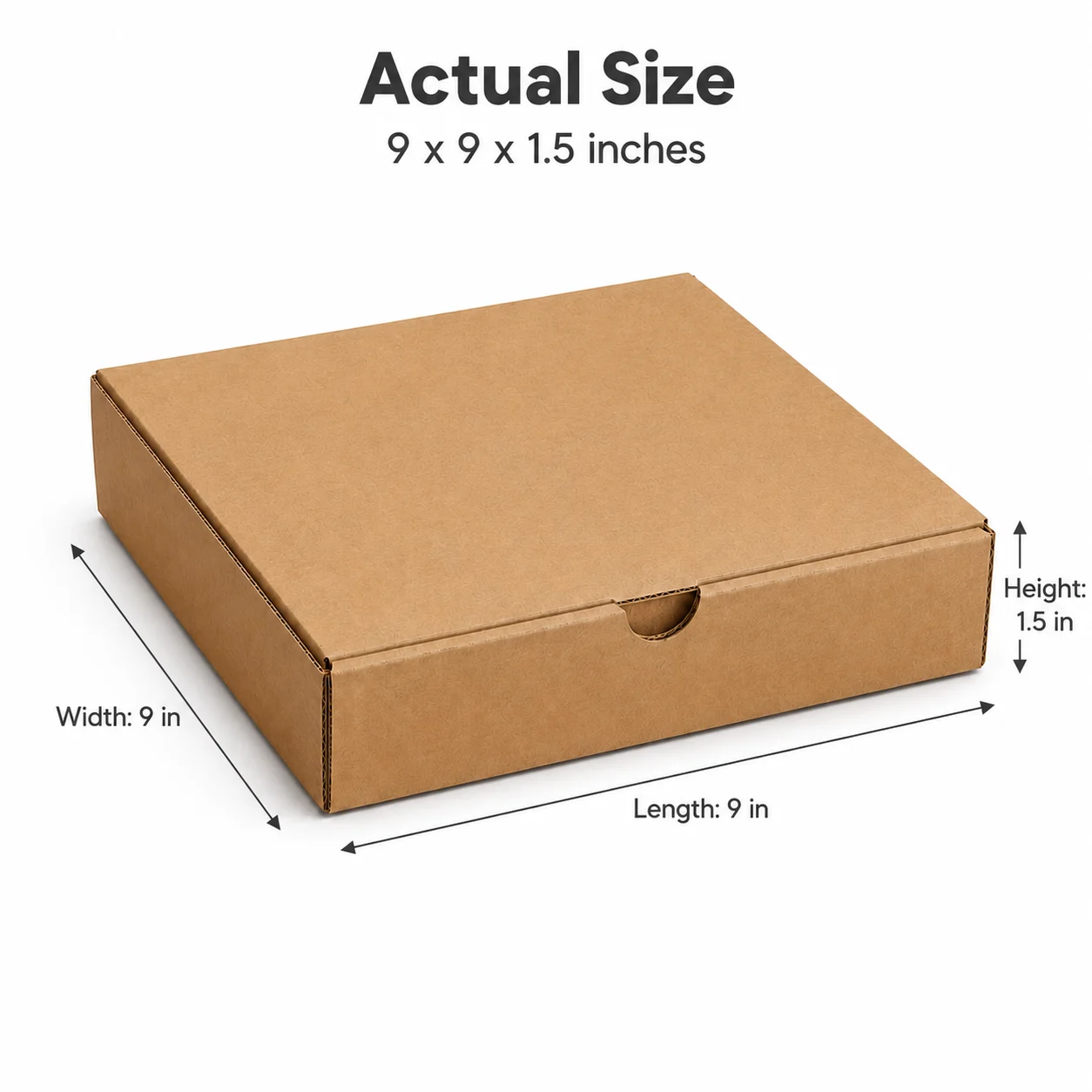
9x9 Inch Brown Corrugated Pizza Box for Food Delivery
Durable 9x9 inch brown corrugated pizza box designed for restaurants, cafes, cloud kitchens, and food delivery businesses.
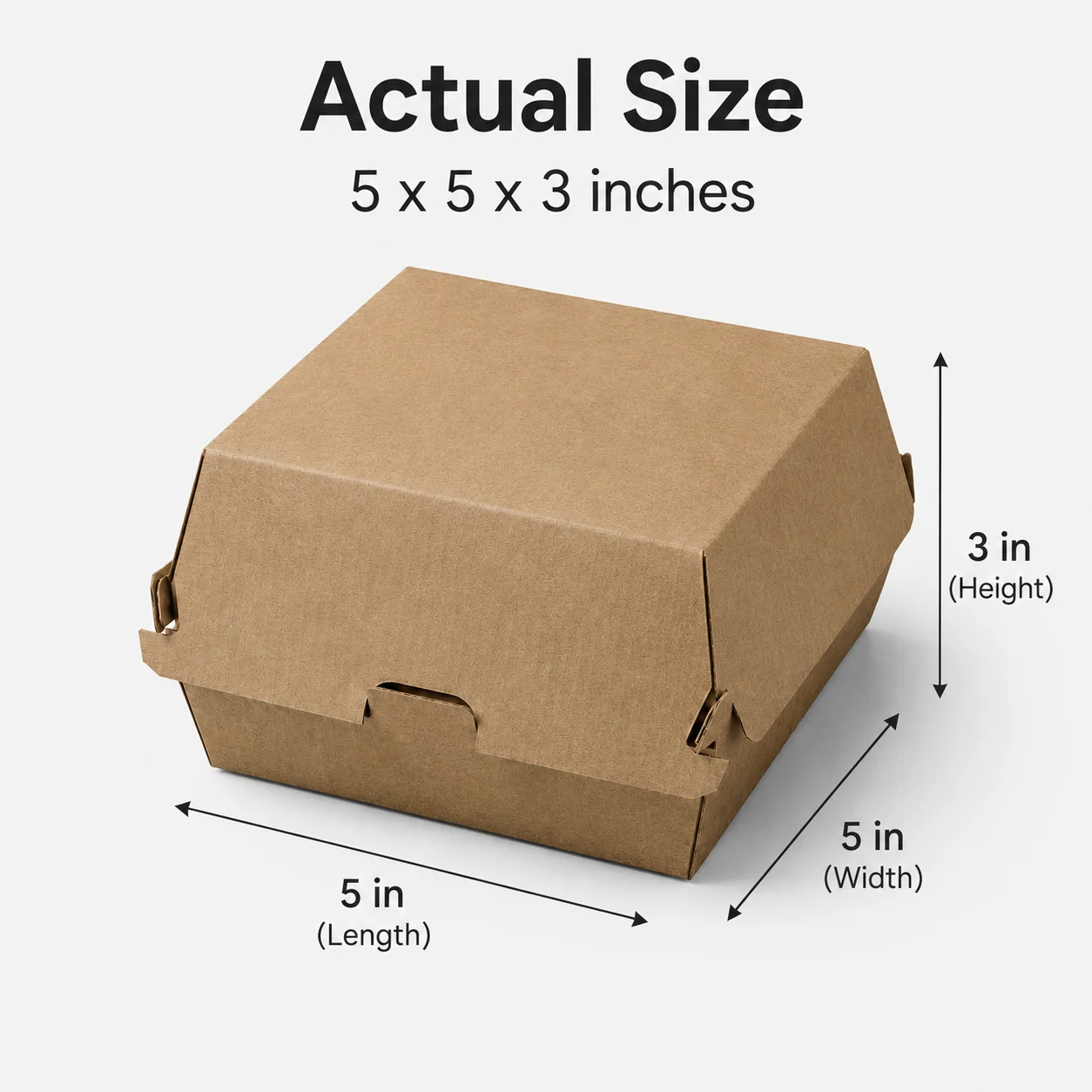
5x5 Inch Brown Kraft Burger Box for Takeaway & Food Delivery
Durable 5x5 inch brown kraft burger box designed for restaurants, cafes, cloud kitchens, and takeaway food packaging.

8x8 Inch Brown Kraft Cake Box for Bakery & Pastry Packaging
Premium 8x8 inch brown kraft cake box designed for bakeries, cafes, cloud kitchens, pastry shops, and dessert packaging.
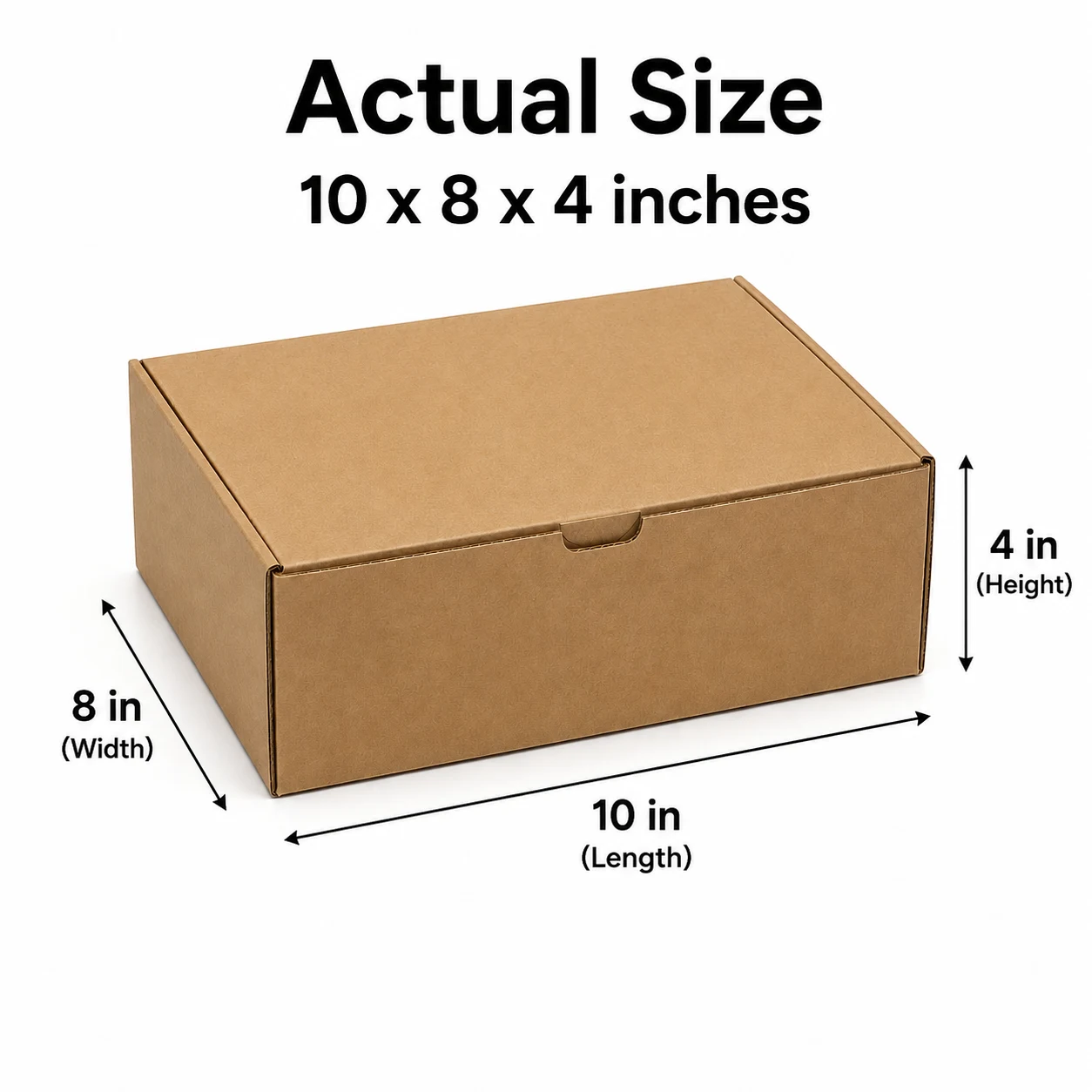
10x8x4 Inch Brown Corrugated Courier Box for E-commerce Shipping
Durable 10x8x4 inch brown corrugated courier box designed for e-commerce shipping, product delivery, storage, and secure packaging.
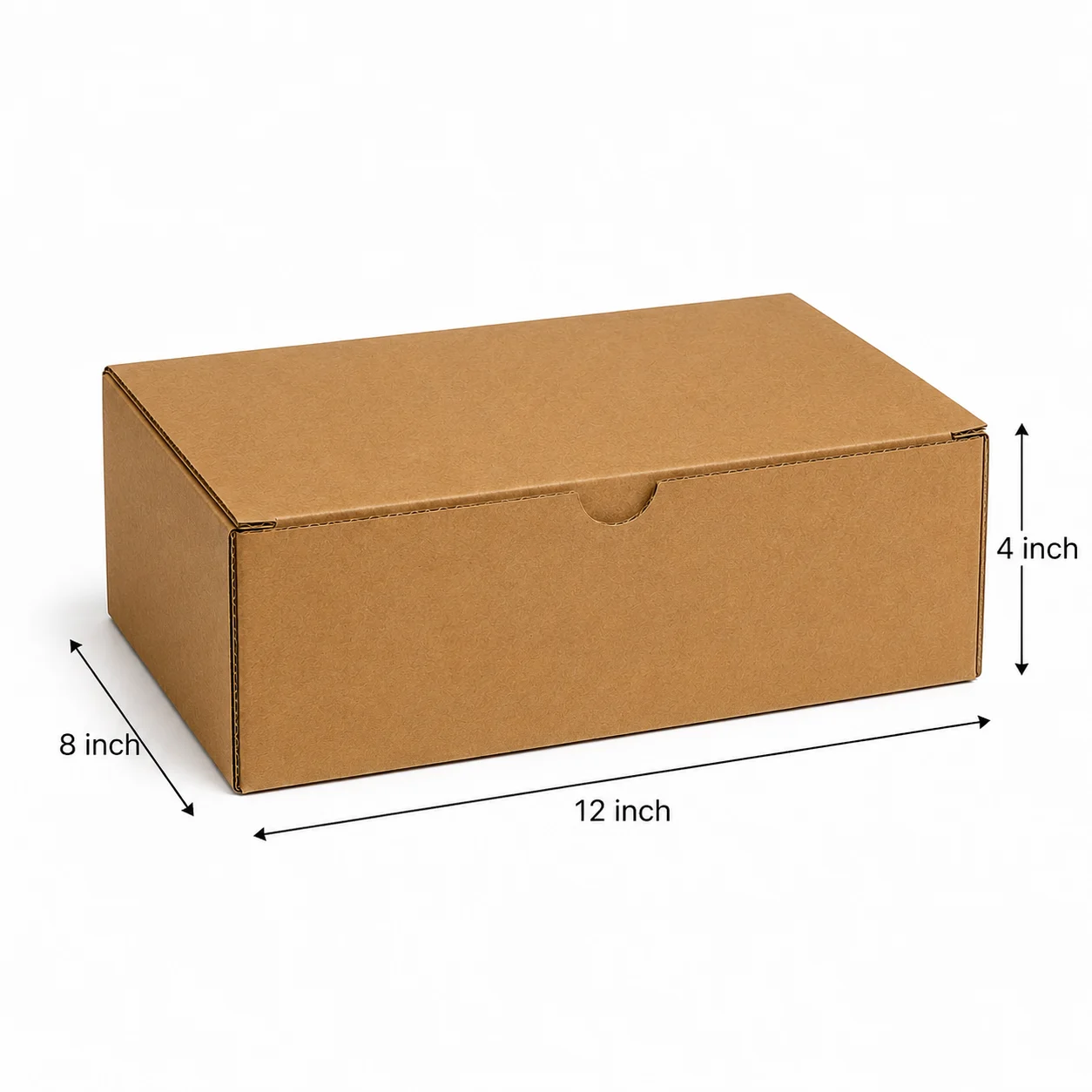
12x8x4 Inch Brown Corrugated 6 Bottle Nail Paint Packaging Box
Durable 12x8x4 inch brown corrugated nail paint box with six internal compartments, designed for cosmetic packaging, storage, gifting, and safe delivery.