
Published 2 Aug 2026· Updated 29 Aug 2026
Corrugated Box Samples and Prototypes: What to Approve Before Production
A practical checklist for approving corrugated box samples and prototypes before bulk production, covering size fit, board, closure, print proof and sign-off.
Key Takeaways
- A handmade box sample is hand-cut and hand-glued on a sample table, while a production or press sample is made on the same machinery used for the bulk order, making it a closer preview of the final box.
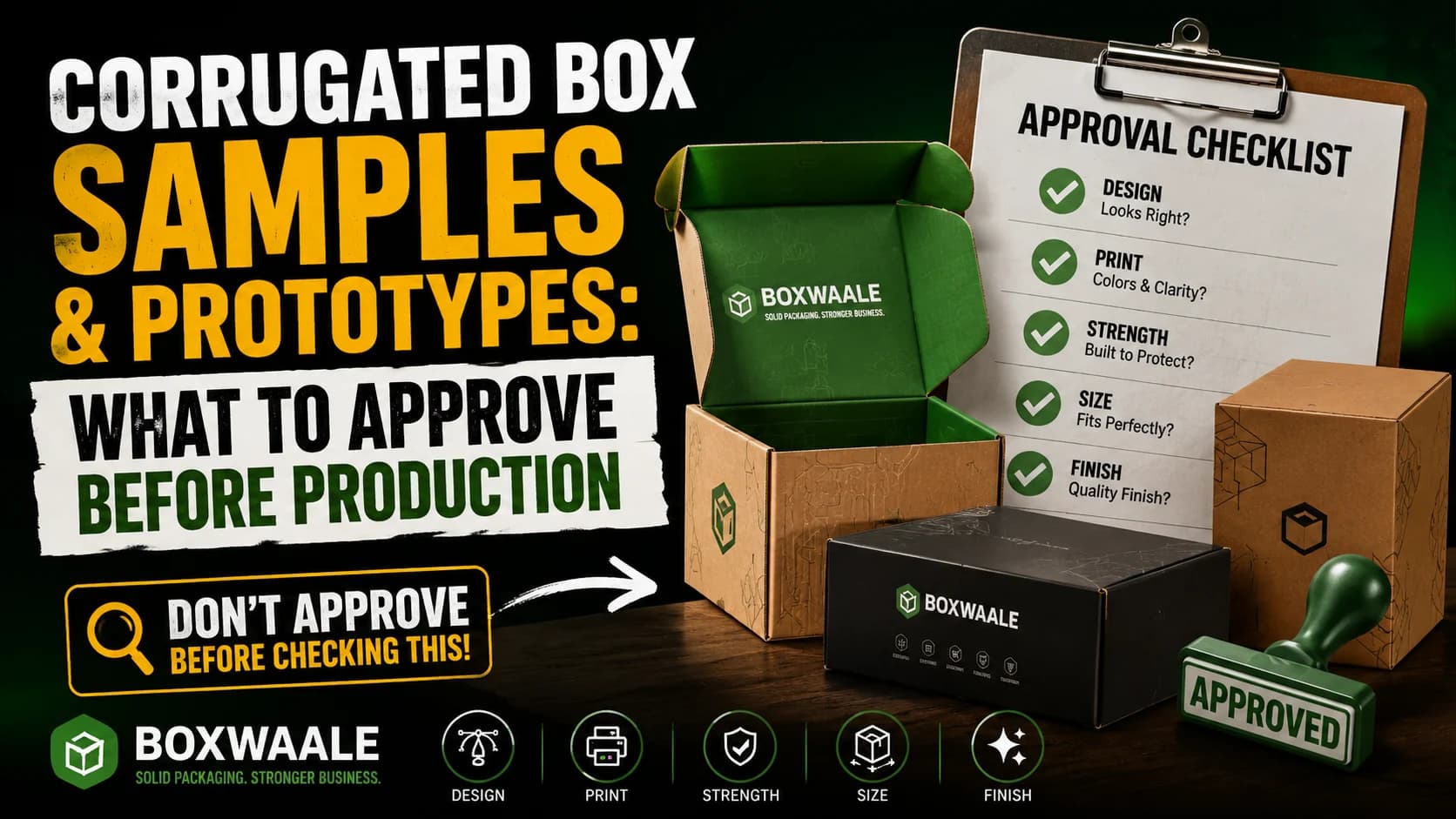
- A pre-production box sample should be checked for size and fit, board and construction, closure type, and print proof before it is approved.
- Testing a sample with the actual product, or a similarly weighted and shaped stand-in, gives a more reliable read on performance than judging an empty box alone.
- For a custom die-cut shape or a new print design, it is worth specifically requesting a production sample rather than assuming a handmade sample will be sent.
- A documented, signed-off sample gives both the buyer and manufacturer a physical reference point to compare the bulk production run against if anything looks different later.
- Sample approval is generally the step that triggers bulk production scheduling to begin.
Corrugated Box Samples and Prototypes: What to Approve Before Production
Table of Contents
A box that looks correct on a screen doesn't always fold, close or carry weight the way you expect once it's actually made from corrugated board. That gap between a digital mockup and a physical carton is exactly what a sample or prototype exists to close before a bulk print run begins. This article covers what a proper sample should include, how a handmade sample differs from a production piece, and what to check before you approve one.
Why a Sample Run Should Never Be Skipped
Skipping the sample stage to save a few days almost always costs more time later. A box specification can look complete on paper — length, width, height, ply, print colours — and still fail in practice because a product doesn't sit the way it was assumed to, a flap is a few millimetres short, or a printed colour looks different on kraft board than it did on a screen. Once thousands of units are printed and converted, none of these issues can be fixed cheaply; the run either ships with the defect or gets scrapped and repeated at full cost.
A sample also gives everyone involved — the buyer, the packaging team, and sometimes a warehouse or fulfilment partner — a physical object to react to instead of a drawing. It is far easier to notice that a box feels flimsy for the product's weight, or that a closure doesn't sit flush, when you're holding it. For any order that's custom-sized, newly die-cut, or printed for the first time, a sample isn't an optional extra step; it's the only reliable way to confirm the specification actually works before it's locked into a production run.
What a Proper Box Sample Should Include
Not every sample needs to cover every variable, but a complete pre-production sample should let you check the following before approval:
- Size and fit — both internal dimensions (does the product go in and come out without forcing) and external dimensions (does it match what's been quoted for pallets, cartons, or courier slabs).
- Board and construction — which ply (single, three or five ply) and general board grade has been used, and whether the board feels appropriately rigid for the product's weight.
- Closure type — whether the box is a tuck-in style, a tape-sealed regular slotted carton, or a die-cut design with locking tabs, and whether that closure holds shut reliably by hand.
- Print proof — logo placement, colour accuracy against your brand reference, text legibility, and print registration if multiple colours are involved.
It helps to test the sample with the actual product, or a stand-in of similar weight and shape, rather than judging the empty box alone. An empty box can look and feel sturdy and still perform differently once loaded, closed and stacked.
Handmade Sample vs Production Sample
These two are not interchangeable, and knowing which one you're looking at changes what you should expect from it. A handmade sample is typically cut and assembled by hand on a sample table — the board is scored and glued manually rather than run through a converting machine. It's useful for checking size, fit and rough closure behaviour quickly, but the edges, crease lines and glue application won't be identical to what a production line produces, so it isn't a reliable reference for exact fold crispness or joint strength.
A production or press sample, by contrast, is made using the same machinery, tooling and printing process that the bulk order will go through. It's a much closer preview of what you'll actually receive — but it also takes longer to produce, since it depends on machine setup rather than a sample table. For a straightforward stock-size box, a handmade sample is often good enough to confirm fit and closure. For a custom die-cut shape, a new print design, or an order where exact fold and joint quality matters, it's worth asking specifically for a production sample rather than assuming one is being sent. If you're not sure what stage you're at, it's usually simplest to get in touch directly and confirm before the sample is dispatched, so expectations are aligned from the start.
Building an Approval Checklist Before You Sign Off
A sample approval should be a documented decision, not a verbal nod. Before signing off, work through a short checklist:
- Internal and external measurements verified against the original brief, ideally with the actual product or a stand-in placed inside.
- Board ply and general grade confirmed as matching what was quoted, especially if the product is heavy or will be stacked.
- Closure tested by hand multiple times to confirm it holds without excessive force or gapping.
- Print proof checked for colour, placement and any text or barcode legibility, under normal lighting rather than a phone screen.
- Quantity, pricing and lead time reconfirmed for the bulk order, since sample approval is usually the trigger point for production scheduling to begin.
Keep the approved sample itself, physically or photographed with dated notes, as a reference point. If the bulk order arrives and something looks different, having a signed-off sample to compare against makes it far easier to identify exactly what changed and resolve it quickly.
How Boxwaale Helps
Boxwaale prepares physical samples based on the dimensions, expected product weight, and print requirements you share, so you can check fit, board feel and closure before committing to a bulk print run. Revisions are handled iteratively until the sample is approved, and the approved specification is what's carried forward into production, so there's a clear reference point on both sides.
Frequently Asked Questions
Related Packaging Guide
Planning a packaging order?
Turn this guidance into a box specification
Share the product dimensions, packed weight, quantity, printing requirement and delivery postcode. Boxwaale will help narrow down the appropriate size, ply and board specification before quoting.
Frequently Asked Questions
Related Products
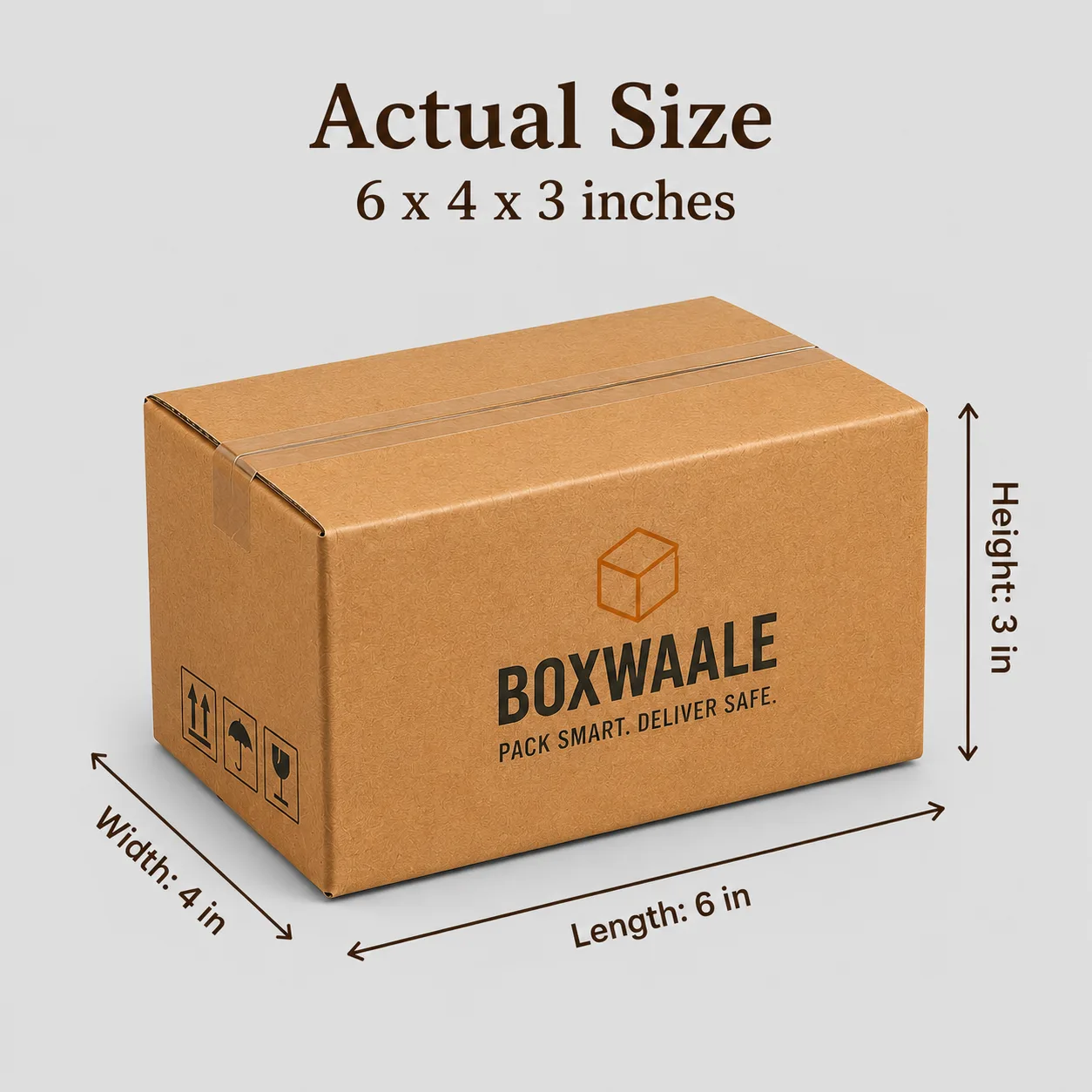
6x4x3 Inch Small Brown Corrugated Courier Box for Jewellery, Cosmetics & Accessories
Compact 6x4x3 inch brown corrugated small courier box designed for jewellery, cosmetics, mobile accessories, samples, and small product shipping.
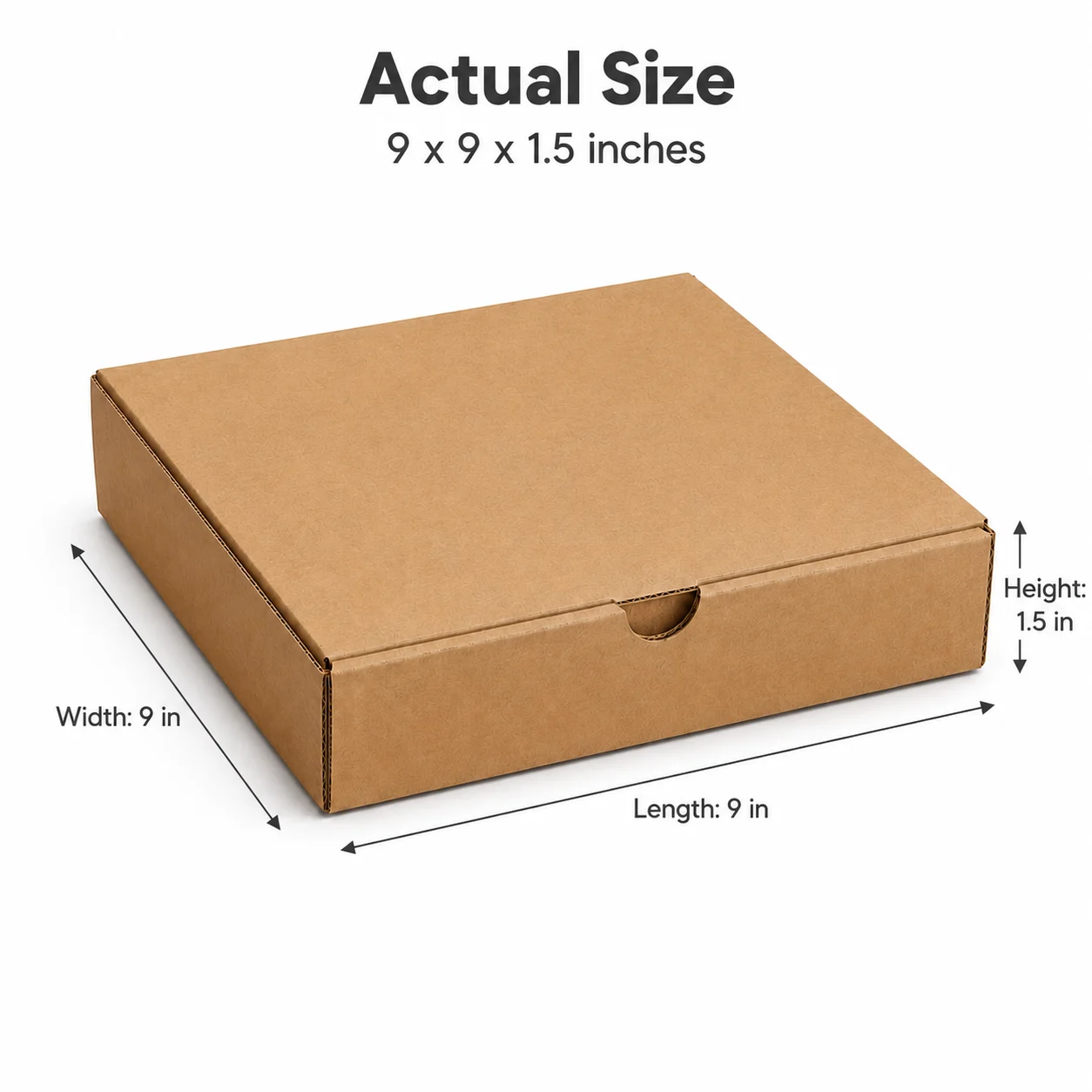
9x9 Inch Brown Corrugated Pizza Box for Food Delivery
Durable 9x9 inch brown corrugated pizza box designed for restaurants, cafes, cloud kitchens, and food delivery businesses.
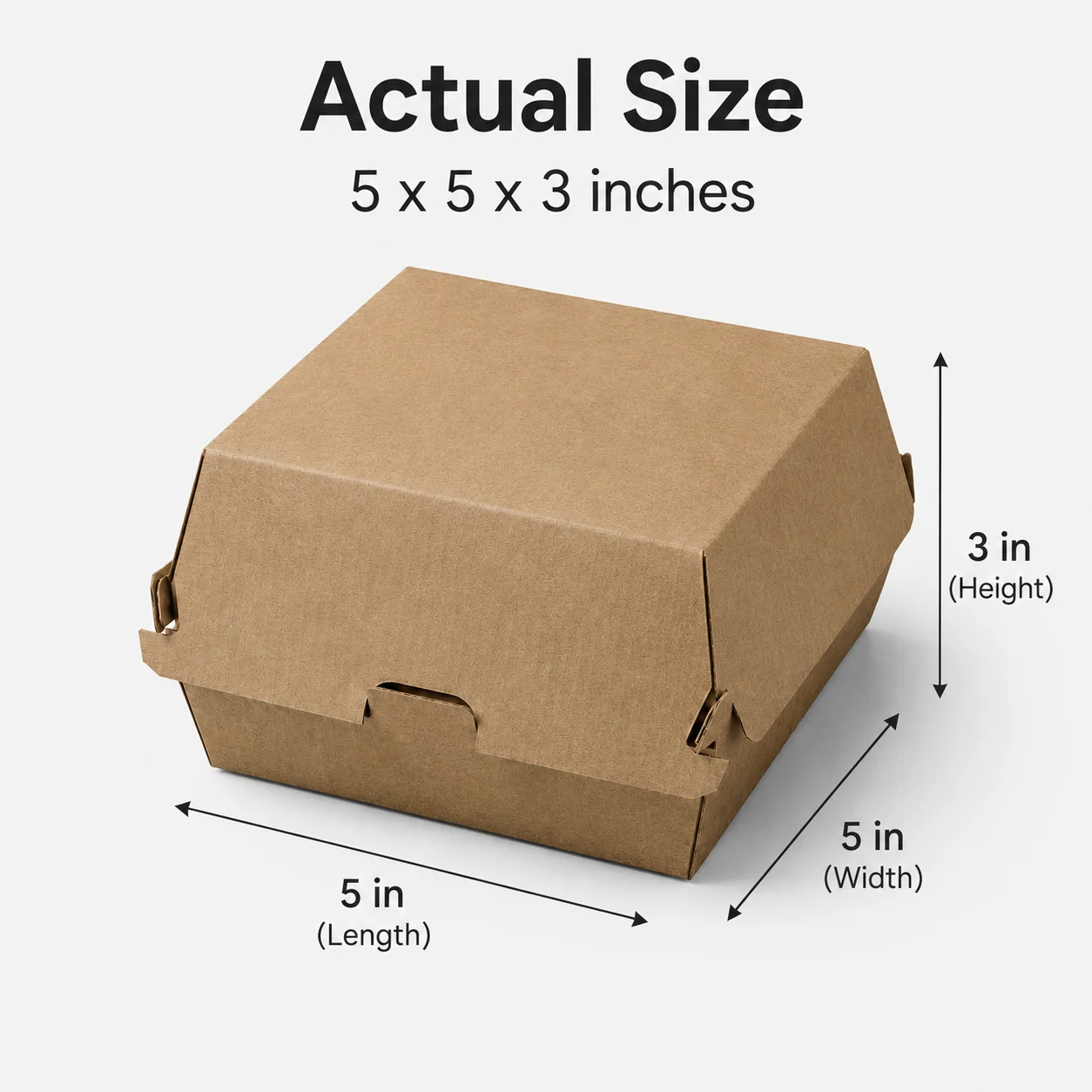
5x5 Inch Brown Kraft Burger Box for Takeaway & Food Delivery
Durable 5x5 inch brown kraft burger box designed for restaurants, cafes, cloud kitchens, and takeaway food packaging.

8x8 Inch Brown Kraft Cake Box for Bakery & Pastry Packaging
Premium 8x8 inch brown kraft cake box designed for bakeries, cafes, cloud kitchens, pastry shops, and dessert packaging.
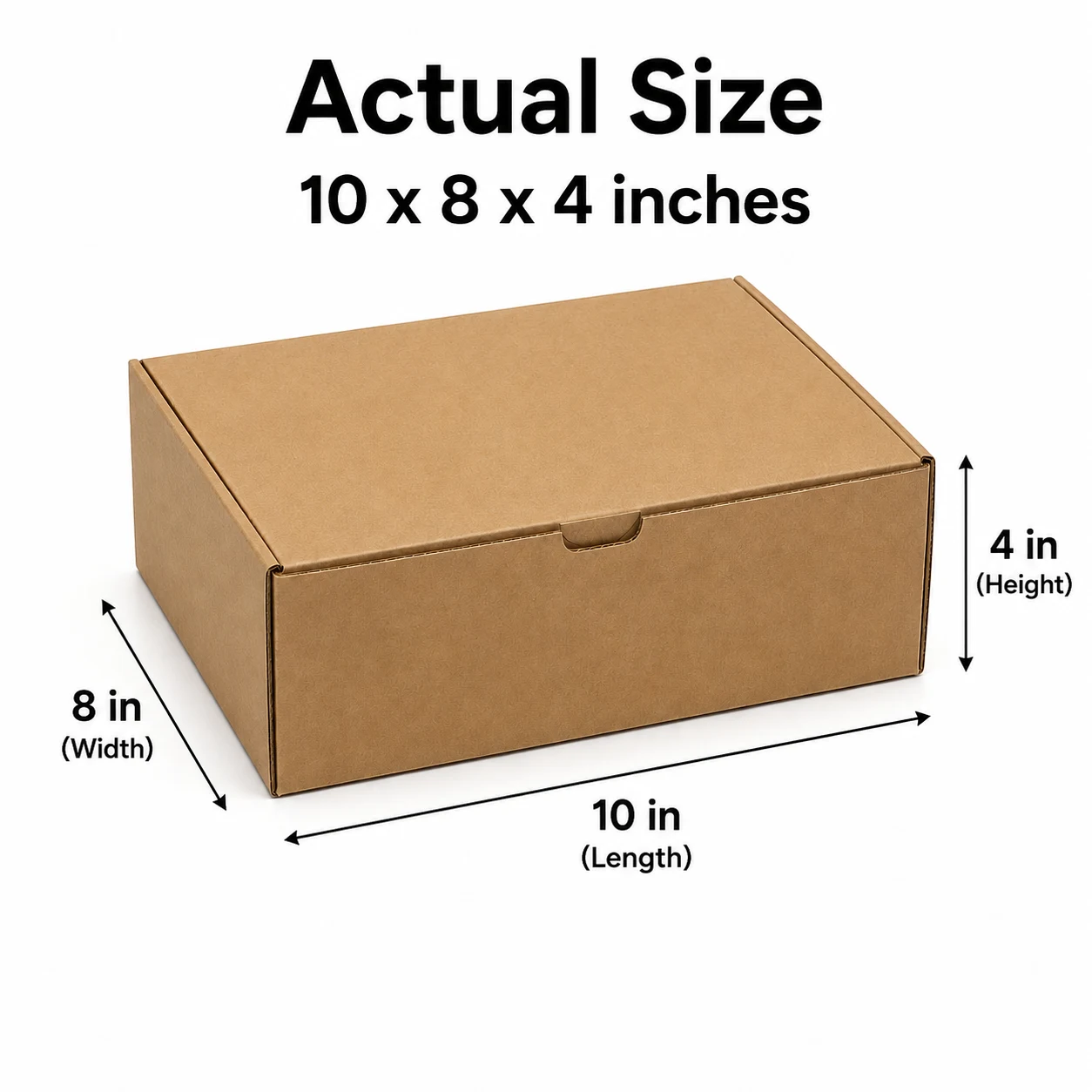
10x8x4 Inch Brown Corrugated Courier Box for E-commerce Shipping
Durable 10x8x4 inch brown corrugated courier box designed for e-commerce shipping, product delivery, storage, and secure packaging.
Related Buying Guides
Corrugated Box Lead Time: From Specification to Bulk Delivery
Read guide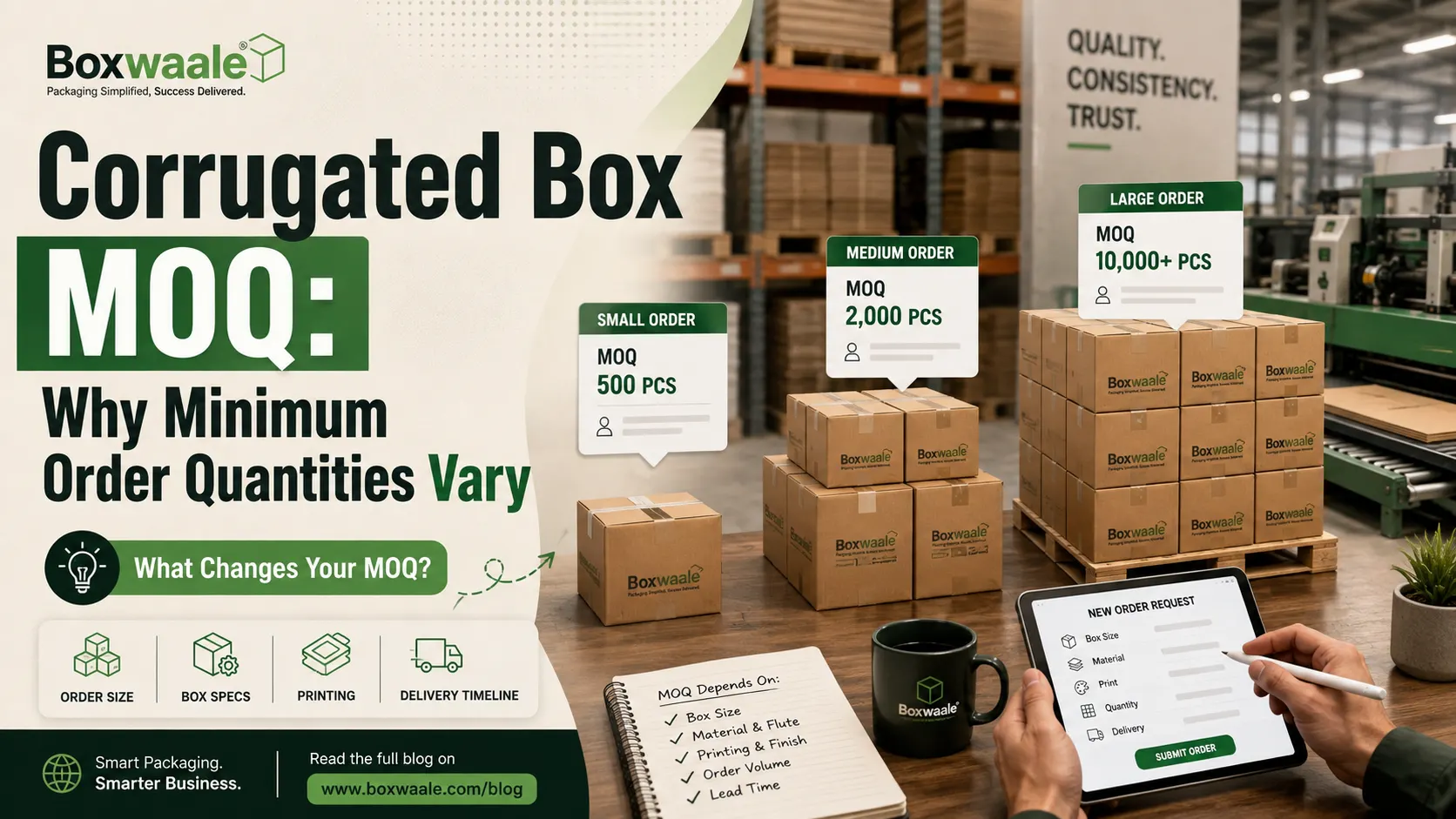
Corrugated Box MOQ: Why Minimum Order Quantities Vary
Read guide
How to Prepare a Corrugated Box RFQ: Complete Buyer Checklist
Read guide
Corrugated Box Cost Breakdown: Material, Printing, Tooling and Delivery
Read guide
How to Plan Corrugated Box Inventory for Festive and Peak Seasons
Read guide