
Published 2 Aug 2026· Updated 29 Aug 2026
Corrugated Box MOQ: Why Minimum Order Quantities Vary
A practical look at why minimum order quantities for custom corrugated boxes are never fixed, covering setup, board, printing and die costs so you can plan a realistic first order with confidence.
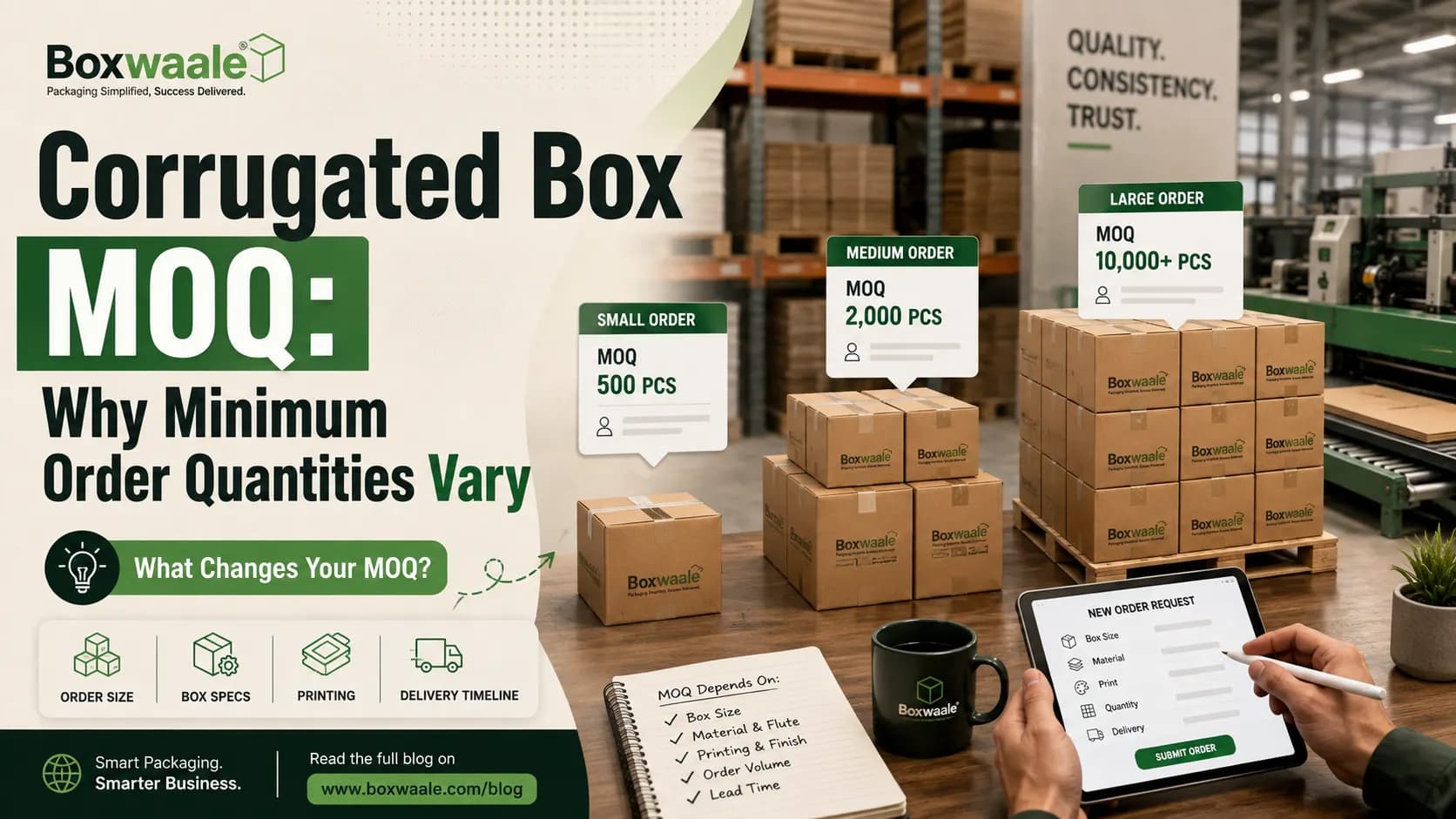
Key Takeaways
- Corrugated box MOQ is not a fixed industry number; it depends on the manufacturer's machinery, board grade, printing needs and whether a new die is required.
- Machine setup, such as loading paper reels and adjusting flute and slotting tools, takes similar time and material regardless of order size, which is why manufacturers set a minimum order to make that setup cost commercially viable.
- Plain, unprinted boxes generally carry a lower MOQ than printed ones because printing requires plate-making, a fixed cost that must be spread across the run.
- A new cutting die is needed for a custom box shape, which raises the MOQ on a first order; reordering the same design later is usually easier and can often be done at a lower quantity.
- Standard box sizes and common board or flute combinations typically support a lower MOQ than non-standard specifications that require special sourcing or tooling.
- Choosing a standard size, standard board and flute combination, and a simple one- or two-colour print are the usual ways to bring MOQ and cost down.
Corrugated Box MOQ: Why Minimum Order Quantities Vary
Table of Contents
Ask three different corrugated box manufacturers for a minimum order quantity and you will likely get three different answers. That is not inconsistency on their part — MOQ is a function of machine setup, material, and design complexity, not a fixed rulebook. This guide walks through what actually pushes an MOQ up or down so you can plan a realistic first order.
What Decides the Minimum Order Quantity for a Corrugated Box
A corrugator or box-making line has to be set up before it can run — the paper reels loaded, the flute profile adjusted, the slotting and creasing tools positioned to your box dimensions. That setup takes time and material regardless of whether you order 200 boxes or 20,000. Manufacturers therefore set a minimum quantity at which the setup cost, spread across each box, still makes commercial sense for both sides.
Several factors feed into where that minimum lands for a given order:
- Whether the box size is a standard, frequently produced dimension or a custom one
- Whether the board is a common grade in stock or a special specification
- Whether the box needs printing, and how many colours
- Whether a new die is required for the box shape
- The manufacturer's own machine capacity and production schedule
Because these variables combine differently on every order, no single number applies to "corrugated boxes" as a category. A plain 3-ply mailer box in a standard size can often be produced in smaller runs than a die-cut, multi-colour printed box in a size nobody has tooled before.
Board, Flute and Ply: How Material Choice Changes MOQ
Board grade plays a bigger role in MOQ than most first-time buyers expect. A manufacturer typically keeps commonly ordered paper reel widths, GSM combinations, and flute profiles (such as those used for standard 3-ply corrugated boxes) readily available. Ordering within that common range means less changeover on the corrugator, which usually supports a lower minimum.
Ask for an unusual board combination — a specific liner GSM paired with an uncommon flute, for instance — and the manufacturer may need to source that paper specifically for your run. That sourcing cost gets bundled into a higher MOQ or a higher per-unit price at lower quantities. If your MOQ is tight, it is worth asking your supplier which board specifications they already stock before finalising a non-standard one.
Printing, Dies and Tooling: The Hidden MOQ Drivers
Printing is usually the single biggest reason MOQs rise. Flexographic printing requires plates to be made for your artwork, and those plates carry a fixed cost whether you print 500 boxes or 50,000. A manufacturer will typically set a minimum quantity high enough that the plate cost per box does not make the order commercially unworkable for you or unattractive for them to run.
Die-cutting works the same way. A custom box shape — a shaped tray, a display carton, a box with an unusual closure — needs a cutting die made specifically for that shape. Once the die exists, reordering the same box is far easier and can often be done at a lower quantity than the first run, since the tooling cost has already been absorbed.
This is why many manufacturers separate their pricing logic into "first order" and "repeat order" MOQs. If you expect to reorder the same design regularly, it is worth discussing that upfront, since the economics of the first run and every run after it are genuinely different.
Stock Boxes vs Fully Custom Boxes: Different MOQ Logic
Not every corrugated box purchase needs to go through the custom-order process. Many buyers — especially those shipping in standard sizes — can work within a supplier's existing range of plain or lightly branded boxes, which usually carry a much lower minimum since no new tooling or plate is involved.
Fully custom boxes, on the other hand, are worth the higher MOQ when brand presentation, a specific product fit, or a particular strength specification genuinely matters to the business. The right approach is to match the order type to the actual need: a warehouse doing internal stock transfers rarely needs a custom die-cut box, while a D2C brand shipping directly to customers usually benefits from one.
| Order type | Typical MOQ pressure | Best suited for |
|---|---|---|
| Standard size, unprinted | Lower | Internal use, generic shipping, storage |
| Standard size, 1-2 colour print | Moderate | Brand name/logo without full custom shape |
| Custom die-cut, multi-colour print | Higher (first order) | Retail-ready, D2C, gifting and display boxes |
| Repeat order, same die/plates | Lower than first order | Ongoing reorders of an established design |
Planning Your First Order Around MOQ
If MOQ is the main constraint on a new packaging project, it is often more productive to plan backward from what a manufacturer can realistically run economically than to fix a target quantity first and hope it fits. Sharing your budget, expected usage rate and whether this is a one-off or the start of a recurring relationship gives a supplier the context to suggest a specification — standard size, common board, simpler print — that brings the MOQ within reach, rather than quoting a high minimum against a highly customised first request.
How Boxwaale Helps
Boxwaale works with businesses at both ends of this spectrum — from smaller buyers who need a practical quantity of standard boxes to brands ordering fully custom, printed cartons. Because we manufacture out of Delhi and deliver pan-India, we can walk you through which board, size and print combination keeps your first order realistic, and explain clearly why the number lands where it does before you commit. Get in touch with your box dimensions and expected quantity for a straight answer on MOQ for your specific order.
Frequently Asked Questions
Related Packaging Guide
Planning a packaging order?
Turn this guidance into a box specification
Share the product dimensions, packed weight, quantity, printing requirement and delivery postcode. Boxwaale will help narrow down the appropriate size, ply and board specification before quoting.
Frequently Asked Questions
Related Products
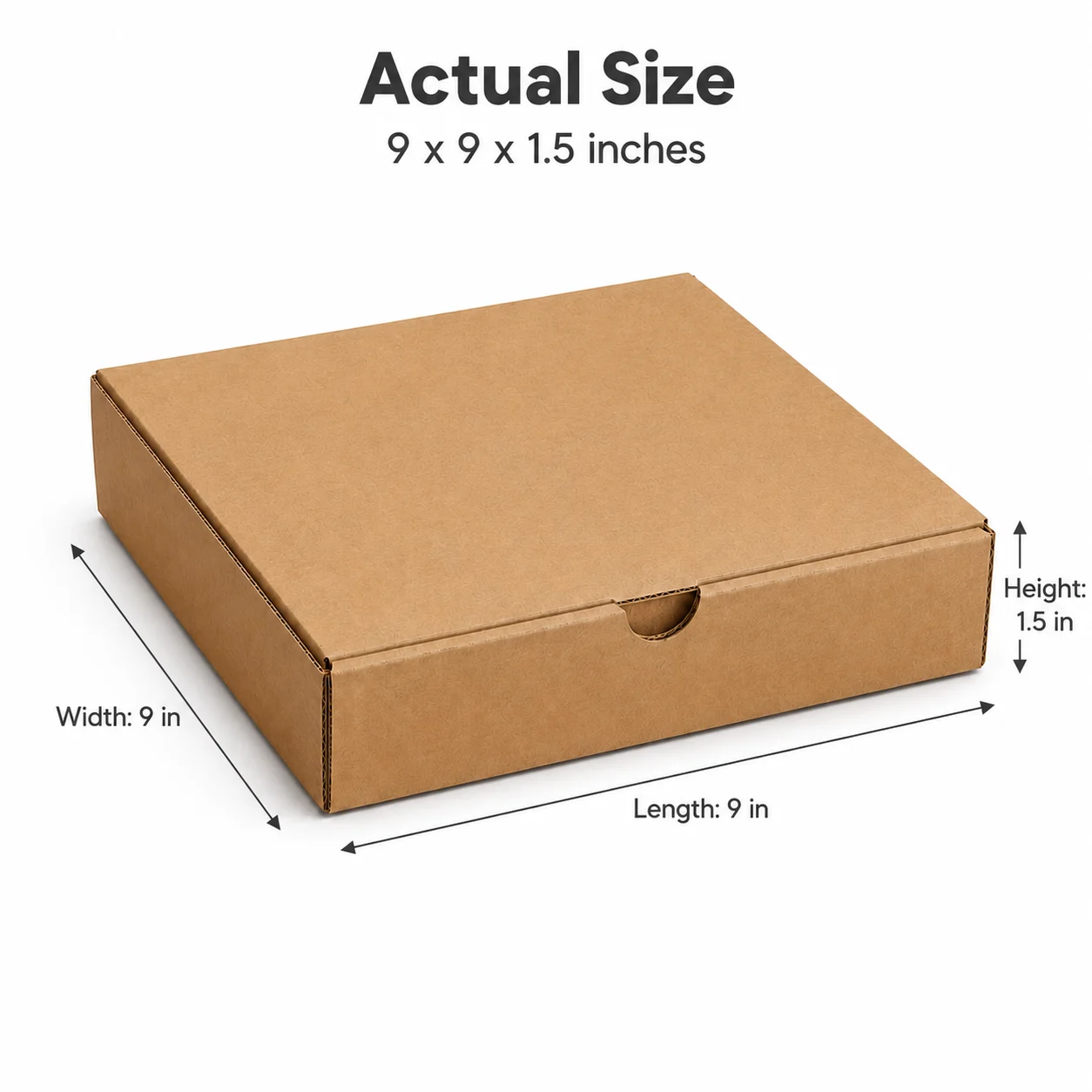
9x9 Inch Brown Corrugated Pizza Box for Food Delivery
Durable 9x9 inch brown corrugated pizza box designed for restaurants, cafes, cloud kitchens, and food delivery businesses.
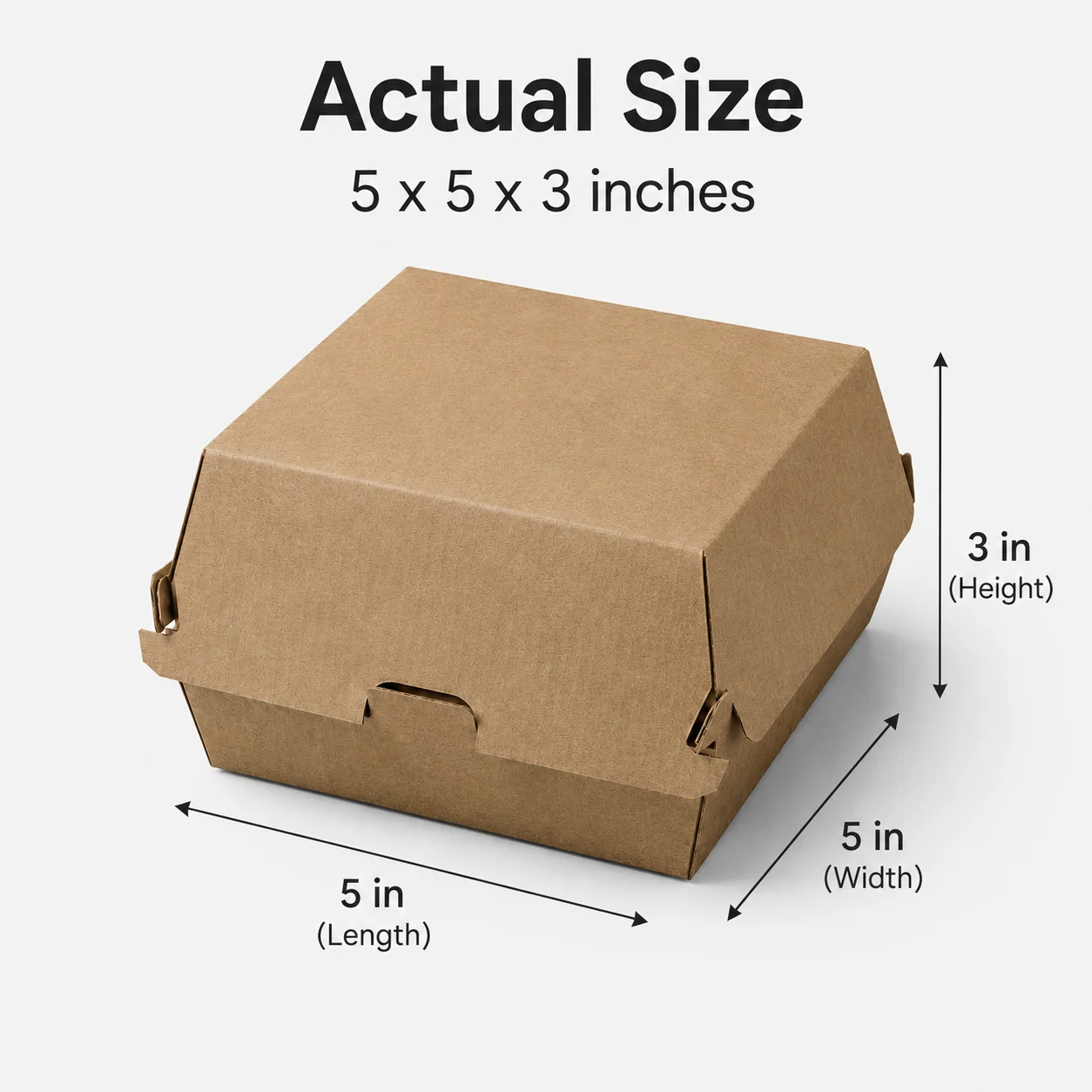
5x5 Inch Brown Kraft Burger Box for Takeaway & Food Delivery
Durable 5x5 inch brown kraft burger box designed for restaurants, cafes, cloud kitchens, and takeaway food packaging.

8x8 Inch Brown Kraft Cake Box for Bakery & Pastry Packaging
Premium 8x8 inch brown kraft cake box designed for bakeries, cafes, cloud kitchens, pastry shops, and dessert packaging.
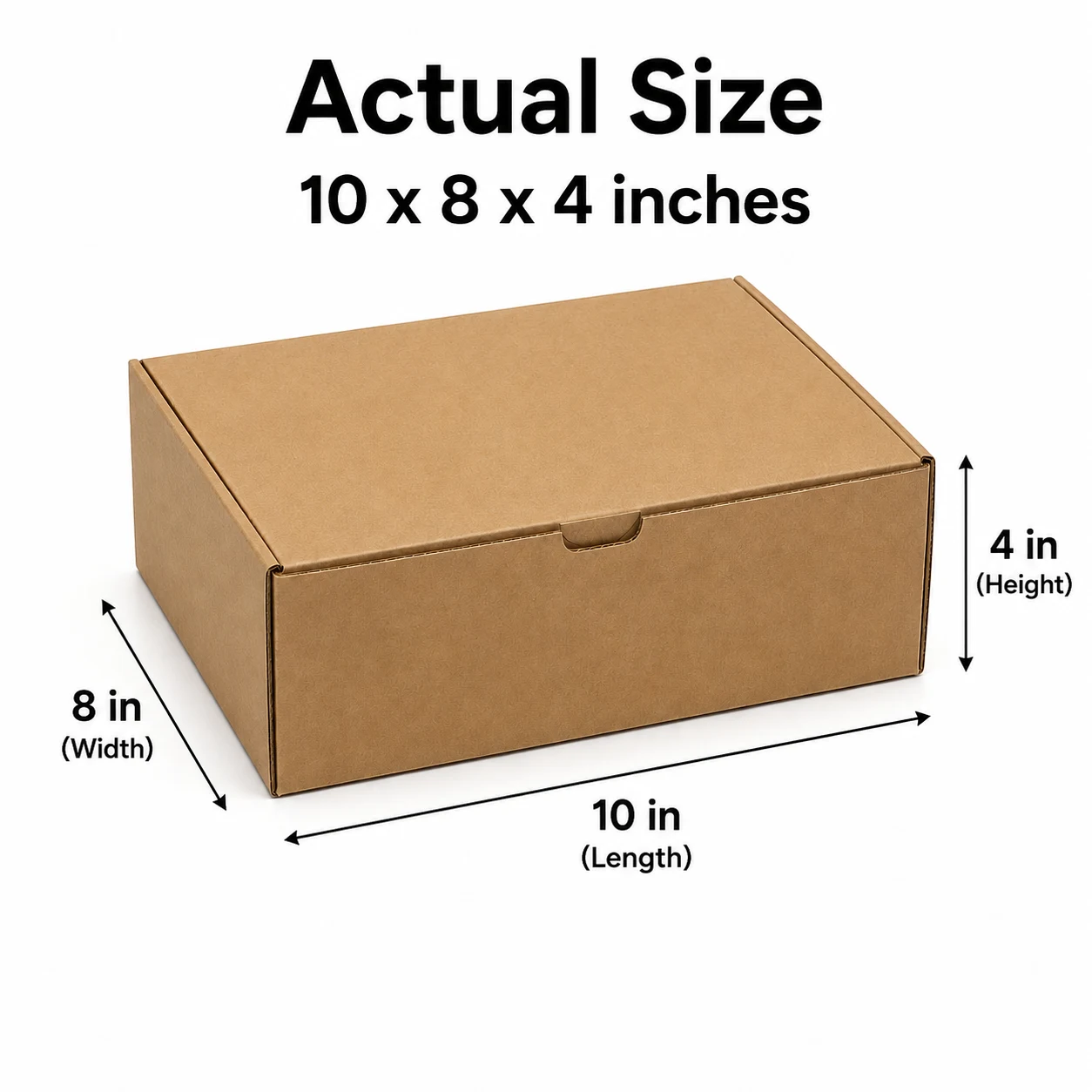
10x8x4 Inch Brown Corrugated Courier Box for E-commerce Shipping
Durable 10x8x4 inch brown corrugated courier box designed for e-commerce shipping, product delivery, storage, and secure packaging.
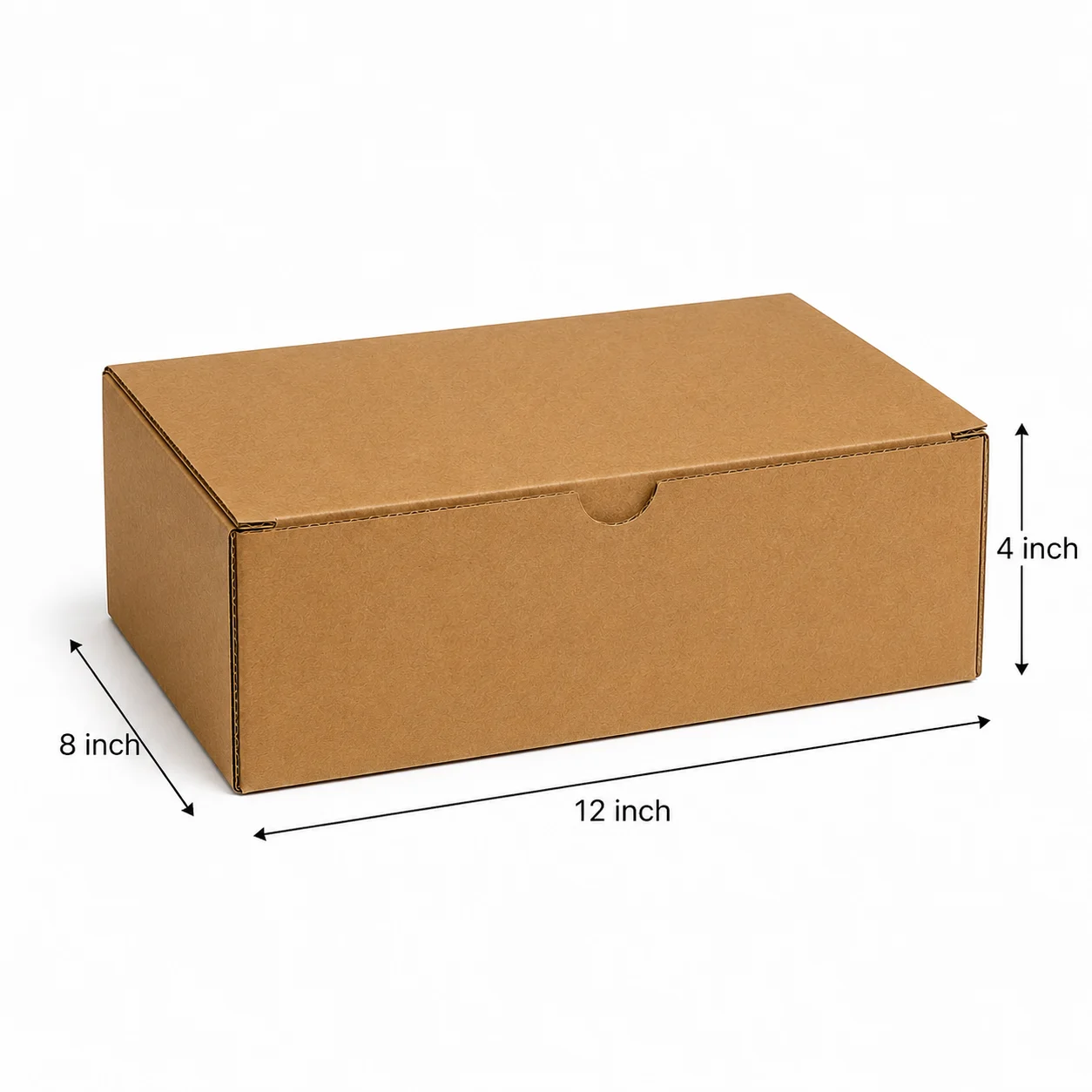
12x8x4 Inch Brown Corrugated 6 Bottle Nail Paint Packaging Box
Durable 12x8x4 inch brown corrugated nail paint box with six internal compartments, designed for cosmetic packaging, storage, gifting, and safe delivery.
Related Buying Guides
How to Prepare a Corrugated Box RFQ: Complete Buyer Checklist
Read guide
Corrugated Box Cost Breakdown: Material, Printing, Tooling and Delivery
Read guide
Corrugated Box Samples and Prototypes: What to Approve Before Production
Read guide
Corrugated Box Lead Time: From Specification to Bulk Delivery
Read guide
How to Plan Corrugated Box Inventory for Festive and Peak Seasons
Read guide