Biodegradable Packaging for D2C Brands in India: What It Actually Means
What biodegradable and compostable actually mean for D2C packaging in India, how IS 17088 applies (and doesn't) to corrugated boxes, and practical steps to cut plastic from your shipments.
Key Takeaways
- Corrugated cardboard and kraft paper are inherently biodegradable and recyclable — different from certified 'compostable plastic' under IS 17088.
- Recycled-content kraft board, paper tape over BOPP plastic tape, and skipping bubble wrap are the practical levers a D2C brand controls.
- Laminated or plastic-coated boxes can look premium but break both biodegradability and paper recyclability.
- India's 2022 Plastic Waste Management Amendment and EPR rules target plastic packaging specifically, not paper-based corrugated packaging.
- Avoid overclaiming sustainability credentials your packaging supplier hasn't actually verified or certified.
Biodegradable Packaging for D2C Brands in India: What It Actually Means
Table of Contents
"Biodegradable packaging" gets used loosely across D2C marketing copy, and it often conflates two genuinely different categories of material with two different regulatory standards behind them. This article separates paper-based corrugated and kraft packaging — which is inherently biodegradable and recyclable as a material — from certified compostable plastics, and walks through what actually changes for a box buyer who wants their packaging to be defensibly sustainable rather than just labelled that way.
Biodegradable vs Compostable: Two Different Things
Corrugated cardboard and kraft paper are made from wood cellulose fibre. As a material class, they biodegrade naturally over time and are widely recyclable through India's existing waste paper collection and mill system — this is a basic property of the fibre itself, not a certification a brand earns. That's a different claim from "compostable," which in India is governed by IS/ISO 17088:2021, the standard equivalent to the international EN 13432 and ASTM D6400 benchmarks. IS 17088 is specifically written for compostable plastics — it defines testing criteria showing a material breaks down within industrial composting conditions, typically within a defined window of weeks to months, without leaving harmful residue.
The distinction matters because the two categories serve different purposes and carry different substantiation requirements. A plain corrugated box does not need, and generally cannot obtain, an IS 17088 compostable-plastics certificate — that standard doesn't apply to it, because it isn't plastic. What a corrugated box buyer can reasonably say is that the board is paper-based, biodegradable and recyclable by nature. What a buyer of a compostable mailer bag or void-fill pouch needs to check is whether that specific plastic-alternative product actually carries IS 17088 certification, since "compostable-looking" plastic film without certification is a common area of overclaiming in Indian D2C packaging.
Why D2C Brands in India Are Paying Attention Now
Regulation is part of the push. The Plastic Waste Management (Amendment) Rules, 2022 turned Extended Producer Responsibility (EPR) from a voluntary idea into a mandatory, portal-registered obligation for brand owners, importers and e-commerce entities placing plastic packaging on the market, with phased mandatory recycled-content targets for plastic packaging categories rising over the next several years. It's worth being precise here: these recycled-content mandates apply to plastic packaging categories, not to paper or board packaging, and compostable packaging is also treated separately from the plastic recycled-content targets. So corrugated and kraft packaging sit outside the plastic EPR recycled-content mechanics — but that doesn't mean paper packaging is unaffected by the broader shift; it means the pressure on D2C brands is showing up mainly as reduced tolerance for plastic components inside an otherwise paper-based shipment — the tape, the void fill, the poly mailer wrap around a corrugated box.
Consumer expectation is the other half. D2C brands, more than retail-shelf brands, use packaging as a direct communication channel with the end customer, and sustainability positioning has become a competitive differentiator rather than a niche appeal — particularly among younger, urban online shoppers who are also the demographic most likely to post unboxing content. Brands that can back up a sustainability claim with something concrete — recycled content percentage, absence of plastic tape, no bubble wrap — tend to hold up better under customer scrutiny than brands making a vague "eco-friendly" claim with nothing behind it.
What "Biodegradable Packaging" Practically Means for a Box Buyer
For a business actually specifying packaging, "going biodegradable" is less about swapping one material for another and more about removing the plastic elements that get bundled with a corrugated box by default. The corrugated board itself is already paper-based; the improvements usually available are:
- Recycled kraft content — specifying a known recycled fibre percentage in the liner rather than defaulting to virgin kraft everywhere, where strength requirements allow it. See our comparison of recycled vs virgin kraft paper for corrugated boxes for how this trade-off affects strength and cost.
- Avoiding laminates and plastic coatings — gloss laminated or plastic-coated corrugated boxes look premium but the coating layer makes the board harder to recycle and slower to biodegrade compared to an uncoated or water-based-coated box.
- Paper tape instead of plastic (BOPP) tape — standard courier tape is a polypropylene film; water-activated or reinforced paper tape seals the same box without leaving a plastic strip on an otherwise paper carton.
- Reducing bubble wrap and loose plastic void fill — a well-sized box with corrugated inserts, honeycomb paper padding, or crumpled kraft paper can often replace bubble wrap for products that aren't highly fragile, removing the plastic film entirely rather than just recycling it later.
- Avoiding unnecessary poly mailer wrap around an already-sturdy corrugated box, which is sometimes added out of habit rather than genuine need for weatherproofing.
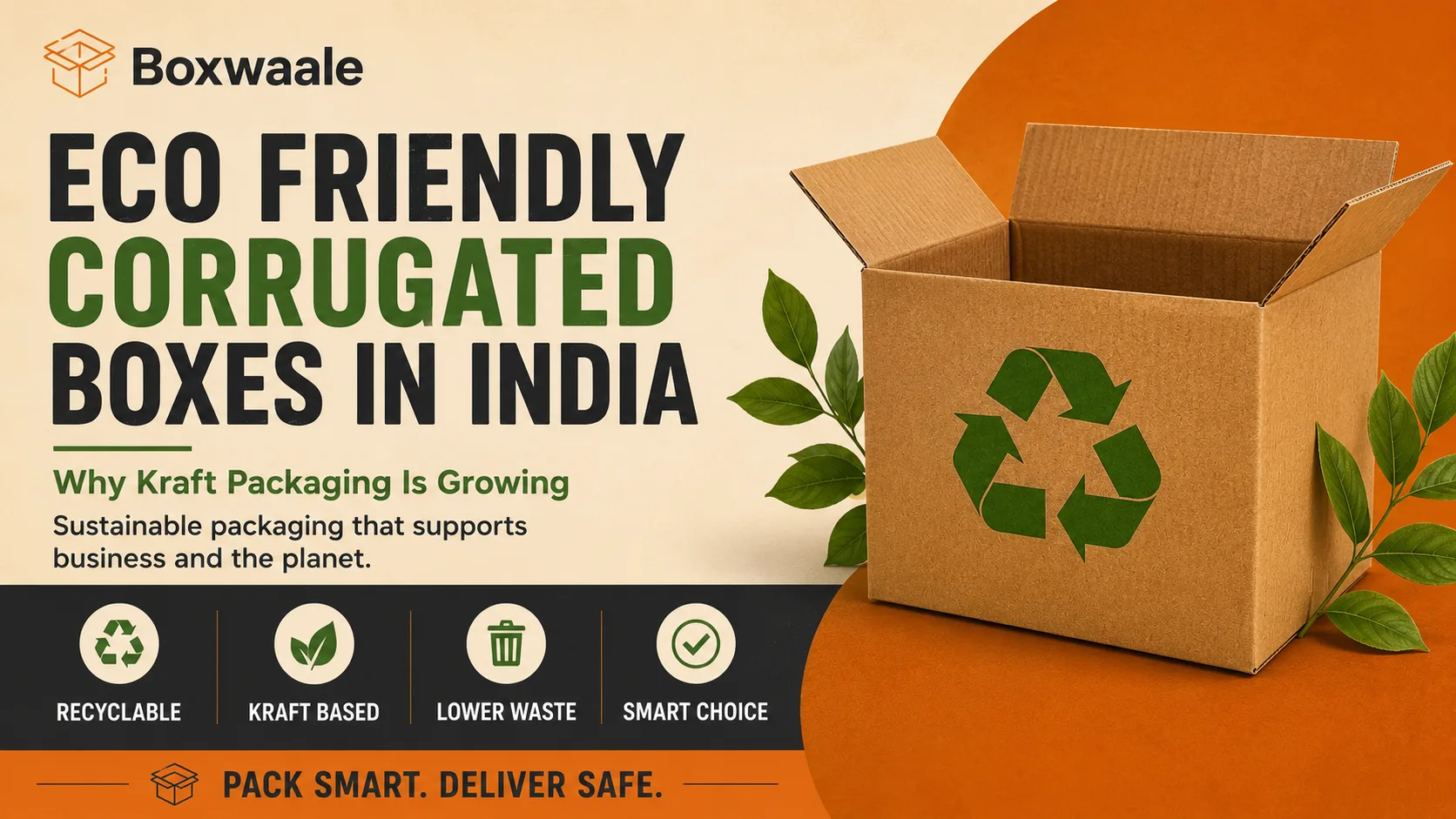
None of these changes require certification paperwork — they're specification decisions a buyer can make directly with their box supplier. Our guide on eco-friendly corrugated boxes in India and why kraft packaging is growing covers the broader market context for why more sellers are moving this direction.
It's worth sequencing these changes rather than trying all of them at once, since some interact with cost and durability in ways that are easy to miss. Switching to paper tape, for instance, is usually the lowest-risk first step — it doesn't change the box's strength and the cost difference per shipment is small. Removing bubble wrap is the change that needs the most testing, because it directly affects product protection; run a drop test on your actual packed product with the proposed corrugated insert or paper padding before rolling it out across a full product line, rather than assuming any paper-based cushioning is an automatic like-for-like swap. Recycled kraft content and coating changes sit in between — both are reasonable to adopt gradually, ideally starting with your least fragile, highest-volume SKUs where the risk of an unexpected failure is lowest.
Making Sustainability Claims You Can Actually Defend
The easiest mistake to make is reaching for absolute language — "100% eco-friendly," "zero plastic," "fully compostable" — when what's actually true is narrower and more specific. A box that uses paper tape and no bubble wrap is genuinely a lower-plastic shipment than a default one, but calling the entire package "zero plastic" is risky if there's a plastic address label, a poly bag inside, or a laminated print finish anywhere in the shipment. Regulators and increasingly consumers themselves are quicker to challenge blanket claims than specific, verifiable ones.
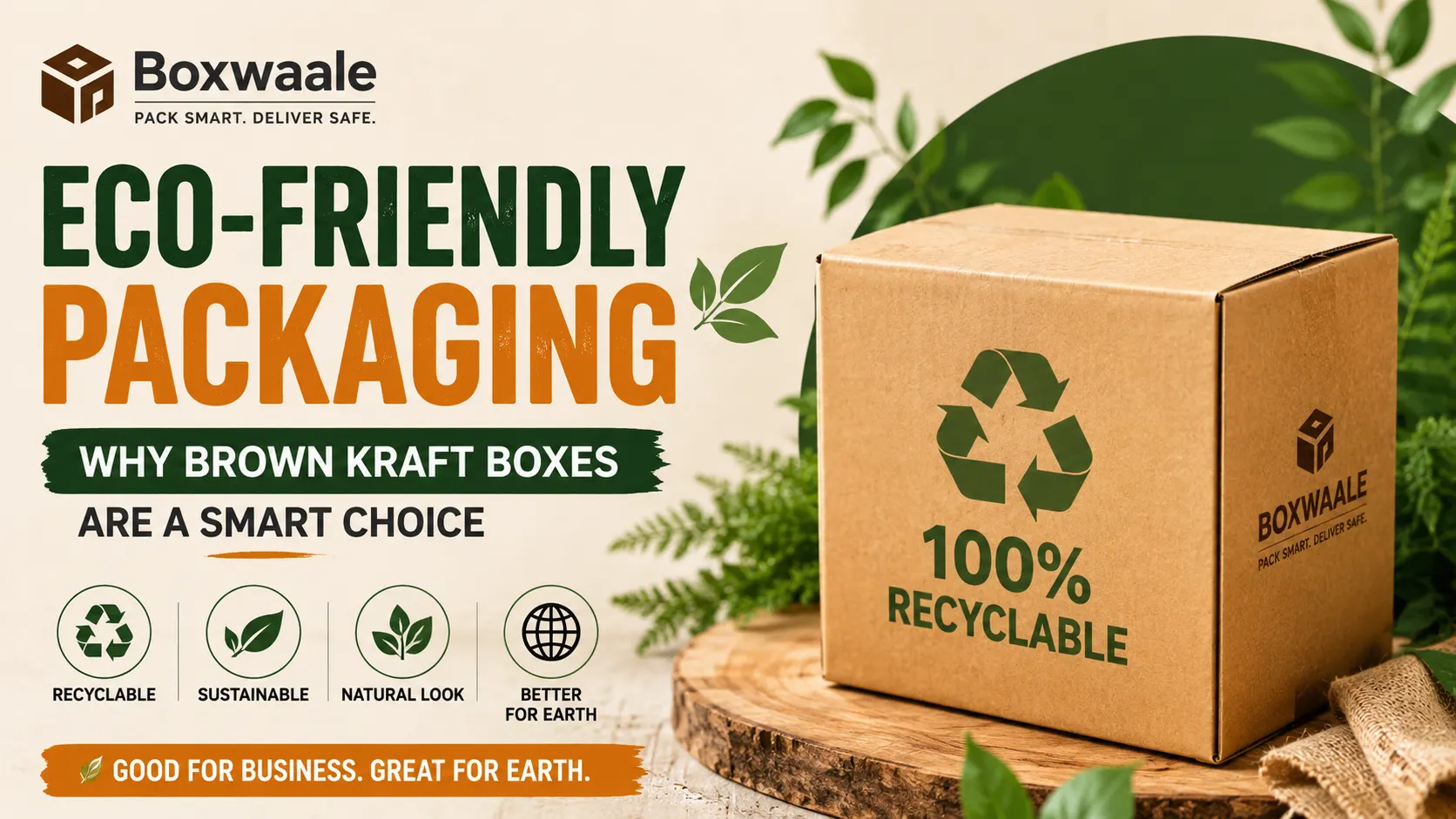
A more defensible approach: state what's actually true and measurable — "printed with water-based ink," "sealed with paper tape, not plastic," "corrugated board is recyclable through standard waste paper collection" — rather than a broad label. This also happens to read as more credible to shoppers who have grown skeptical of generic "eco-friendly" packaging claims after seeing the term used loosely across the market. For further reading on how kraft's natural brown finish plays into this positioning without overclaiming, see why brown kraft boxes are a smart packaging choice.
This also matters from a practical compliance angle, not just a brand-trust one. As EPR reporting and packaging disclosure requirements continue to tighten for e-commerce entities in India, a packaging claim that can't be substantiated with a specification sheet, a supplier declaration, or a test result becomes a liability rather than a marketing asset. Brands that keep a simple internal record of what each packaging claim is actually based on — which SKU uses paper tape, which liner has recycled content and at what percentage, which boxes are uncoated — are in a far better position if a claim is ever questioned than brands relying on a general "sustainable packaging" line copied across every product page.
How Boxwaale Helps
Boxwaale manufactures corrugated and kraft boxes out of Delhi, shipped pan-India, and can quote recycled-content kraft liners, uncoated board finishes, and paper-tape-compatible box designs where your product allows it. We won't claim a certification we don't hold — if you need IS 17088-certified compostable plastic film for a specific SKU, that's a different product category from corrugated board, and we'll be upfront about what a paper-based box can and can't claim, so your packaging copy stays accurate.
Frequently Asked Questions
Related Packaging Guide
Planning a packaging order?
Turn this guidance into a box specification
Share the product dimensions, packed weight, quantity, printing requirement and delivery postcode. Boxwaale will help narrow down the appropriate size, ply and board specification before quoting.
Frequently Asked Questions
Related Products
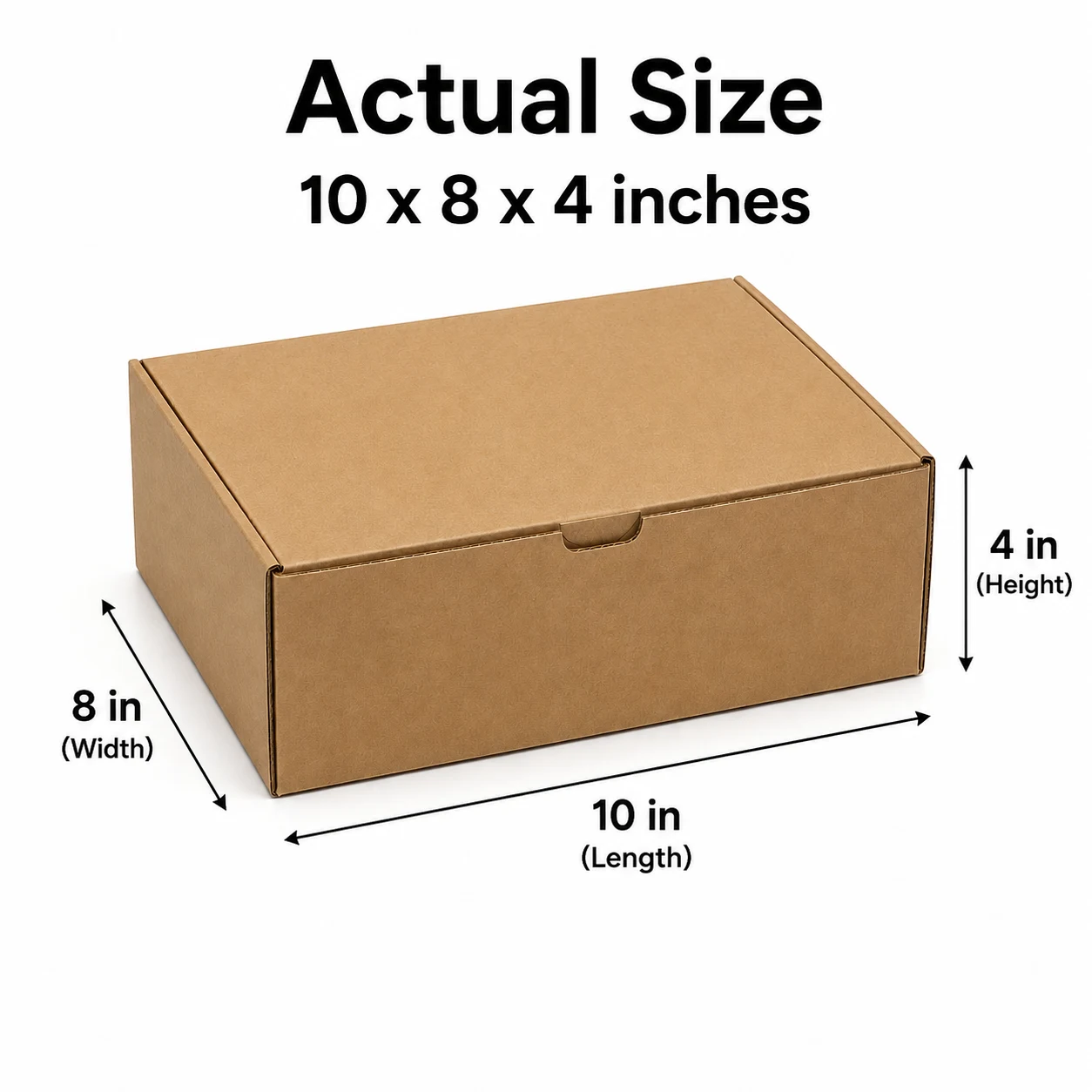
10x8x4 Inch Brown Corrugated Courier Box for E-commerce Shipping
Durable 10x8x4 inch brown corrugated courier box designed for e-commerce shipping, product delivery, storage, and secure packaging.
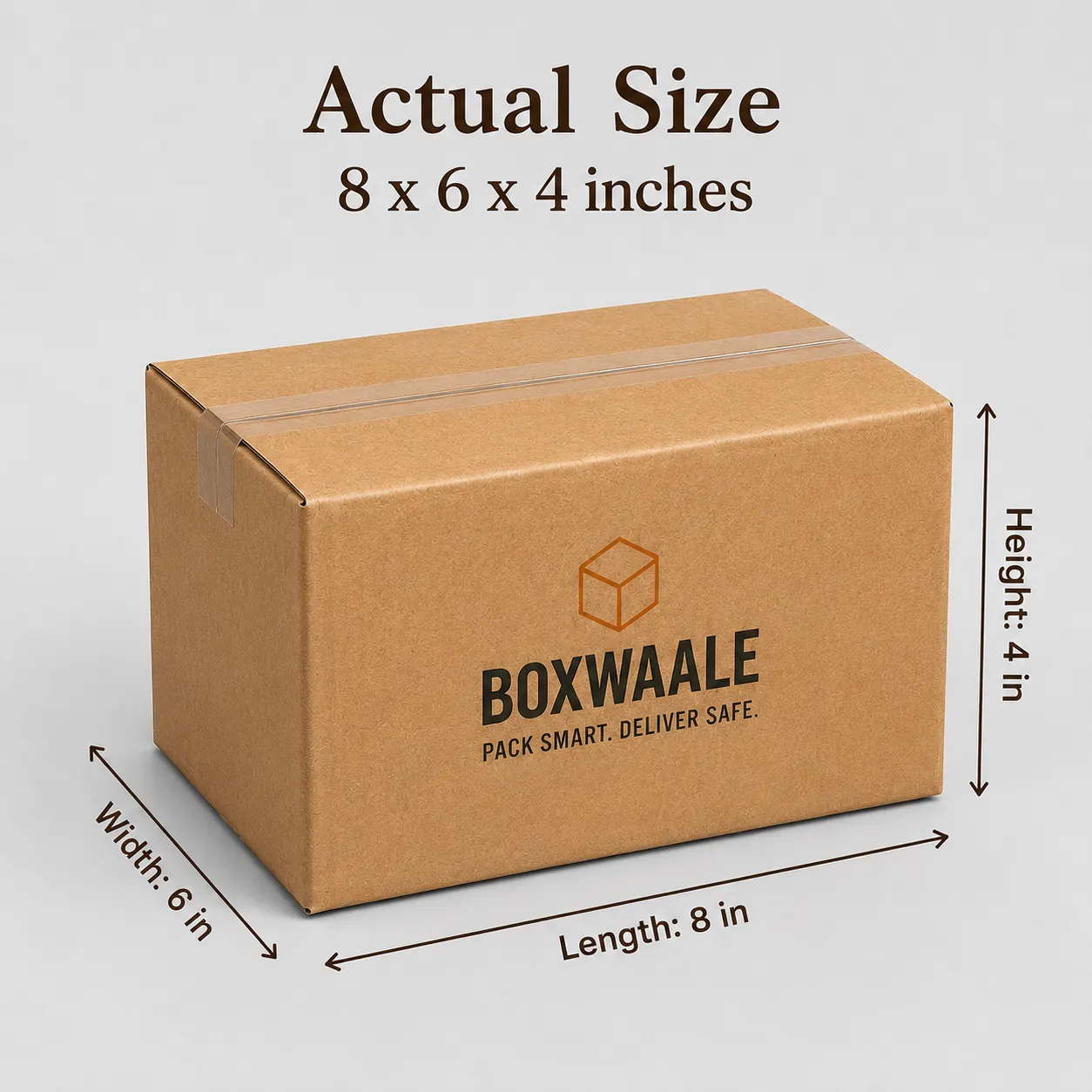
9x6x3 Inch Brown Corrugated Mailer Box for E-commerce Brands
Premium corrugated mailer box designed for e-commerce brands, subscription boxes, gifting, retail products, and custom branded packaging.
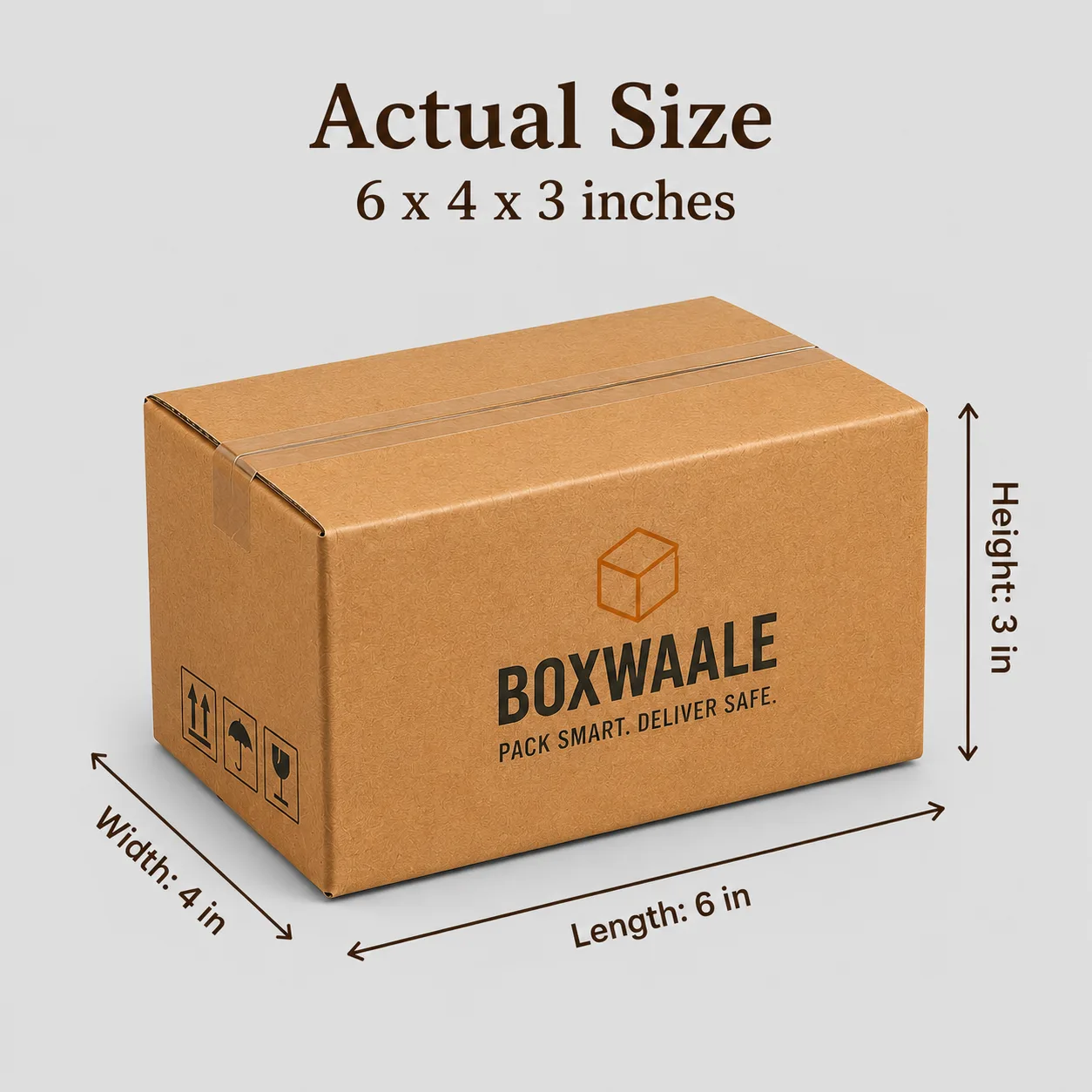
6x4x3 Inch Small Brown Corrugated Courier Box for Jewellery, Cosmetics & Accessories
Compact 6x4x3 inch brown corrugated small courier box designed for jewellery, cosmetics, mobile accessories, samples, and small product shipping.