Published 2 Aug 2026· Updated 29 Aug 2026
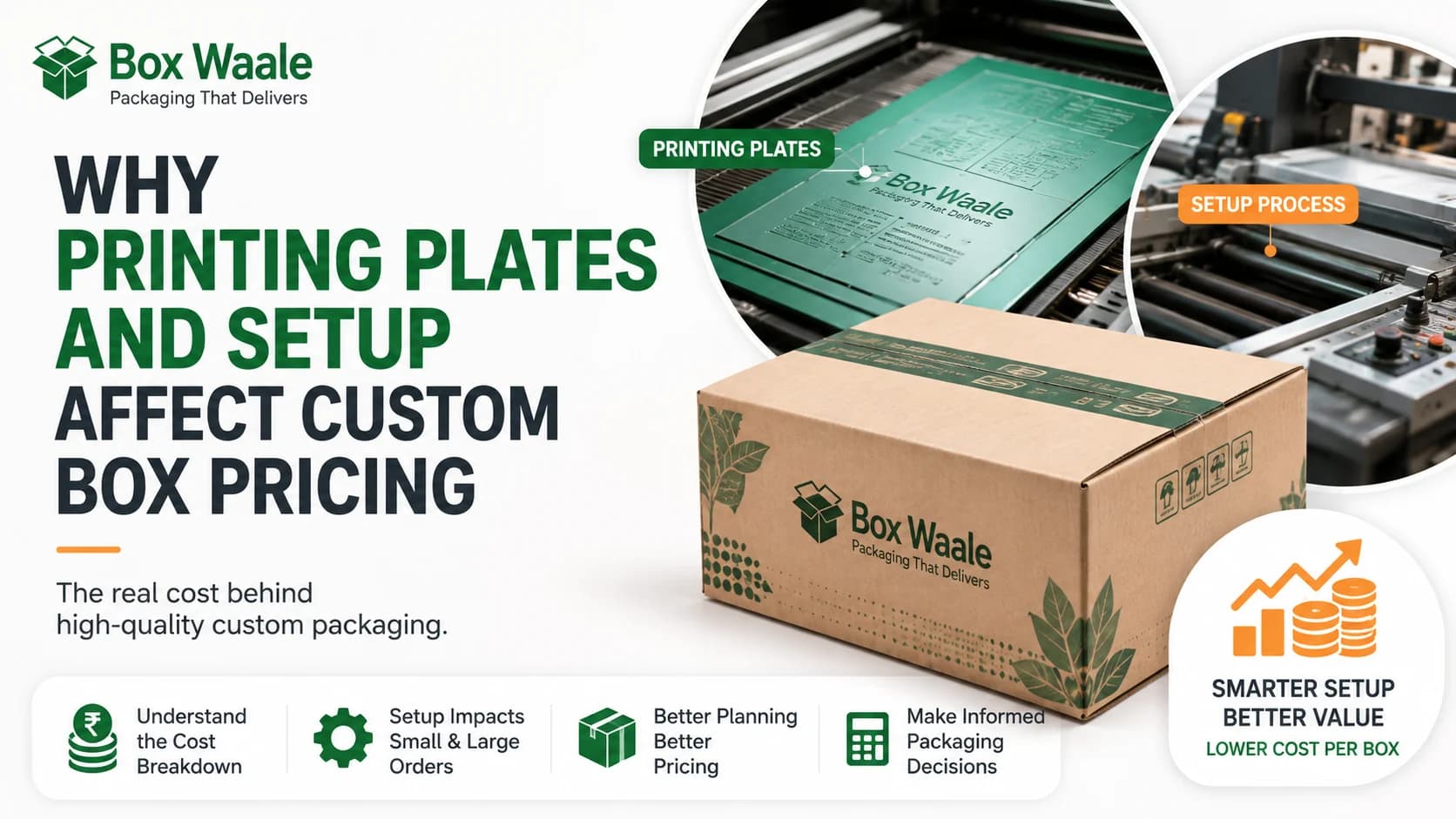
Why Printing Plates and Setup Affect Custom Box Pricing
A clear explanation of how flexo printing plates and one-time setup charges factor into custom box pricing, and why artwork changes cost more than plain reorders.
Key Takeaways
- Flexographic printing, the most common method for corrugated boxes, requires a physical plate carrying the artwork, and manufacturing that plate is billed as a one-time setup charge separate from the per-box printing cost.
- If the artwork stays unchanged and the plate is retained by the supplier, it does not need to be paid for again on a reorder, which is why repeat orders of the same design are typically priced lower per unit than a first order.
- Almost any artwork change, such as new text, a resized logo, an added element or a different layout, generally requires a new or modified plate, because the plate is a physical impression of the exact design.
- Flexo printing typically needs a separate plate for each colour in a design, so a design with more colours usually carries a higher total setup cost than a single- or two-colour design.
- Because the setup cost is fixed regardless of order size, its impact on the per-box price shrinks as order quantity grows, which is a key reason larger custom box orders cost less per unit.
- Reviewing a proof carefully and getting internal sign-off before plate production begins helps avoid the cost of re-cutting some or all of the plate set after an artwork revision.
Why Printing Plates and Setup Affect Custom Box Pricing
Table of Contents
First-time buyers of custom printed boxes are often surprised by a line item on their quote that has nothing to do with the box itself: the printing plate. This article explains what that charge actually pays for, why it behaves so differently from the per-box printing cost, and how understanding it can help you plan orders and artwork changes more cost-effectively.
What a Printing Plate Actually Is
Most corrugated box printing uses a process called flexography, where a raised, flexible plate carrying your design is inked and pressed against the board to transfer the image, much like a large rubber stamp. Before any box can be printed, that plate has to be physically produced from your artwork file — typically photopolymer, engraved with the exact shapes, text and lines of your design.
This plate-making step is a distinct manufacturing process with its own equipment, material and time cost, separate from the actual printing press run. That's why it appears on a quote as its own line item rather than being folded into the per-box price: it's a one-time cost to create the tool, not a recurring cost tied to how many boxes you print with it.
- The plate is specific to your exact artwork, dimensions and colour separations.
- Multi-colour designs generally need a separate plate for each colour.
- The physical plate is typically retained by the printer for future reorders of the same design.
One-Time Setup vs Per-Unit Printing Cost
Once the plate exists, using it to print boxes is a comparatively low incremental cost — ink, machine time and labour scale with volume, but the plate itself doesn't need to be paid for again as long as the design stays the same. This is why a first order of custom printed boxes often carries a noticeably higher effective per-box cost than a repeat order of the identical design: the first order absorbs the plate-making cost, while later orders are priced closer to pure production cost.
This two-part cost structure (one-time setup plus variable per-unit cost) is common across most custom manufacturing processes, not just packaging, but it catches buyers off guard in packaging specifically because the per-box price on a quote can look deceptively high for a small first order and then drop noticeably on a larger or repeat run. Understanding this upfront helps you interpret quotes correctly and plan initial order quantities that make sense against the setup cost you're absorbing.
Why Artwork Changes Are Expensive
Because the plate is a physical impression of your exact artwork, almost any change to that artwork means the existing plate can no longer be used as-is. This includes changes that might feel minor from a design standpoint but are structural from a plate-making standpoint: resizing a logo, adding a line of text, adjusting the position of an element, or changing which parts of the design carry which colour.
Some changes require a full new plate set; others might only need one colour's plate re-cut if the change is isolated to that colour and doesn't shift the overall layout. Either way, an artwork revision after your first plate is made effectively resets some or all of the one-time setup cost, which is why many suppliers ask buyers to finalise and proof artwork carefully before plate production begins, rather than treating the first print run as a live draft.
Practical ways to reduce this risk:
- Review a printed or digital proof carefully before approving plate production, including exact text, spelling and colour placement.
- Get sign-off from everyone who needs to approve the design internally before locking it in, not after.
- If you expect seasonal or promotional variants, discuss this with your supplier at the outset so plate layout can account for it, rather than treating each variant as a fully separate design.
Planning Orders Around Plate Economics
Because setup cost is fixed regardless of order size, the per-box impact of that cost shrinks as your order quantity grows. This is one of the clearest reasons custom printed boxes get meaningfully cheaper per unit at higher volumes, separate from any bulk discount on raw board. If you're testing a new product or design and unsure of demand, it's worth discussing a smaller initial run with your supplier and understanding clearly that a larger repeat order later will benefit from the plate already existing.
For businesses with multiple SKUs sharing a common design template (same logo and brand elements, different product-specific text), it can also be worth planning the artwork for several SKUs together, so any shared plate elements are set up efficiently in one pass rather than as separate isolated jobs. Your supplier can advise on how much this actually saves for your specific design, since it depends on how much of the artwork is genuinely shared versus unique per SKU.
How Boxwaale Helps
Boxwaale walks new custom printing customers through exactly what their plate cost covers and how it will (and won't) apply to future reorders, so there are no surprises on a repeat quote. We also review artwork proofs carefully before plate production to help catch changes early, when they're free to fix, rather than after a plate has already been cut.
Frequently Asked Questions
Related Packaging Guide
Planning a packaging order?
Turn this guidance into a box specification
Share the product dimensions, packed weight, quantity, printing requirement and delivery postcode. Boxwaale will help narrow down the appropriate size, ply and board specification before quoting.
Frequently Asked Questions
Related Products
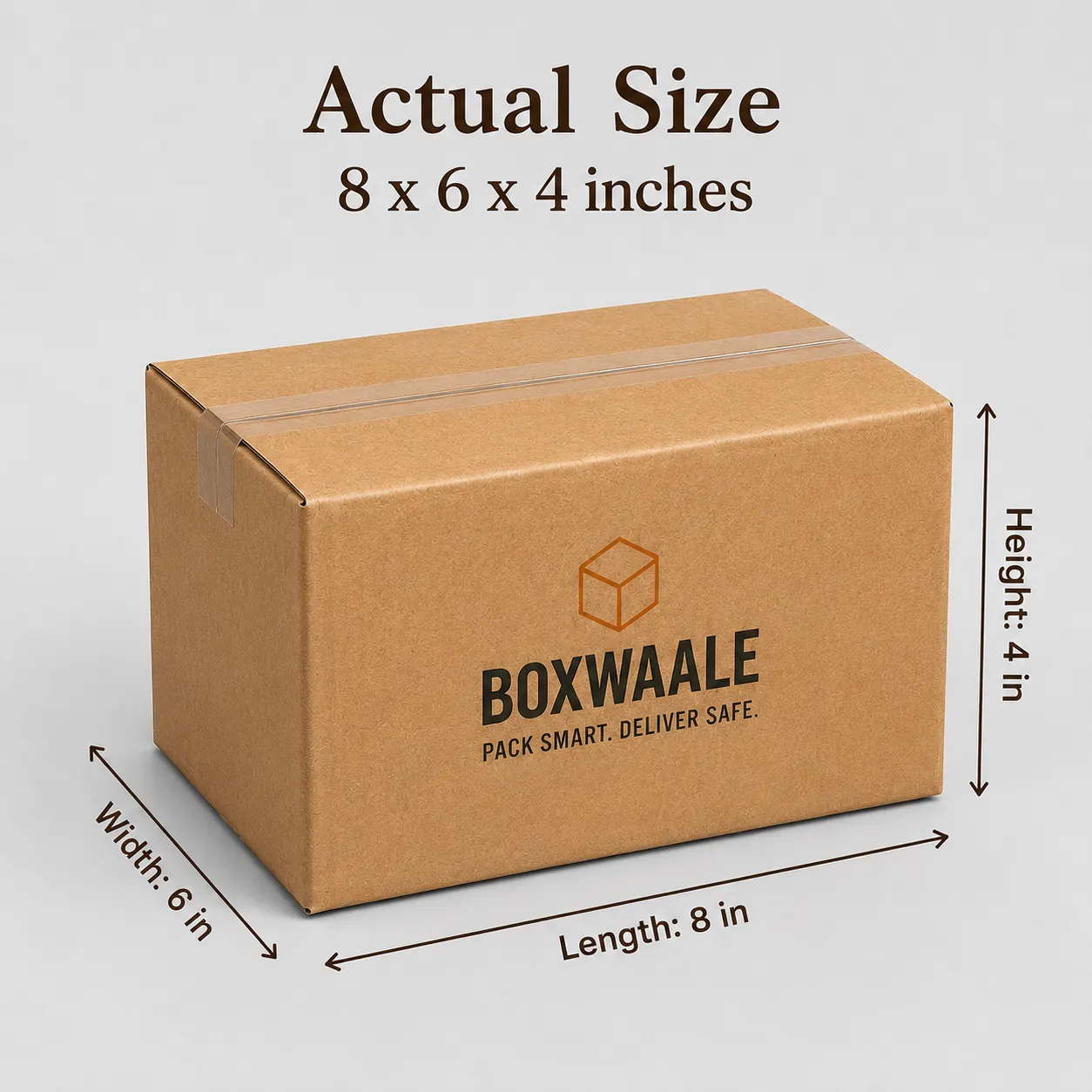
9x6x3 Inch Brown Corrugated Mailer Box for E-commerce Brands
Premium corrugated mailer box designed for e-commerce brands, subscription boxes, gifting, retail products, and custom branded packaging.
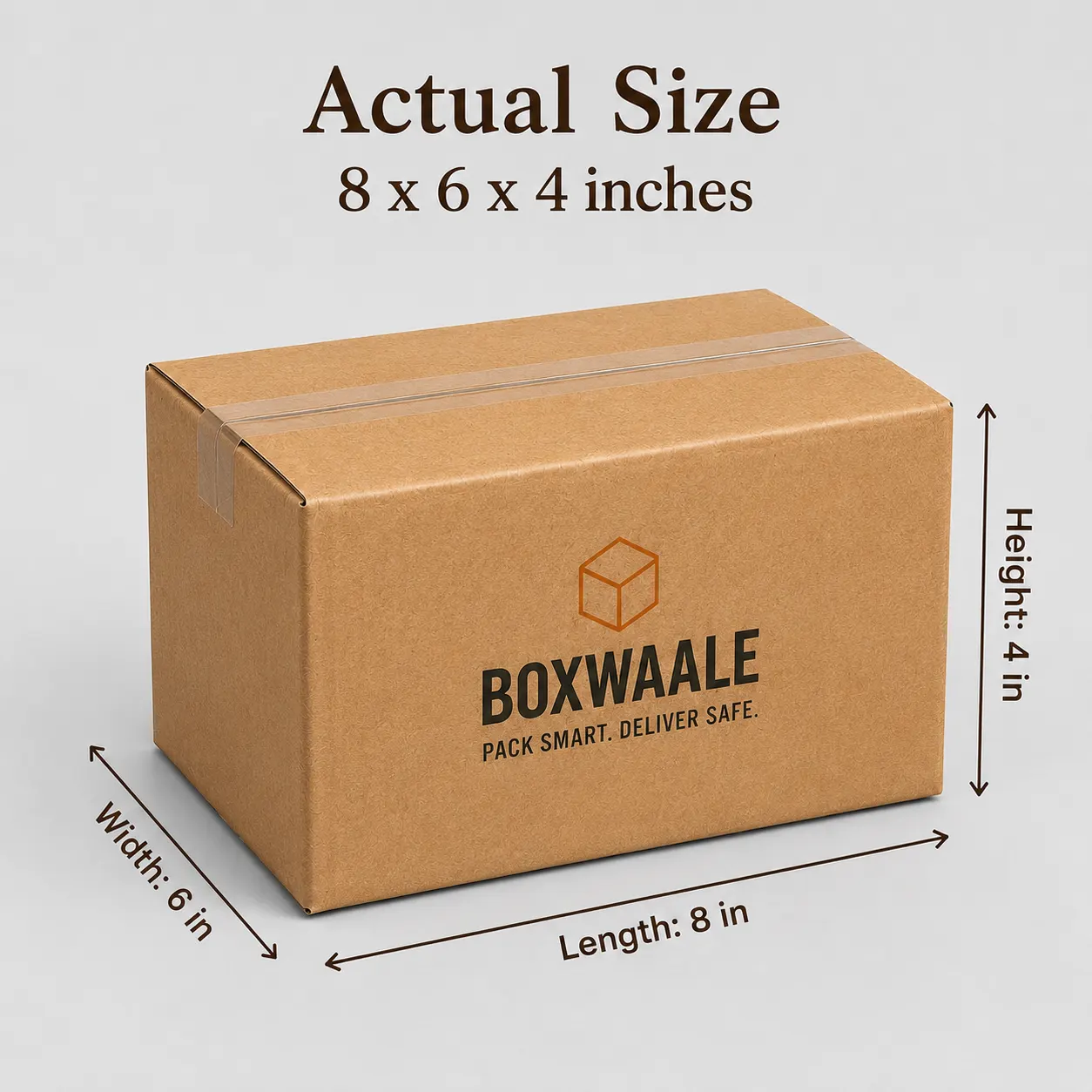
Custom Printed Brown Corrugated Courier Box with Logo
Custom printed brown corrugated courier box with logo designed for online sellers, D2C brands, retail businesses, and branded product delivery.
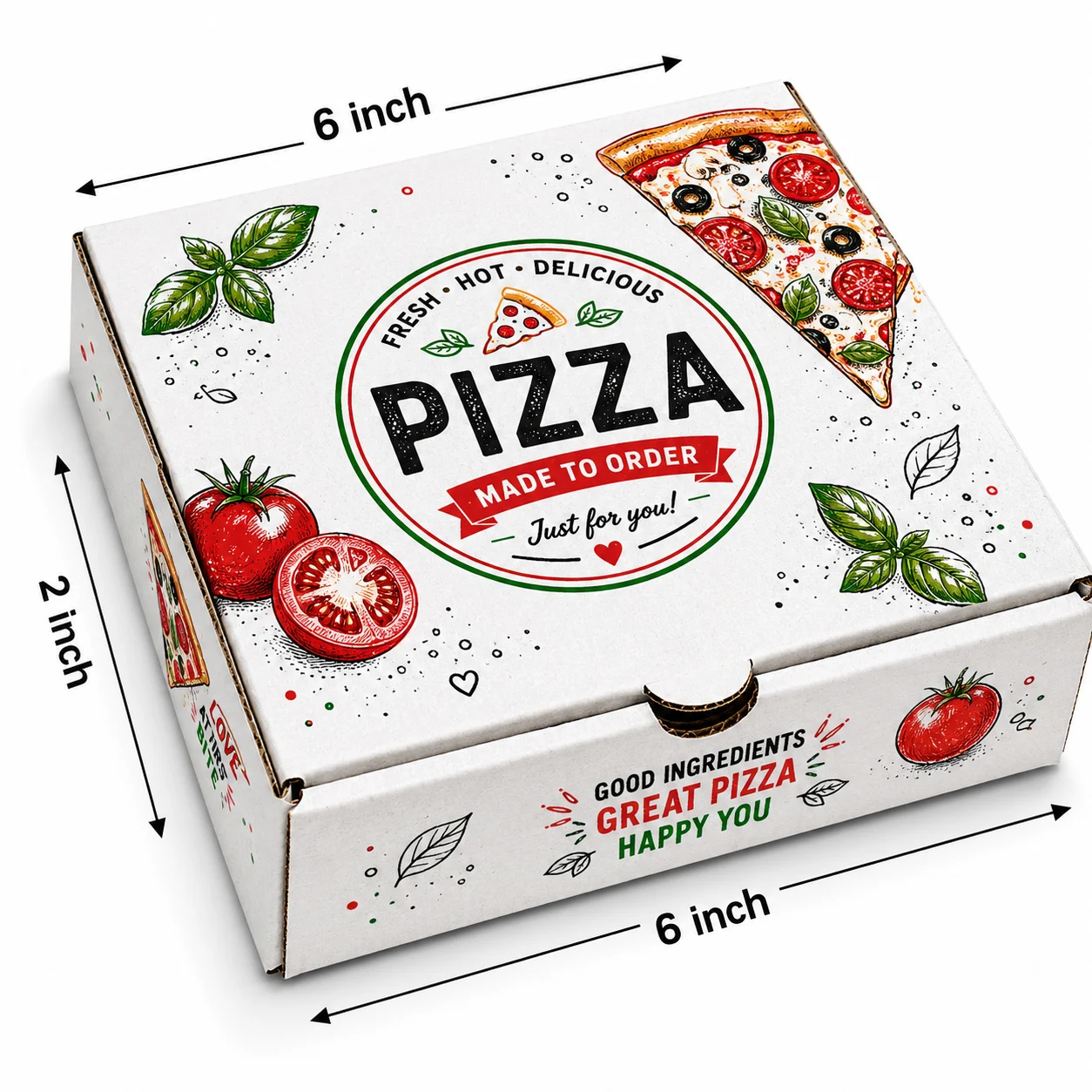
6 Inch White Printed Pizza Box for Restaurants
Premium 6x6x1.5 inch printed white corrugated pizza box designed for restaurants, pizza outlets, cloud kitchens, and food delivery.
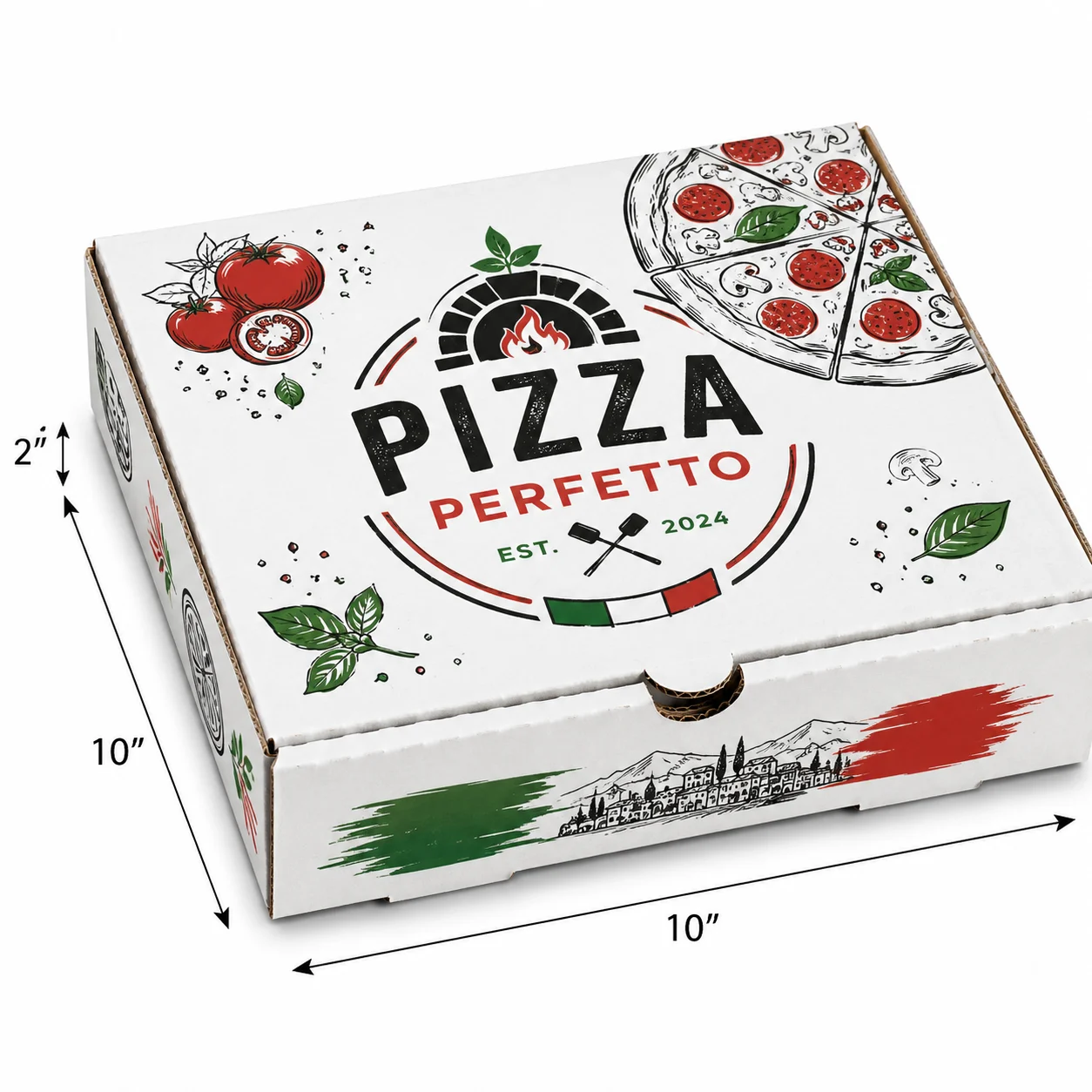
10 Inch White Pizza Box for Restaurants
Premium 10x10x1.75 inch white corrugated pizza box designed for restaurants, pizza outlets, cloud kitchens, and food delivery.
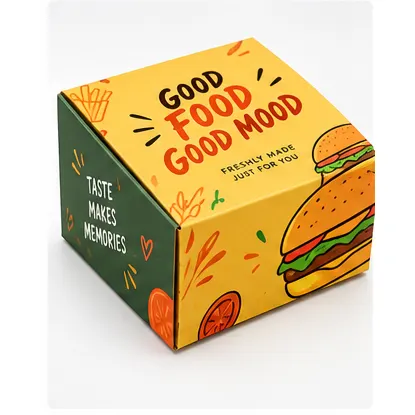
5x5x3 Inch Printed Burger Box for Restaurants
Premium 5x5x3 inch printed white corrugated burger box designed for restaurants, cafes, cloud kitchens, and takeaway businesses.