Published 2 Aug 2026· Updated 29 Aug 2026
Flexographic Printing on Corrugated Boxes: A Buyer's Guide
What buyers should know about flexographic printing on corrugated boxes, from realistic colour and detail expectations to artwork preparation, plate costs and how order quantity affects overall pricing.
Key Takeaways
- Flexographic printing uses a flexible rubber or photopolymer plate wrapped around a rotating cylinder to transfer ink onto corrugated board's textured, uneven surface.
- Flexo printing is well suited to bold logos, solid colour blocks and clear typography, but is generally less suited to fine photographic detail or subtle colour gradients.
- Each colour in a flexo print job typically requires its own plate and press pass, so designs with more colours generally cost more in plate-making and setup.
- Once a plate is made for a specific design, it can usually be reused for repeat orders of the same artwork, making reorders more cost-effective than the first print run.
- Because plate cost is fixed regardless of run size, flexo printing generally becomes more cost-effective per box as order quantity increases.
- Designing artwork with heavy photographic detail without accounting for flexo's limitations is a common mistake, since the print method and board surface both limit how much fine detail transfers cleanly.
Flexographic Printing on Corrugated Boxes: A Buyer's Guide
Table of Contents
Most branded corrugated boxes you've handled — from shipping cartons to retail-ready packaging — were printed using flexography. It's the workhorse printing method for corrugated packaging, but buyers new to ordering custom boxes often carry expectations shaped by offset or digital printing on paper, which doesn't quite translate. Here's what to actually expect.
What Flexographic Printing Is and Why It's Used on Corrugated Boxes
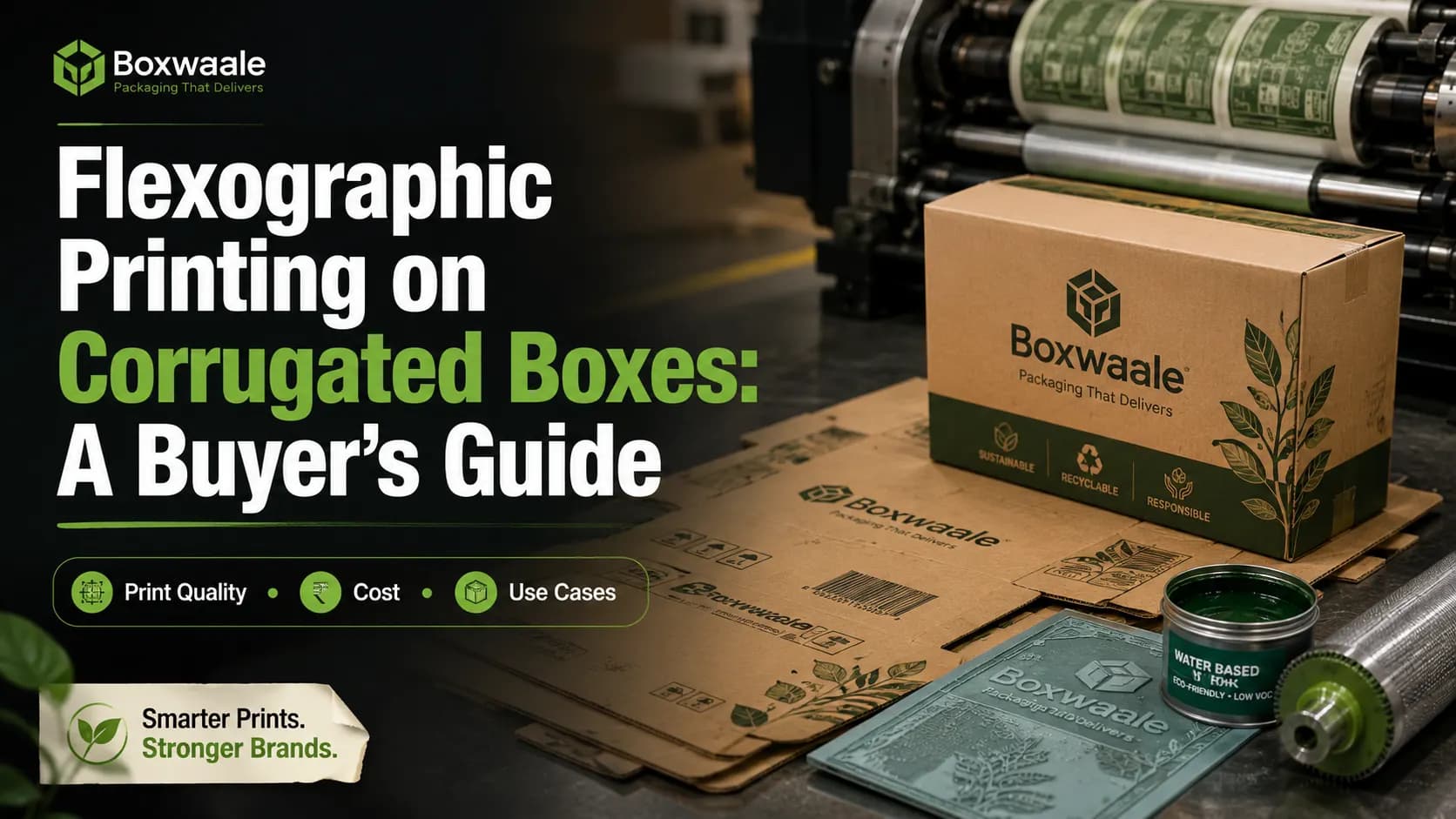
Flexographic printing uses a flexible printing plate — traditionally rubber, more commonly photopolymer today — wrapped around a rotating cylinder to transfer ink onto the board as it passes through the press. The flexibility of the plate is what makes flexo well suited to corrugated board specifically: the plate can conform slightly to the board's uneven, textured surface in a way that a rigid printing plate can't.
This is also why flexo has remained the dominant printing method for corrugated packaging for decades — it handles high-speed production runs efficiently and works directly on the board surface without requiring a separate smooth label or wrap, which keeps both cost and production time down for the volumes typical of shipping and retail cartons.
What Buyers Should Expect from Flexo Print Quality
Flexo printing is strong at bold logos, solid colour blocks, and clear typography — the kind of graphics most brand and shipping cartons actually need. It is generally less suited to fine photographic detail, subtle colour gradients, or very small, delicate text, since the nature of the plate and the board surface both limit how much fine detail transfers cleanly.
If your design leans heavily on photo-realistic imagery or intricate fine detail, it's worth discussing with your manufacturer early — sometimes a design can be adapted to work well within flexo's strengths (bolder shapes, fewer gradients, higher contrast) rather than fighting against the medium's natural limitations. Buyers exploring custom printed boxes for the first time are often better served starting with a simpler, high-contrast design that flexo handles confidently, then adding complexity in future runs once they've seen how their specific design prints.
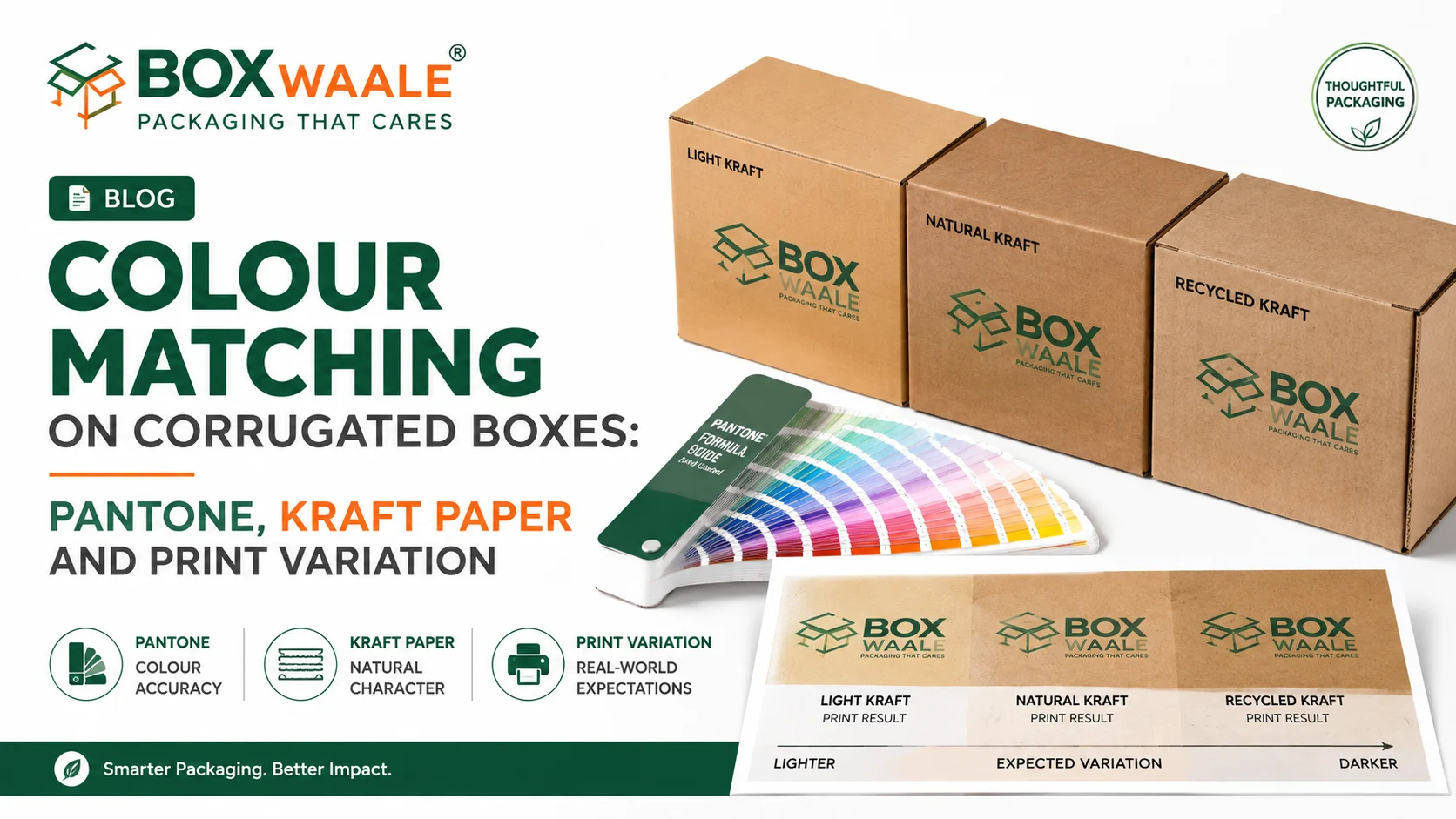
Colour consistency is generally reliable within a production run once a plate and ink setup are dialled in, but exact colour matching between different orders or across different production batches can show minor variation, which is normal for this print method and worth factoring into expectations if colour precision is critical to your brand.
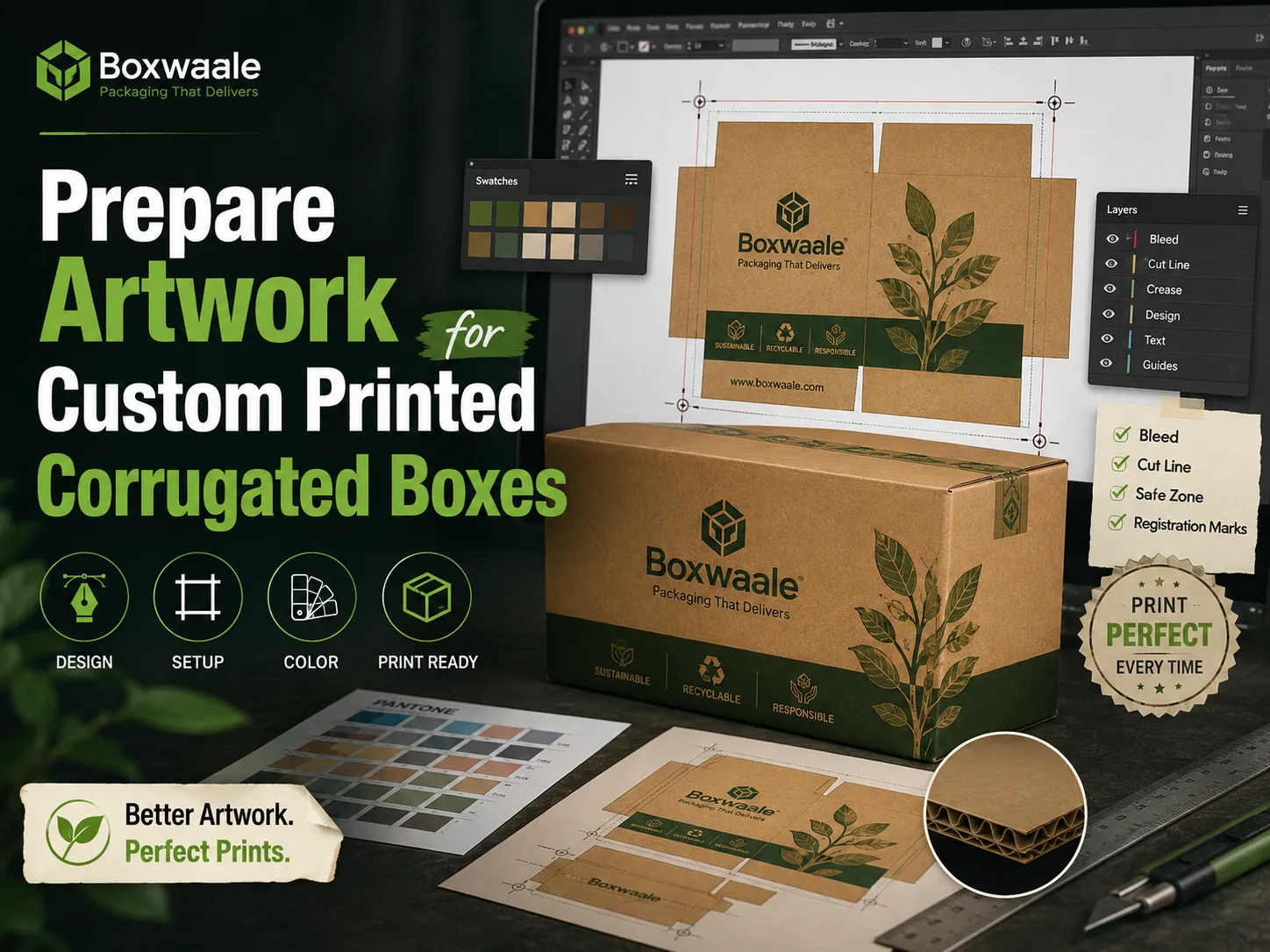
Artwork Preparation for Flexo Printing
Flexo printing benefits from artwork prepared specifically with the method's characteristics in mind:
- Vector artwork with outlined fonts, avoiding overly thin lines or very small text that may not reproduce cleanly
- Solid, well-separated colours rather than complex gradients or photo-realistic blends
- Reasonable colour count — each additional colour adds its own plate and press pass, so simpler colour palettes keep both cost and complexity down
- Artwork built onto the manufacturer's dieline for your specific box shape, so graphics land correctly across folds and seams
Sharing your design intent with your manufacturer before finalising artwork — rather than after — gives them a chance to flag anything that flexo will struggle to reproduce well, saving a design revision cycle later.
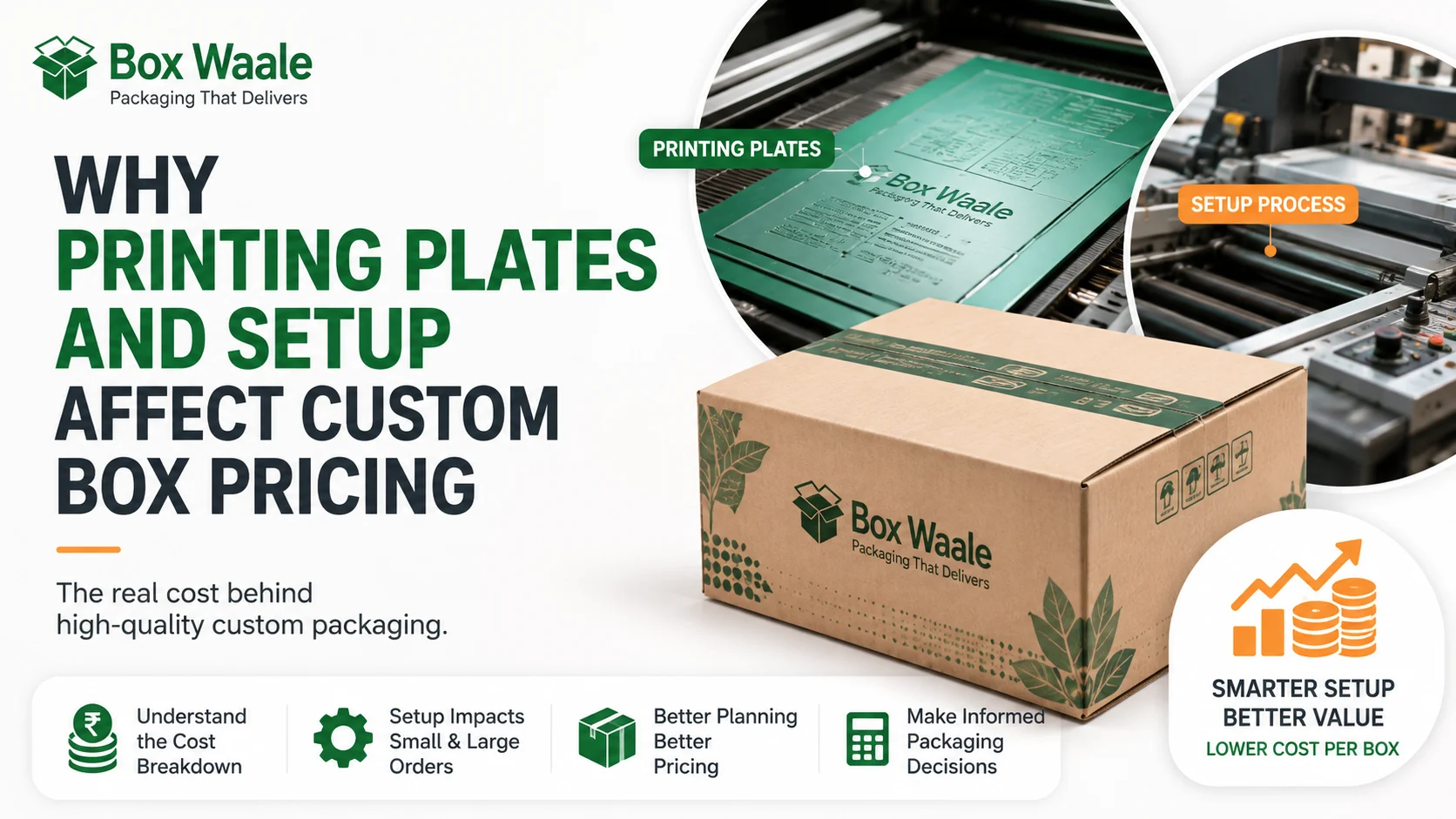
Plate Costs and Minimum Order Quantities in Flexo Printing
Every flexo print job requires a plate made specifically for that artwork, and that plate cost is fixed regardless of how many boxes you ultimately print. This is the main reason flexo printing tends to become more cost-effective as order quantity increases — the plate cost gets spread across more units, lowering the effective cost per box.
It's also why minimum order quantities for printed boxes are typically higher than for plain, unprinted ones: a manufacturer needs enough volume in the order to make the plate-making and press setup commercially sensible for both sides. The good news is that once a plate exists for your design, reordering the same artwork later is generally more economical than the first run, since that fixed tooling cost has already been absorbed.
| Consideration | Flexo printing on corrugated |
|---|---|
| Best suited for | Bold logos, text, solid colours |
| Less suited for | Fine photographic detail, subtle gradients |
| Cost driver | Number of colours (plates) and order quantity |
| Repeat order economics | Generally cheaper than first run (plate reused) |
Setting Realistic Expectations Before You Order
The buyers who get the best results from flexo printing are usually the ones who look at reference samples before finalising their own design — either physical samples from their manufacturer or photographs of previous print runs on similar board. Seeing how bold colours, fine text and logo detail actually render on corrugated board, rather than judging purely from an on-screen mock-up, sets expectations correctly before money is spent on plates. It is a small extra step early in the process that avoids a much larger conversation about reprints or design changes after the first production run has already happened.
How Boxwaale Helps
Boxwaale runs flexographic printing for custom corrugated boxes and works with you on artwork before plate-making to make sure your design translates well onto the board surface, rather than discovering issues after the first print run. If you're not sure whether your current design is flexo-friendly, share it with our team for a quick review before you finalise colours and quantity.
Frequently Asked Questions
Related Packaging Guide
Planning a packaging order?
Turn this guidance into a box specification
Share the product dimensions, packed weight, quantity, printing requirement and delivery postcode. Boxwaale will help narrow down the appropriate size, ply and board specification before quoting.
Frequently Asked Questions
Related Products
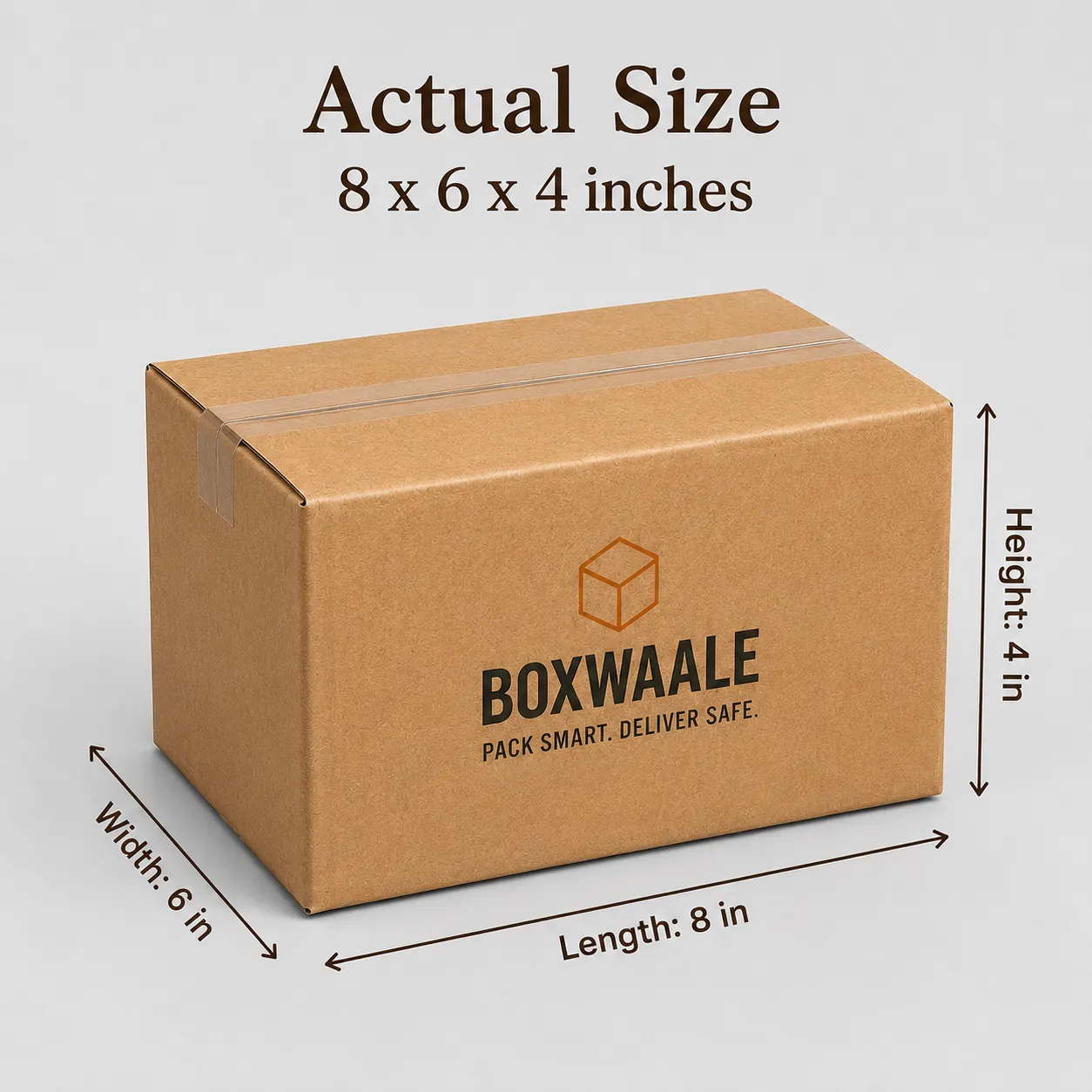
9x6x3 Inch Brown Corrugated Mailer Box for E-commerce Brands
Premium corrugated mailer box designed for e-commerce brands, subscription boxes, gifting, retail products, and custom branded packaging.
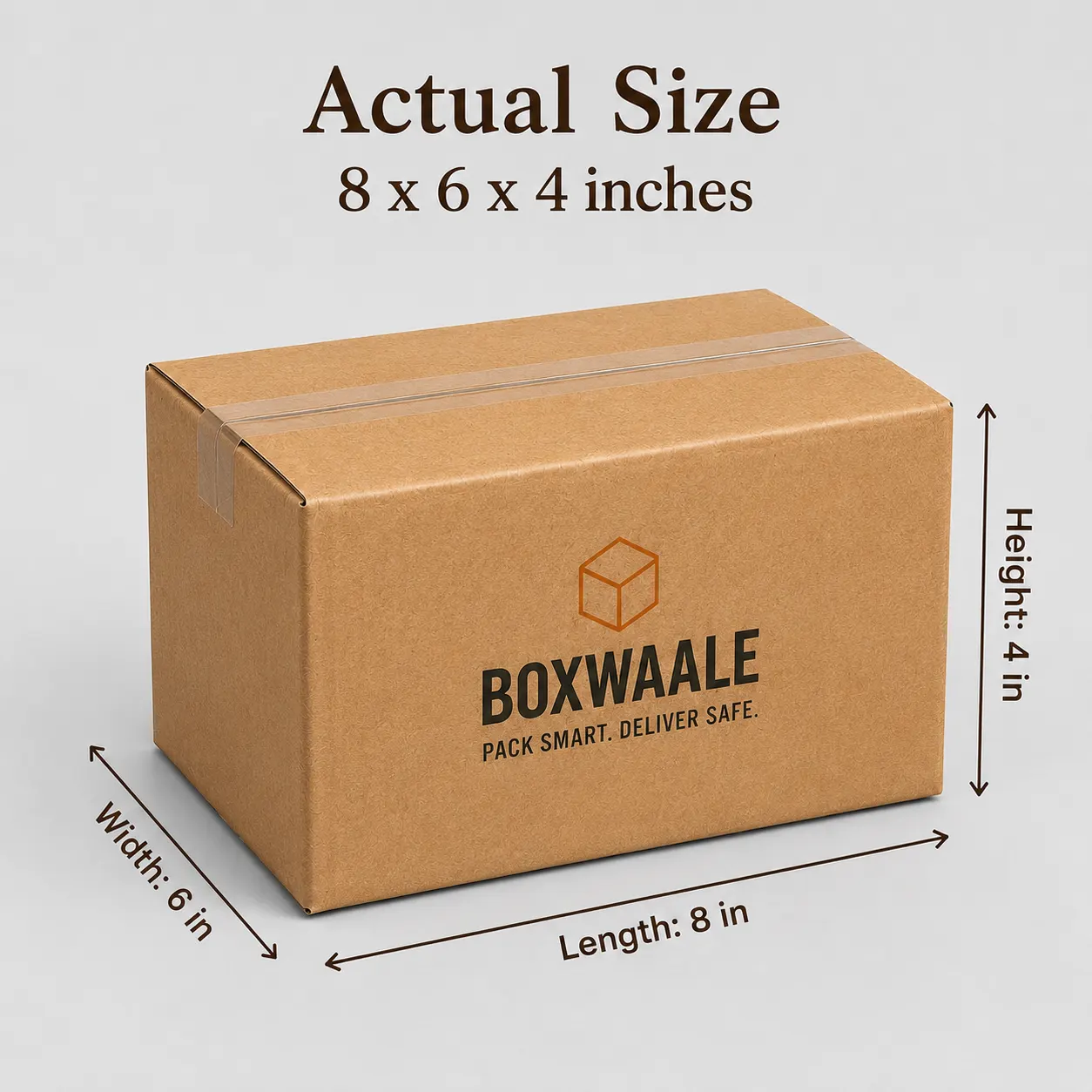
Custom Printed Brown Corrugated Courier Box with Logo
Custom printed brown corrugated courier box with logo designed for online sellers, D2C brands, retail businesses, and branded product delivery.
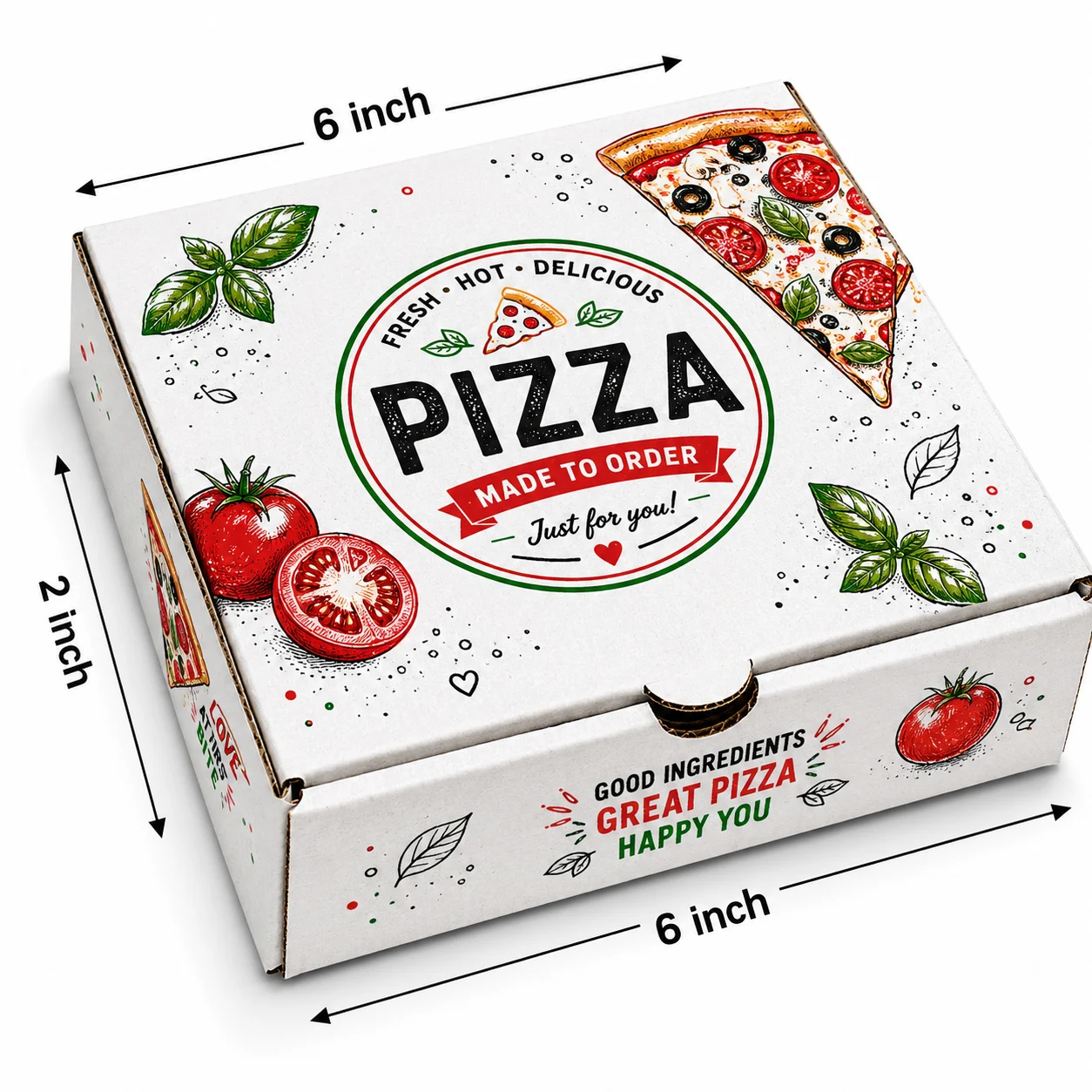
6 Inch White Printed Pizza Box for Restaurants
Premium 6x6x1.5 inch printed white corrugated pizza box designed for restaurants, pizza outlets, cloud kitchens, and food delivery.
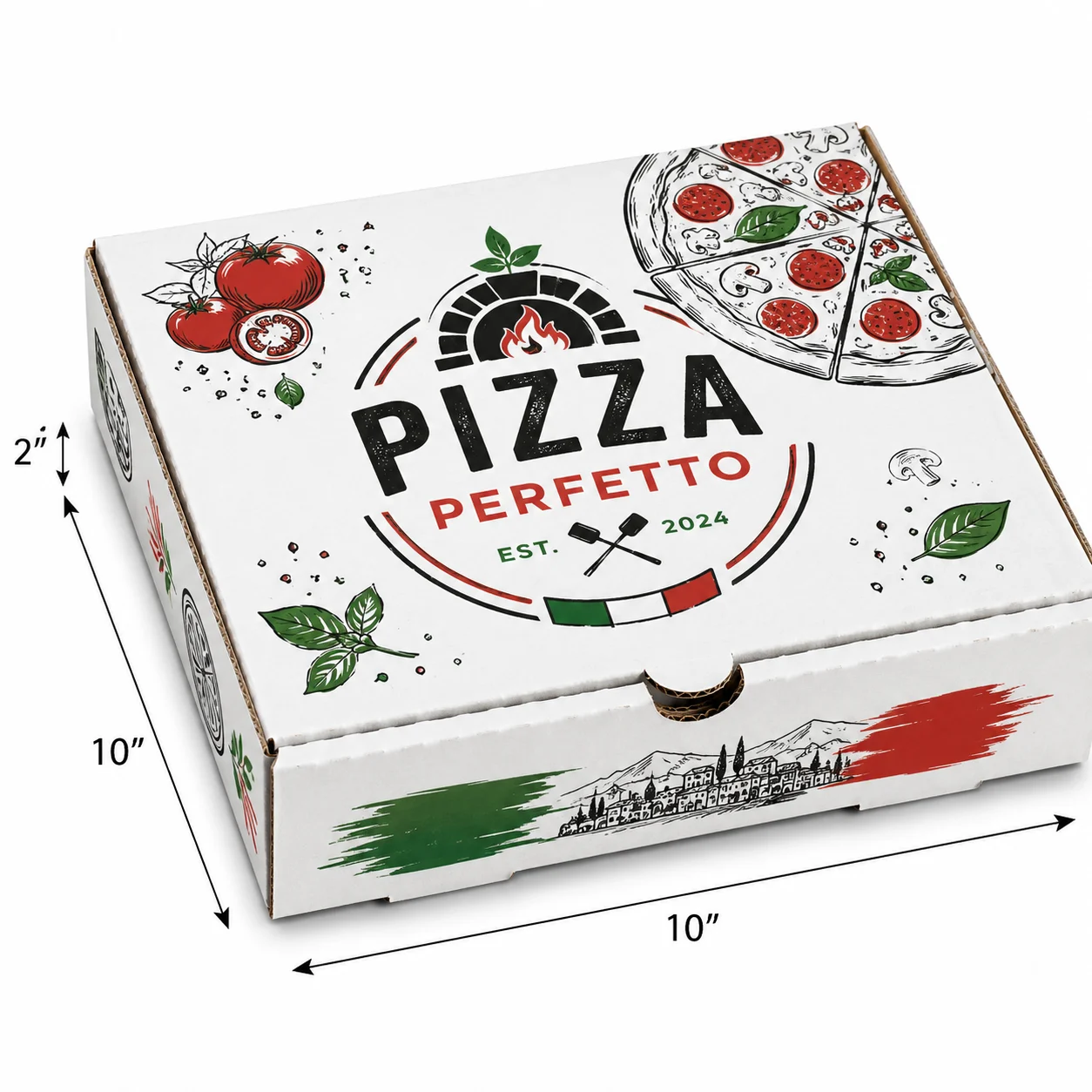
10 Inch White Pizza Box for Restaurants
Premium 10x10x1.75 inch white corrugated pizza box designed for restaurants, pizza outlets, cloud kitchens, and food delivery.
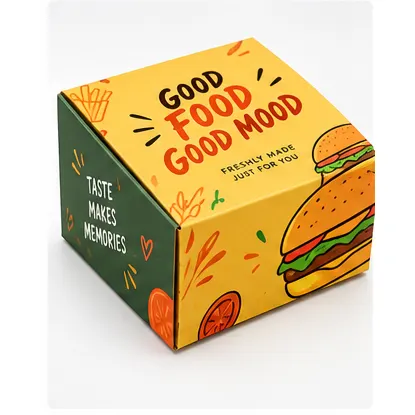
5x5x3 Inch Printed Burger Box for Restaurants
Premium 5x5x3 inch printed white corrugated burger box designed for restaurants, cafes, cloud kitchens, and takeaway businesses.