
Published 2 Aug 2026· Updated 29 Aug 2026
How to Stack Corrugated Boxes on a Pallet Without Crushing Them
Learn column stacking versus interlocking patterns, overhang risks, load limits and stretch wrap technique for palletising corrugated boxes safely.
Key Takeaways
- Column stacking aligns box corners and walls directly on top of each other so weight travels straight down through the strongest part of each box, generally supporting higher stack weights for uniform, heavier cartons.
- Interlocking, or brick-pattern, stacking alternates the orientation of each layer to improve lateral stability against leaning or shifting, though it can slightly reduce individual box load efficiency compared to column stacking.
- Any part of a box that overhangs the edge of the pallet loses support underneath it, making that section prone to crushing or tearing under the weight of layers above.
- A box's practical stacking capacity depends on board grade and ply, stack height, how long the load sits under compression, and moisture exposure, since board that has absorbed humidity generally loses some stacking strength.
- Stretch wrap secures an already well-arranged pallet load and reduces shifting during transport, but it does not compensate for a poor stacking pattern or boxes that are already misaligned or overhanging.
- Placing heavier boxes on lower layers and progressively lighter boxes above them reduces the compression load that upper layers place on the boxes beneath.
How to Stack Corrugated Boxes on a Pallet Without Crushing Them
Table of Contents
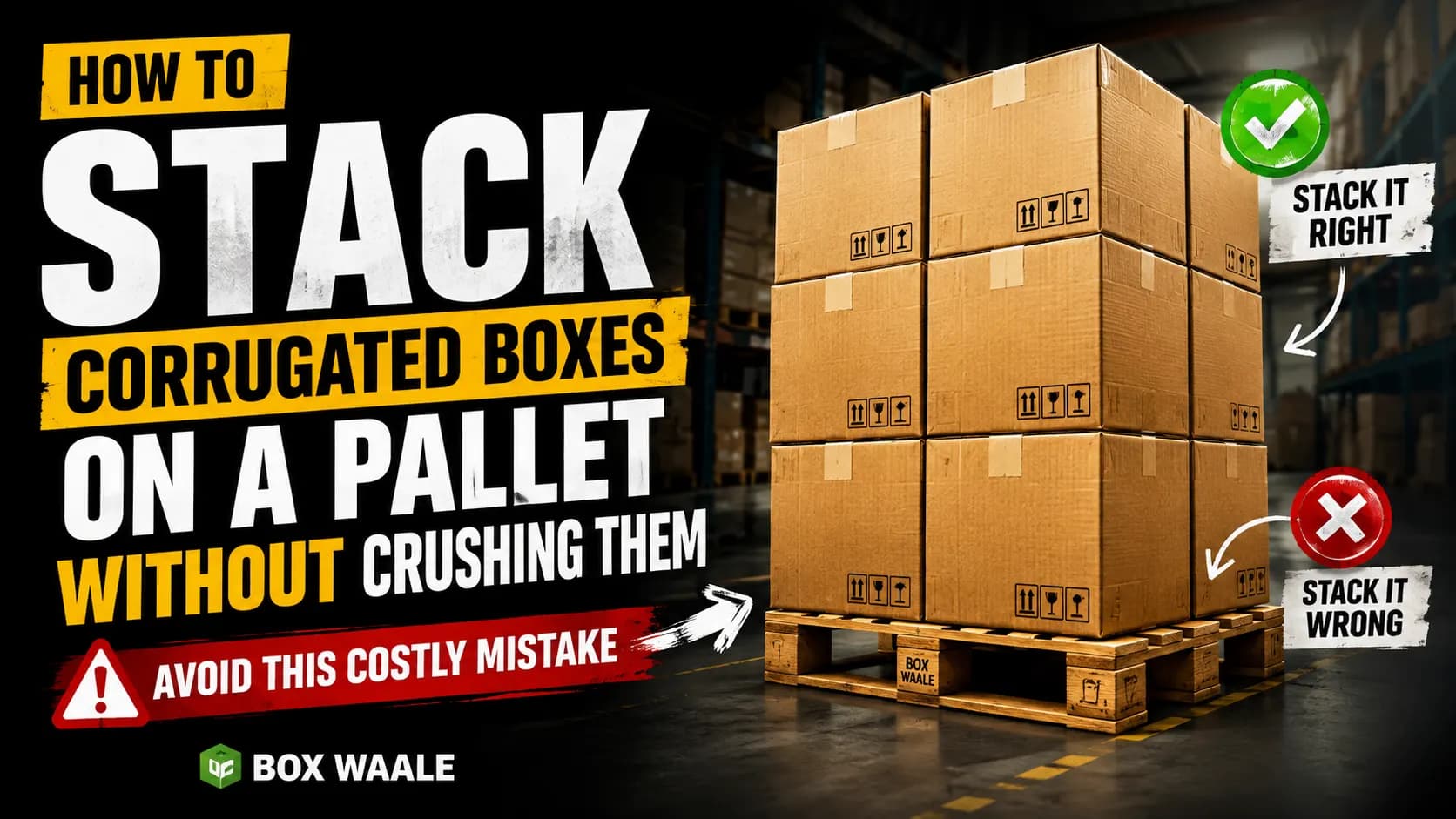
Two identical boxes can survive very different journeys depending on how they're arranged on the pallet underneath them; stacking pattern is often the difference between a load that holds together and one that crushes partway through transit. This guide covers column and interlocking stacking patterns, the risks of overhang, general load-limit considerations, and how stretch wrap fits into securing the load.
Why Stacking Pattern Matters as Much as Box Strength
Corrugated boxes are strongest when the load travels straight down through their vertical walls and corners, where the fluting inside the board is oriented to resist compression most effectively. A poorly arranged stack can transfer weight unevenly across boxes that would otherwise hold their rated load just fine, concentrating pressure on a weak point, like the middle of a panel rather than a corner, and causing a box to buckle even though nothing was structurally wrong with it to begin with. This is a separate factor from the box's inherent strength; even a well-made box can fail in a poorly planned stack. The pallet itself is part of this equation too: a damaged, uneven or poorly rated pallet base can undermine an otherwise well-planned stacking pattern, since any flex or unevenness at the base gets transferred upward through every layer stacked on top of it.
Column Stacking vs Interlocking Patterns
Column stacking places boxes directly on top of one another with corners and walls aligned across every layer, so the load travels straight down through the strongest part of each box. It's the simplest pattern to execute, works well when box sizes are uniform across all layers, and generally supports higher stack weights for heavier cartons since the load path is as direct as possible.
Interlocking, sometimes described as a brick pattern, alternates the orientation of each layer so boxes overlap the seams of the layer beneath them, similar to how bricks are laid in a wall. This improves the overall stability of the pallet as a unit, since the layers lock together and resist leaning or shifting sideways during transit. The trade-off is that if the interlocking pattern causes weight to cross over a box's edges rather than travel through its walls and corners, it can reduce that box's individual load-bearing efficiency. Choosing between the two is generally a trade-off between maximum vertical strength (favouring column stacking) and lateral stability during handling and transport (favouring interlocking), and the right choice depends on how the pallet will actually be moved and how tall the stack is. As a general rule of thumb, shorter stacks moved a short distance on a forklift or hand pallet truck tolerate column stacking well, while taller stacks or pallets that will pass through several handling and transport stages generally benefit from the added lateral stability that interlocking provides.
Overhang, Load Limits and Reading a Box's Capacity
Overhang, where a box extends beyond the edge of the pallet, is a common and avoidable risk. Any part of a box hanging over the pallet's edge loses the support of the pallet deck underneath it, which makes that unsupported section prone to crushing or tearing, especially under the weight of layers above. As a general principle, boxes should be kept within the pallet's footprint.
A box's practical stacking capacity depends on several factors together: board grade and ply, how long the load will sit under compression, the height of the stack, and moisture exposure, since board that has absorbed humidity generally loses some of its stacking strength. Rather than assuming a fixed number of boxes can always be stacked safely, it's worth treating load limits as something to confirm with your supplier for the specific board and ply combination you're using, particularly for heavier products. For loads that need to carry more weight, businesses often move up to a sturdier construction such as 5 ply corrugated boxes rather than relying on a lighter board and hoping the stacking pattern compensates for it. It's also worth accounting for how long a stack will actually sit under compression, since boxes at the bottom of a pallet held in storage for weeks behave differently from the same boxes only stacked briefly during a same-day transfer; sustained compression over time places more demand on the board than a short-duration stack of the same height.
Stretch Wrap and Securing the Load
Stretch wrap holds the palletised load together as a single unit and reduces the risk of boxes shifting during transport, typically applied in a spiral pattern that covers the full height of the stack with enough overlap between wraps to maintain even tension. Corner boards or edge protectors are often used alongside stretch wrap to stop the wrap from cutting into box edges under tension, which can otherwise create a weak point along the corners.
It's worth noting that more wrap isn't automatically better: over-tightening stretch wrap can itself crush lighter or less rigid boxes, particularly on the outer layers of the stack where the wrap tension is most concentrated. Stretch wrap should be seen as a way to secure an already well-arranged stack, not a substitute for a sound stacking pattern in the first place.
How Boxwaale Helps
Boxwaale can recommend ply and board grade based on expected pallet height, stacking duration and transport mode when businesses share how their cartons will be palletised, which is particularly useful for heavier shipments or routes involving longer transit and storage times.
Frequently Asked Questions
Related Packaging Guide
Planning a packaging order?
Turn this guidance into a box specification
Share the product dimensions, packed weight, quantity, printing requirement and delivery postcode. Boxwaale will help narrow down the appropriate size, ply and board specification before quoting.
Frequently Asked Questions
Related Products
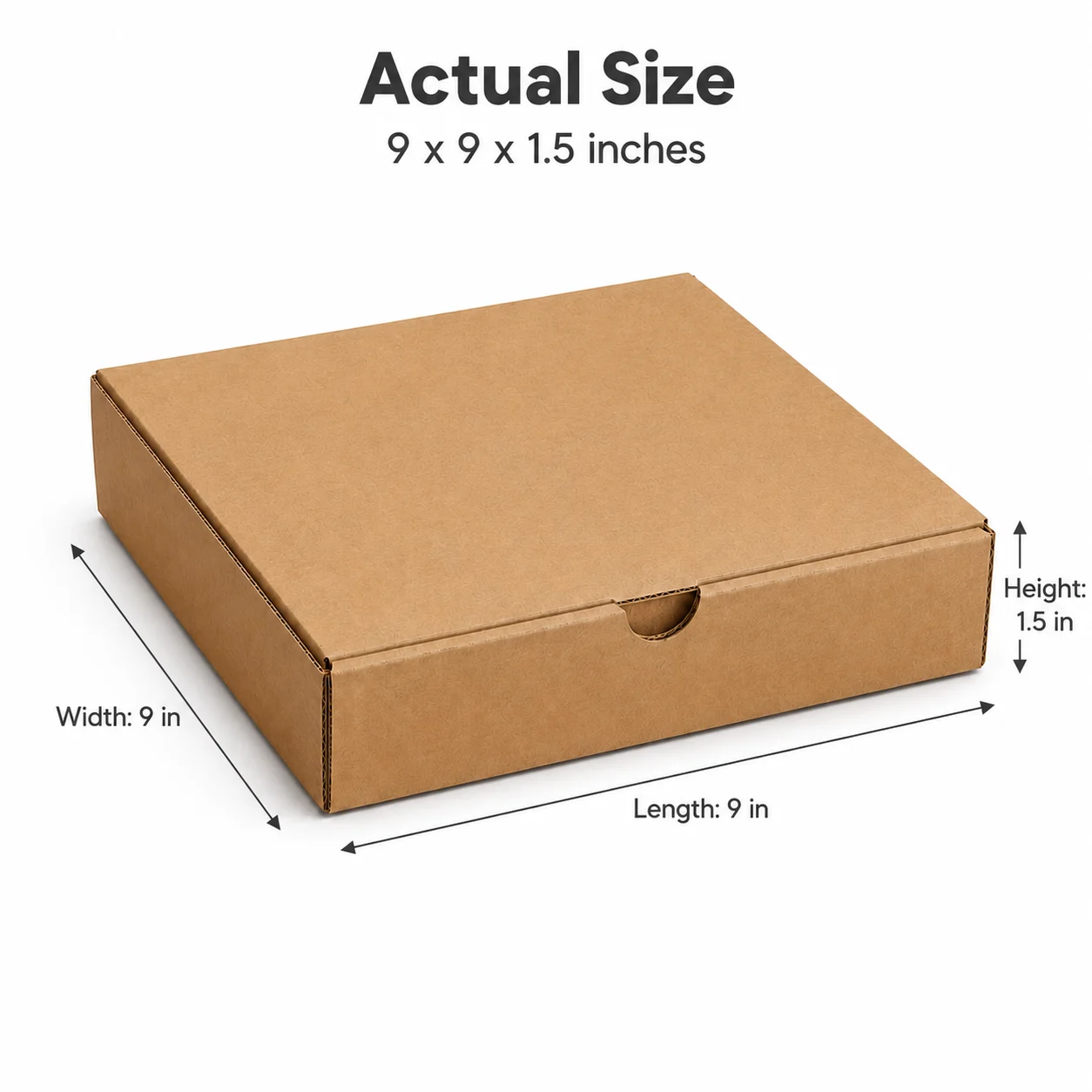
9x9 Inch Brown Corrugated Pizza Box for Food Delivery
Durable 9x9 inch brown corrugated pizza box designed for restaurants, cafes, cloud kitchens, and food delivery businesses.
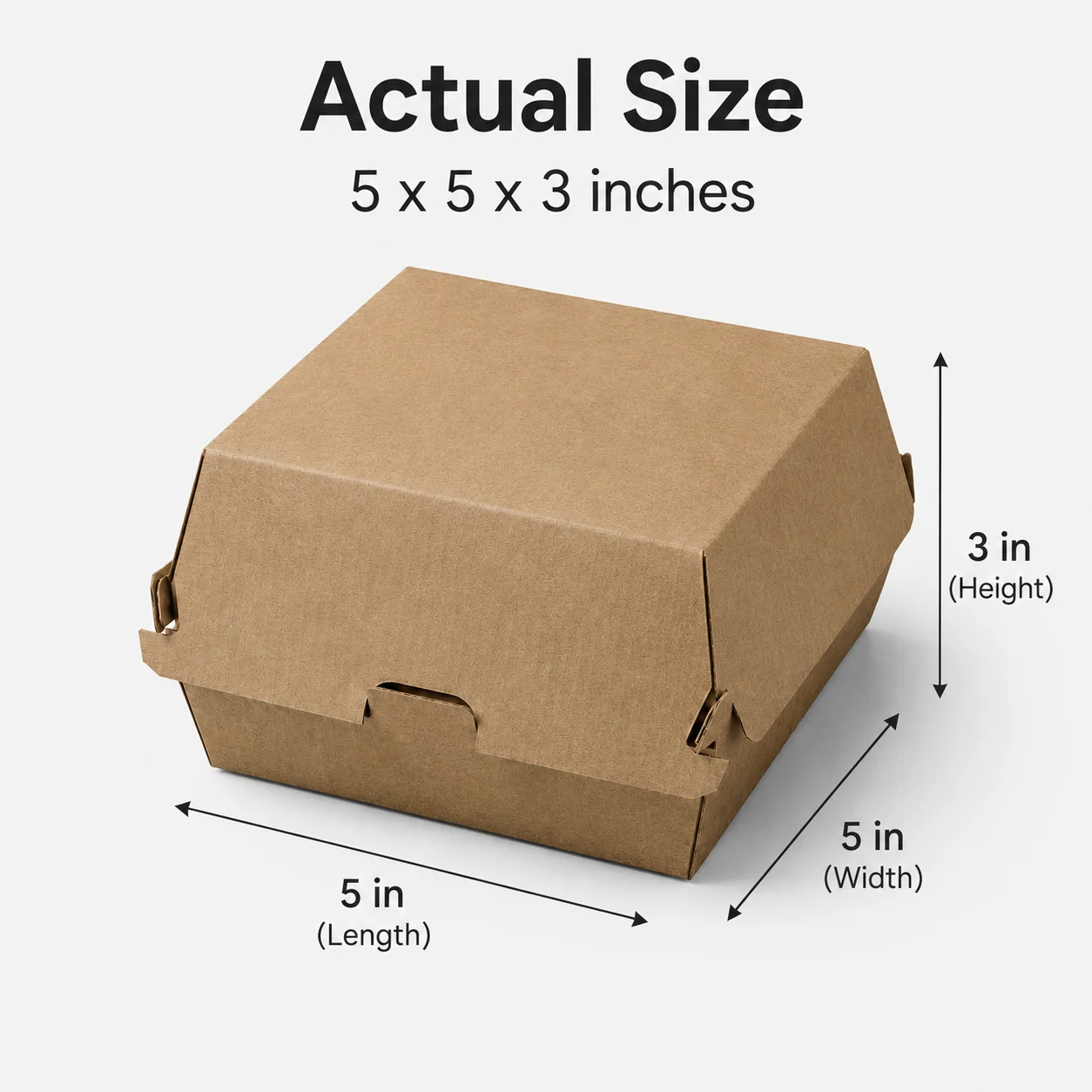
5x5 Inch Brown Kraft Burger Box for Takeaway & Food Delivery
Durable 5x5 inch brown kraft burger box designed for restaurants, cafes, cloud kitchens, and takeaway food packaging.

8x8 Inch Brown Kraft Cake Box for Bakery & Pastry Packaging
Premium 8x8 inch brown kraft cake box designed for bakeries, cafes, cloud kitchens, pastry shops, and dessert packaging.
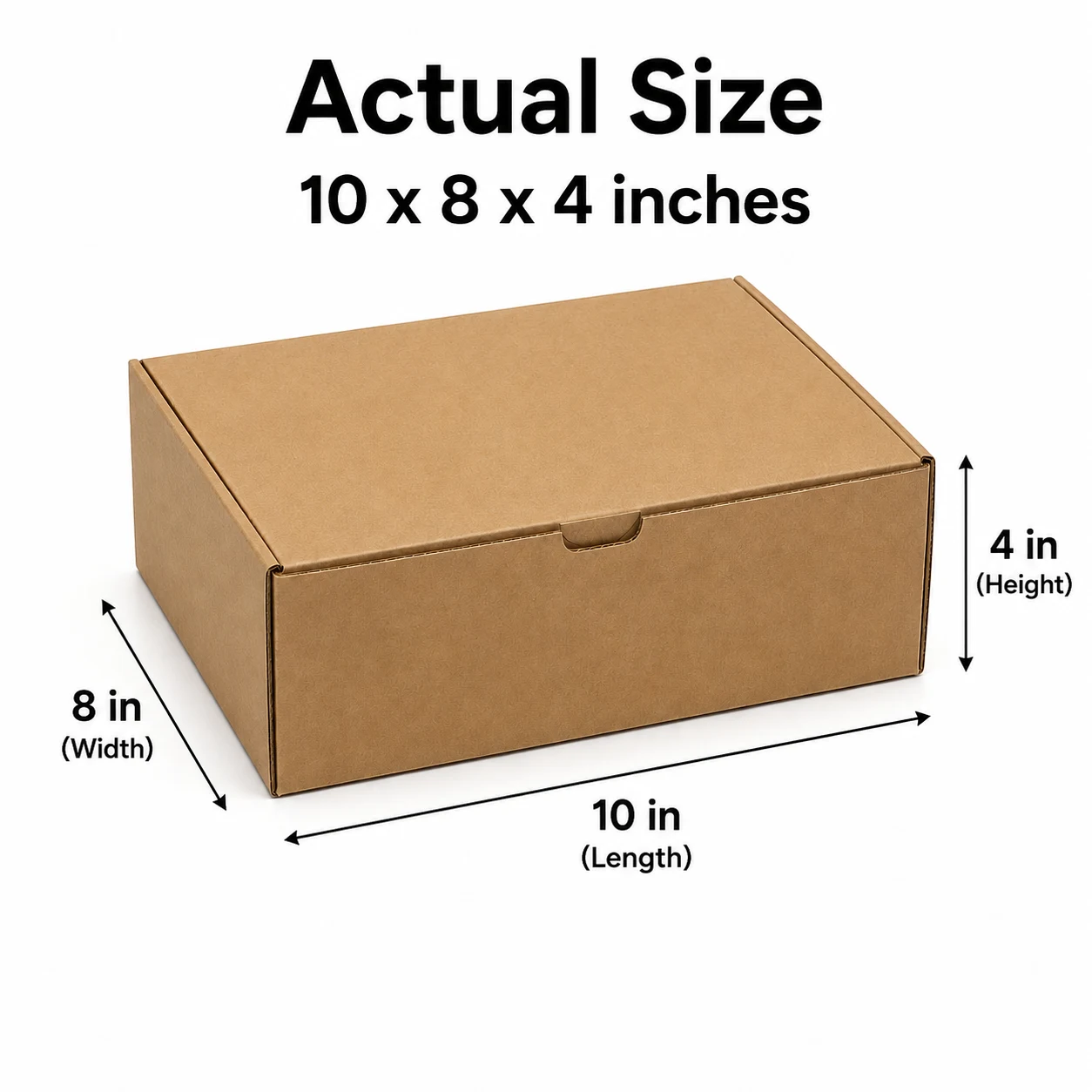
10x8x4 Inch Brown Corrugated Courier Box for E-commerce Shipping
Durable 10x8x4 inch brown corrugated courier box designed for e-commerce shipping, product delivery, storage, and secure packaging.
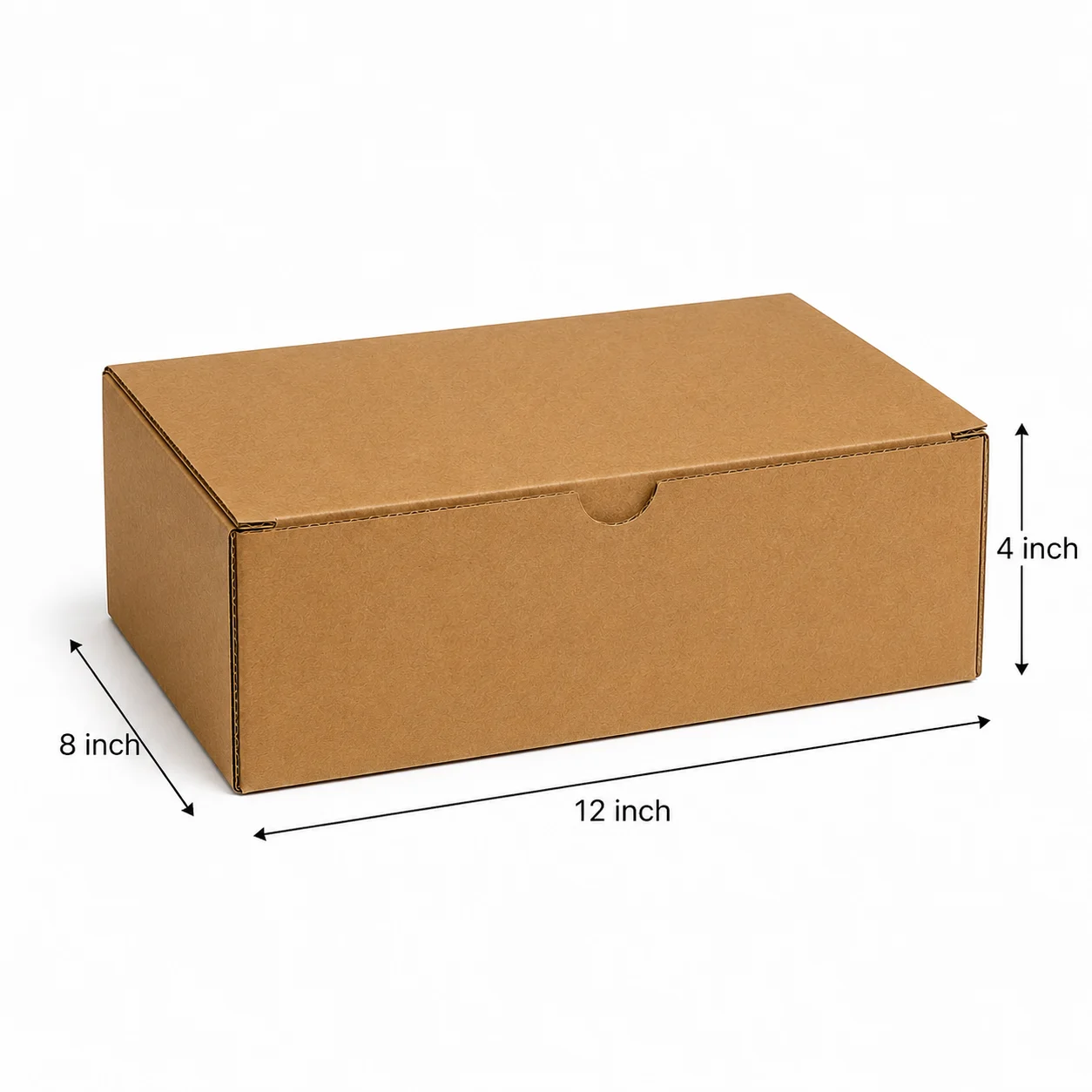
12x8x4 Inch Brown Corrugated 6 Bottle Nail Paint Packaging Box
Durable 12x8x4 inch brown corrugated nail paint box with six internal compartments, designed for cosmetic packaging, storage, gifting, and safe delivery.
Related Buying Guides
Box Compression Test Explained: How Carton Stacking Strength Is Measured
Read guide
10x8x4 Inch Brown Corrugated Courier Box for E-commerce Shipping – Complete Guide
Read guide
How to Store Packaging Boxes in a Warehouse Without Damage
Read guide
Corrugated Box MOQ: Why Minimum Order Quantities Vary
Read guide
Corrugated Box Bursting Strength: What Buyers Need to Know
Read guide