
Published 2 Aug 2026· Updated 29 Aug 2026
Corrugated Packaging Quality Checklist for Business Buyers
An incoming-inspection checklist for business buyers to check corrugated box dimensions, board construction, joints, print quality and quantity before accepting a bulk delivery.
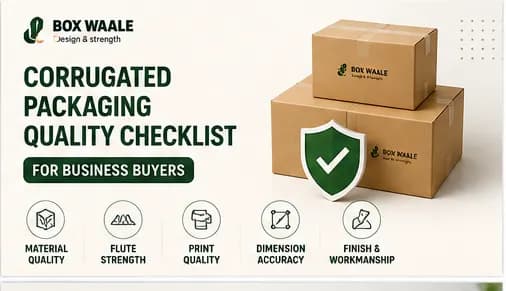
Key Takeaways
- Incoming inspection of a bulk corrugated box delivery should start with quantity and outer condition, then dimensional accuracy, before checking board quality, joints and print.
- Dimensional checks should cover internal length, width and height against the agreed specification, squareness of the erected box, and consistency across the sampled boxes, not just the folded flat-blank size.
- A weak manufacturer's joint, the glued or stitched seam, may show gapping or separation when the corner is gently flexed, even though it looks fine from a static glance.
- Inspecting every box in a large batch usually isn't practical, so sampling a spread of boxes from different parts of the delivery, not just the top layer, gives a more representative check.
- Print consistency, colour accuracy and barcode legibility matter more for retail-facing or branded packaging than for plain shipping cartons, where minor print variation is often a non-issue.
- Defects found during inspection should be documented with photographs and the affected quantity, then raised with the supplier promptly with reference to the original specification or purchase order.
Corrugated Packaging Quality Checklist for Business Buyers
Table of Contents
Accepting a bulk corrugated box delivery without a proper check is how avoidable packing-line problems and shipping damage sneak into a business. This checklist walks through what to actually inspect — dimensions, board and joints, print, and quantity — so incoming inspection catches issues before they become your problem on the warehouse floor.
Dimensional Accuracy: What to Measure and Why
Dimensional drift is one of the most common — and most disruptive — issues in a corrugated delivery, because even small deviations can cause boxes to jam on packing lines, sit loose in shipping cartons, or fail to fit product inserts. On a sample of boxes from the batch, check:
- Internal length, width and height against the agreed specification, not just the folded flat-blank size
- Squareness — the box should form clean right angles when erected, not lean or rack sideways
- Consistency across the sample — some variation is normal, but wide swings between boxes in the same batch point to a manufacturing control issue
- Flap length and overlap, since flaps that are too short won't seal properly and flaps that are too long can interfere with taping machines
Dimensional checks take only a few minutes per sample but catch a disproportionate share of downstream problems, since a box that doesn't fit your packing line or product insert correctly causes delays the moment it reaches production, not just in transit later. It's worth keeping a simple measuring tape or calliper at the goods-receiving point specifically for this purpose rather than eyeballing dimensions.
Board Construction and Joint Quality
Structural quality isn't always visible at a glance, so this section deserves a slower check rather than a quick look. Key things to verify:
- Flute condition: Press gently on the board surface to check the flutes haven't been crushed flat during handling or storage, which reduces cushioning and compression strength.
- Liner bonding: Check that the liner is fully bonded to the flute medium with no visible delamination or bubbling, particularly at edges and corners.
- Manufacturer's joint: Whether glued or stitched, this seam should be continuously bonded along its length. Gently flex the corner — a weak joint will show gapping or separation that isn't obvious from a static look.
- Board thickness and rigidity: Compare against your agreed specification sheet; a board that feels noticeably thinner or flimsier than a previous approved sample is worth flagging even before formal testing.
These structural checks matter more than they might seem worth the time, because board and joint defects are exactly the kind of issue that doesn't show up until a box is stacked, handled roughly, or exposed to humidity later in the supply chain — by which point the defective batch has already left your premises and any problem becomes a customer-facing one instead of an internal one.
Print, Branding and Batch Information
For plain shipping cartons, print quality is usually a minor concern. For retail-facing or branded packaging, it deserves its own check against the agreed proof:
- Colour consistency across boxes in the batch, and against the original approved sample
- Legibility and scannability of barcodes, QR codes or batch/date information if printed
- Text accuracy — product names, warnings, or instructions printed incorrectly are a costly mistake to catch late
- Print registration — logos and graphics aligned correctly without smudging or misprint at panel edges
It's worth deciding in advance who on your team is responsible for this check and building it into the goods-receiving process as a defined step, rather than leaving it as an informal task someone gets to "if there's time." A checklist that exists only in someone's head tends to get skipped during busy periods, which is exactly when inspection matters most.
Quantity, Damage and Sampling Approach
Before getting into detailed inspection, confirm the basics: does the delivered quantity match the purchase order, and does the outer condition of the delivery itself (pallet wrap, bundling) show signs of transit damage? For sampling within a large batch, inspecting every single box usually isn't practical — instead, pull a spread of samples from different parts of the delivery, not just the top layer, since issues from a specific production run or handling incident aren't always evenly distributed. This is the kind of detail that's easier to verify consistently when it's written into a proper corrugated box order specification from the outset, so both you and your supplier are checking against the same agreed reference rather than a verbal understanding.
If you find defects during inspection, document them with photographs, note the affected quantity, and raise the issue with your supplier promptly, referencing your original specification or purchase order. Quick, specific reporting makes it far easier to resolve — whether through replacement stock, a credit, or a correction applied to future production runs — than a vague complaint raised weeks later.
Keeping a simple log of inspection results over time — even a basic spreadsheet noting date, batch, and any issues found — also helps you spot supplier-level patterns, such as a particular defect recurring across several deliveries, which is far more useful for a supplier conversation than raising isolated incidents one at a time.
How Boxwaale Helps
Boxwaale provides clear specification sheets and sample approvals upfront so that incoming inspection has a concrete reference to check against, rather than relying on memory or a verbal brief. If you'd like help setting up an inspection checklist tailored to your specific box type and use case, our team is happy to walk through it — get in touch and we'll help you build one.
Frequently Asked Questions
Related Packaging Guide
Planning a packaging order?
Turn this guidance into a box specification
Share the product dimensions, packed weight, quantity, printing requirement and delivery postcode. Boxwaale will help narrow down the appropriate size, ply and board specification before quoting.
Frequently Asked Questions
Related Products
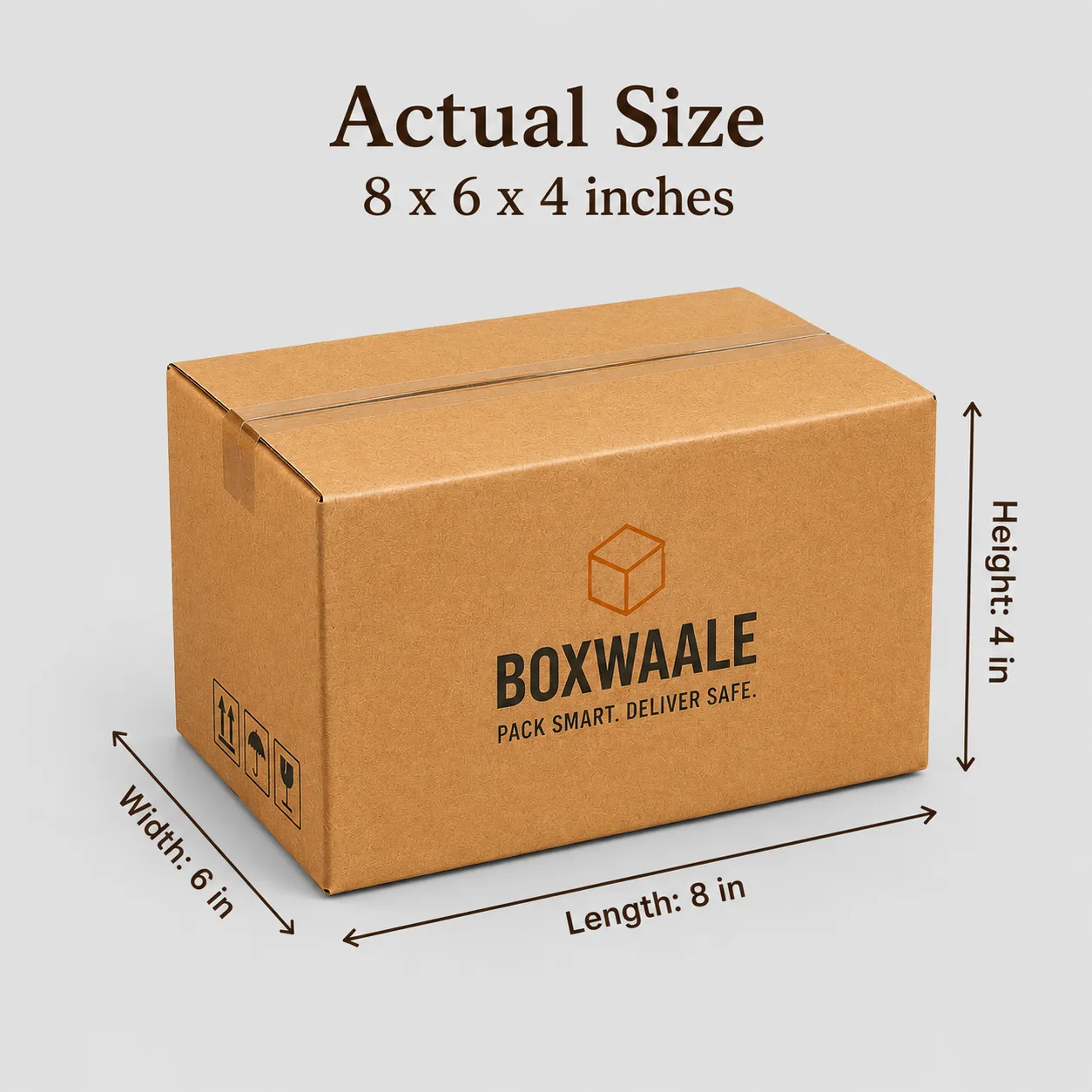
8x6x4 Inch Brown Corrugated Courier Box for E-commerce Shipping
Durable 8x6x4 inch brown corrugated courier box designed for e-commerce shipping, D2C delivery, retail product packing, and safe courier dispatch.
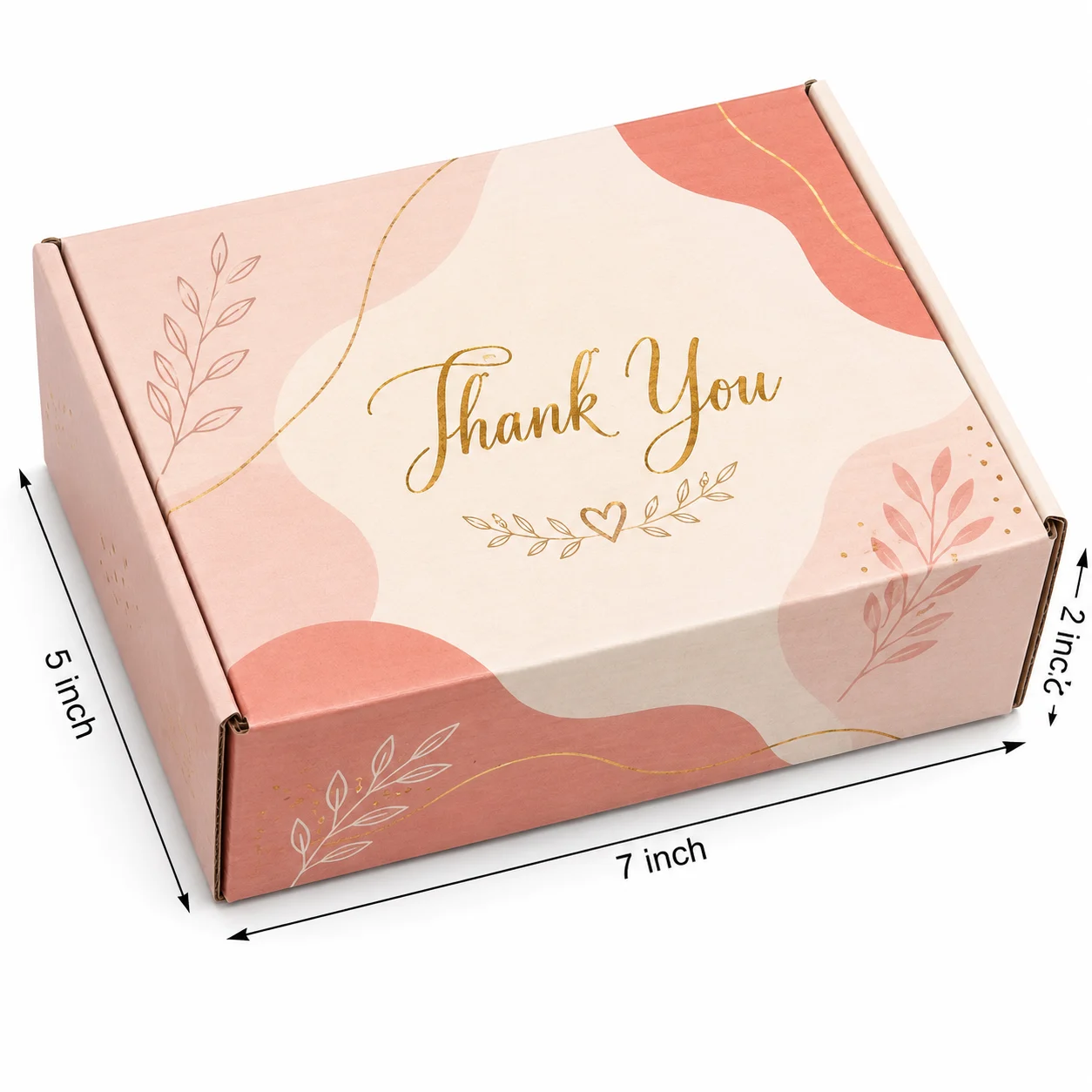
7x5x2 Inch Printed Small Business Mailer Box for E-Commerce Sellers
Premium 7x5x2 inch printed white corrugated mailer box designed for e-commerce sellers, D2C brands, small businesses, and courier shipping.
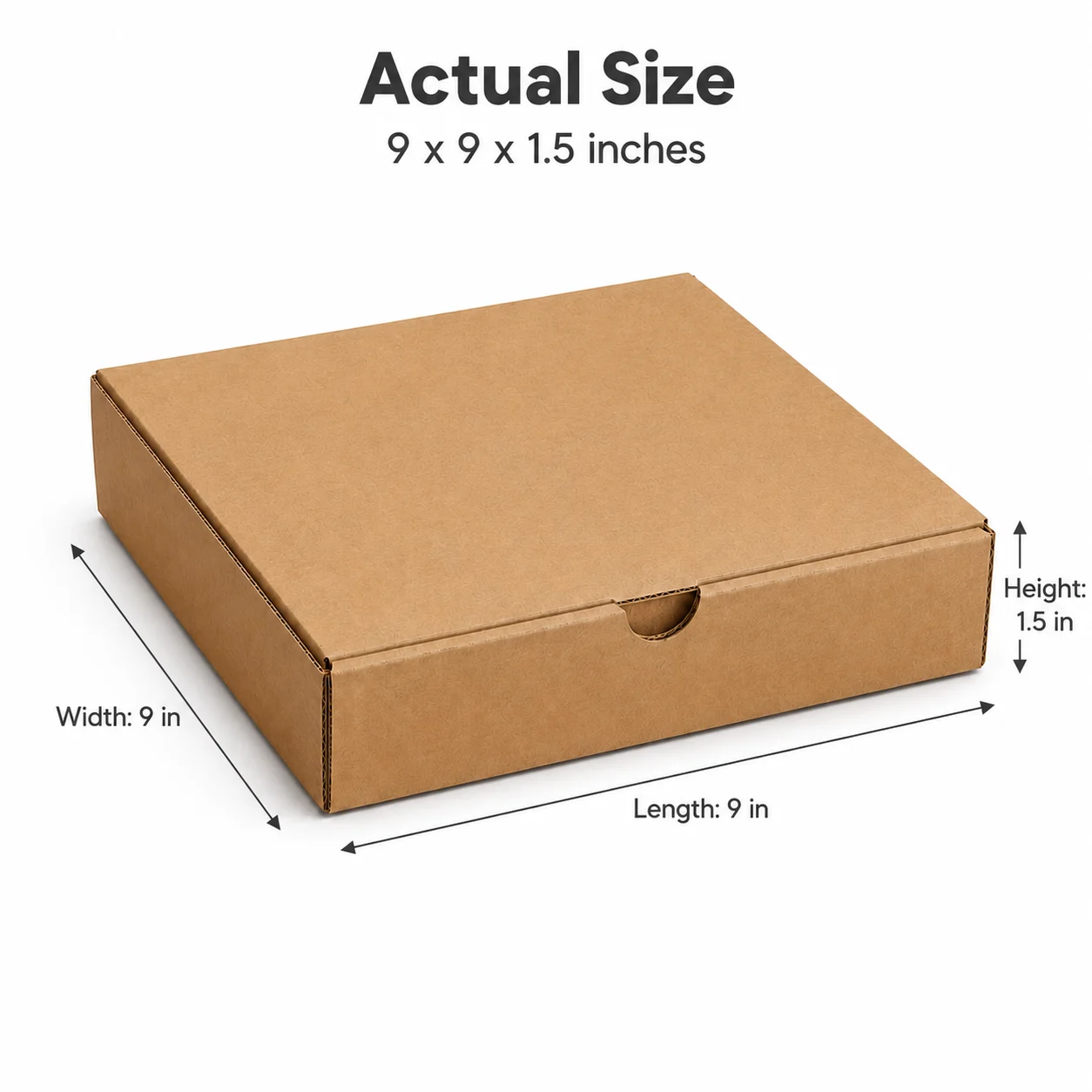
9x9 Inch Brown Corrugated Pizza Box for Food Delivery
Durable 9x9 inch brown corrugated pizza box designed for restaurants, cafes, cloud kitchens, and food delivery businesses.
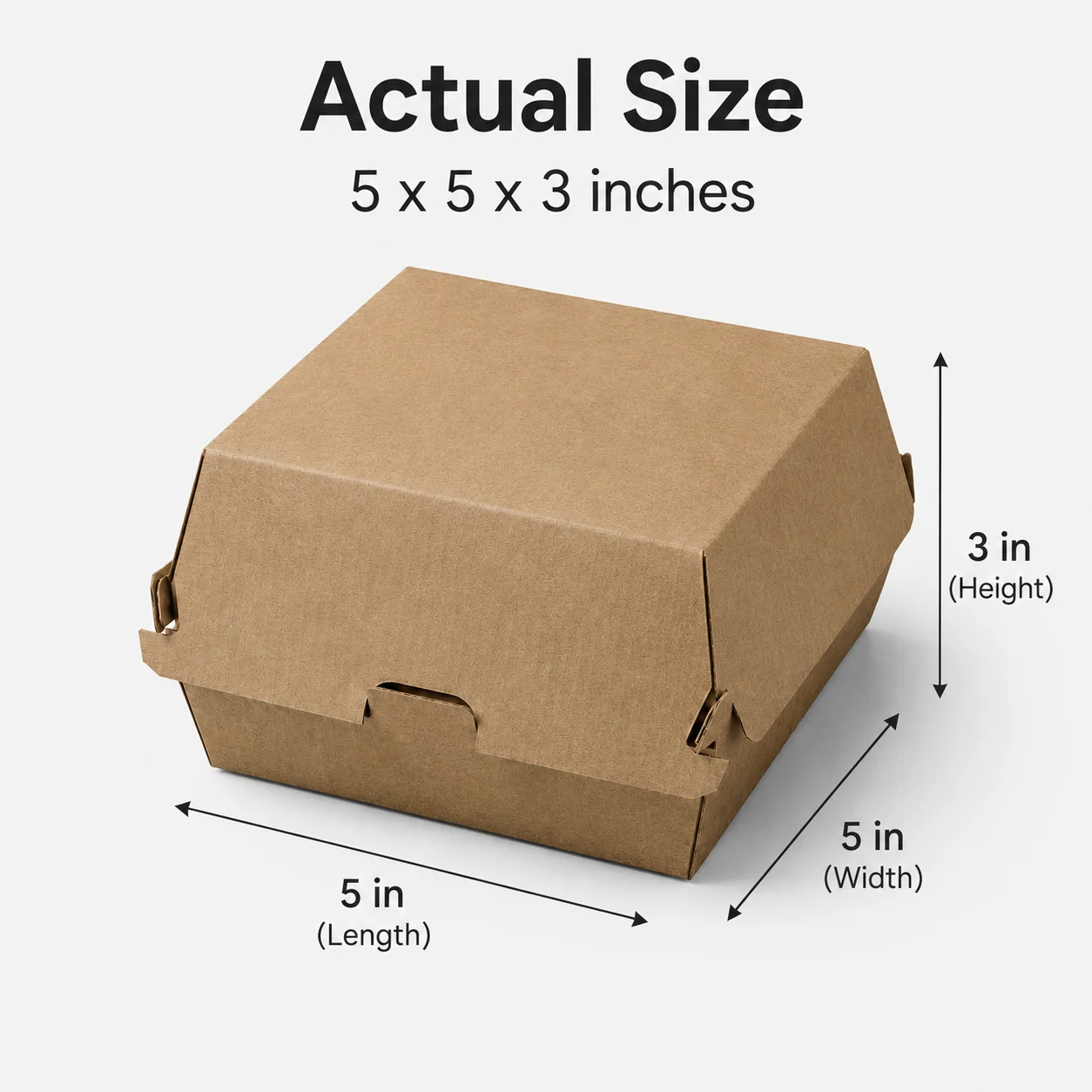
5x5 Inch Brown Kraft Burger Box for Takeaway & Food Delivery
Durable 5x5 inch brown kraft burger box designed for restaurants, cafes, cloud kitchens, and takeaway food packaging.

8x8 Inch Brown Kraft Cake Box for Bakery & Pastry Packaging
Premium 8x8 inch brown kraft cake box designed for bakeries, cafes, cloud kitchens, pastry shops, and dessert packaging.
Related Buying Guides

GSM and Ply Guide for Corrugated Boxes: Simple Explanation for Buyers
Read guide
Corrugated Box Bursting Strength: What Buyers Need to Know
Read guide
How to Prepare a Corrugated Box RFQ: Complete Buyer Checklist
Read guide
Corrugated Box Drop Testing: What Businesses Should Validate Before Shipping
Read guide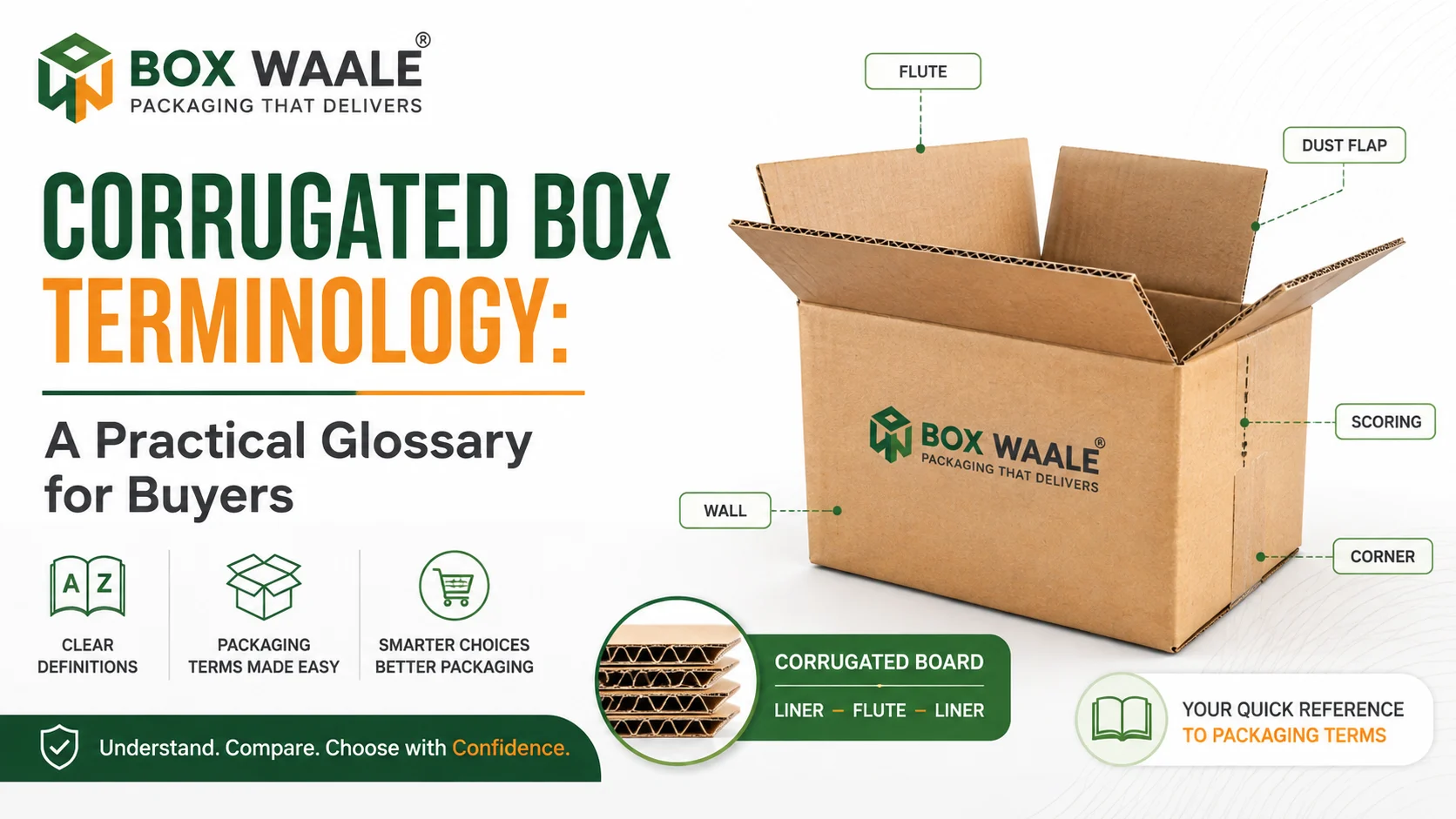
Corrugated Box Terminology: A Practical Glossary for Buyers
Read guide