
Published 3 May 2025· Updated 30 Aug 2026
Packaging Mistakes That Can Damage Your Products During Delivery
Avoid common packaging mistakes that lead to product damage, returns and customer complaints. Learn how the right box size, ply, GSM, cushioning and custom packaging can protect your products.
Key Takeaways
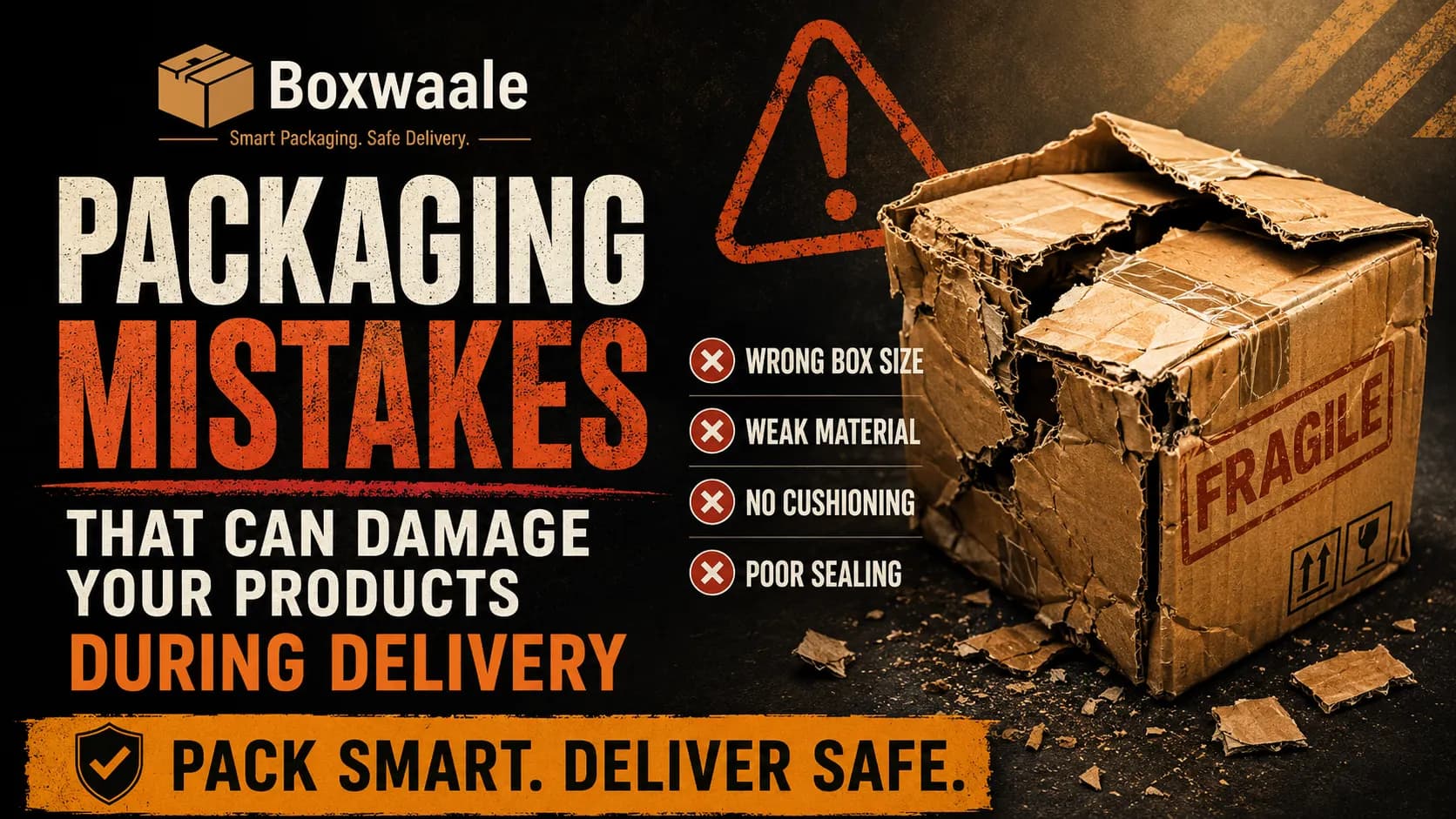
- Using an oversized or undersized box is one of the most common causes of in-transit product damage.
- Skipping cushioning/inserts for fragile items leads to breakage even in a structurally strong box.
- Matching ply and GSM to product weight prevents box failure under stacking or rough handling.
Packaging Mistakes That Can Damage Your Products During Delivery
Table of Contents
Product damage during delivery is one of the biggest problems for online sellers, restaurants, retailers and manufacturers. Many times, the product is good, but the packaging is not strong enough.
Wrong packaging can lead to damaged products, poor reviews, returns, refunds and customer dissatisfaction. Avoiding basic packaging mistakes can save cost and protect your brand image.
Mistake 1: Choosing the Wrong Box Size
If the box is too large, the product moves inside. If the box is too small, the product gets pressed. The right box size should hold the product safely with enough space for inner protection.
Mistake 2: Using Weak Material
Thin or weak packaging may look cheaper at first, but it can increase damage during delivery. Corrugated boxes are better for shipping because they provide better strength and cushioning.
Mistake 3: Ignoring Product Weight
Heavy products need stronger ply and GSM. Using the same box for light and heavy products can cause crushing, tearing or bottom failure.
Mistake 4: No Cushioning for Fragile Items
Glass bottles, cosmetics, electronics, sweets, cakes and delicate products need cushioning, liners, inserts or partitions for better safety.
Mistake 5: Poor Taping and Closing
Even a strong box can fail if it is not closed properly. Use suitable tape and sealing method based on product weight and shipping distance.
Mistake 6: No Branding or Handling Instructions
For fragile or premium products, handling symbols, stickers or printed instructions can help reduce risk and improve professional appearance.
How Boxwaale Helps Reduce Packaging Damage
Boxwaale provides custom size corrugated boxes, courier boxes, food boxes, partition boxes, stronger ply options and printed packaging for businesses that want safer delivery.
Final Call to Action
Facing product damage during delivery? Talk to Boxwaale and choose stronger, smarter and safer packaging for your business.
Packaging failure-prevention worksheet: turn the advice into a buying decision
Before ordering for packaging mistakes that can damage your products during delivery, write down the operating conditions rather than selecting a box from appearance alone. The useful decision factors are movement, impact, compression, moisture and closure. This separates requirements that protect the product from optional features that improve presentation.
| Decision point | What to verify | Why it matters |
|---|---|---|
| Product fit | Measure the fully packed product, including wrapping, tray, insert or cushioning. | Internal fit controls movement; external dimensions affect storage and shipping. |
| Distribution | Record handling steps, delivery distance, stacking and exposure to moisture or heat. | A box for counter pickup may not suit a multi-hub courier journey. |
| Performance | Agree on board construction and a filled-sample test before a large order. | Colour, ply or GSM alone does not describe complete pack performance. |
| Total cost | Include inserts, tape, labels, freight, storage, packing time and expected damage. | The lowest box price is not always the lowest cost per successful delivery. |
Information to share when requesting a quotation
Send the supplier: product weak points, packed weight, cushioning, board strength, tape pattern, stack height and delivery route. State whether measurements are internal or external and whether quantities are required in one delivery or a planned schedule. Clear inputs make quotations easier to compare and reduce revisions after sampling.
Validate the pack before placing a bulk order
Test the complete pack as shipped. Inspect corners, seams, product movement and compression after a realistic handling cycle; change one variable at a time and record the result.
- Build and fill the sample using the normal packing process.
- Weigh and measure the sealed pack; photograph the closure and label position.
- Simulate the most likely handling, stacking and opening conditions.
- Record any movement, crushing, tearing, leakage, scuffing or presentation issue.
- Approve the final specification in writing and retain one signed reference sample.
Practical next step: prepare two or three real packed samples and compare protection, packing time and total delivered cost. That evidence is more reliable than choosing only by a catalogue photograph or price per piece.
Related Packaging Guide
Planning a packaging order?
Turn this guidance into a box specification
Share the product dimensions, packed weight, quantity, printing requirement and delivery postcode. Boxwaale will help narrow down the appropriate size, ply and board specification before quoting.
Frequently Asked Questions
Related Products
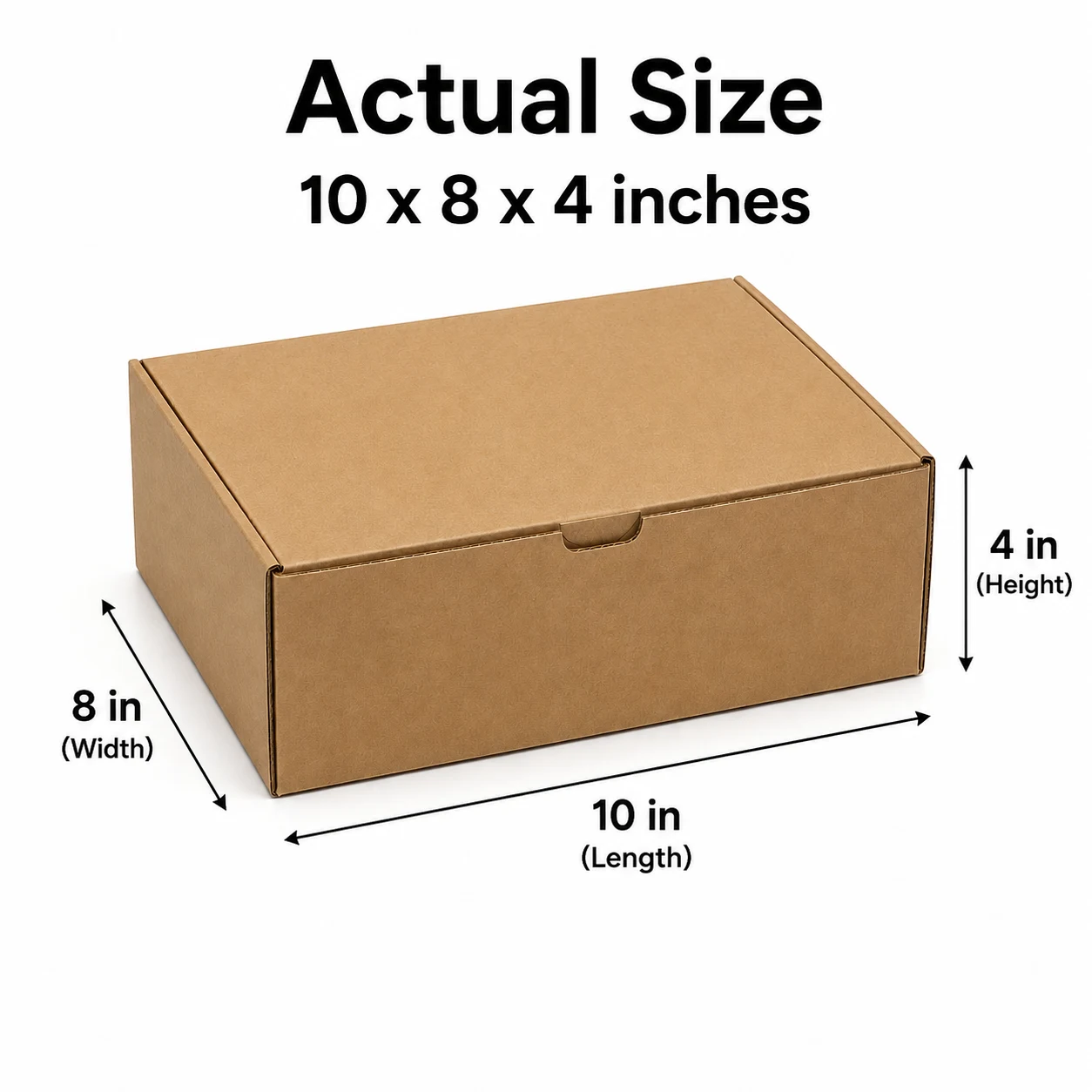
10x8x4 Inch Brown Corrugated Courier Box for E-commerce Shipping
Durable 10x8x4 inch brown corrugated courier box designed for e-commerce shipping, product delivery, storage, and secure packaging.
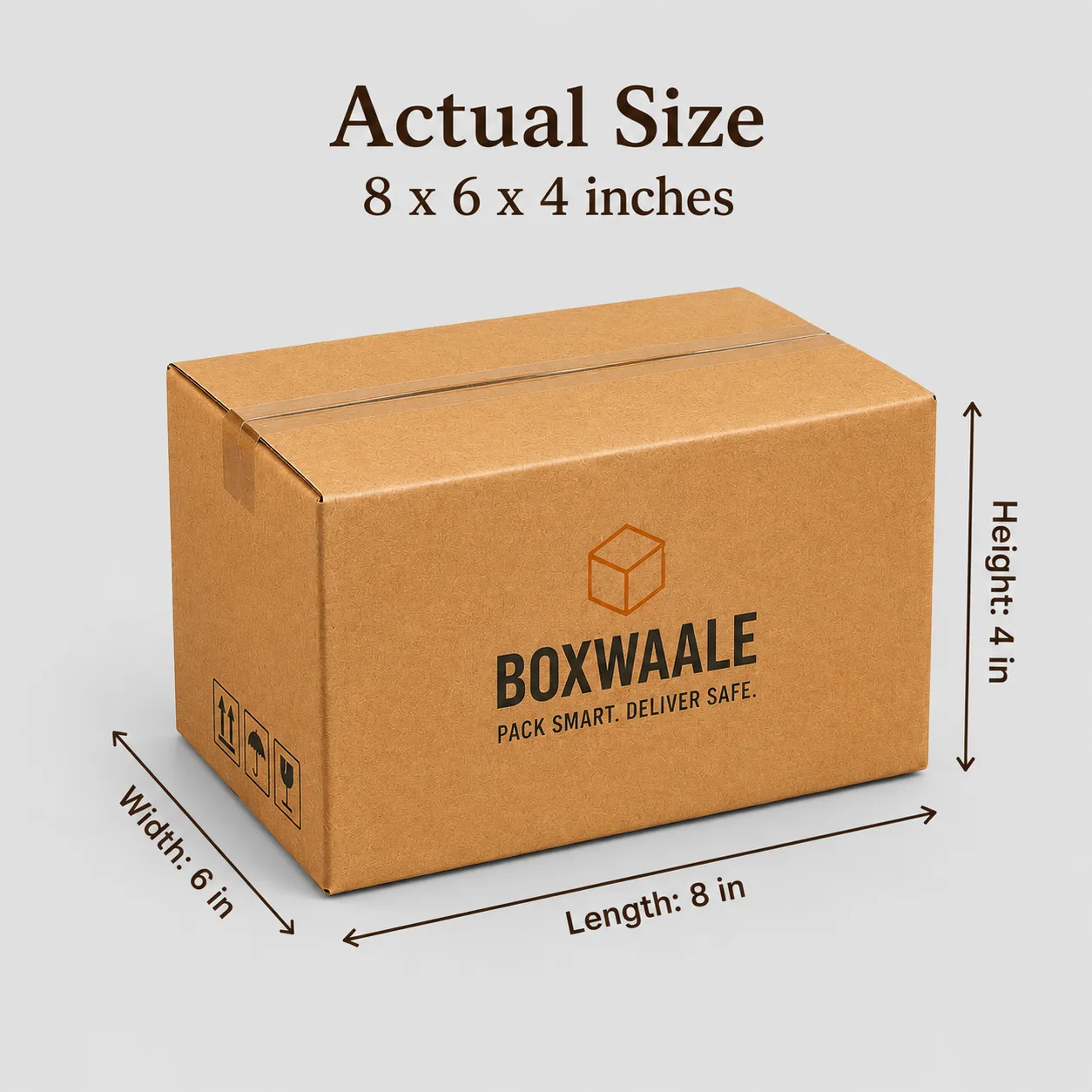
8x6x4 Inch Brown Corrugated Courier Box for E-commerce Shipping
Durable 8x6x4 inch brown corrugated courier box designed for e-commerce shipping, D2C delivery, retail product packing, and safe courier dispatch.
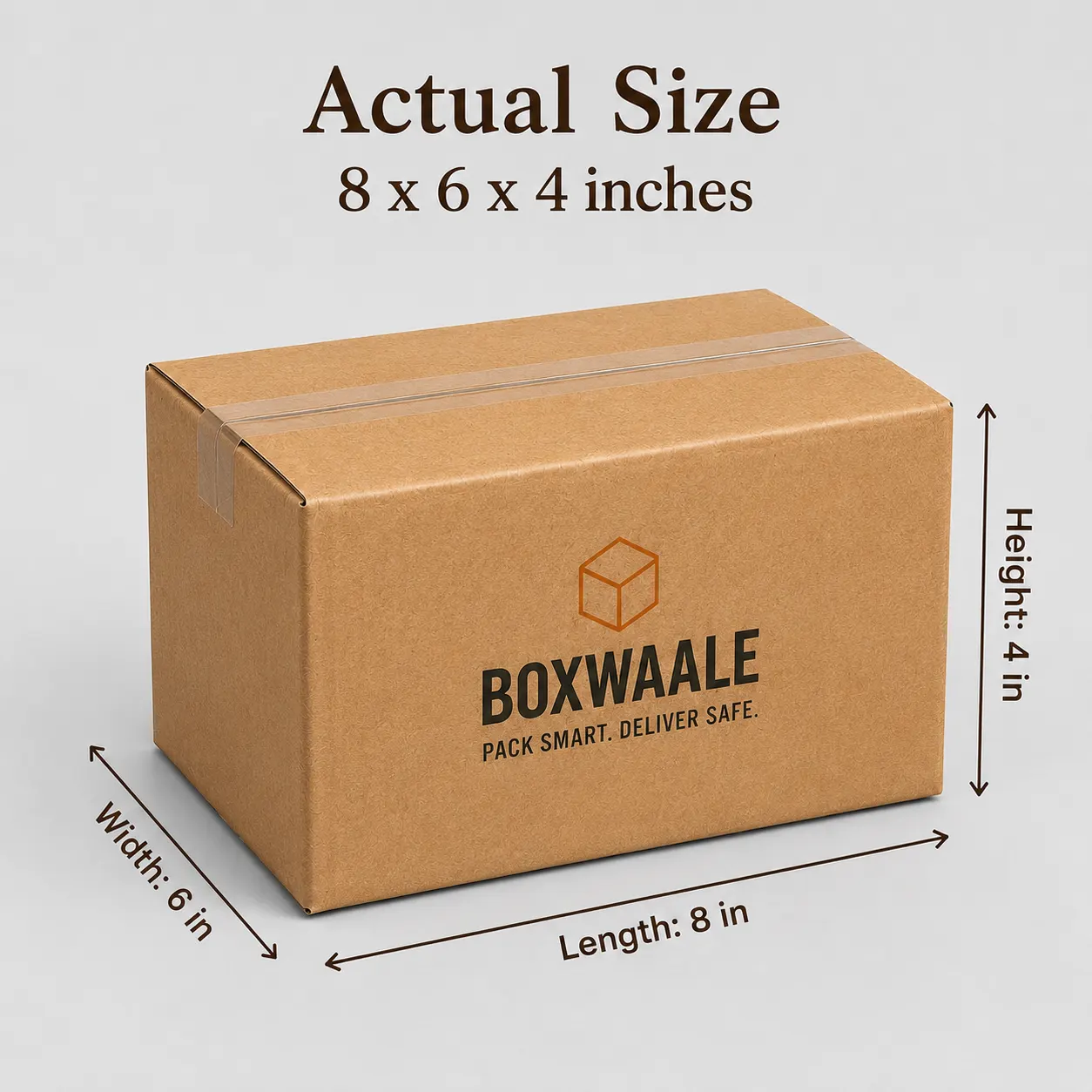
Custom Printed Brown Corrugated Courier Box with Logo
Custom printed brown corrugated courier box with logo designed for online sellers, D2C brands, retail businesses, and branded product delivery.
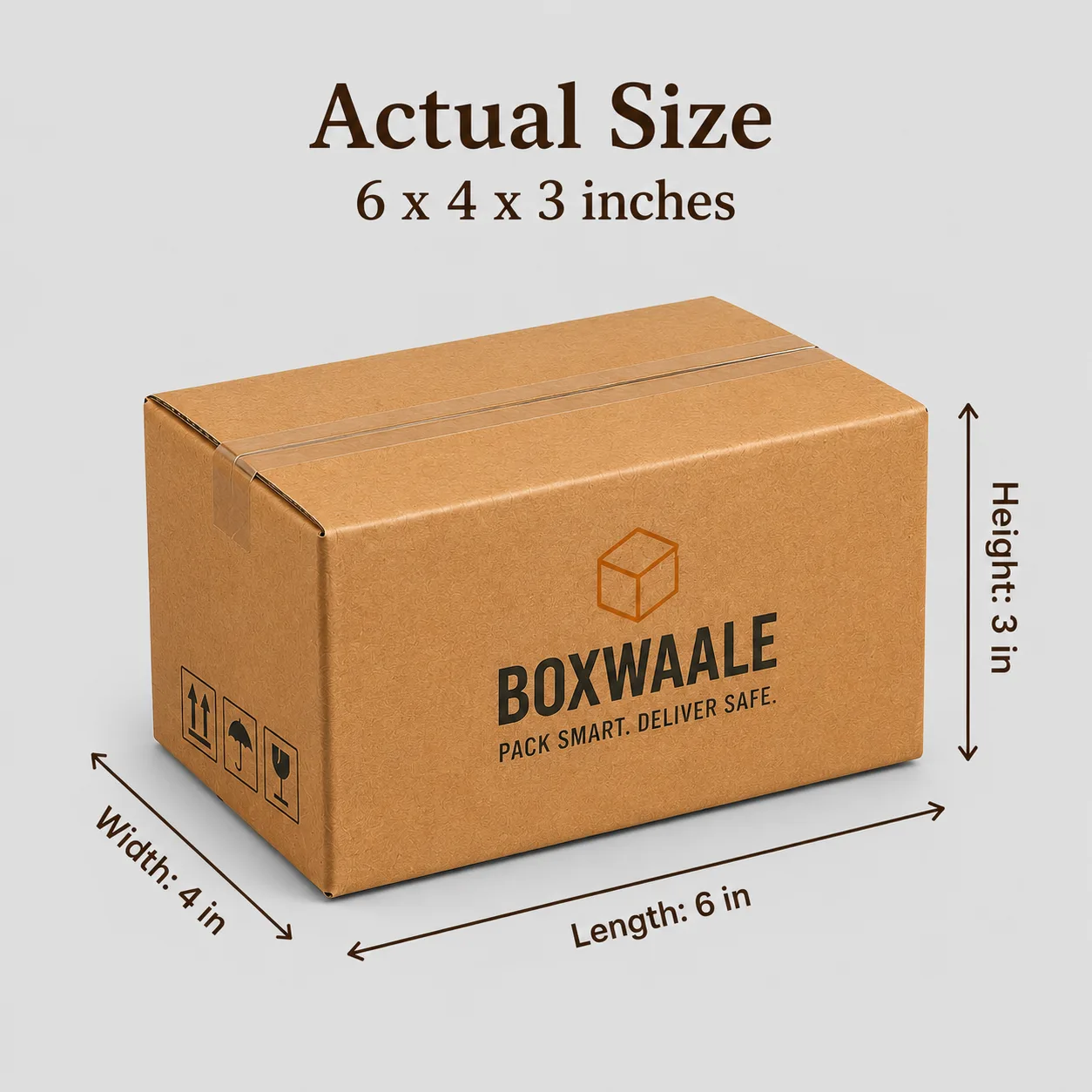
6x4x3 Inch Small Brown Corrugated Courier Box for Jewellery, Cosmetics & Accessories
Compact 6x4x3 inch brown corrugated small courier box designed for jewellery, cosmetics, mobile accessories, samples, and small product shipping.
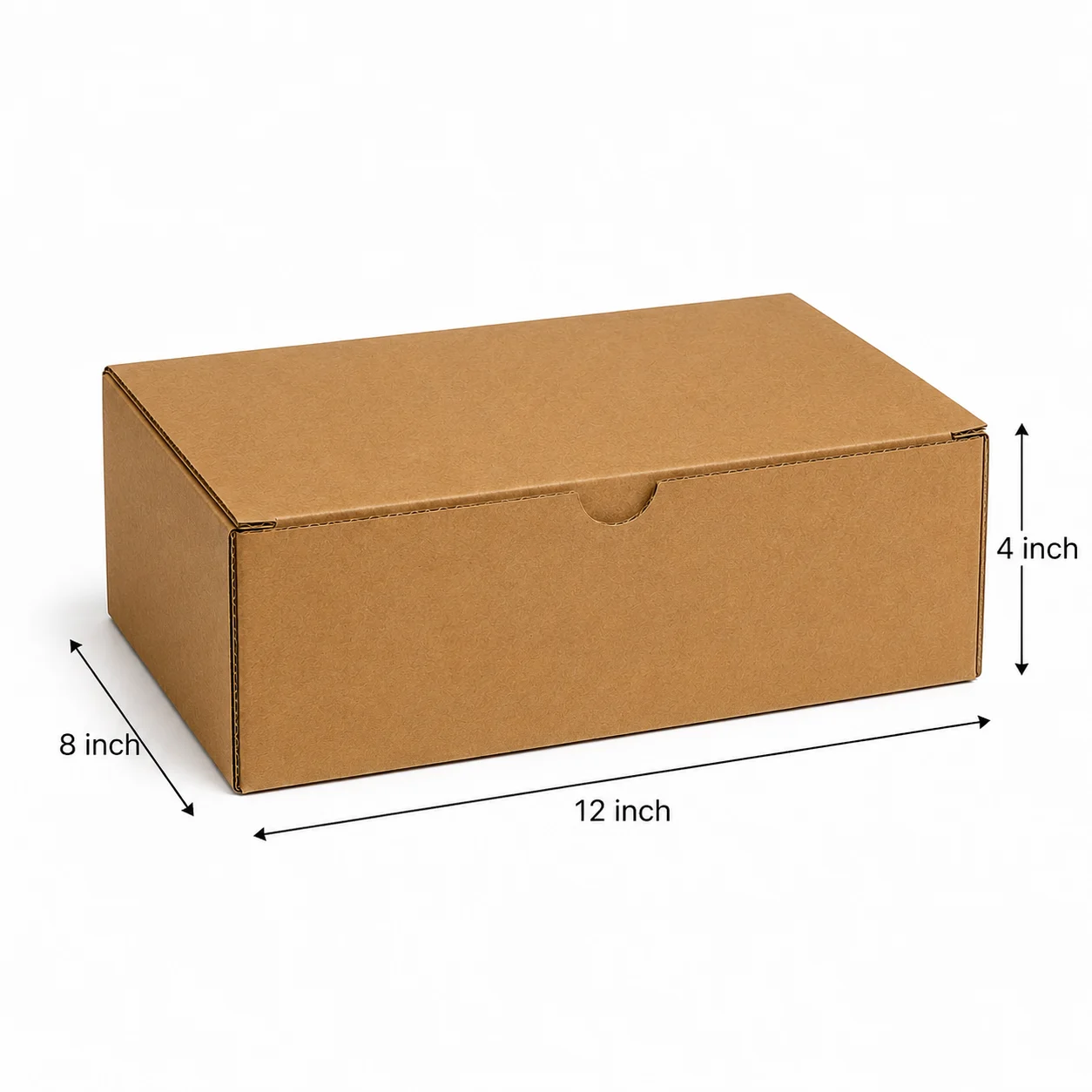
12x8x4 Inch Brown Corrugated 6 Bottle Nail Paint Packaging Box
Durable 12x8x4 inch brown corrugated nail paint box with six internal compartments, designed for cosmetic packaging, storage, gifting, and safe delivery.
Related Buying Guides
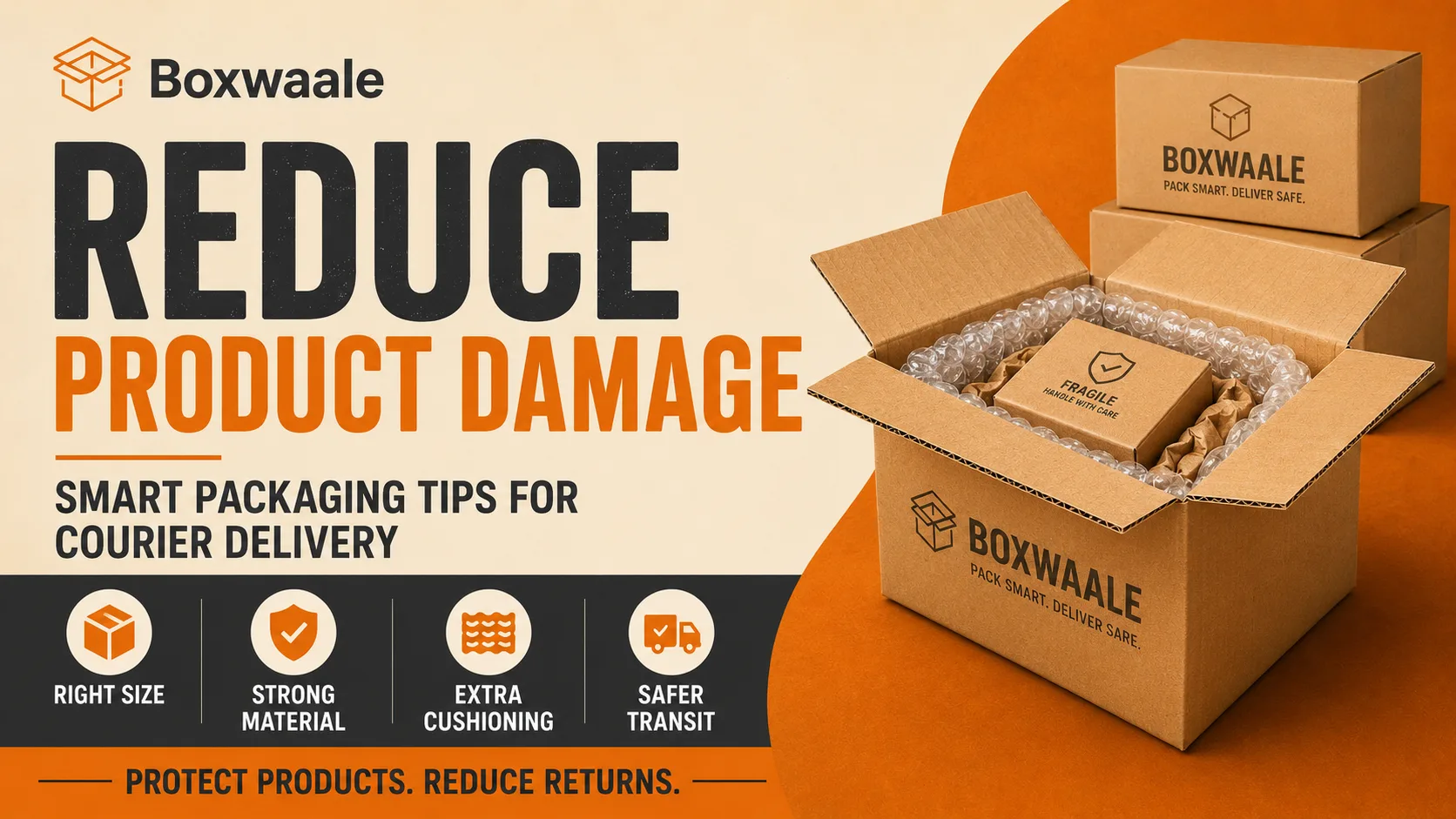
How to Reduce Product Damage During Courier Delivery
Read guide
Bulk Corrugated Boxes: Why Small Businesses Should Buy Packaging in Bulk
Read guide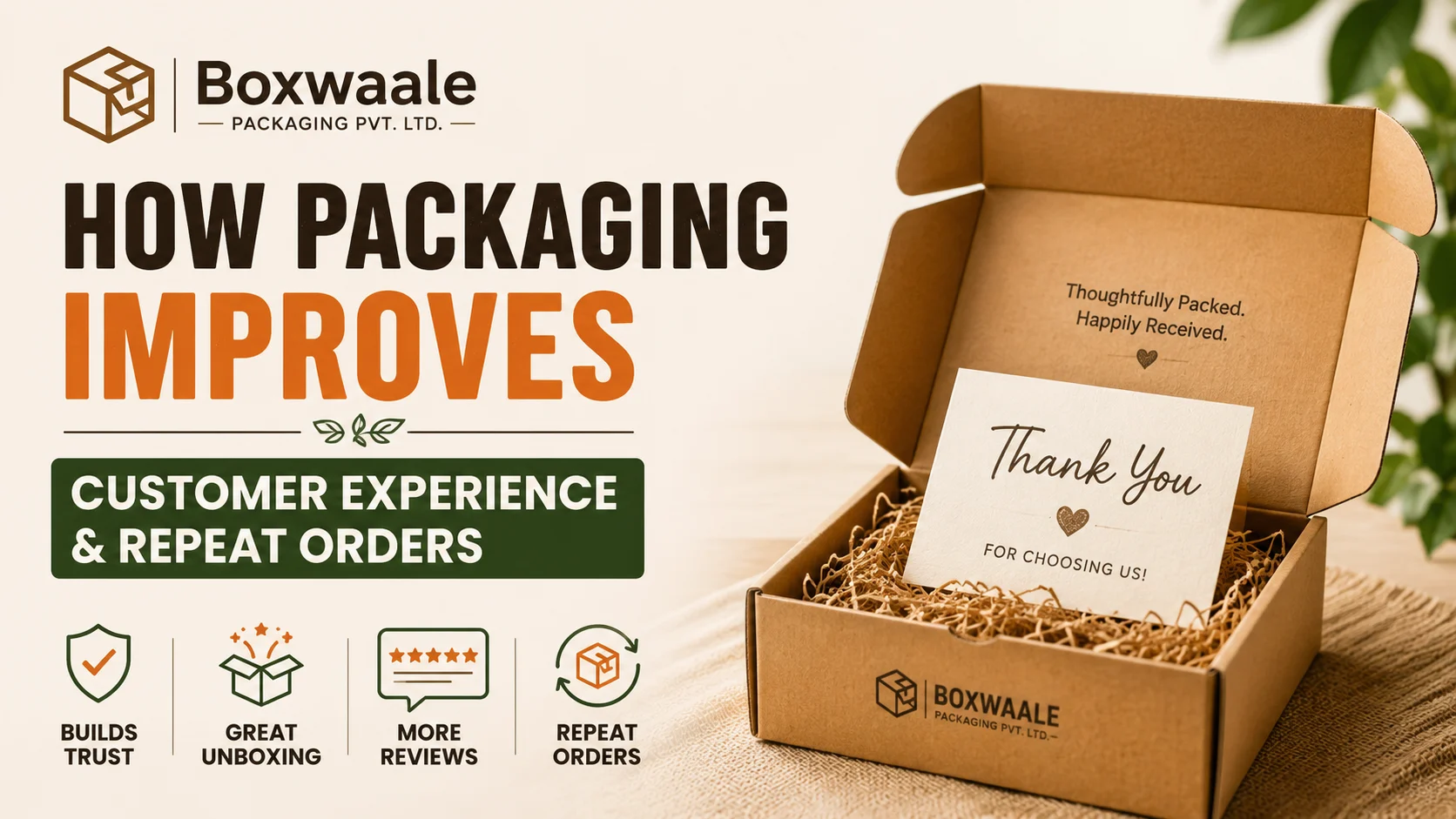
How Packaging Improves Customer Experience and Repeat Orders
Read guide
Eco-Friendly Packaging: Why Brown Kraft Boxes Are a Smart Choice
Read guide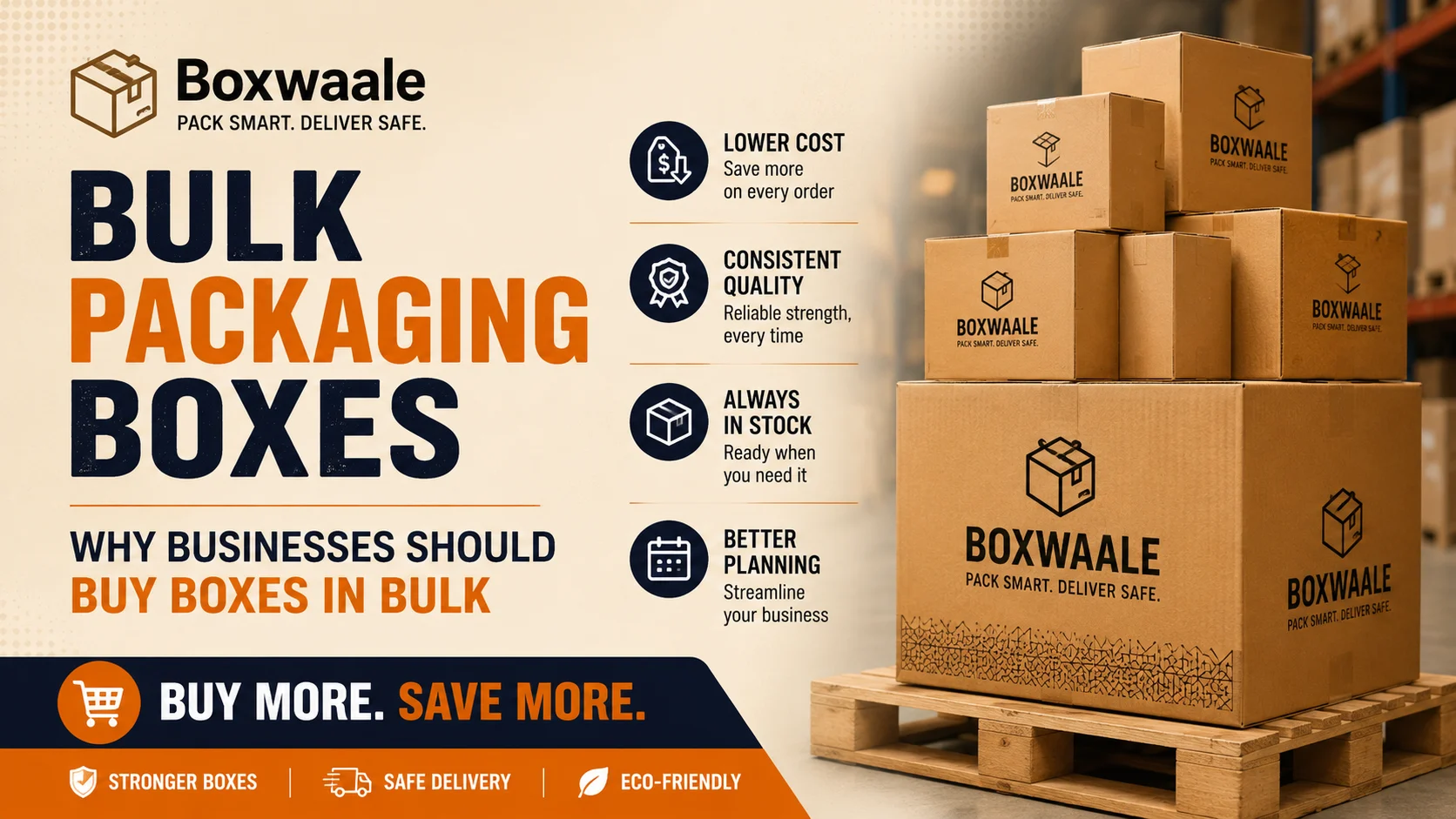
Bulk Packaging Boxes: Why Businesses Should Buy Boxes in Bulk
Read guide