
Published 2 Aug 2026· Updated 29 Aug 2026
Designing Corrugated Packaging for E-commerce Returns
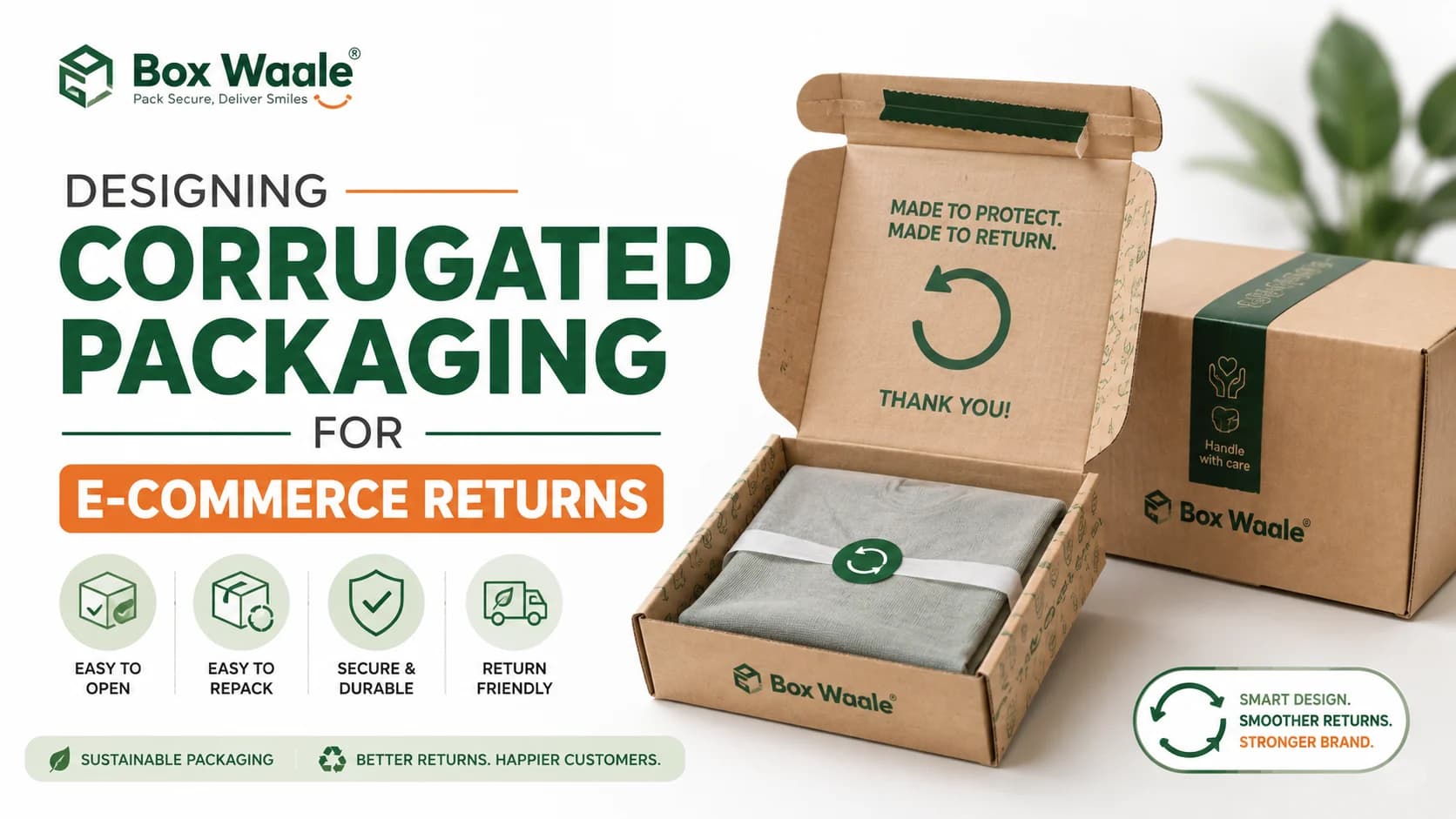
How to design corrugated boxes that survive both the outbound delivery and the return trip, covering dual sealing, opening experience, instructions and durability.
Key Takeaways
- Dual sealing means a carton has two separate seal sets, one used to close the box for outbound delivery and a second, untouched one reserved for the customer to reseal it if they return the item.
- Without dual sealing, a customer either damages the original seal trying to reopen the box neatly or has no clean way to reseal it for courier pickup.
- A tear strip or perforation designed for one clean opening leaves the box tidier and more likely to be reusable for a return than a box opened with a knife or torn by hand.
- Printing basic return instructions inside the box lid removes a common point of confusion for customers who don't see an insert slip or check their email for a return label.
- A returnable box generally needs more durability than a standard one-way shipping box because it must survive two transit legs plus however long it sits in the customer's home before the return is initiated.
- Returnable packaging can lower how often boxes fail on the return leg or arrive back too damaged to reuse, though the actual cost impact varies by return rate, product category and existing packaging.
Designing Corrugated Packaging for E-commerce Returns
Table of Contents
A box built only to survive the trip to the customer solves half the problem for any category with a meaningful return rate. This article looks at what changes when a corrugated carton also needs to make the trip back — sealing mechanism, opening experience, printed instructions and overall durability — and how these choices affect both customer experience and reverse logistics cost.
Why Outbound-Only Design Falls Short for Returns
Most e-commerce packaging is specified around a single question: will this box survive the outbound journey to the customer? For categories with low return rates, that's a reasonable place to stop. But for apparel, footwear, accessories and other categories where a meaningful share of orders come back, the box needs to survive a second trip, plus however long it sits unopened or half-unpacked in the customer's home before they decide to return it.
A carton designed only for one-way delivery typically has a single tear strip or tape seal that gets destroyed on first opening, no clean way to reseal, and board strength calculated for one transit cycle rather than two. None of these are failures of the original design — they simply reflect a design brief that didn't include returns. Once returns are a known and material part of your order flow, the packaging brief needs to include them from the start rather than being patched after the fact.
Dual Sealing: The Core Mechanism
The most direct fix is a dual-sealing carton: one sealing strip or flap set used to close the box for the outbound trip, and a second, entirely separate one reserved for the customer's return. When the customer opens the box using the outbound seal, the return seal remains untouched and ready to use, so resealing the box for pickup doesn't involve wrestling with torn cardboard or hunting for tape.
This can be implemented a few ways depending on your product and volume:
- A second strip of adhesive (often covered by a peel-off liner) built into the box at manufacture, positioned so it doesn't interfere with the outbound seal.
- A re-lockable flap or tuck mechanism that doesn't rely on adhesive at all, useful for lighter products.
- A perforated tear strip for outbound opening that is clearly separate from the flaps used for the return reseal, so the two don't get confused.
The mechanism matters less than the principle: the customer should never need to improvise a reseal with their own tape for a standard return, since that's exactly the point where boxes get damaged, look unprofessional to the courier, or simply don't get returned at all because it felt like too much hassle.
Opening Experience and Reusability
How cleanly a box opens has a direct effect on whether it can be reused for a return. A customer who has to cut through packing tape with a kitchen knife, or tears the flap in an unpredictable direction because there's no guided tear strip, is left with a box that looks and functions worse than one opened along a designed perforation.
A well-designed opening experience for returnable ecommerce packaging boxes typically includes a clear, single point of entry (a printed arrow or "open here" mark helps), a tear strip or perforation that guides the opening motion rather than leaving it to chance, and enough structural margin that one clean opening doesn't compromise the box's ability to be resealed and reused. This isn't just about aesthetics — a box that looks intact and professional after opening is more likely to be accepted back into resaleable inventory and less likely to raise questions from your warehouse receiving team about whether it was tampered with.
Instructions, Durability and Reverse Logistics
Confusion is one of the biggest hidden costs in a returns process. A customer who isn't sure which flap to use, where the return label goes, or whether the box needs additional tape will often either contact support or improvise a solution that doesn't hold up in transit. Printing basic return instructions directly inside the box lid — which seal to use, where the label attaches, any category-specific packing notes — removes that ambiguity at the point it's needed, rather than relying on an email or insert slip the customer may not read.
On durability, remember that a returnable box faces more than just two transit legs. It typically absorbs some handling stress from the original unboxing, may sit compressed in a customer's cupboard for days or weeks, and then goes through a second round of courier handling on the way back. Specifying board strength and flute grade with this full lifecycle in mind, rather than just the outbound leg, reduces the number of boxes that arrive back too crushed or torn to process efficiently.
Finally, think about how returnable packaging fits your reverse logistics workflow more broadly: does your warehouse need to visually distinguish returned boxes, does the return process require specific documentation to travel with the box, and does your courier partner have any size or condition requirements for accepting returns. Packaging design works best when it's built around these operational realities rather than in isolation.
How Boxwaale Helps
Boxwaale designs dual-seal corrugated packaging for online sellers who need boxes to survive both the outbound delivery and a return trip, with tear strips and reseal flaps positioned so customers don't need extra tape. We can also help place printed return instructions directly on the box interior and specify board strength around your category's typical return timeline, not just a single one-way journey.
Frequently Asked Questions
Related Packaging Guides
Planning a packaging order?
Turn this guidance into a box specification
Share the product dimensions, packed weight, quantity, printing requirement and delivery postcode. Boxwaale will help narrow down the appropriate size, ply and board specification before quoting.
Frequently Asked Questions
Dual sealing means the carton has two separate strips or flap sets for sealing — one used to close the box for the outbound delivery, and a second, untouched one reserved for the customer to reseal the box if they return the item. Without this, a customer either damages the original seal trying to reopen it neatly, or has no clean way to reseal the box for the courier to pick up.
A box that requires excessive force, sharp tools, or leaves ragged tear marks to open makes it hard for a customer to return the item in resaleable condition, which increases the chance the return gets rejected or the box is discarded rather than reused. A tear strip or perforation designed for one clean, controlled opening tends to leave the box tidier and more likely to be reusable.
Printing basic return instructions — which flap or strip to use, where to find the return label, any steps specific to your return process — directly on the inside of the box removes a common point of confusion. Customers who don't see a slip or don't check their email for return instructions can still find them without contacting support.
Generally yes, since a returnable box needs to survive two transit legs (out and back) instead of one, along with however long it sits in the customer's home before the return is initiated. Specifying board strength for a single one-way trip often leaves too little margin for the return leg.
It can help by lowering how often boxes fail during the return leg or arrive back too damaged to reuse, and by reducing customer confusion that leads to support queries. The actual cost impact depends on your specific return rate, product category and current packaging, so results will vary by business.
Related Products
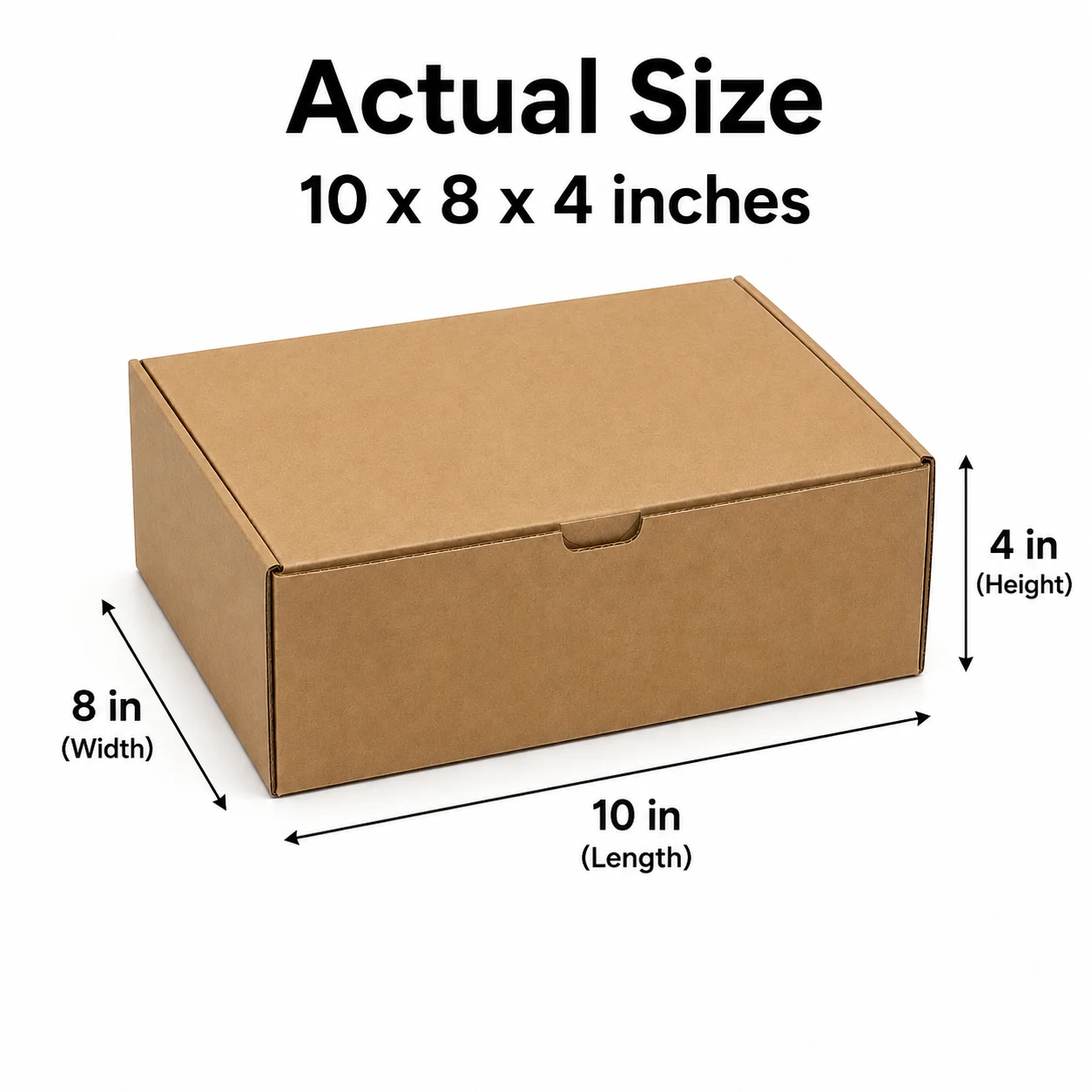
10x8x4 Inch Brown Corrugated Courier Box for E-commerce Shipping
Durable 10x8x4 inch brown corrugated courier box designed for e-commerce shipping, product delivery, storage, and secure packaging.
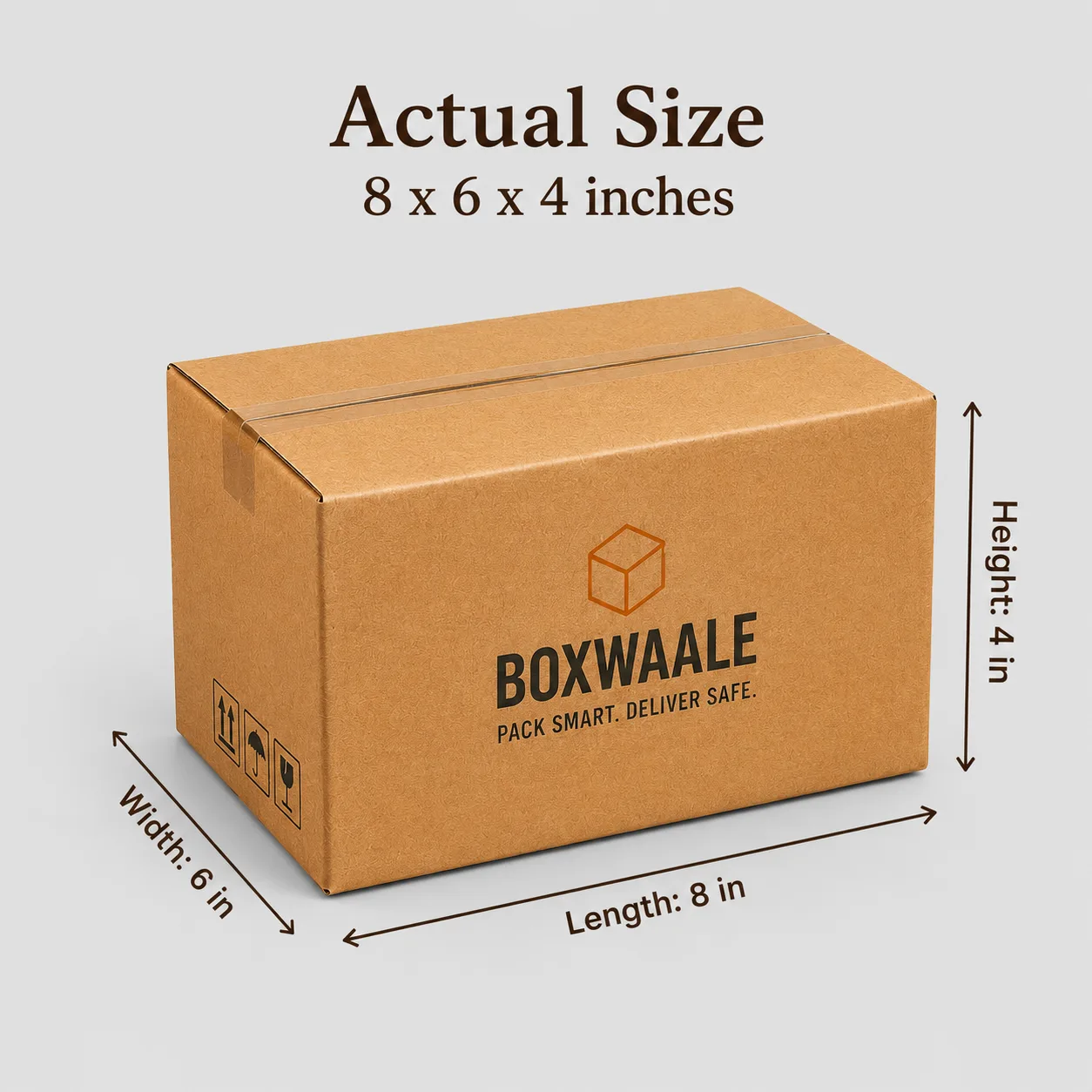
8x6x4 Inch Brown Corrugated Courier Box for E-commerce Shipping
Durable 8x6x4 inch brown corrugated courier box designed for e-commerce shipping, D2C delivery, retail product packing, and safe courier dispatch.
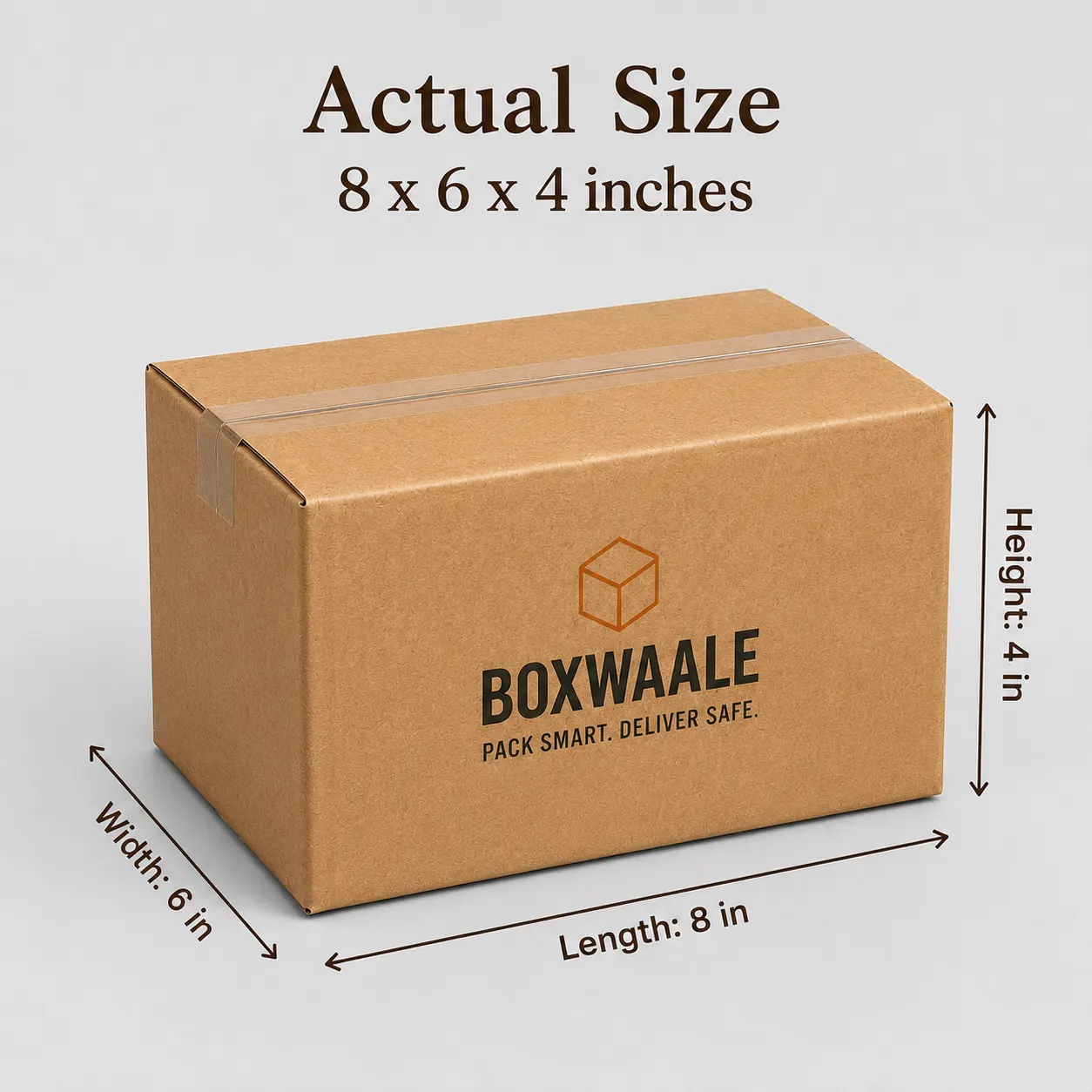
9x6x3 Inch Brown Corrugated Mailer Box for E-commerce Brands
Premium corrugated mailer box designed for e-commerce brands, subscription boxes, gifting, retail products, and custom branded packaging.
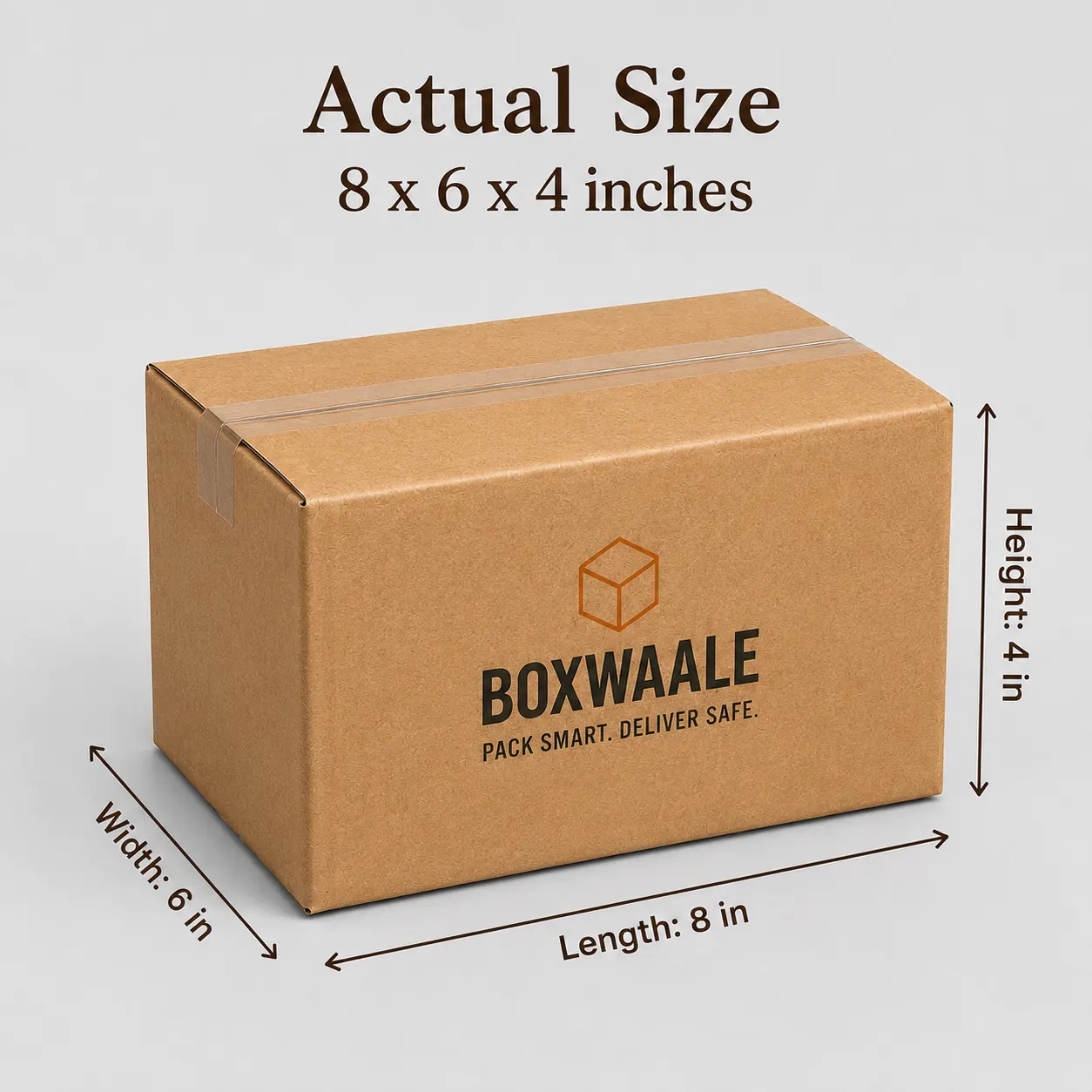
Custom Printed Brown Corrugated Courier Box with Logo
Custom printed brown corrugated courier box with logo designed for online sellers, D2C brands, retail businesses, and branded product delivery.
Related Articles
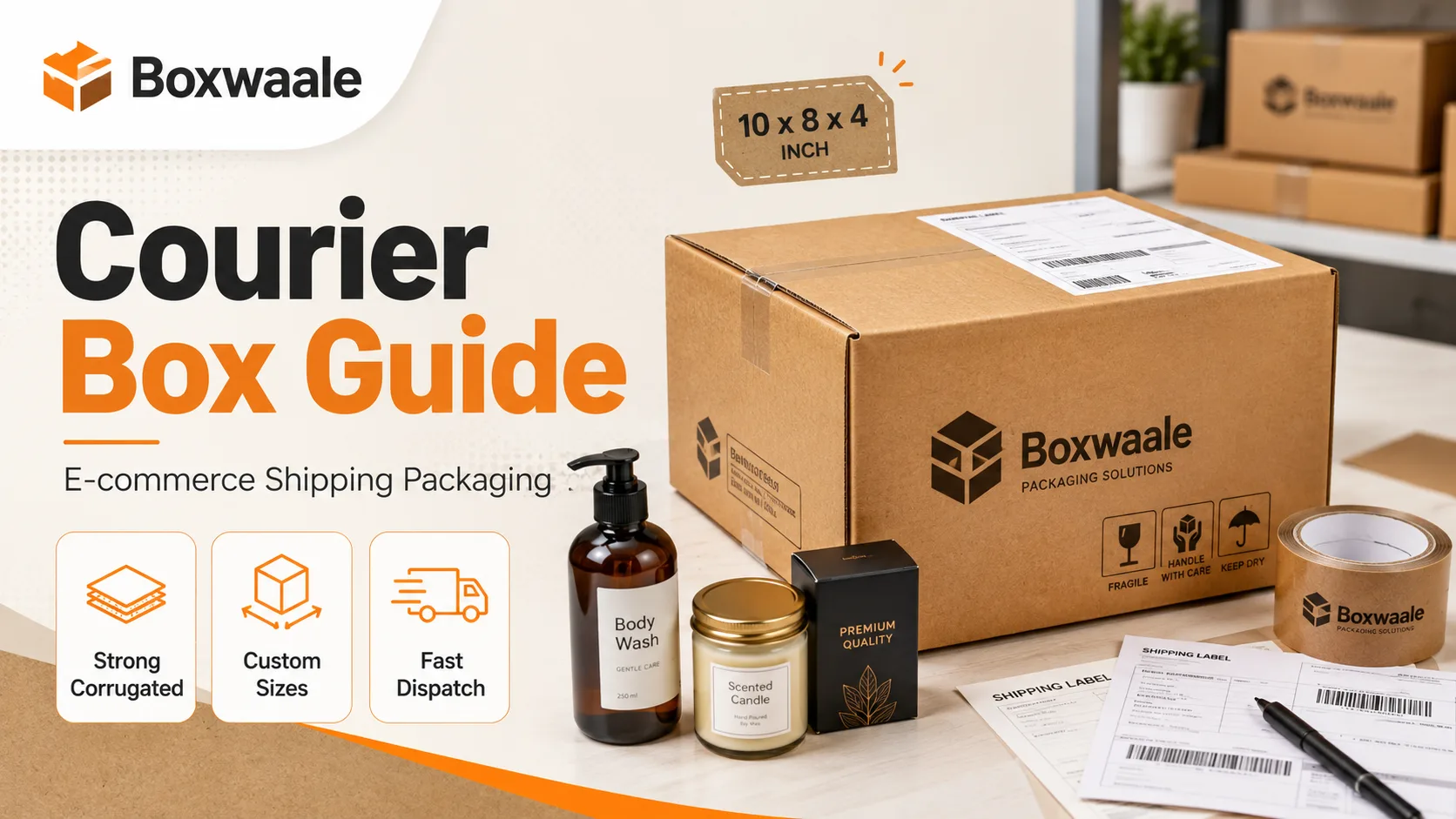
10x8x4 Inch Brown Corrugated Courier Box for E-commerce Shipping – Complete Guide
Read guide
Why Custom Printed Boxes Help Your Brand Look More Professional
Read guide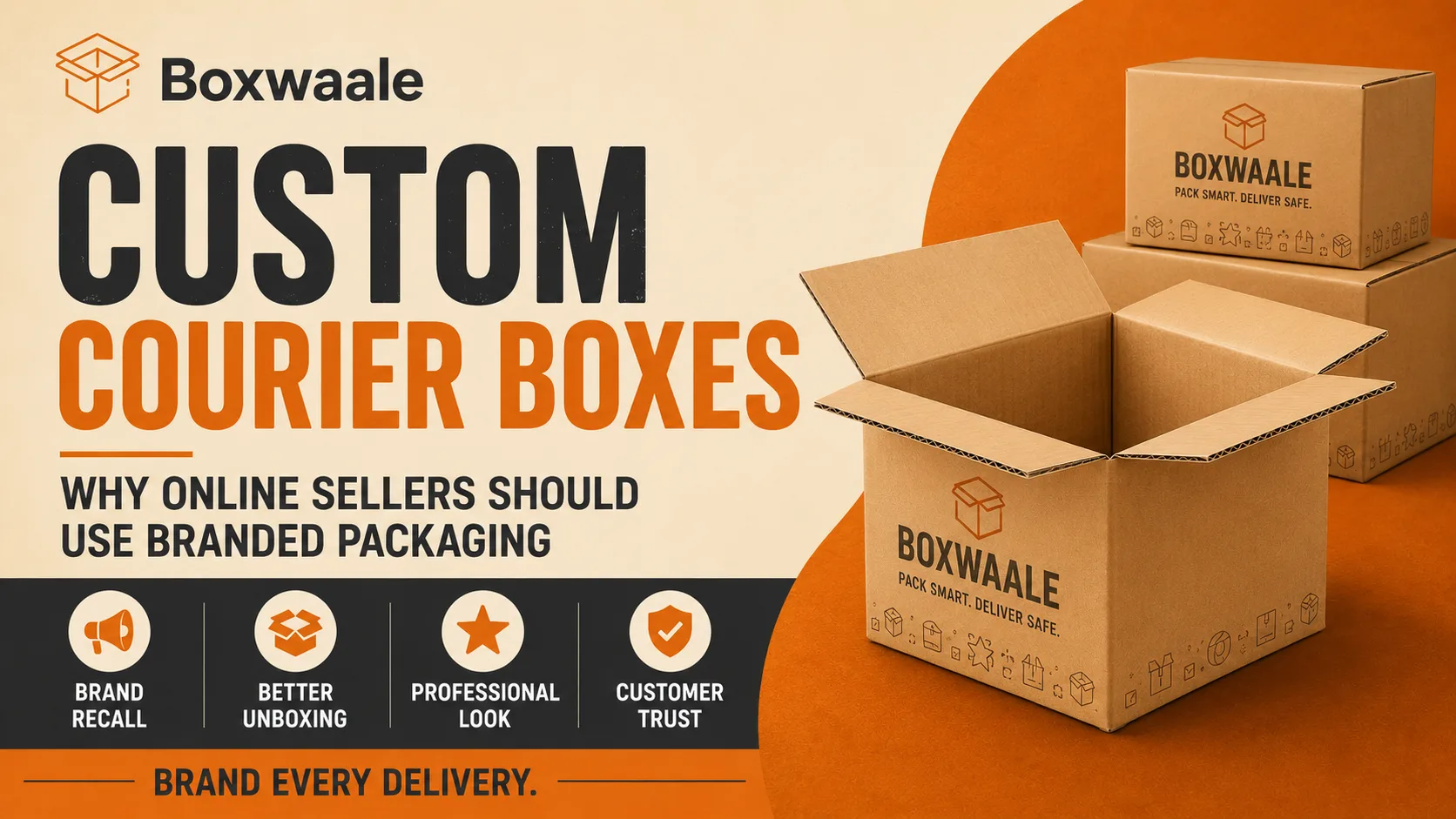
Custom Courier Boxes with Logo: Why Online Sellers Should Use Branded Packaging
Read guide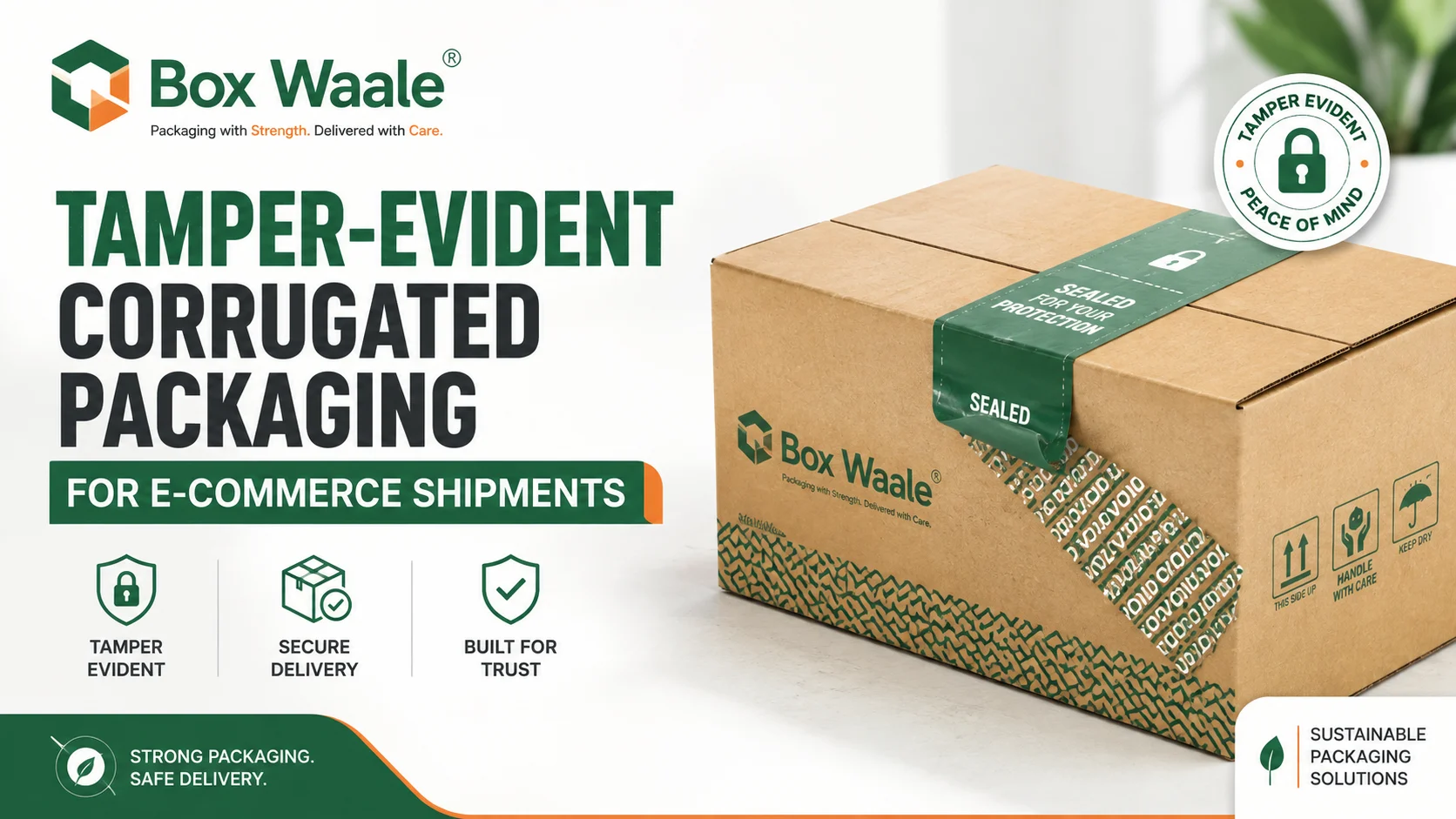
Tamper-Evident Corrugated Packaging for E-commerce Shipments
Read guide
Small Courier Boxes for Quick Commerce and Fast Delivery Orders
Read guide