
Published 12 Apr 2025· Updated 30 Aug 2026
Best Cake Box Sizes for Bakeries and Home Bakers
A practical cake box size guide for bakeries, home bakers, cafes, and dessert brands to choose the right packaging for half kg cakes, 1 KG cakes, pastries, cupcakes, and delivery.
Key Takeaways
- Cake box sizing should match cake diameter and height, including the base board, not just weight category.
- Half-kg and 1kg cakes typically need different box footprints to avoid crushing or excess empty space.
- Home bakers and bakeries benefit from stocking 2-3 standard sizes to cover most order variations.
Best Cake Box Sizes for Bakeries and Home Bakers
Table of Contents
For bakeries and home bakers, cake packaging is very important. A cake may be beautifully designed, but if the box is too small, weak, or difficult to carry, the customer experience can go down.
The right cake box protects the cake, supports presentation, and helps with safe delivery.
Why Cake Box Size Matters
Cake size, cake board size, icing height, decoration, toppings, and delivery distance all matter when choosing a cake box. The box should have enough space so the cake does not touch the sides or top.
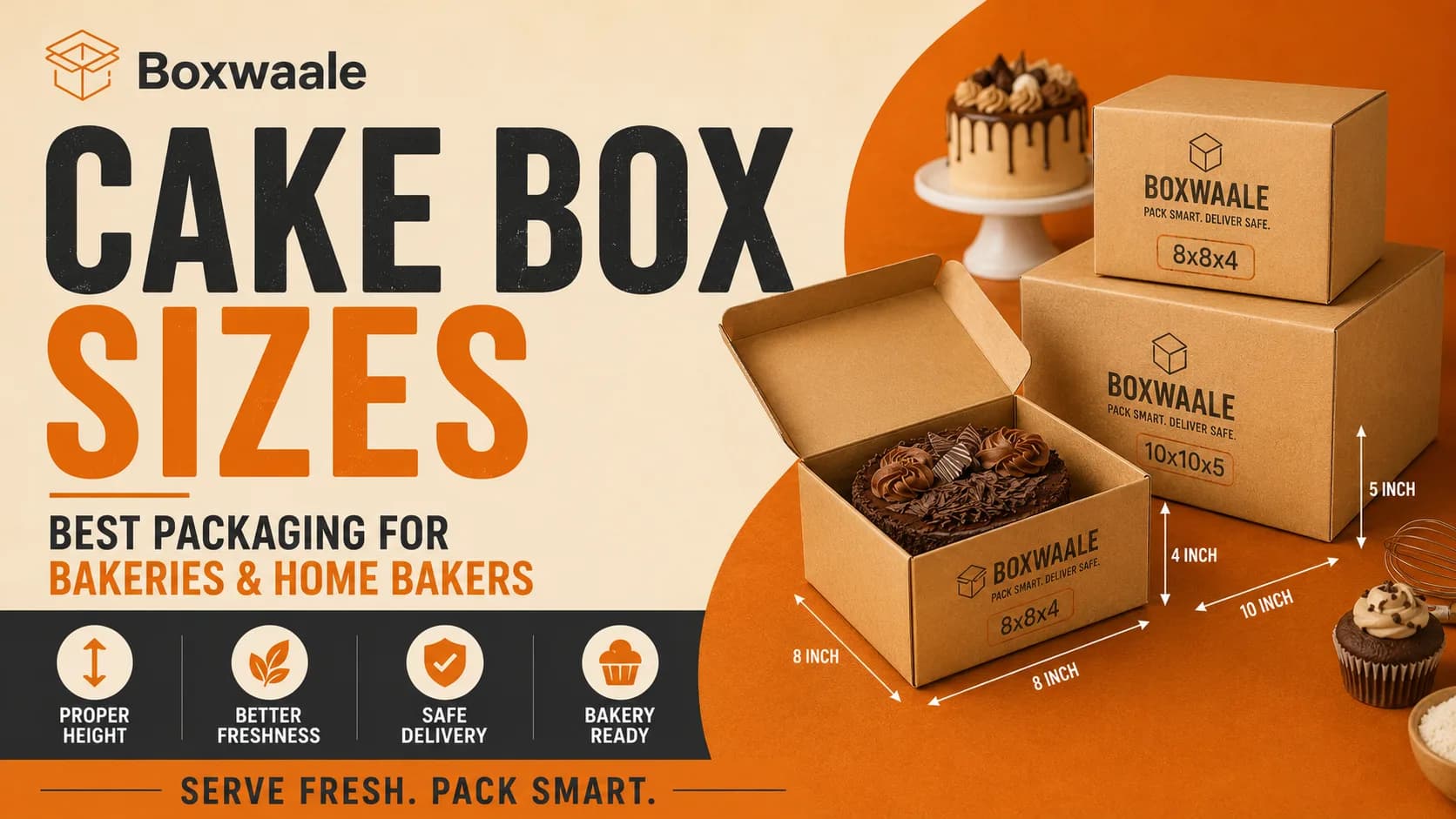
Best Box Size for Half KG Cakes
An 8x8x4 inch cake box is commonly suitable for many half kg cakes, pastries, brownies, cupcakes, and dessert combos. The final fit depends on cake board size and decoration height.
Best Box Size for 1 KG Cakes
A 10x10x5 inch cake box works well for many 1 KG cakes. It gives better height and space for slightly larger cakes, toppings, and bakery presentation.
Other Bakery Packaging Options
Bakeries may also need cupcake boxes with inserts, pastry boxes, brownie boxes, cookie boxes, dry cake boxes, and custom dessert packaging.
Things to Check Before Ordering Cake Boxes
- Cake board size
- Cake height
- Decoration and topping height
- Delivery distance
- Need for inserts or liners
- Plain or printed branding
- Bulk monthly requirement
Boxwaale Bakery Packaging
Boxwaale provides cake boxes, bakery boxes, pastry boxes, custom printed cake boxes, kraft cake boxes, and bulk bakery packaging for bakeries, cafes, home bakers, and dessert brands.
Final Call to Action
Need the right cake box size for your bakery orders? Contact Boxwaale for cake boxes, custom sizes, logo printing, and bulk bakery packaging.
Food-packaging dispatch test: turn the advice into a buying decision
Before ordering for best cake box sizes for bakeries and home bakers, write down the operating conditions rather than selecting a box from appearance alone. The useful decision factors are fit, ventilation, grease exposure, heat, stacking and delivery time. This separates requirements that protect the product from optional features that improve presentation.
| Decision point | What to verify | Why it matters |
|---|---|---|
| Product fit | Measure the fully packed product, including wrapping, tray, insert or cushioning. | Internal fit controls movement; external dimensions affect storage and shipping. |
| Distribution | Record handling steps, delivery distance, stacking and exposure to moisture or heat. | A box for counter pickup may not suit a multi-hub courier journey. |
| Performance | Agree on board construction and a filled-sample test before a large order. | Colour, ply or GSM alone does not describe complete pack performance. |
| Total cost | Include inserts, tape, labels, freight, storage, packing time and expected damage. | The lowest box price is not always the lowest cost per successful delivery. |
Information to share when requesting a quotation
Send the supplier: food dimensions, serving temperature, holding time, grease barrier, vent requirement, stack count and delivery radius. State whether measurements are internal or external and whether quantities are required in one delivery or a planned schedule. Clear inputs make quotations easier to compare and reduce revisions after sampling.
Validate the pack before placing a bulk order
Test with the actual hot or chilled product for the longest normal delivery window. Check sogginess, grease marks, lid contact, heat retention and whether stacked packs deform.
- Build and fill the sample using the normal packing process.
- Weigh and measure the sealed pack; photograph the closure and label position.
- Simulate the most likely handling, stacking and opening conditions.
- Record any movement, crushing, tearing, leakage, scuffing or presentation issue.
- Approve the final specification in writing and retain one signed reference sample.
Practical next step: prepare two or three real packed samples and compare protection, packing time and total delivered cost. That evidence is more reliable than choosing only by a catalogue photograph or price per piece.
Related Packaging Guide
Planning a packaging order?
Turn this guidance into a box specification
Share the product dimensions, packed weight, quantity, printing requirement and delivery postcode. Boxwaale will help narrow down the appropriate size, ply and board specification before quoting.
Frequently Asked Questions
Related Products
10x10x5 Inch Brown Kraft 1 KG Cake Box for Bakeries
Premium 10x10x5 inch brown kraft 1 KG cake box designed for bakeries, home bakers, cafes, dessert brands, and safe cake delivery.

8x8 Inch Brown Kraft Cake Box for Bakery & Pastry Packaging
Premium 8x8 inch brown kraft cake box designed for bakeries, cafes, cloud kitchens, pastry shops, and dessert packaging.
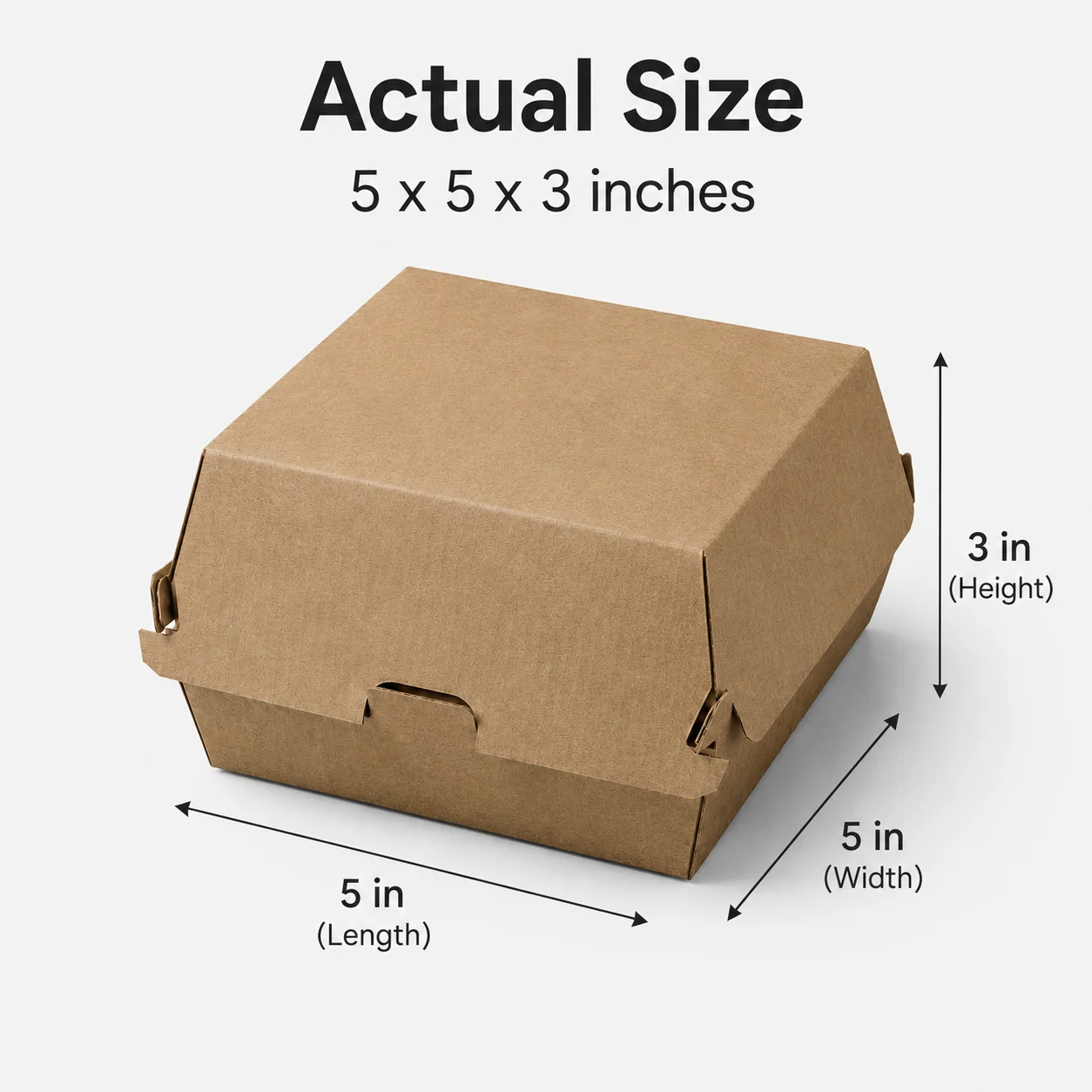
5x5 Inch Brown Kraft Burger Box for Takeaway & Food Delivery
Durable 5x5 inch brown kraft burger box designed for restaurants, cafes, cloud kitchens, and takeaway food packaging.
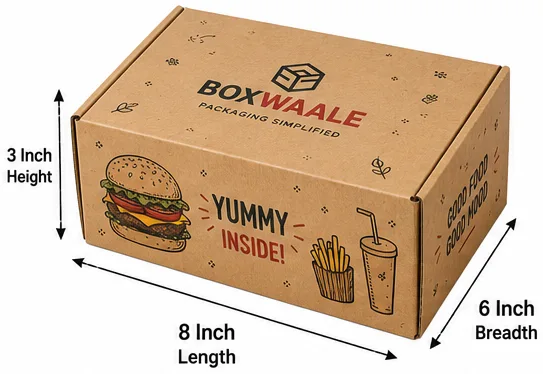
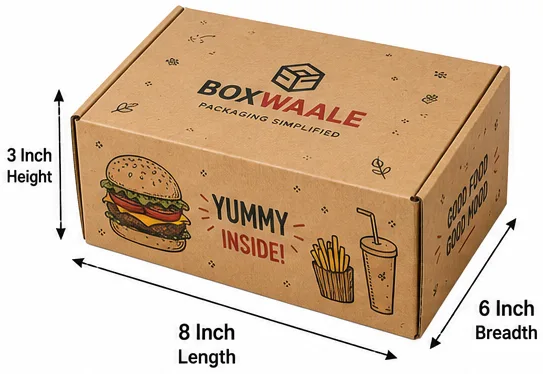
8x6x3 Inch Brown Kraft Burger Meal Combo Box for Food Delivery
Practical brown kraft burger meal combo box designed for burgers, fries, sides, snacks, and food delivery packaging.
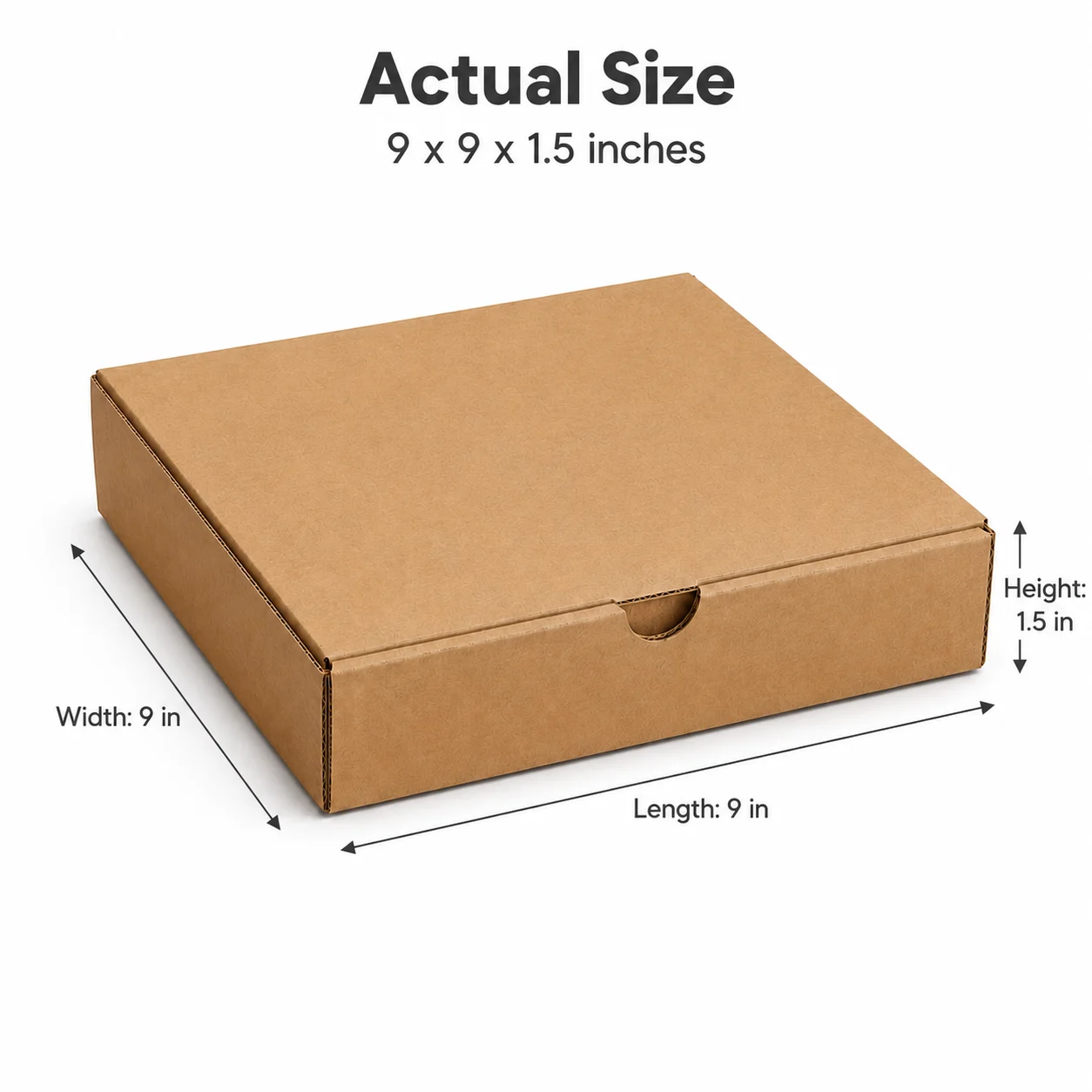
9x9 Inch Brown Corrugated Pizza Box for Food Delivery
Durable 9x9 inch brown corrugated pizza box designed for restaurants, cafes, cloud kitchens, and food delivery businesses.
Related Buying Guides
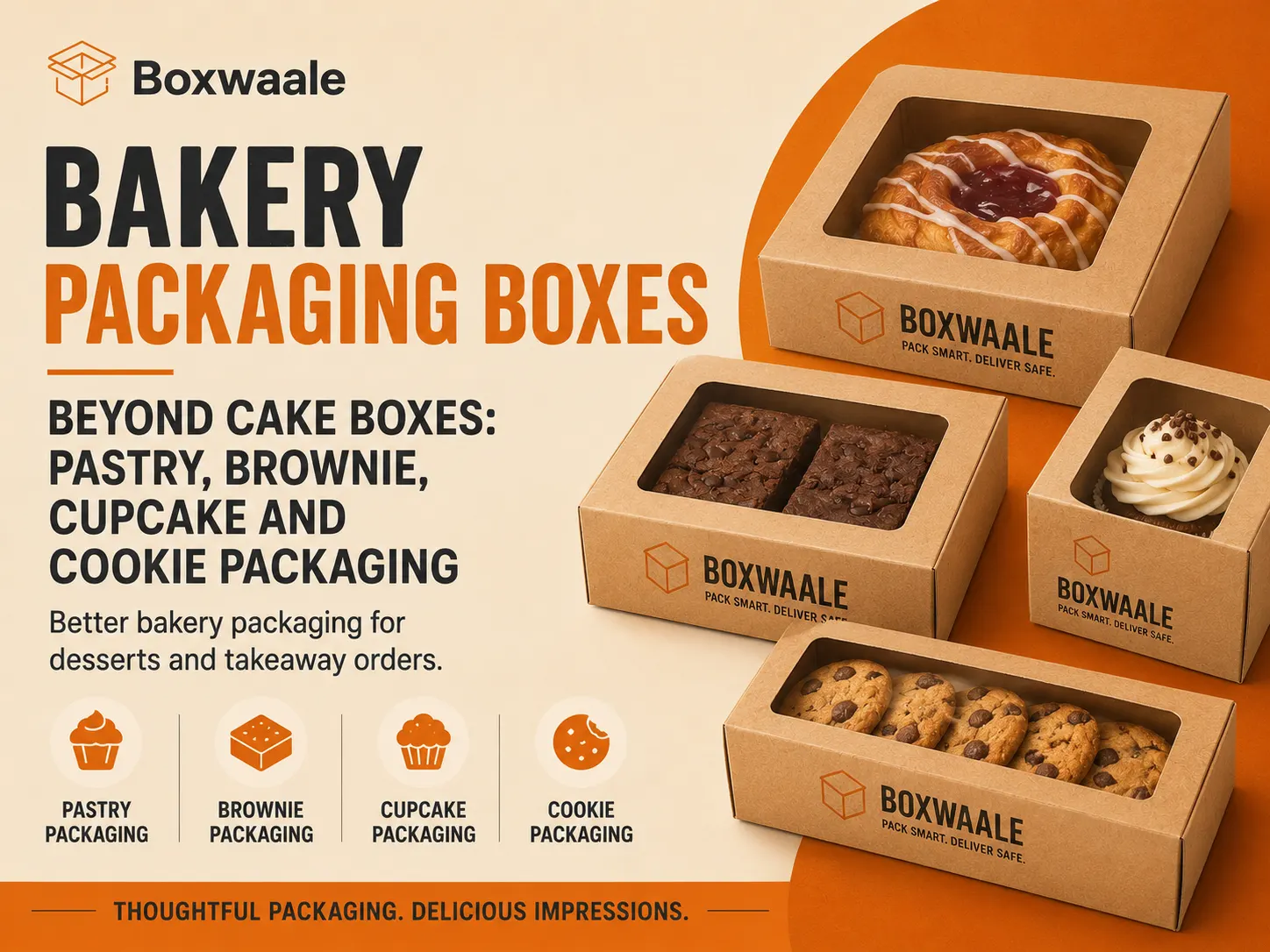
Bakery Packaging Boxes Beyond Cake Boxes: Pastry, Brownie, Cupcake and Cookie Packaging
Read guide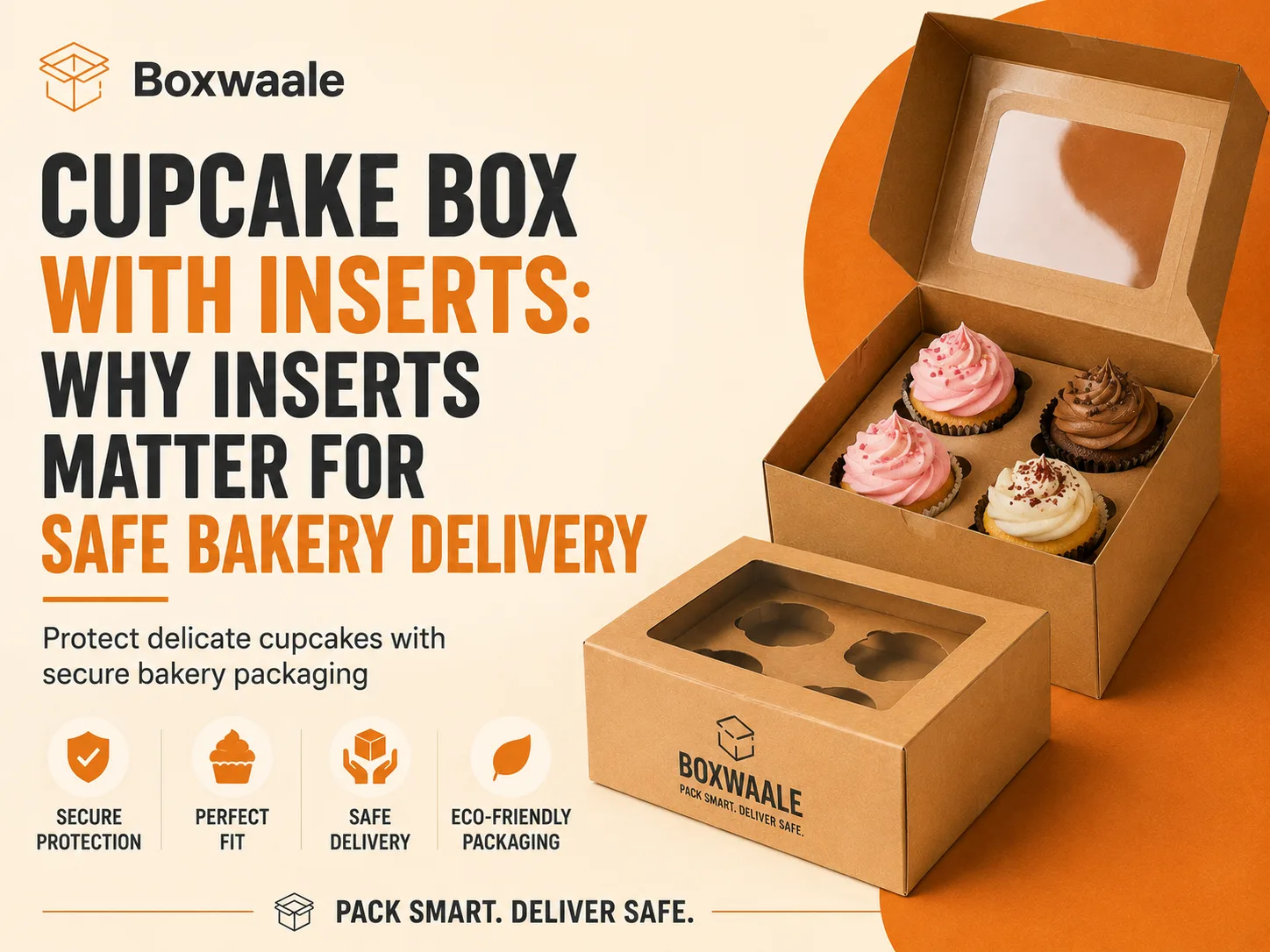
Cupcake Box with Inserts: Why Inserts Matter for Safe Bakery Delivery
Read guide
Best Packaging Boxes for Cloud Kitchens and Food Delivery Businesses
Read guide
Best Food Delivery Packaging Boxes for Cloud Kitchens
Read guide
Food Delivery Packaging Boxes for Restaurants: Pizza, Burger and Combo Orders
Read guide